- 0
- 530 words
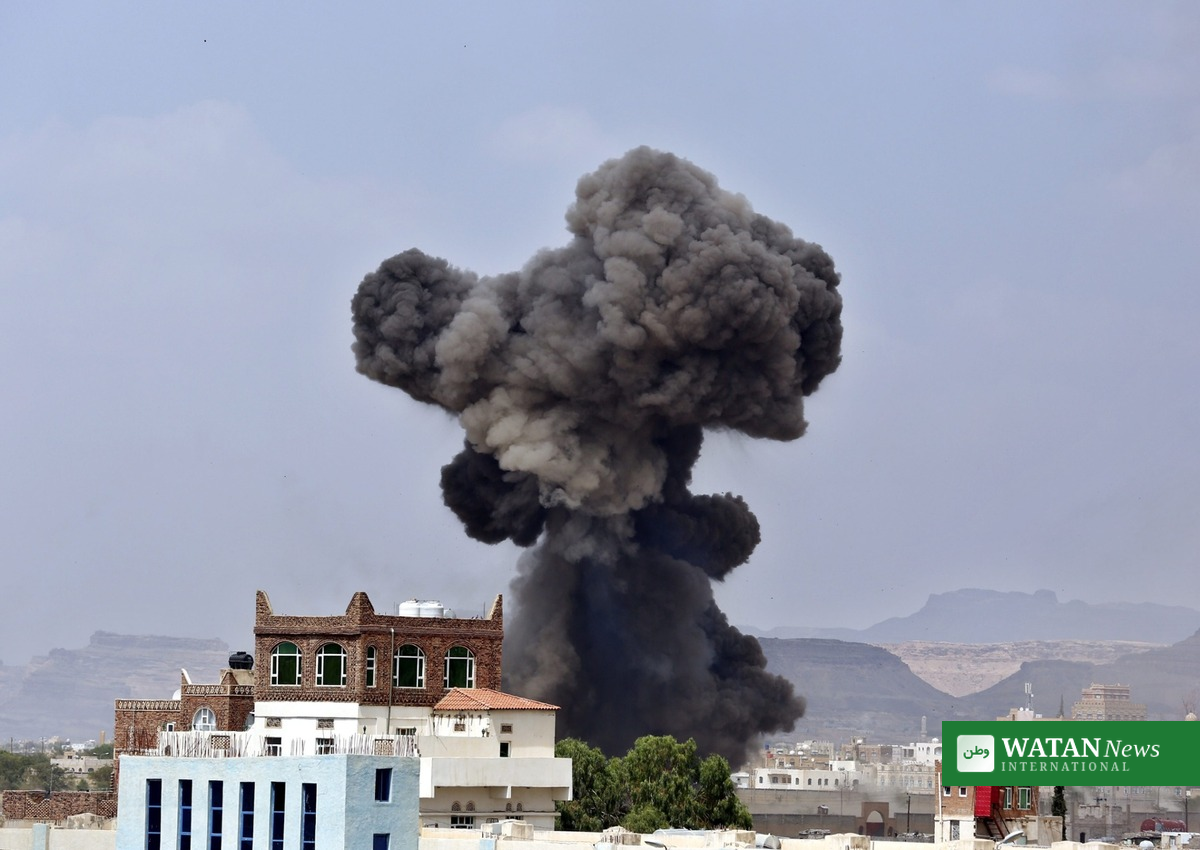
The Saudi-led coalition carried out airstrikes on oil facilities west of Yemen’s capital Sanaa on Tuesday, marking a fresh escalation after days of Houthi missile and drone attacks on Saudi Arabia that killed at least 13 people at Riyadh’s international airport over the weekend.
FAKTA
- What: Saudi-led coalition airstrikes on oil facilities west of Sanaa, Yemen
- When: Tuesday, October 13, 2026, following a rare public evacuation warning
- Target: The Yemen Petroleum Company’s al-Sabahah central fuel station in western Sanaa
- Houthi response: Military spokesman Yahya Saree warned of a “firm and painful” retaliation in Riyadh and declared Saudi Aramco facilities legitimate targets
- Context: Comes after Saturday’s Houthi attack on Riyadh’s King Khalid International Airport killed at least 13 and wounded more than 300
Rare warning before the strike
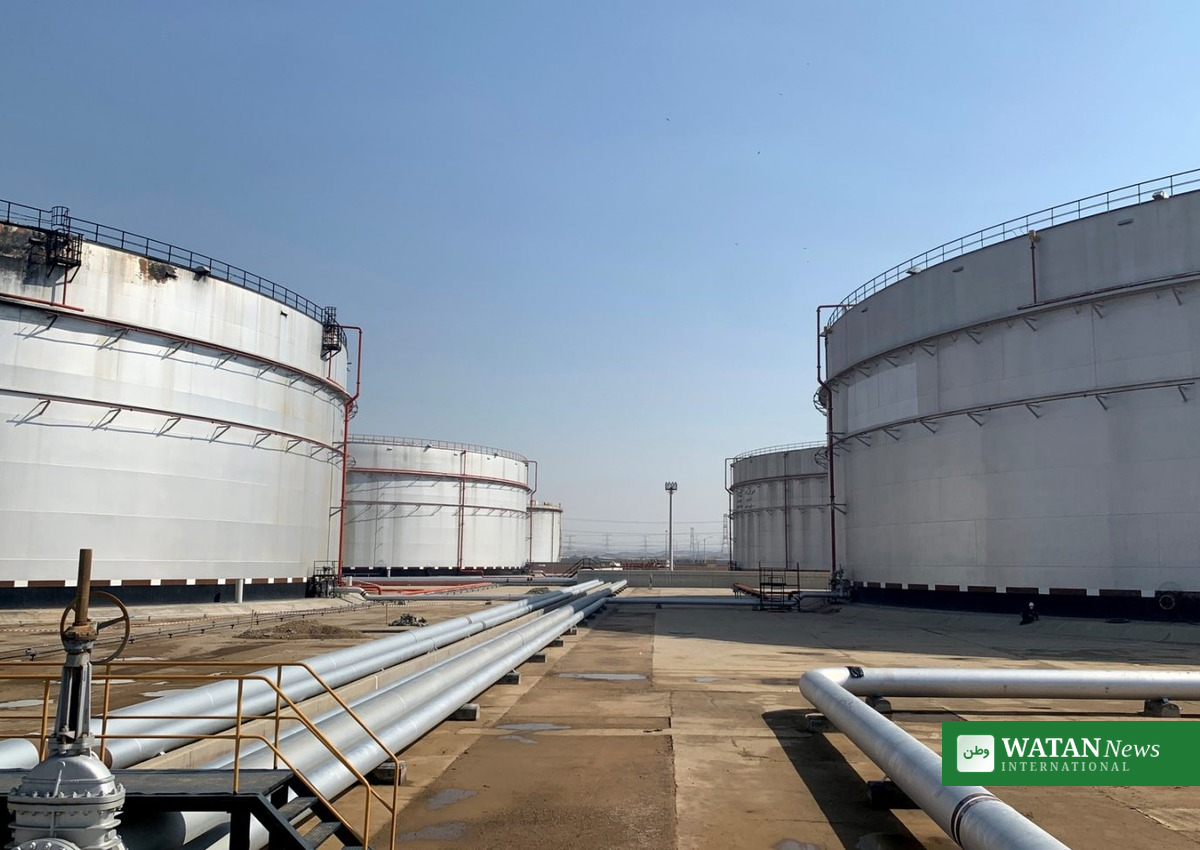
In an unusual move, coalition spokesman Turki al-Maliki issued a public warning on Tuesday urging civilians to evacuate the Yemen Petroleum Company site and nearby storage areas in the al-Subaha area of western Sanaa “for their own safety,” publishing an illustrative map of the compound. It was the first time the coalition battling the Houthis has issued an evacuation order for Sanaa since their war flared up again in July, according to media reports.
Witnesses in Sanaa reported hearing explosions shortly after the warning. It was not immediately clear which facilities were hit. The Houthi-linked oil company said its storage facilities were empty and that a Saudi strike would not affect oil reserves or supplies for residents.
Houthis threaten retaliation
Shortly after the warning, Houthi military spokesman Yahya Saree said on Telegram that any Saudi attack on Sanaa would be met with a “firm and painful” response in Riyadh. He also warned employees and civilians to evacuate Saudi Aramco oil facilities, which he declared legitimate targets for Houthi forces.
A Houthi political bureau member, Mohammed al-Bukhaiti, told AFP on Monday that the group would deliver a “swift and painful response” against the United States and its regional interests if Washington joined Saudi Arabia’s military campaign in Yemen.
Widening crisis
The strikes come as Saudi Arabia is scrambling to determine how its air defenses failed to intercept a barrage of missiles and drones fired by the Houthis. Saturday’s attack on Riyadh’s King Khalid International Airport killed at least 13 people and wounded over 300, according to the Associated Press. A second attack on Sunday killed one person and injured nearly a dozen, according to media reports.
The coalition said on Tuesday that it had intercepted three drones north of Riyadh, while terminals 3 and 4 at King Khalid International Airport suffered significant damage, media reports said. France told its citizens on Tuesday to avoid airports in Riyadh, Jeddah and Dammam, and Bahrain’s Gulf Air suspended flights to and from Riyadh.
The latest fighting began last month after the Houthis seized key areas along the Bab el-Mandeb Strait, a critical waterway for Gulf oil shipments at the southern end of the Red Sea. The Saudi-led coalition, which has backed forces aligned with Yemen’s internationally recognized government since 2015, has been trying to retake them.
Read more Middle East news: Middle East
Author

usman2344913@gmail.com
Related Posts

Pope Leo XIV’s Lung Surgery Successful, Vatican Confirms
- 0
- 582 words
Vatican City: Pope Leo XIV’s surgery to remove a lung nodule was completed “successfully, on schedule and as planned,” the Vatican said...
Read out all
Trump Warns Houthis After Deadly Saudi Attacks, Says He May Ask Turkey’s Erdogan for Help
- 0
- 778 words
Washington: US President Donald Trump on Tuesday issued a sharp warning to Yemen’s Houthi movement after a wave of deadly attacks on...
Read out all
Five AI Innovations Vie for UN Climate Action Award Ahead of Phnom Penh Final
- 0
- 559 words
Five AI-powered climate solutions from Indonesia, Tanzania, Mali and Bangladesh are finalists for the 2026 UN AI for Climate Action Award. The...
Read out all
Health and Climate Change Conference 2026 to Launch 10th Lancet Countdown Report in London
- 0
- 371 words
Global health and climate experts gather at the British Library in London on 28 October for a conference marking the 10th Lancet...
Read out all
Philippines Vice President’s Office to Launch El Niño Public Info Campaign
- 0
- 467 words
The Office of the Vice President of the Philippines will launch a nationwide public information campaign on El Niño preparedness, with plain...
Read out all
RCOY Asia-Pacific 2026: 500 Young Leaders Set Youth Climate Priorities for COP31
- 0
- 711 words
Held in Bangladesh for the first time, RCOY Asia-Pacific 2026 brought 500+ youth from 28 countries to Dhaka to draft a Regional...
Read out all