- 0
- 449 words
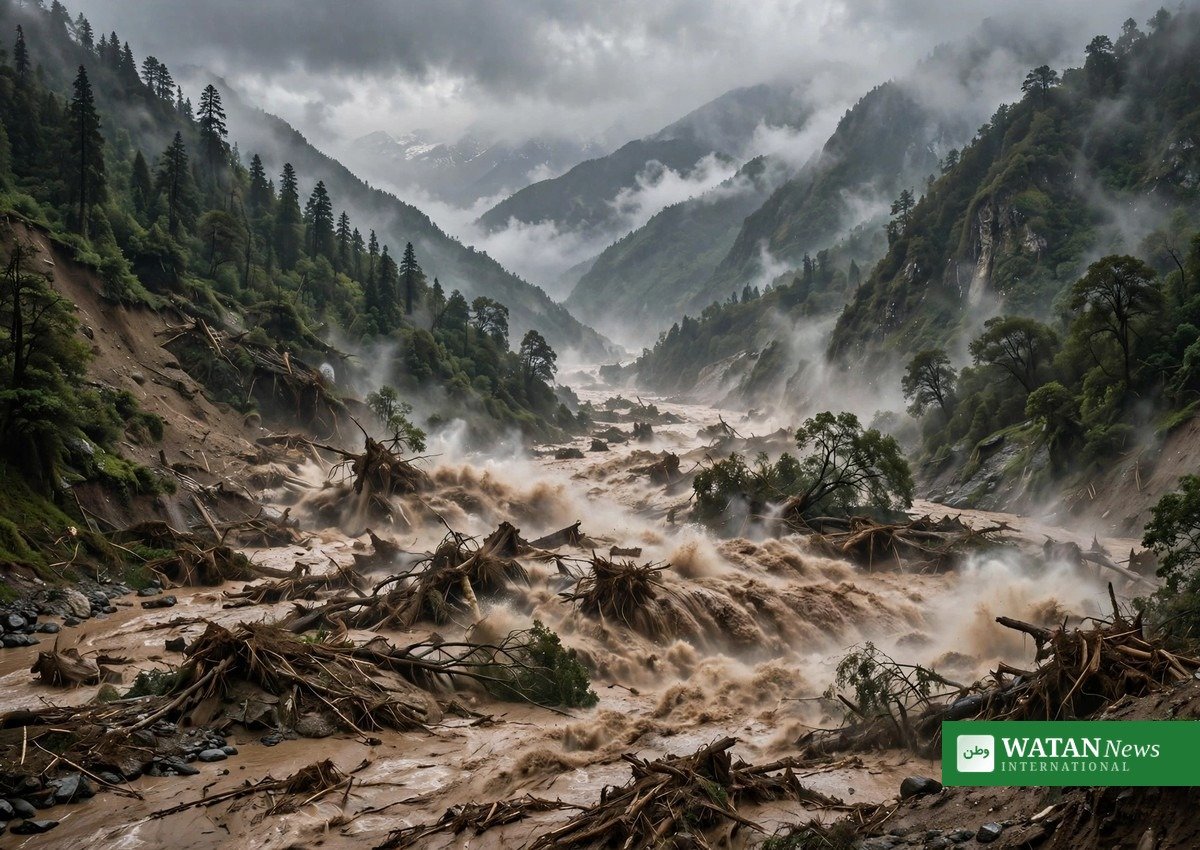
A devastating flash flood has torn through the Nepal–Tibet border region, and the death toll continues to rise as rescuers reach villages buried under mud and debris.
At least 469 people are confirmed dead and around 2,400 remain missing after the wall of water, mud and rock surged down the Bhote Koshi and Trishuli river systems on the morning of 26 August 2026, according to Nepali and Chinese authorities. Officials say the figures are still changing.
FAKTA
- Flash flood struck on the morning of 26 August 2026 along a 72 km stretch of the Trishuli River valley in Nepal
- At least 469 confirmed dead and around 2,400 missing across Nepal and Tibet (authorities say figures will change)
- Gyirong Port / Rasuwagadhi border crossing completely destroyed; bridges, hydropower plants and villages flattened
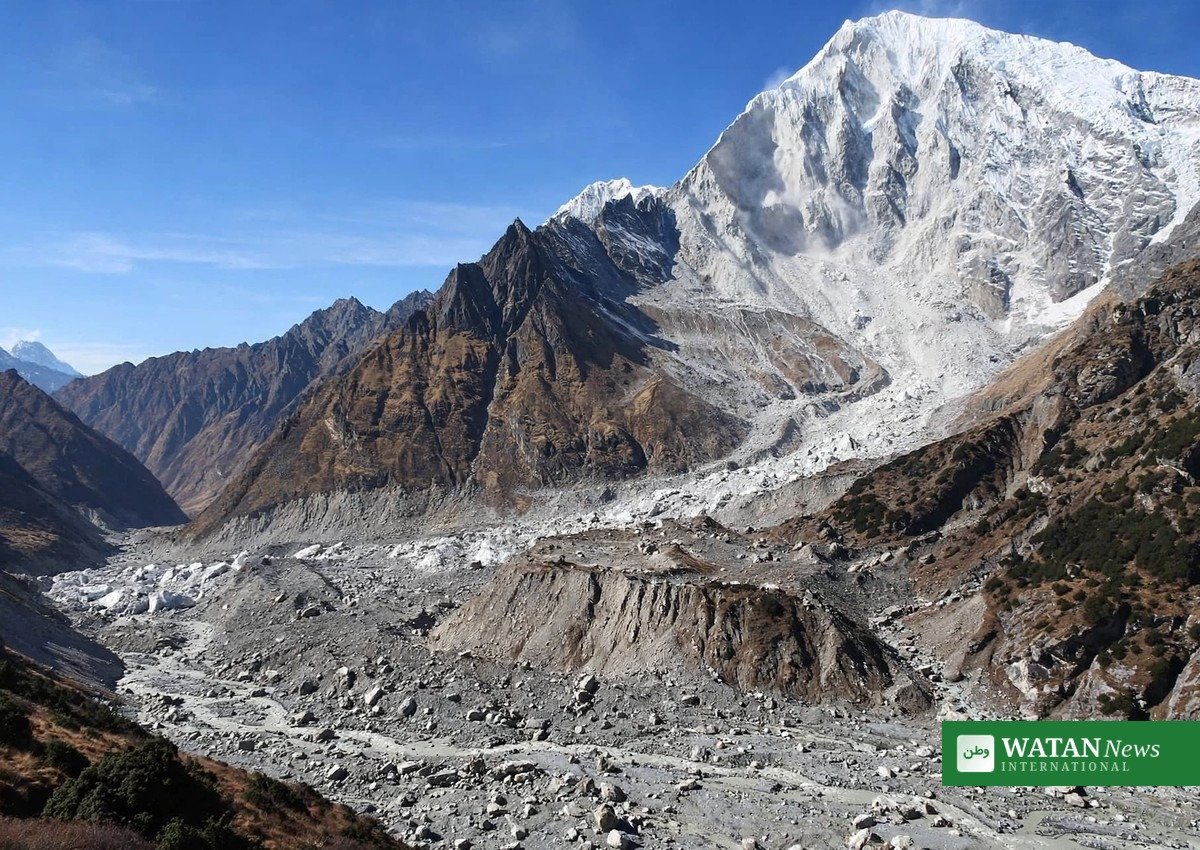
- Trigger: massive rock-ice avalanche from the north flank of 7,227m Langtang Lirung, initially mistaken for an earthquake
- Some victims’ bodies were carried up to 240 km downriver into neighbouring India
Nepal-Tibet Flash Floods Death Toll Climbs
The flood struck without warning, destroying the Gyirong checkpoint on the China–Nepal border and slamming into dozens of settlements along a 72-kilometre stretch of the valley. Entire buildings were buried in mud within minutes, while vehicles, bridges and sections of road were swept away.
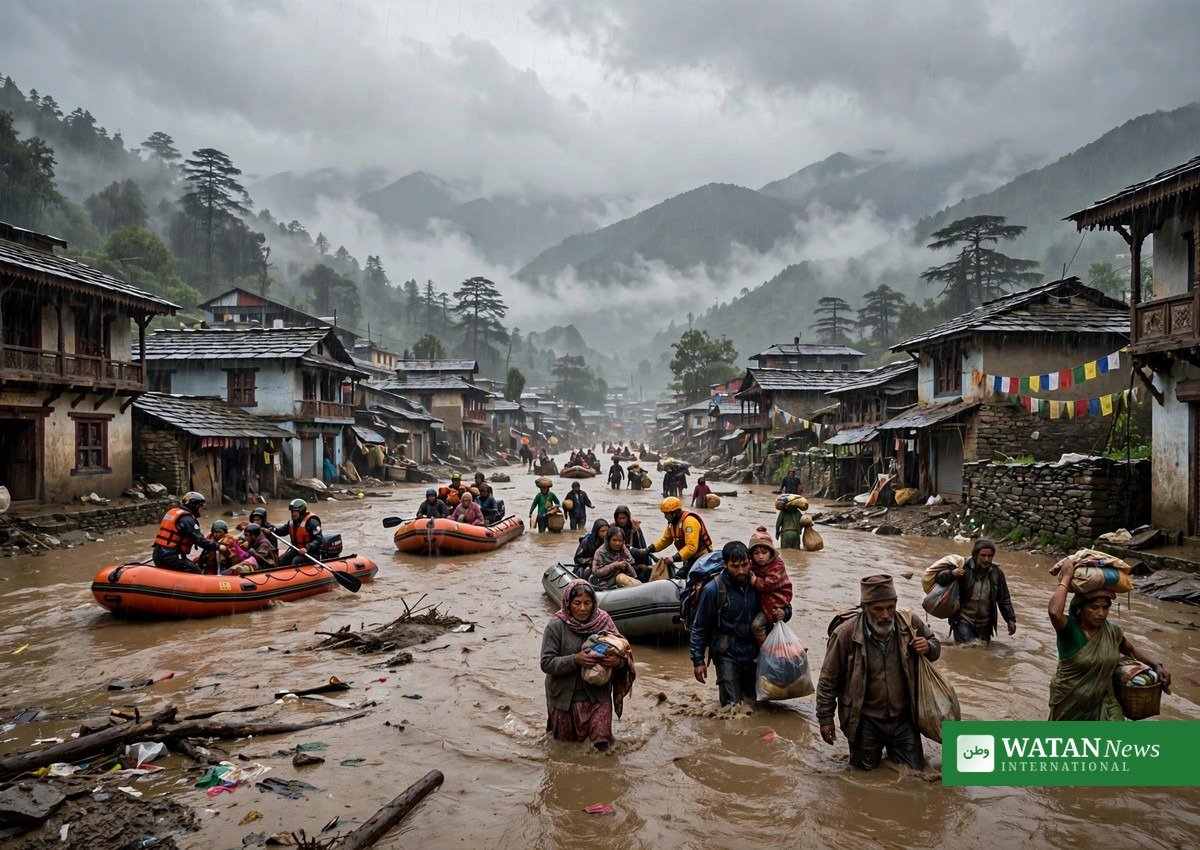
Among the missing are hundreds of foreigners – pilgrims travelling to Mount Kailash, traders, hydroelectric workers, trekkers and travellers using one of the busiest land crossings between the two countries.
What Caused the Catastrophe
Early reports blamed an earthquake or a glacial lake bursting its banks. Scientists now believe the real cause was rarer and far more violent: a huge chunk of glacier broke away from Langtang Lirung at around 5,200 metres and fell more than 2,200 vertical metres, pulverising on impact and melting almost instantly from friction.
The resulting wall of meltwater, rock and soil raced down the Lhende Khola toward the border at terrifying speed. The tremor felt that morning – detected by seismometers worldwide at around magnitude 5.2 – came from the collapse itself, not from an earthquake.
Rescue Effort Races Against Time and Terrain
Nepal’s army deployed nearly 1,700 personnel, with hundreds more on standby; military and civilian helicopters airlifted survivors while ground teams pushed into valleys still cut off by landslides. India sent disaster response teams to its border districts, and the US and EU said they stood ready to assist.
Warming temperatures and weakening permafrost in the high Himalaya are widely seen as contributing factors – a warning echoed across our climate coverage. Independent reporting on the disaster is available from ExplorersWeb and Global Adventure Trekking’s explainer.
Author

usmanjaved13132@gmail.com
Related Posts

Brewers Sweep Dodgers to Reach World Series for First Time Since 1982
- 0
- 580 words
The Milwaukee Brewers are going to the World Series for the first time in 44 years. Down 4-0 in the early innings...
Read out all
Lukashenko Says Trump Should Not Dictate Ukraine’s Future
- 0
- 497 words
Belarusian President Alexander Lukashenko said on Friday that US President Donald Trump should not dictate Ukraine’s political future, declaring that only the...
Read out all
Russian Drone Strikes Kill Three Across Ukraine, Cut Power to 370,000
- 0
- 419 words
Russian drone strikes across Ukraine killed at least three people and knocked out electricity to around 370,000 residents in the northwestern Volyn...
Read out all
Israeli Settlers Torch Olive Trees, Injure Photojournalist in West Bank Harvest Attack
- 0
- 484 words
Dozens of Israeli settlers attacked Palestinian olive harvesters in Abu Falah, West Bank, torching olive trees and injuring two people, including a...
Read out all
Candiru Spyware Ads Planted Zero-Click Spyware on 45 Al Jazeera Devices, Citizen Lab Says
- 0
- 621 words
Researchers have uncovered the first confirmed case of mercenary spyware being delivered to victims through ordinary online advertisements, infecting dozens of devices...
Read out all
Indonesia Forest Fires: Prabowo Approves Foreign Help as Haze Chokes Region
- 0
- 500 words
Indonesia has approved foreign firefighting help as its worst forest fires in a decade choke the region. Hundreds of thousands face breathing...
Read out all