- 0
- 460 words
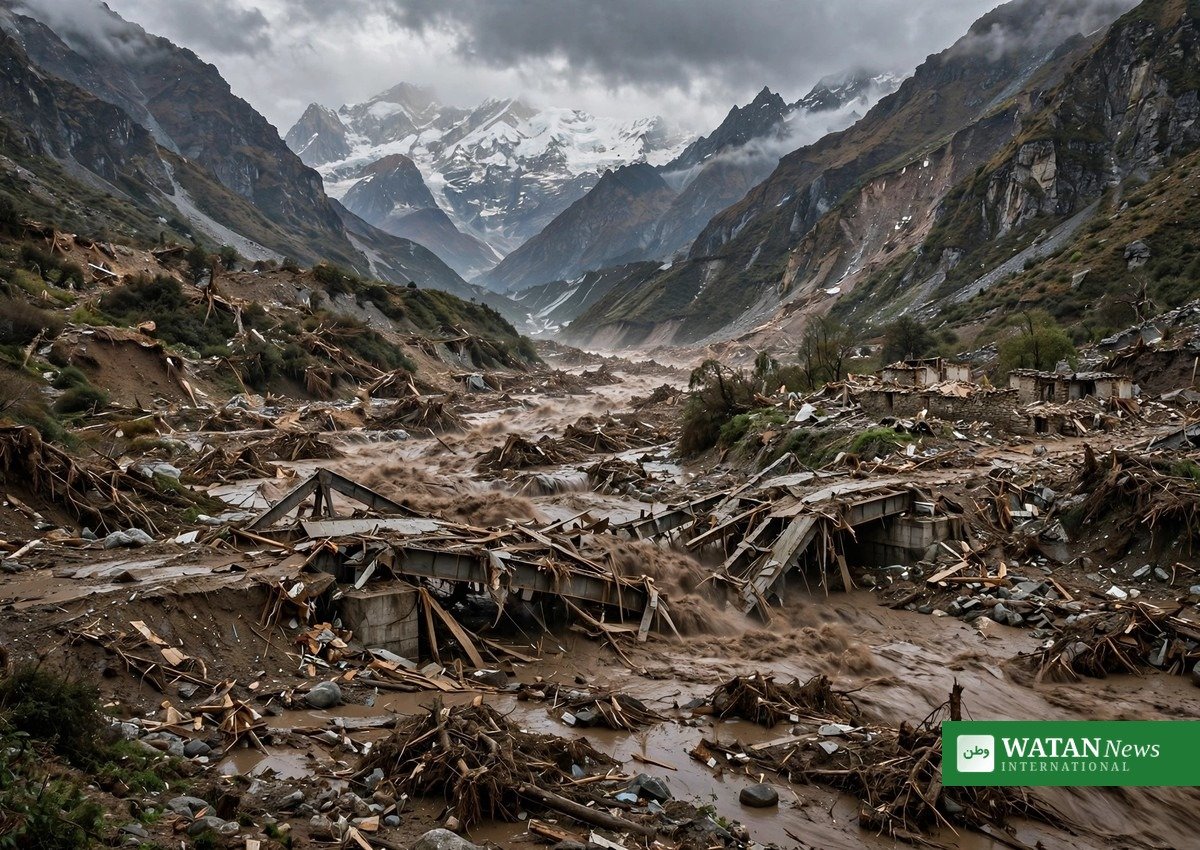
The Nepal floods triggered by a Himalayan glacial collapse have killed at least 469 people and left nearly 1,000 missing, while rescue operations were temporarily halted after a debris-formed barrier lake threatened to overflow and send new floodwaters downstream.
FAKTA
- A glacial collapse near the Nepal-Tibet border on Wednesday, 2 September 2026, sent ice, rock and mud down the Bhotekoshi and Trishuli valleys.
- Nepal police confirmed 469 deaths; 977 people remain missing, including hundreds of tourists.
- 1,697 army personnel were deployed for search and rescue, with 656 more on standby.
- Helicopter rescue operations in Rasuwa were stopped as a barrier lake formed by debris faced a “high risk of breaching”.
- The Red Cross says about 93,000 people may be affected and launched a $31m emergency appeal; the UN released $2m from its emergency fund.
- On 2 October 2026, Nepal announced a $50m six-year plan to drain four dangerous glacial lakes.
How the Nepal Floods Unfolded
The disaster was first picked up by US Geological Survey seismic sensors and misread as a 4.4-magnitude earthquake — but it was a glacial collapse high in the Himalayas. The resulting surge obliterated the Friendship Bridge at Rasuwagadhi, the primary overland trade link between Nepal and China, and tore through Rasuwa, Nuwakot, Dhading, Gorkha and other districts.
Prime Minister Balendra Shah said the entire nation was “shocked and deeply distressed”. India, the US and the EU all offered assistance.
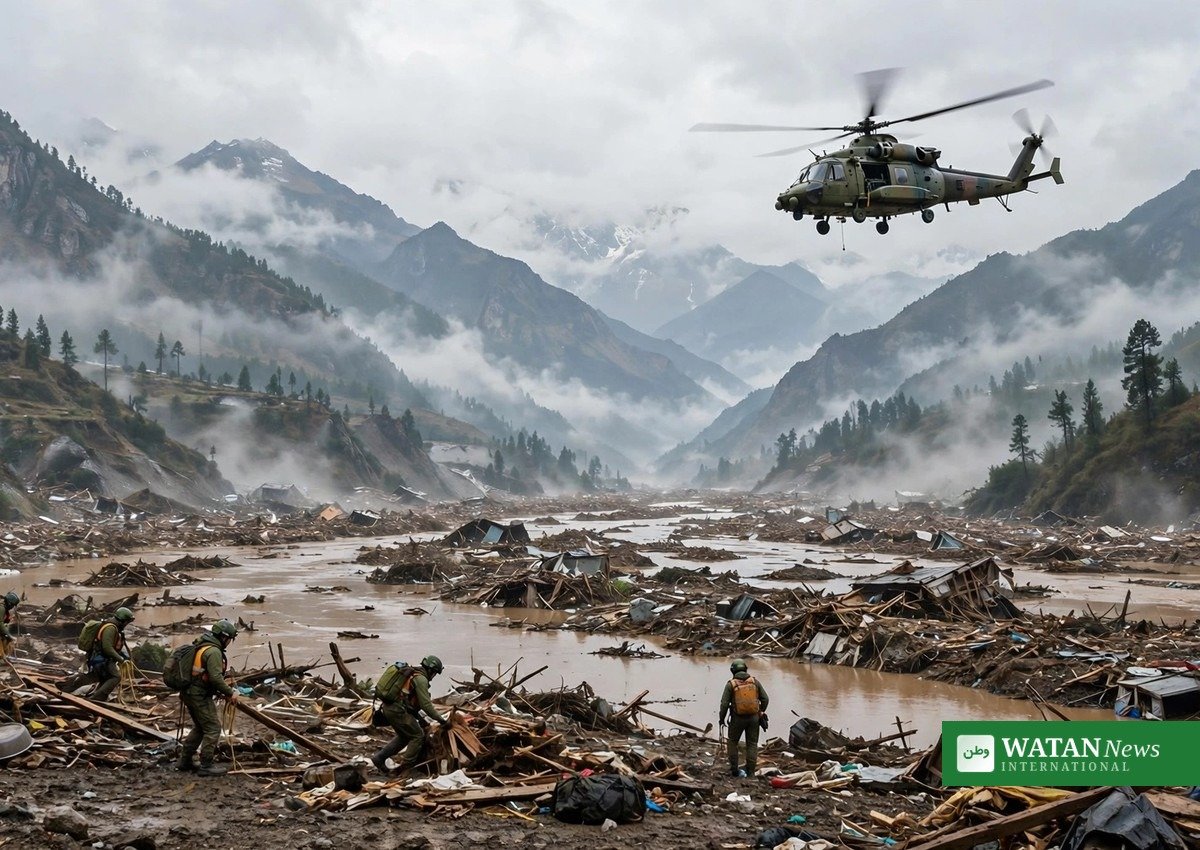
Military helicopters led the rescue effort after the Nepal floods cut off entire valleys.
Barrier Lake Halts Rescue Operations
The immense piles of debris left by the flood blocked river channels and formed an artificial lake. Chinese authorities warned it faced a “high risk of breaching”, while Nepal’s disaster authority said water levels were rising in the lake and it risked bursting its banks. Helicopter rescue operations in the flood-hit Rasuwa district were stopped, and locals were seen rushing uphill as rescue teams pulled back from the epicentre.
Tunnel Rescue at Trishuli 3A
Nepali army helicopter teams worked to rescue about 100 people trapped inside a tunnel at the Trishuli 3A hydropower project, which was swamped by the flash flood. Six military helicopters and five civilian helicopters were pressed into service, alongside ground teams.
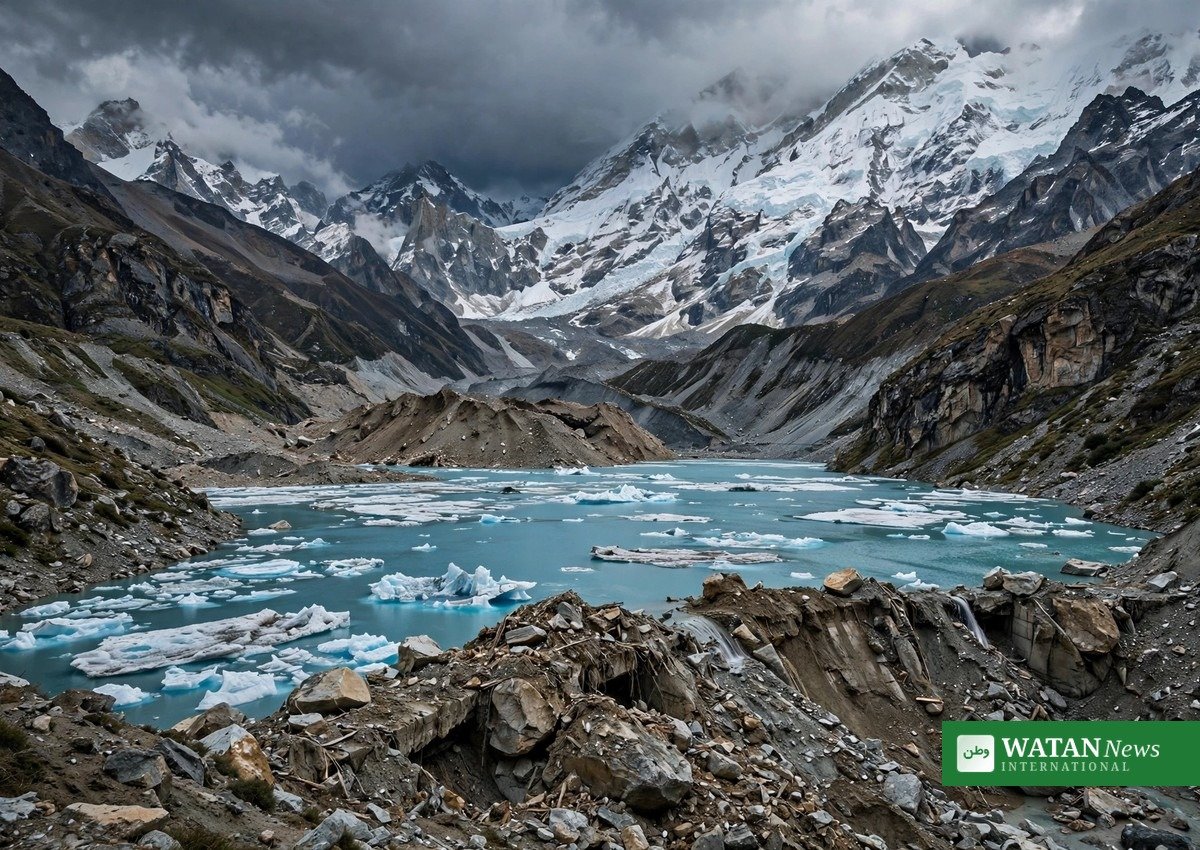
A barrier lake formed by debris posed a renewed flooding threat after the Nepal floods.
A Climate Reckoning: Nepal’s $50m Lake Plan
The disaster has forced a national reckoning. Nepal plans to begin detailed studies this fiscal year on draining four dangerous high-altitude glacial lakes — Thulagi, Lower Barun, Lumding Tsho and Hongu II — using controlled drainage systems, monitoring sensors and stronger early-warning arrangements for downstream communities.
As glaciers retreat, Himalayan scientists warn, meltwater collects behind fragile natural dams — and the next collapse may only be a matter of time. For more climate coverage, visit Watan News.
Sources: Saluran Kabar / Reuters; NewsNation Online / Reuters.
Author

usmanjaved13132@gmail.com
Related Posts

Brewers Sweep Dodgers to Reach World Series for First Time Since 1982
- 0
- 580 words
The Milwaukee Brewers are going to the World Series for the first time in 44 years. Down 4-0 in the early innings...
Read out all
Lukashenko Says Trump Should Not Dictate Ukraine’s Future
- 0
- 497 words
Belarusian President Alexander Lukashenko said on Friday that US President Donald Trump should not dictate Ukraine’s political future, declaring that only the...
Read out all
Russian Drone Strikes Kill Three Across Ukraine, Cut Power to 370,000
- 0
- 419 words
Russian drone strikes across Ukraine killed at least three people and knocked out electricity to around 370,000 residents in the northwestern Volyn...
Read out all
Israeli Settlers Torch Olive Trees, Injure Photojournalist in West Bank Harvest Attack
- 0
- 484 words
Dozens of Israeli settlers attacked Palestinian olive harvesters in Abu Falah, West Bank, torching olive trees and injuring two people, including a...
Read out all
Candiru Spyware Ads Planted Zero-Click Spyware on 45 Al Jazeera Devices, Citizen Lab Says
- 0
- 621 words
Researchers have uncovered the first confirmed case of mercenary spyware being delivered to victims through ordinary online advertisements, infecting dozens of devices...
Read out all
Indonesia Forest Fires: Prabowo Approves Foreign Help as Haze Chokes Region
- 0
- 500 words
Indonesia has approved foreign firefighting help as its worst forest fires in a decade choke the region. Hundreds of thousands face breathing...
Read out all