- 0
- 538 words
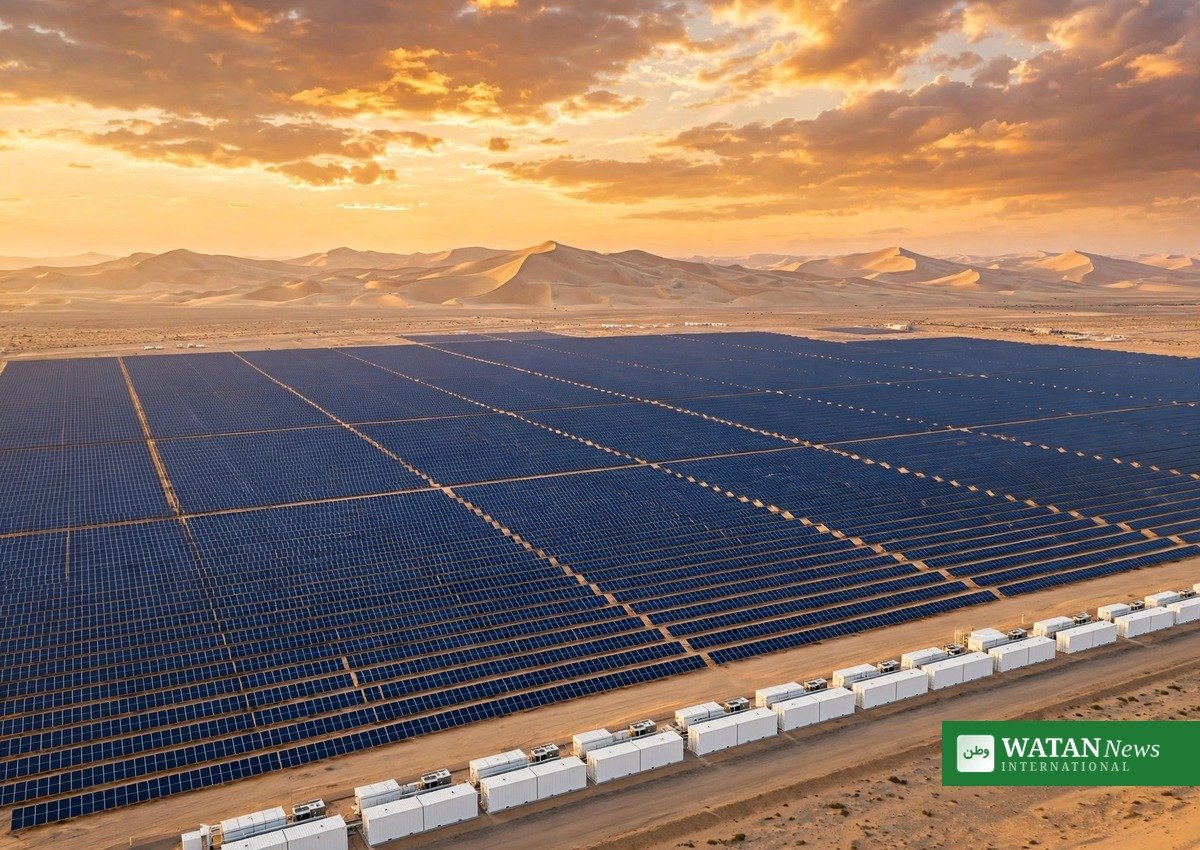
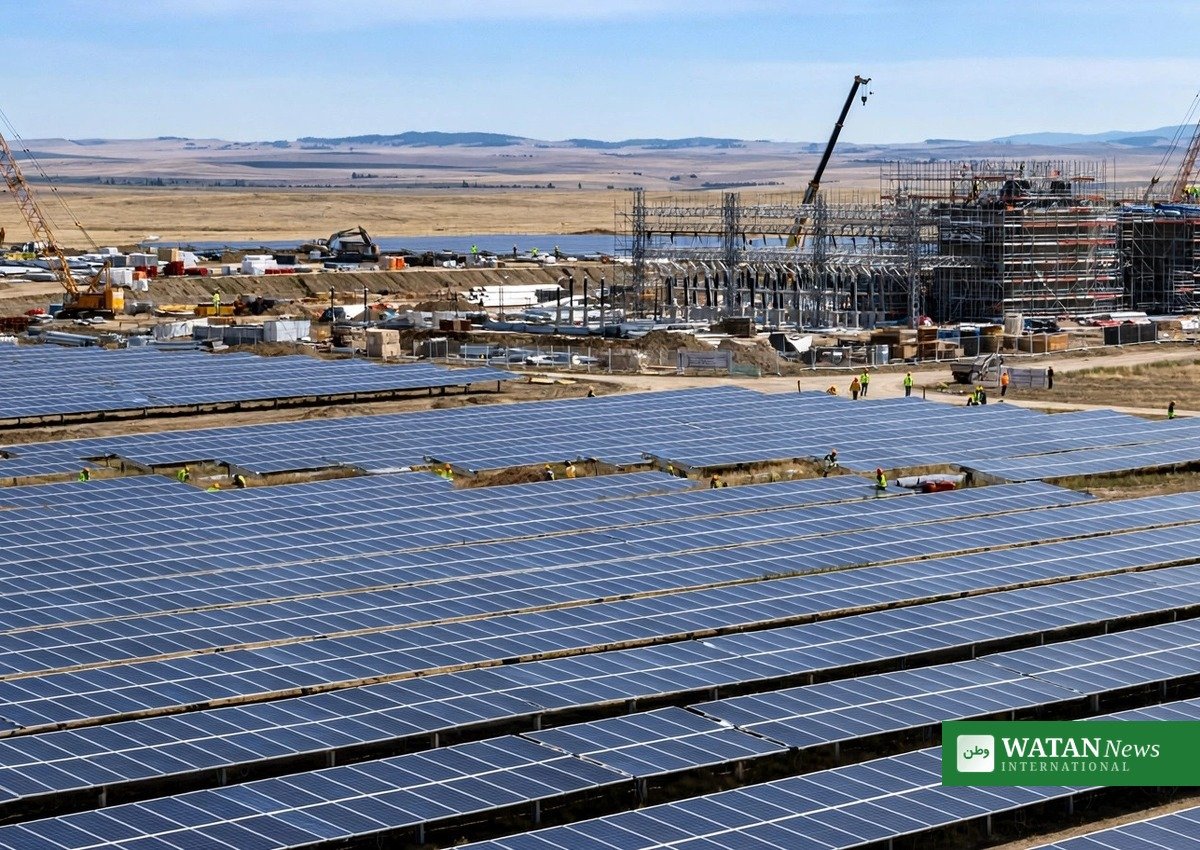
Rajasthan has concluded one of the world’s largest Pugal solar plus storage auctions: the Rajasthan Solar Park Development Company Limited (RSDCL) has awarded 2,450 MW of solar capacity paired with 1,600 MW/6,400 MWh of battery energy storage at the Pugal Solar Park, with winning tariffs of ₹3.42–3.54 per kWh — a rate the state’s energy leadership called a “historic low”. The results were announced on 14 October 2026.
Key facts
- 2,450 MW solar PV + 1,600 MW/6,400 MWh battery storage (4-hour duration) at Pugal Solar Park, Bikaner district, Rajasthan
- Winning tariffs: ₹3.42/kWh to ₹3.54/kWh — roughly four US cents per unit
- Lot 1 (2,000 MW solar + 1,320 MW/5,280 MWh storage): NLC India Renewables won 1,000 MW at ₹3.53; Rama Reflection India won 250 MW at ₹3.53; Coal India won 750 MW at ₹3.54
- Lot 2 (450 MW solar + 280 MW/1,120 MWh storage): Coal India won 225 MW at ₹3.42 (the lowest tariff); Leo Energies 6 won 225 MW at ₹3.43
- 31 bidders competed in Lot 1; the starting tariff was ₹4.03/kWh — the winning ₹3.53 was about 12.4% below it
- Developers will sign 25-year power purchase agreements with Rajasthan Urja Vikas and IT Services Ltd (RUVITL)
Who won the Pugal solar plus storage auction
The tender was run by RSDCL, a subsidiary of the Rajasthan Renewable Energy Corporation Ltd (RRECL), and was issued in January 2026 — nearly nine months before the awards. It was conducted through an electronic reverse auction in two lots. Lot 1, covering 2,000 MW of solar across eight 250 MW plots with 1,320 MW/5,280 MWh of storage, drew 31 bidders. Lot 2 covered 450 MW of solar across two 225 MW plots with 280 MW/1,120 MWh of storage and drew 17 bids.
RRECL Chairman and Managing Director Dr Rohit Gupta disclosed the ₹3.42 tariff at the Central Electricity Authority’s brainstorming conclave in New Delhi, describing Pugal as “India’s largest integrated solar power and battery energy storage initiative”. Debmalya Sen, president of the India Energy Storage Alliance (IESA), noted that the tender “remains one of the largest solar-plus-BESS projects of its kind”, with state-level support and outreach driving the strong participation.
Why the tariffs matter
The discovered tariffs show how far the economics of solar-plus-storage have come. At about four US cents per kilowatt-hour, the winning bids include not just solar panels but four hours of battery backup — charged primarily from the park’s own solar plants and discharged during evening peak demand. This is the model known as firm and dispatchable renewable energy (FDRE): power delivered on a schedule, not only when the sun shines.
The project design reduces risk for developers: the government provided land, grid connectivity for the full capacity, and site surveys, layouts and geotechnical studies for all bidders. The batteries are meant to supply power when generation falls or demand peaks, helping address solar’s intermittency. Electricity generated beyond the projects’ 28% capacity-utilisation-factor cap can be purchased by RUVITL at half the winning tariff.
What happens next
Developers will sign 25-year power purchase agreements with RUVITL, which acts on behalf of Rajasthan’s three distribution companies — Jaipur, Ajmer and Jodhpur Vidyut Vitran Nigam. The Rajasthan Electricity Regulatory Commission (RERC) had approved the procurement earlier this year. Once built, the Pugal project will store solar power generated during the day and release it when Rajasthan’s cities need it most — a template, state officials say, for India’s next phase of clean-power growth.
For more renewable energy coverage, visit our climate section.
Author

usman2344913@gmail.com
Related Posts

Zelensky Defies Trump, Says Ukraine Will Resume Strikes on Russian Refineries
- 0
- 788 words
Ukraine will resume strikes on Russian oil refineries after a brief pause, President Volodymyr Zelensky told the Financial Times, ending the US-backed...
Read out all
Rajasthan tildeler Pugal sol-plus-lagringsprojekt på 2.450 MW med 6.400 MWh batterikapacitet
- 0
- 533 words
Rajasthan har afsluttet en af verdens største Pugal sol plus batterilagring-auktioner: Rajasthan Solar Park Development Company Limited (RSDCL) har tildelt 2.450 MW...
Read out all
Saudi-Led Coalition Says Houthis Attempted Attacks on Dozens of Saudi Facilities
- 0
- 517 words
The Saudi-led military coalition in Yemen said on Thursday that Houthi attacks on Saudi facilities had attempted to strike dozens of airports,...
Read out all
راجستھان نے پگال سولر پلس اسٹوریج منصوبے کے فاتحین کا اعلان کر دیا: 2450 میگاواٹ سولر، 6400 میگاواٹ گھنٹہ بیٹریاں
راجستھان نے دنیا کی سب سے بڑی پگال سولر پلس اسٹوریج نیلامیوں میں سے ایک مکمل کر لی ہے: راجستھان سولر پارک...
Read out all
EU’s LIFE-program 2026 sætter ansøgningsrekord: 1.430 ansøgninger søger 4,3 mia. euro
- 0
- 455 words
EU’s flagskibsprogram for finansiering af miljø og klima har sat en ny EU LIFE finansieringsrekord: 2026-indkaldelsen af projektforslag modtog 1.430 ansøgninger, der...
Read out all
یورپی لائف پروگرام 2026: 1430 درخواستوں میں 4.3 ارب یورو کی ریکارڈ مانگ
یورپی یونین کے ماحولیات اور موسمیاتی اقدامات کے مرکزی فنڈنگ پروگرام نے نیا ای یو لائف فنڈنگ ریکارڈ قائم کیا ہے: 2026...
Read out all