
- 0
- 1,064 word
The final week in Yerevan
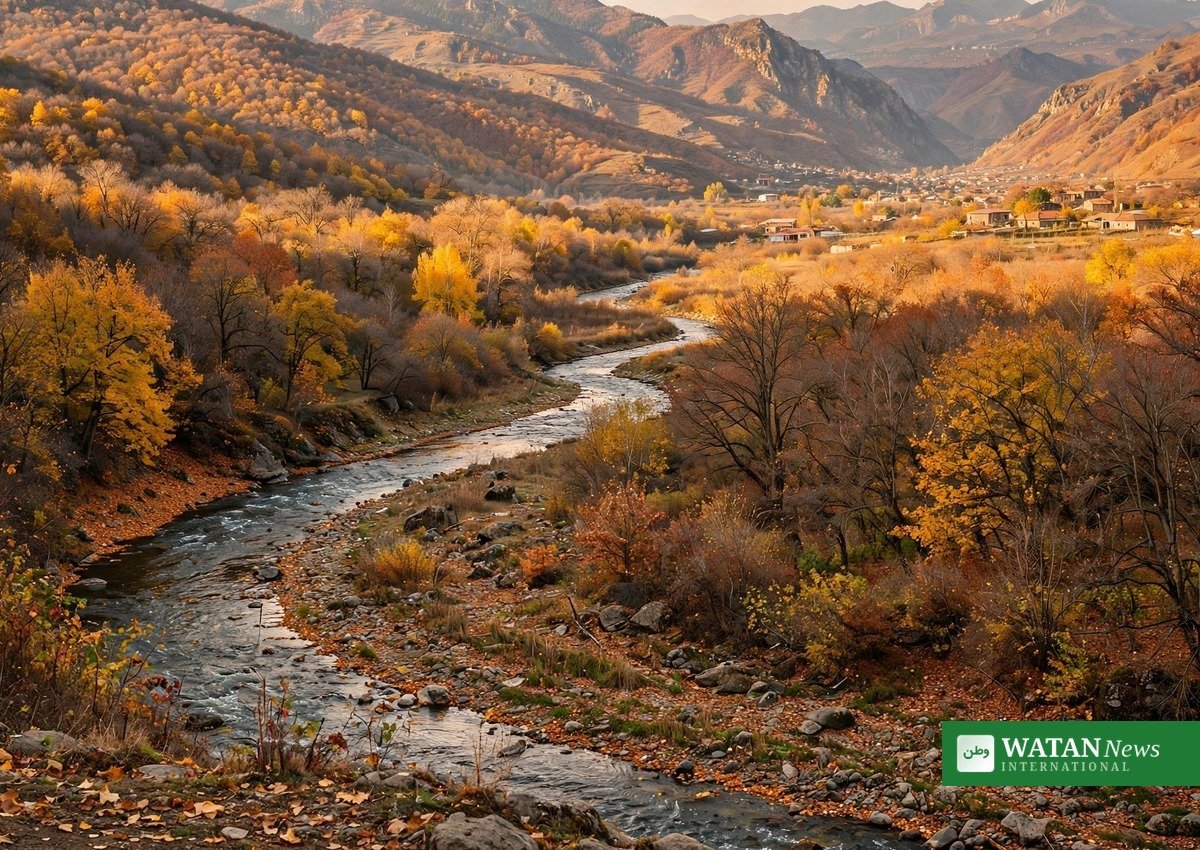
Negotiators at the United Nations biodiversity summit in Yerevan enter the final week of COP17 with the first global review of the world’s nature targets still full of unresolved text, and ministers arriving on 27 and 28 October for a high-level segment meant to give the talks political direction. The conference, which runs from 19 to 30 October, is the first formal check on the Kunming-Montreal Global Biodiversity Framework, the plan adopted in 2022 to halt and reverse biodiversity loss by 2030.
According to Carbon Brief, which is reporting from the talks, an informal negotiating document on the global review circulated on 20 October contained 149 brackets, the marks used in United Nations texts to show where countries still disagree. One heavily bracketed passage notes with deep concern that the long-term nature goals for 2050 may be at risk if the 2030 targets are not met.
Smaller contact groups, co-chaired by the Netherlands and Fiji, are working through the disagreements, Carbon Brief reported. The Earth Negotiations Bulletin reported that a further small group has been set up to deal with references to actors other than national governments, a wording question that matters greatly to Indigenous peoples and local communities.
What ministers must decide
The high-level segment on 27 and 28 October will bring together ministers, heads of international organisations, financial institutions, Indigenous peoples, local communities, civil society and the private sector, according to guidance from the Convention on Biological Diversity. Its stated purpose is to share progress, give strategic direction and renewed political momentum, and to help ministers contribute to the final stages of negotiations on key issues.
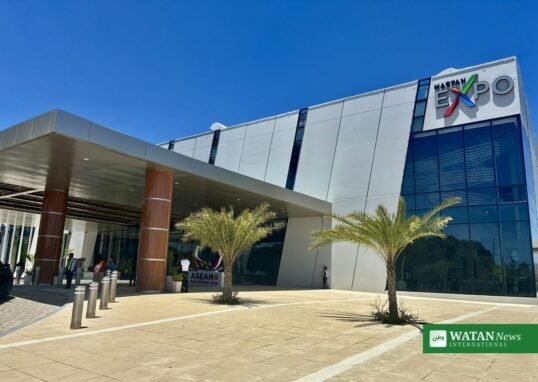
Canada’s government confirmed that its environment minister, Julie Dabrusin, will attend the segment, including the delivery of national statements on 27 October at the Meridian Expo and Event Centre in Yerevan. The segment is designed to complement the leaders’ summit held before the talks and to support the shift from commitments to action, the biodiversity convention’s guidance says.
WWF warned as the first week closed that governments must move beyond political commitments and agree on practical measures. Its interim global director of multilateral policy, Guido Broekhoven, said week one had moved COP17 into difficult choices without resolving them, and urged ministers to turn the findings of the first global report into decisions that speed up national implementation, including delivery of the international biodiversity finance target of 30 billion dollars a year by 2030 for developing countries.
The numbers behind the review
The review is taking place against a sobering baseline. The United Nations’ State of Biodiversity Action report, released before the talks, found that nearly 90 percent of the convention’s 196 parties have set national biodiversity targets, but fewer than half of the targets assessed are on track. At current rates of progress, only about 26 percent of land and 12 percent of marine areas would be protected by 2030, well short of the framework’s goal of protecting 30 percent of land and sea by 2030.
Finance remains a central sticking point. Carbon Brief reported that developed countries fell short of a commitment to provide at least 20 billion dollars a year for nature by 2025, and that a call to broaden the contributor base has reached the negotiating floor for the first time. A separate draft on the future financial mechanism carried 124 square brackets, Carbon Brief reported.
The Cali Fund, the mechanism through which companies that use genetic data are expected to share benefits with conservation and communities, has received only 10,656 dollars in commitments, according to Carbon Brief. Representatives of Indigenous peoples told Carbon Brief that a voluntary mechanism raises an obvious question: why would companies pay for something they have been getting for free.
Voices from the negotiating rooms
Joji Carino of the Forest Peoples Programme told a 20 October press briefing that describing Indigenous peoples and local communities as actors other than national governments was a major regression, because it makes it sound as though governments were always the central actor and Indigenous peoples were only on the side. Her intervention underlines how much of the final week is about recognition as well as numbers: who counts as a partner in protecting nature, not only how much money is pledged.
UN biodiversity chief Astrid Schomaker has said the discussions in Yerevan must focus on accelerating action to protect nature. COP17 president Hambardzum Matevosyan has said countries need to renew their commitment and focus on delivery, and that the global review is the key way to achieve that.
What happens next
The talks close on 30 October. What ministers agree in the high-level segment, and what negotiators can strip out of the bracketed texts in the days that follow, will show whether the first global review becomes a turning point for nature or another set of promises awaiting implementation. For the countries and communities already living with biodiversity loss, the difference matters now, not in 2030.
Key facts
- COP17, the UN biodiversity summit, runs from 19 to 30 October 2026 in Yerevan, Armenia.
- It carries out the first global review of the Kunming-Montreal Global Biodiversity Framework, adopted in 2022.
- A 20 October informal document on the review contained 149 brackets marking unresolved disagreements.
- The ministerial high-level segment takes place on 27 and 28 October 2026.
- Nearly 90 percent of parties have national targets, but fewer than half of assessed targets are on track, according to the UN report.
Read more climate events coverage on the main site: Watan News climate news
Frequently asked questions
What is COP17?
COP17 is the 17th meeting of the Conference of the Parties to the Convention on Biological Diversity, the UN treaty under which countries coordinate action to protect nature. It is meeting in Yerevan, Armenia, from 19 to 30 October 2026.
What is the global review?
The global review is the first collective check on progress towards the Kunming-Montreal Global Biodiversity Framework, which sets 23 targets for 2030, including protecting 30 percent of land and sea.
What does a bracket mean in a negotiating text?
A bracket marks wording that countries have not yet agreed. The 149 brackets in the 20 October informal document on the review show how much of that text was still under negotiation.
What is the high-level segment?
The high-level segment on 27 and 28 October brings ministers and senior officials together to give political direction to the final stages of the negotiations.
What is the Cali Fund?
The Cali Fund is a benefit-sharing mechanism through which companies that commercially use digital sequence information on genetic resources are expected to contribute to biodiversity conservation and to Indigenous peoples and local communities.
Author

usmanch0013@gmail.com
Related Posts
China to Send Defence Attaché to ASEAN Meeting in Cebu
- 0
- 488 words
China will be represented at this week's ASEAN Defence Ministers' Meeting-Plus in Cebu by the defence attaché from its embassy in Manila,...
Read out all
Barry Friesen hædres som cirkulær mester for livslang genbrugsindsats i landbruget
- 0
- 648 words
Recycling Council of Alberta hædrer den pensionerede Cleanfarms-direktør Barry Friesen med sin Circular Champion Recognition Award for en karriere, der har opbygget...
Read out all
بیری فریزین کو زرعی ری سائیکلنگ میں سرکلر چیمپئن ایوارڈ سے نوازا گیا
البرٹا کی ری سائیکلنگ کونسل سبکدوش کلین فارمز ایگزیکٹو ڈائریکٹر بیری فریزین کو سرکلر چیمپئن ایوارڈ سے نوازتی ہے، جو کینیڈا بھر...
Read out all
Barry Friesen Honoured as Circular Champion for Farm Recycling Career
- 0
- 646 words
The Recycling Council of Alberta honours retired Cleanfarms Executive Director Barry Friesen with its Circular Champion Recognition Award for a career building...
Read out all
UNDP samler Turkmenistans unge om klimaløsninger i Ashgabat
- 0
- 503 words
UNDP Turkmenistan samler unge aktivister, studerende og fagfolk i Ashgabat til en ungdomskonference om klimaløsninger og miljøinnovation, afholdt den 24. oktober 2026...
Read out all
اشک آباد میں ترکمانستان کے نوجوان موسمیاتی حل کی تلاش میں اکٹھے
ترکمانستان میں اقوام متحدہ کا ترقیاتی پروگرام نوجوان کارکنوں، طلبہ اور پیشہ ور افراد کو اشک آباد میں موسمیاتی حل اور ماحولیاتی...
Read out all