- 0
- 493 words
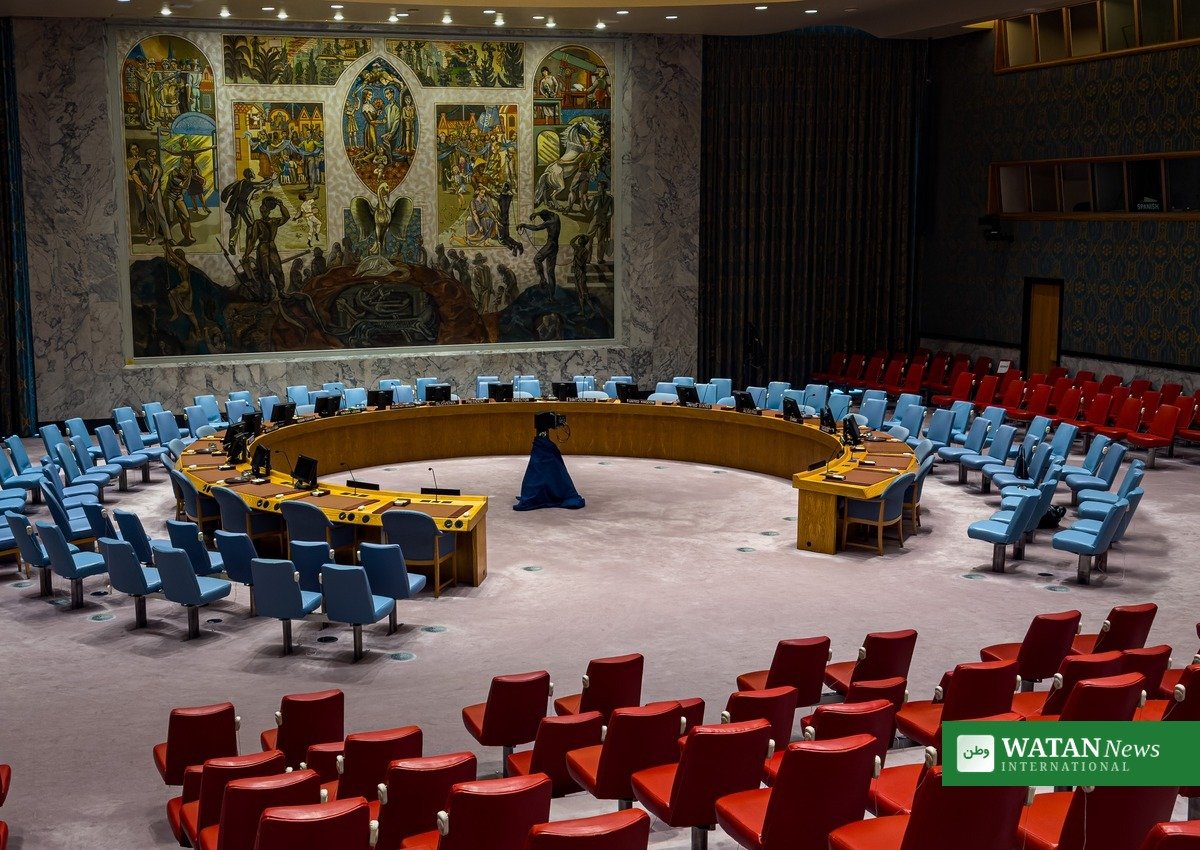
Pakistan has told the United Nations General Assembly that the UN veto should be abolished or at least severely restricted, warning that extending it to more countries would deepen inequality rather than fix the Security Council. The position was set out in New York on Monday by Gul Qaiser Sarwani, counsellor and political coordinator at Pakistan’s mission to the UN, in an Assembly debate on the use of the veto.
Sarwani argued that misuse of the veto has weakened the Council’s effectiveness and the UN’s wider credibility, while handing the five permanent members unmatched influence across the UN system. Reform, he said, must serve the whole membership and correct existing imbalances, not entrench them.
FAKTA
- Speaker: Gul Qaiser Sarwani, counsellor and political coordinator, Pakistan Mission to the UN
- Forum: UN General Assembly debate on the use of the veto, New York
- When: Monday, 26 October 2026
- Procedure: Resolution 76/262 (April 2022): the Assembly must meet within 10 working days of a veto in the Security Council
- Pakistan’s core demand: The veto should be abolished or at least severely restricted; it must not be expanded
- Council makeup: 15 members, including five veto-holding permanent members: the United States, Russia, China, France and the United Kingdom
Why Pakistan opposes a wider UN veto
Pakistan’s objection targets proposals to add new permanent members, a campaign led by India, Brazil, Germany and Japan. Sarwani said more permanent members and more vetoes would deepen inequalities, perpetuate historical privileges, create new centres of power and risk further institutional paralysis.
“Let us be clear: the problems cannot be the solution,” he told the Assembly. Pakistan, together with Italy, leads the Uniting for Consensus group, which opposes adding any new individual permanent member to an expanded Council.
What Pakistan proposes instead
Instead of new permanent seats, Pakistan wants the elected, non-permanent membership to grow, giving more countries a democratic turn at the table. It also backs adjusting voting thresholds so elected members can better counterbalance the permanent five.
Sarwani said Pakistan supports resolution 76/262 and any veto-restraint measures consistent with the UN Charter. The goal, he said, is comprehensive, democratic and equitable reform that strengthens accountability and makes the Council more responsive to its primary task of maintaining international peace and security.
A divided debate
Some speakers proposed extending veto power to new permanent members; others rejected any change to the present permanent membership. South Africa’s representative said his country opposes the veto in principle, but argued that pending abolition it must extend to any new permanent members, or inequality would be institutionalised.
Norway, speaking for the Nordic countries, said the Assembly must play a greater role when the Council is deadlocked, citing failures over civilians in Sudan and Gaza and the war in Ukraine. Russia’s delegate defended the veto as a tool that can prevent escalation, citing a joint veto with China on a draft resolution on navigation in the Strait of Hormuz.
For more international coverage, visit Watan News International.
Author

usmanch0013@gmail.com
Related Posts

Two Men Charged Over RAF Fairford Plot to Assist Iran, UK Police Say
- 0
- 643 words
Two British men have been charged under the UK National Security Act over the September incident near RAF Fairford, with police saying...
Read out all
World to Add Less Clean Energy Capacity in 2026 for First Time in Five Years, IRENA Chief Warns
- 0
- 852 words
IRENA chief Francesco La Camera warns the world will add less clean energy capacity in 2026 than in 2025, for the first...
Read out all
Rezaei Meets Khamenei as Regional Powers Push to Ease Middle East War
- 0
- 507 words
Iran's security chief Mohsen Rezaei met Supreme Leader Ayatollah Mojtaba Khamenei in Tehran on Tuesday, a day after officials from Saudi Arabia,...
Read out all
Abhishek’s 35-Ball Century Powers India to Series-Clinching Win Over New Zealand
- 0
- 597 words
Abhishek Sharma smashed a 35-ball century as India chased down 199 in just 13.2 overs to beat New Zealand by six wickets...
Read out all
Drone Strike on Nyala Market Kills 21 in Sudan’s Darfur Region
- 0
- 547 words
A drone strike on a market in Nyala, Sudan's South Darfur capital, killed at least 21 people and wounded more than 40...
Read out all
UN Report: Current Climate Pledges Cut Emissions Only 6% by 2035
- 0
- 832 words
The UNFCCC 2026 NDC Synthesis Report finds current climate pledges would cut global emissions only 6% below 2019 levels by 2035, or...
Read out all