- 0
- 806 words
ENGIE has announced support for more than 20 woodland owners across Scotland, Wales and England to create and manage new woodland, in a programme announced on 27 October 2026 that links landowners’ planting work to carbon finance under the UK’s Woodland Carbon Code.
The portfolio represents more than 200,000 Pending Issuance Units (PIUs), the company said in its announcement, with the funding giving landowners money to establish and look after the new woodland as the trees grow.
What was announced
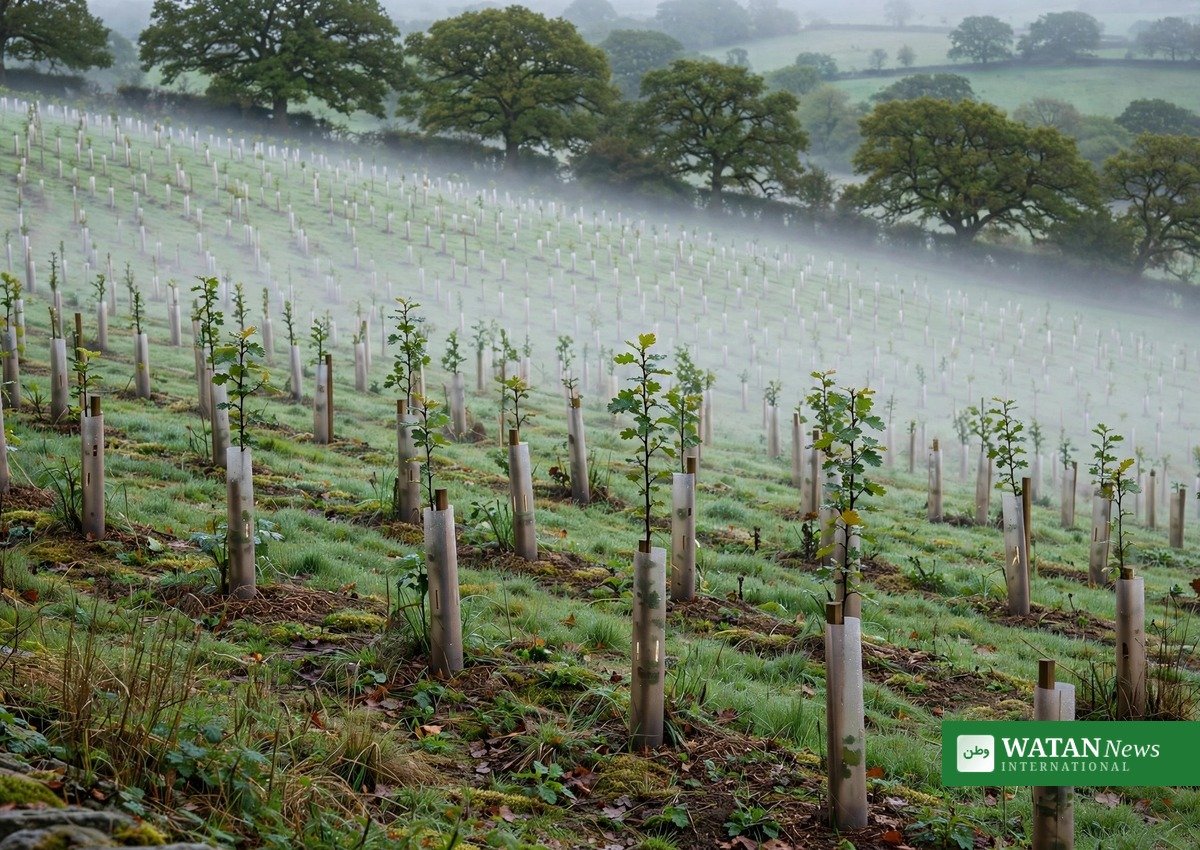
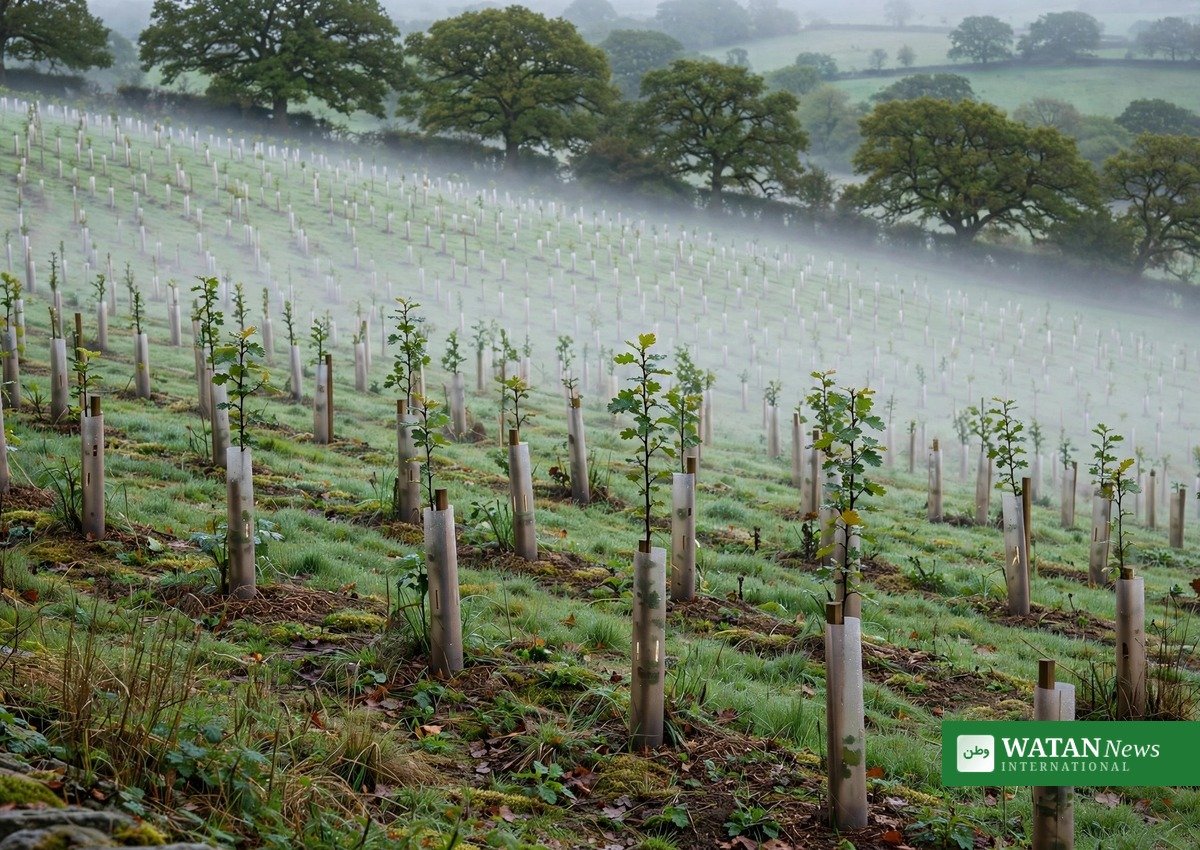
ENGIE is supporting more than 20 woodland owners in Scotland, Wales and England to create new woodland, according to the company’s statement of 27 October 2026. The projects are intended to create diverse woodland, support rural communities and remove carbon dioxide from the atmosphere as the trees grow.
CarbonStore, the woodland carbon division of Tilhill Forestry, worked with woodland owners to identify suitable woodland creation projects, while The Shared Wood Company reviewed the projects and brought the landowners together. Together, the projects correspond to more than 200,000 PIUs.
How the funding works
ENGIE is providing its support by buying Pending Issuance Units linked to the new woodland. A PIU represents carbon dioxide expected to be removed as the trees grow, rather than carbon already removed, and the units are subject to independent verification under the UK’s Woodland Carbon Code, the voluntary standard for woodland creation projects in the UK.
That distinction matters: the climate benefit is prospective. It depends on the trees being planted, surviving and growing, and on verification confirming the carbon removed over time. Buying PIUs gives landowners funding now to establish and manage the woodland, while verification later tests whether the expected removal has happened.
Two projects in focus
The portfolio includes Brynllewelyn in South Wales, where 44 hectares of diverse broadleaved trees have been planted on an organic hill farm. It also includes the award-winning Ardachuple Forest in Argyll, Scotland.
According to ENGIE, the projects include a high proportion of native trees and are being developed under the Woodland Carbon Code. The company says the projects are expected to expand natural habitats, improve local environments, support rural communities and contribute to carbon removal as the trees mature.
Why it matters for climate and nature
New woodland can serve two purposes at once: storing carbon as trees grow, and providing habitat, shade, soil protection and a more resilient landscape. The benefit, however, is only as strong as the woodland itself. Diverse, native-rich planting that is managed for the long term is more likely to survive drought, pests and storms than a single-species plantation left unmanaged.
Miya Paolucci, chief executive of ENGIE UK, said: “As a long-term investor in the UK’s energy transition, we want to deliver benefits that are felt in communities across the country. This programme supports the creation of high-quality new woodland, working with local landowners to bring forward projects that can enhance the local environment and create a lasting legacy for the areas in which they are based.”
ENGIE says the group employs more than 90,000 people in 30 countries and aims to reach net-zero carbon emissions by 2045, with more than 8,000 employees in the UK. The woodland programme sits alongside that wider energy-transition work, but its own test will be simpler: whether the trees planted now are still standing, diverse and growing decades from now.
For more climate stories, see Watan News climate coverage.
FAKTA
- Announcement: 27 October 2026, by ENGIE.
- Scale: More than 20 woodland owners in Scotland, Wales and England; more than 200,000 Pending Issuance Units.
- Mechanism: ENGIE buys PIUs, funding establishment and long-term management; units subject to independent verification under the UK Woodland Carbon Code.
- Named projects: Brynllewelyn, South Wales (44 hectares of diverse broadleaved trees on an organic hill farm); Ardachuple Forest, Argyll, Scotland.
- Tree mix: A high proportion of native trees across the portfolio.
Frequently asked questions
What is a Pending Issuance Unit?
A Pending Issuance Unit, or PIU, represents carbon dioxide expected to be removed as newly planted trees grow. It is a prospective unit: the removal has not yet happened, and the unit is subject to independent verification under the UK Woodland Carbon Code.
How many landowners and units does the programme cover?
More than 20 woodland owners across Scotland, Wales and England, corresponding to more than 200,000 PIUs, according to ENGIE’s announcement of 27 October 2026.
Where are the named projects?
Brynllewelyn in South Wales, where 44 hectares of diverse broadleaved trees have been planted on an organic hill farm, and Ardachuple Forest in Argyll, Scotland.
Does buying PIUs mean the carbon is already removed?
No. PIUs relate to future expected removal as trees grow, and they are subject to independent verification. The climate benefit depends on the woodland being established, managed and verified over time.
Who identified and assembled the projects?
CarbonStore, the woodland carbon division of Tilhill Forestry, identified suitable projects, and The Shared Wood Company reviewed them and brought the landowners together, according to ENGIE.
Author

usmanch0013@gmail.com
Related Posts

Tre ud af fire rejsende vægter bæredygtighed, da Trip.com lancerer My Travel Impact
- 0
- 886 words
Trip.com Groups nye rapport bygger på 8.777 svar fra 29 markeder: Tre ud af fire rejsende vægter bæredygtighed, når de planlægger rejser.
Read out all
تین میں سے چار سیاح اب پائیدار سفر کو اہمیت دیتے ہیں، ٹرپ ڈاٹ کام نے مائی ٹریول امپیکٹ متعارف کرا دیا
ٹرپ ڈاٹ کام گروپ کی نئی رپورٹ میں ۲۹ مارکیٹوں کے ۸۷۷۷ افراد سے پوچھا گیا، تین میں سے چار سیاح پائیدار...
Read out all
Three in Four Travellers Now Weigh Sustainability as Trip.com Launches My Travel Impact
- 0
- 795 words
Trip.com Group's 2026 Sustainable Travel Consumer Report finds 75.4% of travellers say sustainability matters and 56.8% intentionally choose greener options, as the...
Read out all
ENGIE støtter nye skove i hele Storbritannien med over 200.000 CO2-enheder
- 0
- 831 words
ENGIE støtter mere end 20 skovejere i Skotland, Wales og England i at skabe ny skov, bakket op af mere end 200.000...
Read out all
اینجی کا برطانیہ بھر میں نئے جنگلات کے لیے دو لاکھ سے زیادہ کاربن یونٹس کا تعاون
اینجی اسکاٹ لینڈ، ویلز اور انگلینڈ میں بیس سے زیادہ جنگلات کے مالکان کو نئے جنگلات بنانے میں مدد دے رہی ہے،...
Read out all
Dubai forvandler to millioner plastikflasker til skoletasker
- 0
- 956 words
Dubai Municipality har genanvendt to millioner plastikflasker, omkring 40 ton plastik, til skoletasker under Bottle2Bag-initiativet, præsenteret på WETEX 2026.
Read out all