- 0
- 686 words
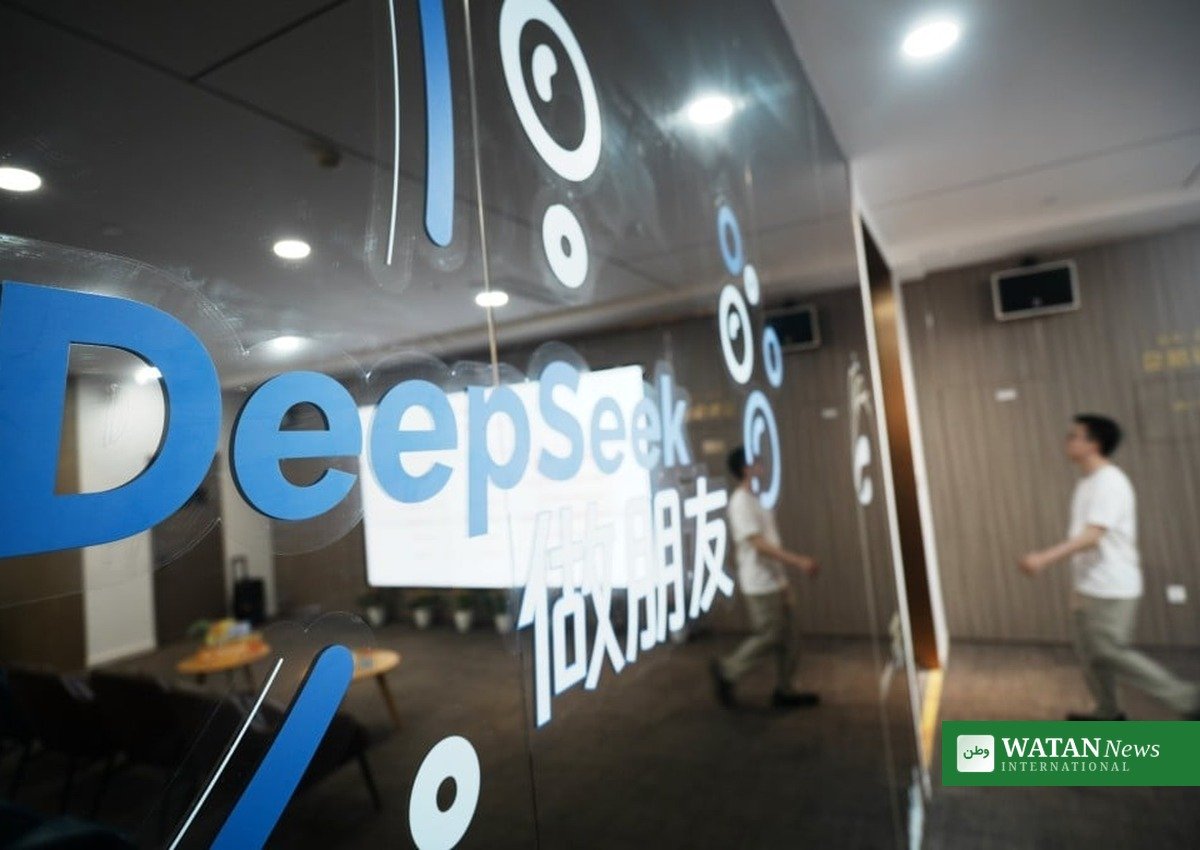
Chinese artificial intelligence developers DeepSeek and Moonshot AI relied heavily on outputs from OpenAI’s powerful GPT-6 Astra model to train their latest models, The Information reported on Wednesday, citing people with direct knowledge of the matter. The DeepSeek Moonshot Astra distillation report has renewed scrutiny of a practice that has become a flashpoint in the intensifying technology competition between the United States and China.
According to the report, carried by Reuters, Moonshot AI’s Kimi K3.1 Pro model, which was released last week, and DeepSeek’s upgraded V4.1-Flash 1017 model, which was launched on October 17, both benefited from distilling Astra. The companies have not confirmed the claims, and OpenAI, DeepSeek and Moonshot AI did not immediately respond to Reuters’ requests for comment.
FAKTA
- What is reported: DeepSeek and Moonshot AI relied heavily on outputs from OpenAI’s GPT-6 Astra model to train their latest models, The Information reported, citing people with direct knowledge.
- Models named: Moonshot AI’s Kimi K3.1 Pro, released last week, and DeepSeek’s upgraded V4.1-Flash 1017, launched on October 17.
- The practice: Distillation, in which outputs from one AI model are used to train another model.
- Company responses: OpenAI, DeepSeek and Moonshot AI did not immediately respond to Reuters’ requests for comment.
- Earlier OpenAI statement: In a September 30 blog post, OpenAI said it had linked a core part of a distillation campaign that began in July to individuals associated with Moonshot AI.
What the DeepSeek Moonshot Astra Distillation Report Claims
The Information’s report, as carried by Reuters, says the two Chinese developers leaned heavily on Astra’s outputs while training their newest systems. Distillation has become a flashpoint for leading AI companies as US-China technology competition intensifies, with firms arguing that it allows rivals to reproduce advanced capabilities more quickly and cheaply.
The report does not say the companies gained access to Astra’s underlying code or training data. Distillation, as described in the reporting, works by using the outputs of an existing model to train a new one, rather than by copying the original system itself.
Why Distillation Has Become a Flashpoint
Leading AI developers have repeatedly raised distillation as a competitive and commercial concern. Firms including Anthropic, OpenAI and Google have argued that the practice enables rivals to reproduce advanced capabilities more quickly and at lower cost, according to Reuters.
Earlier this month, Anthropic said new measures designed to prevent rivals from copying the capabilities of its Claude AI models had reduced data harvested in so-called distillation attacks by about 90% to 99%. The disclosure underlined how seriously the largest AI labs now treat attempts to extract knowledge from their flagship models.
What the Companies Have Said So Far
OpenAI previously addressed the issue publicly. In a September 30 blog post, the company said it had linked a core part of a distillation campaign that began in July to individuals associated with Moonshot AI. That earlier statement did not name DeepSeek.
Neither DeepSeek nor Moonshot AI has publicly responded to the latest report, and Reuters reported that all three companies did not immediately respond to its requests for comment. The claims therefore remain attributed to The Information’s sources rather than confirmed by the companies involved.
The Wider AI Race
The report lands at a moment when Chinese AI developers have drawn global attention for models that rival US systems at a fraction of the apparent cost. Any suggestion that those gains were assisted by outputs from a US rival’s flagship model is likely to sharpen an already tense debate over intellectual property, export controls and fair competition in artificial intelligence.
For now, the key questions remain unanswered: how far the alleged distillation went, whether it breached any terms of use, and how OpenAI and the Chinese developers respond in public. Further reporting and any official statements will determine whether the episode becomes a legal dispute or remains a contested claim in the wider US-China technology rivalry.
For more technology coverage, visit the Technology section on Watan News.
Author

usmanch0013@gmail.com
Related Posts

El Salvador Plans Major Haiti Deployment to Find Four Missing Troops
- 0
- 494 words
El Salvador will send more than 2,000 soldiers to Haiti to rescue four military aviation technicians missing since a gang ambush near...
Read out all
Taiwan Flags ‘Obvious’ Threat From More Than 50 Chinese Vessels in Wide Sweep of Waters
- 0
- 699 words
Taiwan says more than 50 Chinese vessels, including 34 navy warships and the aircraft carrier Liaoning, are operating from southern Japan to...
Read out all
All Energy Australia 2026 Brings 16,500 Clean Energy Professionals to Melbourne
- 0
- 892 words
All Energy Australia 2026 opened on 28 October at the Melbourne Convention and Exhibition Centre, bringing 16,500-plus clean energy professionals, 490-plus exhibitors...
Read out all
Most of 613 Drones Aimed at Moscow Shot Down as Kharkiv Institution Hit
- 0
- 424 words
Russia shot down most of 613 drones heading towards Moscow overnight, Mayor Sergei Sobyanin said, while a Russian strike damaged an educational...
Read out all
Singapore’s Climate-Ready Home Exhibition Heads to Jurong After Punggol Debut
- 0
- 871 words
After its Punggol debut, Singapore's free Our Climate-Ready Home exhibition moves to Westgate, Jurong, from 31 October to 4 November 2026, showcasing...
Read out all
Indigenous Youth Adopt Hugu Declaration in Asia Ahead of COP31
- 0
- 733 words
More than 100 Indigenous young people from across Asia adopted the Hugu Declaration in Kota Kinabalu, demanding recognition as distinct rightsholders and...
Read out all