- 0
- 487 words
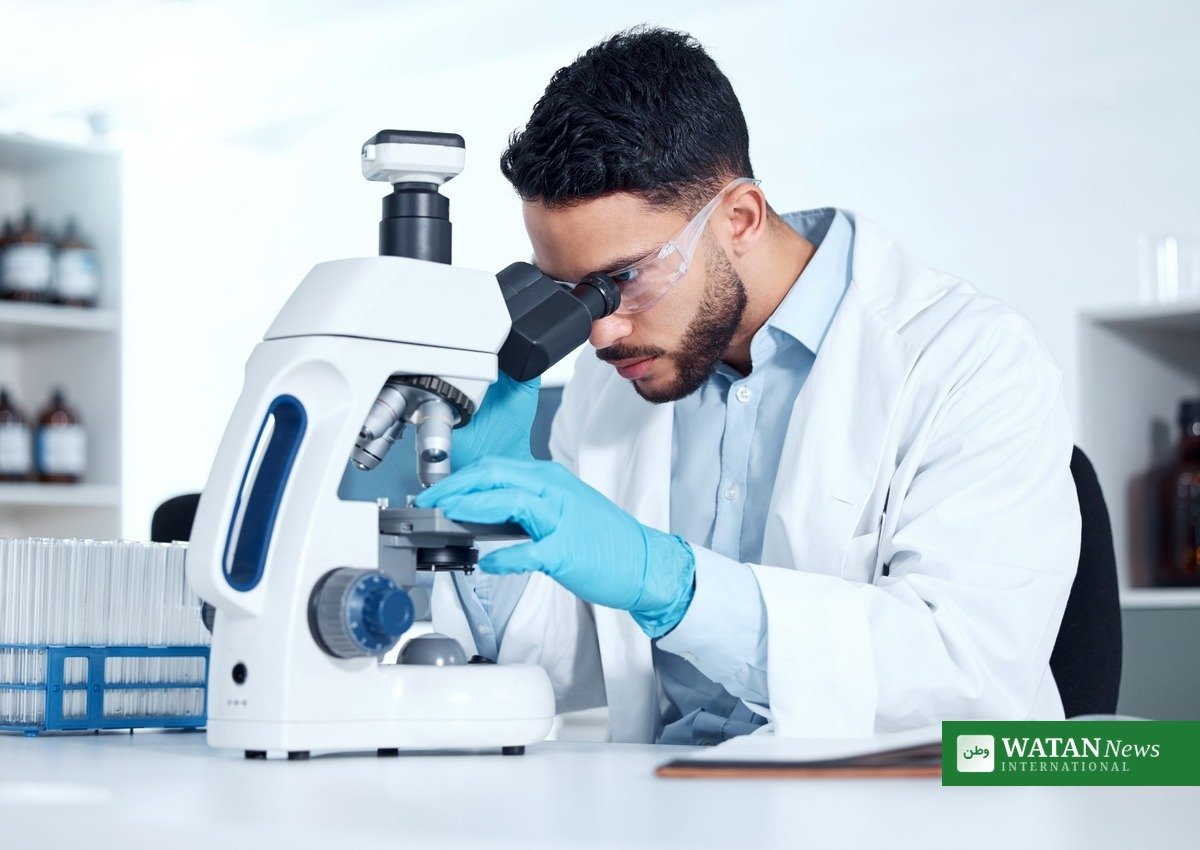
Doctors have treated a patient with viruses designed by artificial intelligence for the first time, marking a milestone in the search for new weapons against infections that no longer respond to antibiotics.
The experimental treatment was developed by San Francisco-based company Radical Numerics, whose AI model, Omnii-1, designed a cocktail of bacteriophages — viruses that attack bacteria but leave human cells untouched. It was given to a patient under a physician-led compassionate-use programme authorised by the United States Food and Drug Administration (FDA), after standard antibiotics and existing phage treatments had failed.
FAKTA
- What happened: the first clinical use of AI-designed bacteriophages in a human patient.
- Who: Radical Numerics, a San Francisco-based AI company, using its model Omnii-1.
- The patient: a person with an antibiotic-resistant E. coli infection, as reported by The New York Times.
- How it was tested: the phage cocktail was tried against bacteria taken from the patient in the laboratory, where it eliminated the resistant sample, before it was administered.
- Status: the report has not been peer-reviewed, and the treatment outcome has not been disclosed; a single case cannot prove safety or effectiveness.
How the AI designs its viruses
Traditional phage therapy means hunting through nature for a virus that attacks a patient’s exact bacterial strain. Omnii-1 takes a different route: it is a multimodal genome language model trained on measured interactions between phages and bacteria, and it edits parts of existing phages so they recognise and attach to the bacteria causing the infection.
In company tests against 37 previously unseen E. coli strains, Omnii-1 identified active phages for 91.4 percent of eligible strains using just two phages, outperforming two specialised prediction systems. Radical Numerics says the approach could cut the design process to a few days, allowing doctors to respond far more quickly to serious infections.
Why it matters — and why caution is needed
Antibiotic resistance is one of the greatest threats facing modern medicine. A 2024 study published in The Lancet projected that bacterial antimicrobial resistance could directly cause 39.1 million deaths worldwide between 2025 and 2050. When antibiotics fail, doctors are left with few options, and phage therapy is among the most promising alternatives — but matching the right phage to each patient has so far been slow and difficult.
Caution is essential. The company’s report has not been published in a scientific journal or independently peer-reviewed, and Radical Numerics has not disclosed the patient’s detailed diagnosis, clinical course or whether the infection was cleared, citing patient privacy. Doctors will need months of monitoring to confirm the infection does not return. Earlier AI phage research, including work by Stanford University and the Arc Institute with a model called Evo 2, had only ever destroyed bacteria in laboratory experiments — never before in a human patient.
If further studies confirm the approach, doctors could one day design personalised treatments within days rather than weeks. For now, this first patient is a proof of possibility, not yet a proven cure.
Author

usmanch0013@gmail.com
Related Posts

US Steps Up Alaska Senate Election Probe Days Before Midterms
- 0
- 497 words
Federal prosecutors in Alaska have intensified investigations into allegations over a second candidate named Dan Sullivan on the Senate ballot, days before...
Read out all
Maryam Golnaraghi Named Climate and Sustainability Champion of the Year 2026
- 0
- 854 words
Maryam Golnaraghi, Director of Climate Change and Environment at The Geneva Association, has been named Climate and Sustainability Champion of the Year...
Read out all
Poland Court Crisis: President Turns Plane Back as Tribunal Chief Suspended
- 0
- 703 words
Poland's president turned his plane back from Senegal after the Constitutional Tribunal's president was suspended, as police secured the court's Warsaw building...
Read out all
Essaouira Hosts Seventh International Climate Change Conference
- 0
- 700 words
The seventh International Conference on Climate Change brings researchers, officials and experts from 24 countries to Essaouira, Morocco, to turn climate finance,...
Read out all
Saudi Coalition Says It Downed Houthi Drones Over Medina and Eastern Region as Aden Palace Hit
- 0
- 715 words
The Saudi-led coalition said it downed a drone over the oil-rich Eastern Region early on Saturday after reporting a Houthi drone over...
Read out all
BASF Kids’ Lab Brings Hands-On Climate Lessons to 1,150 Hyderabad Schoolchildren
- 0
- 716 words
1,150 Hyderabad schoolchildren aged 8 to 12 are learning climate action hands-on at the BASF Kids' Lab, held 26-31 October 2026 with...
Read out all