- 0
- 808 words
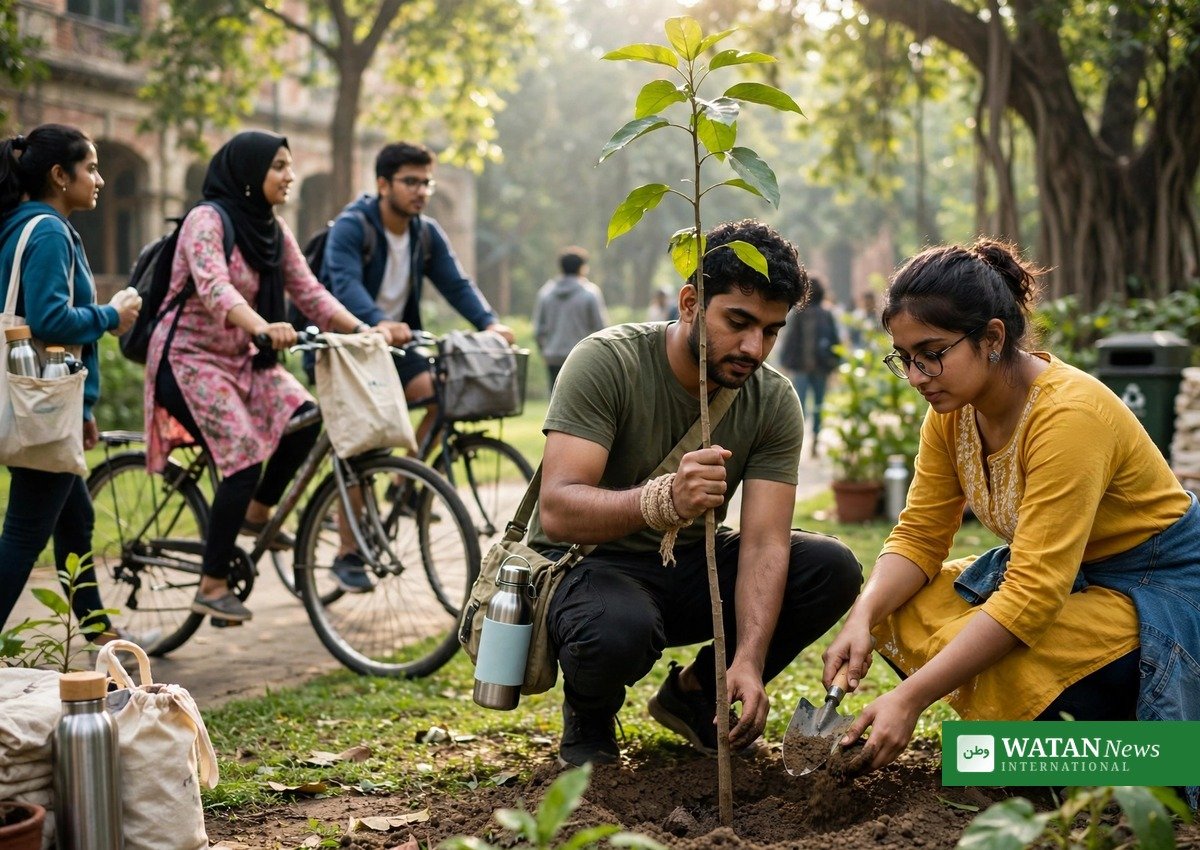
India’s universities and colleges begin a week of green campus action today, 1 November 2026, as the BRICS Sustainable Lifestyle Week 2026 opens across the country. The seven-day campaign, organised under Mission LiFE, asks students, teachers and staff to change small daily habits — from saving energy and water to refusing single-use plastics.
The University Grants Commission (UGC) issued a circular on 30 October 2026 inviting all universities and higher education institutions to take part between 1 and 7 November 2026. The campaign runs during India’s BRICS Chairship in 2026, and its day-wise plan comes from the Ministry of Environment, Forest and Climate Change.
Seven days, seven habits
Each day of the week carries one theme, so campuses can focus their activities and measure what they actually do. The plan moves from personal health to energy, water, food, plastics, electronic waste and finally waste in the wider community.
| Date | Theme | Suggested activities |
|---|---|---|
| 1 November | Adopt Healthy Lifestyles | LiFE pledge, walkathons, cyclothons, yoga, tree plantation and poster competitions |
| 2 November | Save Energy | Switching off non-essential appliances, energy conservation workshops and webinars |
| 3 November | Save Water | Water conservation awareness, repairing leaks, rainwater harvesting and poster competitions |
| 4 November | Adopt Sustainable Food Systems | Promoting millets and traditional diets, reducing food waste and composting |
| 5 November | Say No to Single-use Plastics | Plogging drives, reusable bags and bottles, plastic-free campus campaigns and sustainable fashion awareness |
| 6 November | Reduce E-waste | E-waste collection, repair and reuse awareness and authorised recycling |
| 7 November | Reduce Waste | Community clean-up drives, campus cleanliness activities and Waste to Art installations |
How colleges take part
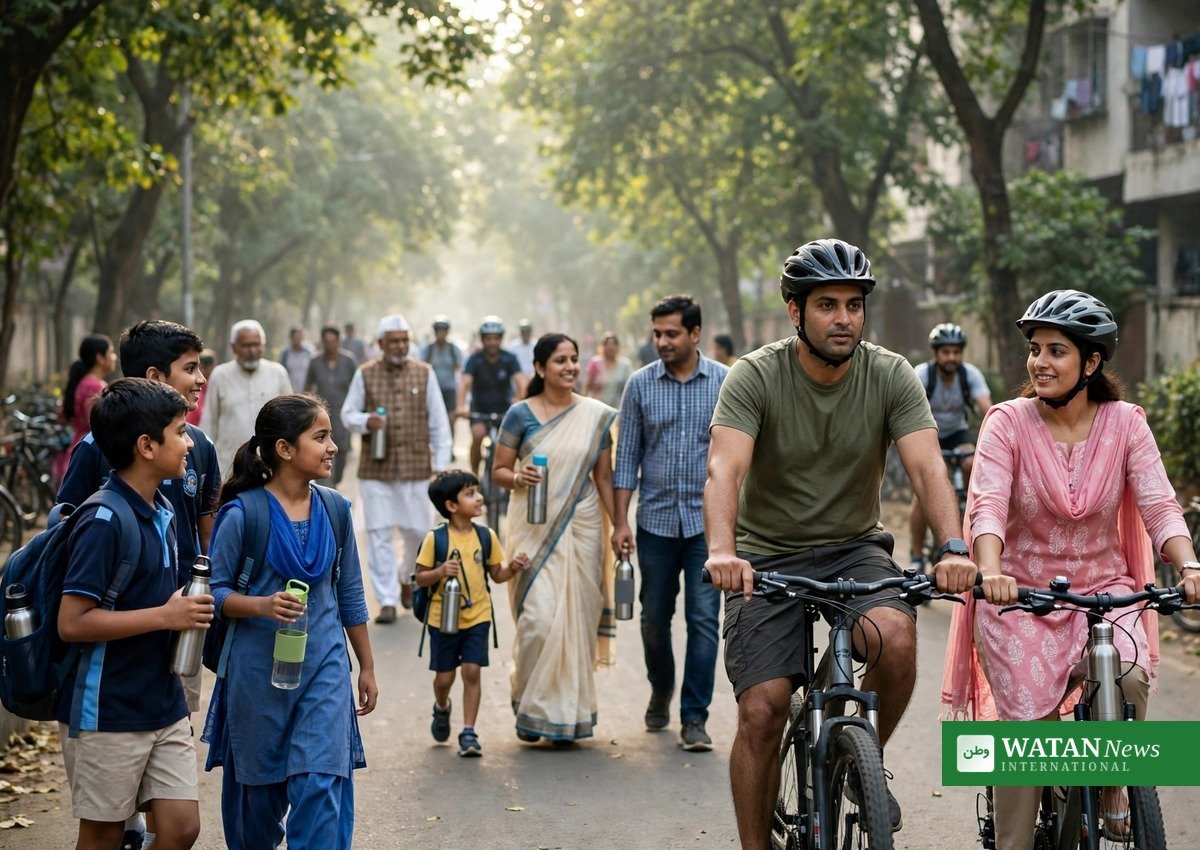
Institutions have been asked to involve all their departments and constituent units, and to draw in students, teachers, staff and representatives of industry and civil society. Participation is channelled through green clubs, eco-clubs, the National Service Scheme and the National Cadet Corps, according to the UGC communication reported by education outlets.
Each participating institution must nominate a nodal officer to register and upload its activities on the Ministry’s Meri LiFE portal. After the week ends, institutions must submit a short report on their activities and best practices through the same portal by 12 November 2026. The Ministry has also run daily online orientation sessions from 27 October to 7 November 2026, from 11 a.m. to 1 p.m. and from 3 p.m. to 5 p.m.
Beyond the campus gates
The week is not confined to campuses. In Jaipur, local reporting describes a free “Cyclothon for All” on 1 November, starting at 7 a.m. from the Rajasthan State Pollution Control Board office in Jhalana Doongri, organised with the state’s environment and climate change department. The ride is presented as a way to make cycling more visible in the city’s transport system — the same kind of everyday choice the campus week promotes.
Why small habits are the point
The campaign’s argument is deliberately practical: climate action is not only about summits and targets, but about the routines millions of people repeat every day. A switched-off appliance, a repaired gadget, a reusable bottle or a collected piece of electronic waste may look small alone, but multiplied across campuses and communities they change demand for energy, water and materials.
The timing adds weight. The week opens just days before COP31 meets in Antalya, Türkiye, from 9 to 20 November 2026, where governments will negotiate the next steps on climate action. Awareness weeks like this one are where those negotiations meet daily life — in classrooms, hostels and streets.
Related reading: Red Cross Takes Climate Awareness Door to Door in Borno, Nigeria
Key facts
- BRICS Sustainable Lifestyle Week 2026 runs from 1 to 7 November 2026 in India.
- It is organised under Mission LiFE, during India’s BRICS Chairship in 2026.
- The University Grants Commission issued its circular to higher education institutions on 30 October 2026.
- The Ministry of Environment, Forest and Climate Change set the seven daily themes.
- Activity reports must be submitted on the Meri LiFE portal by 12 November 2026.
Frequently asked questions
What is the BRICS Sustainable Lifestyle Week?
It is a seven-day awareness campaign, from 1 to 7 November 2026, that encourages students and academic communities in India to adopt environmentally responsible daily habits under Mission LiFE.
Who is taking part?
Universities and colleges across India, including their students, teachers and staff, along with departments, constituent units, eco-clubs, the National Service Scheme and the National Cadet Corps.
What are the seven daily themes?
Healthy lifestyles, saving energy, saving water, sustainable food systems, saying no to single-use plastics, reducing e-waste and reducing waste — one theme per day from 1 to 7 November.
How do institutions report their activities?
Each institution nominates a nodal officer to register and upload activities on the Meri LiFE portal, and must submit a short report on its activities and best practices by 12 November 2026.
Why does the week matter for climate action?
Because everyday choices about energy, water, food, plastics and waste add up across millions of people. The week tries to turn awareness into habits that continue after 7 November, just as COP31 prepares to meet in Antalya.
Author

usmanch0013@gmail.com
Related Posts

Nine Months On, DNA Tests Still Drive Search for Nancy Guthrie
- 0
- 483 words
Nine months after Nancy Guthrie vanished from her Arizona home, Pima County Sheriff Chris Nanos says investigators are still advancing DNA analysis,...
Read out all
MOP38 i Kigali: Ozon- og klimaforhandlinger vender tilbage til byen, hvor Kigali-ændringen blev født
- 0
- 996 words
MOP38 åbner i Kigali i Rwanda den 2. november 2026, ti år efter at byen gav verden Kigali-ændringen, med op mod 1.000...
Read out all
کیگالی میں ایم او پی 38: اوزون اور آب و ہوا کے مذاکرات دس سال بعد اسی شہر میں واپس
ایم او پی 38 کا اجلاس 2 نومبر 2026 کو روانڈا کے شہر کیگالی میں شروع ہو رہا ہے، جہاں دس سال...
Read out all
MOP38 in Kigali: Ozone and Climate Talks Return to the City That Gave the World the Kigali Amendment
- 0
- 997 words
MOP38 opens in Kigali, Rwanda, on 2 November 2026, ten years after the city gave the world the Kigali Amendment, with up...
Read out all
Germany Gen Z Protests Turn Violent as Frankfurt Shops Looted
- 0
- 838 words
Hooded rioters looted shops in Frankfurt late on Saturday as Germany Gen Z protests swept 34 cities, with police using water cannon...
Read out all
بھارت کے کالجوں میں برکس پائیدار طرز زندگی ہفتہ شروع: سات دن، سات سبز عادتیں
بھارت کی جامعات میں آج، یکم نومبر سے برکس پائیدار طرز زندگی ہفتہ 2026 شروع ہو رہا ہے، جس میں مشن لائف...
Read out all