- 0
- 838 words
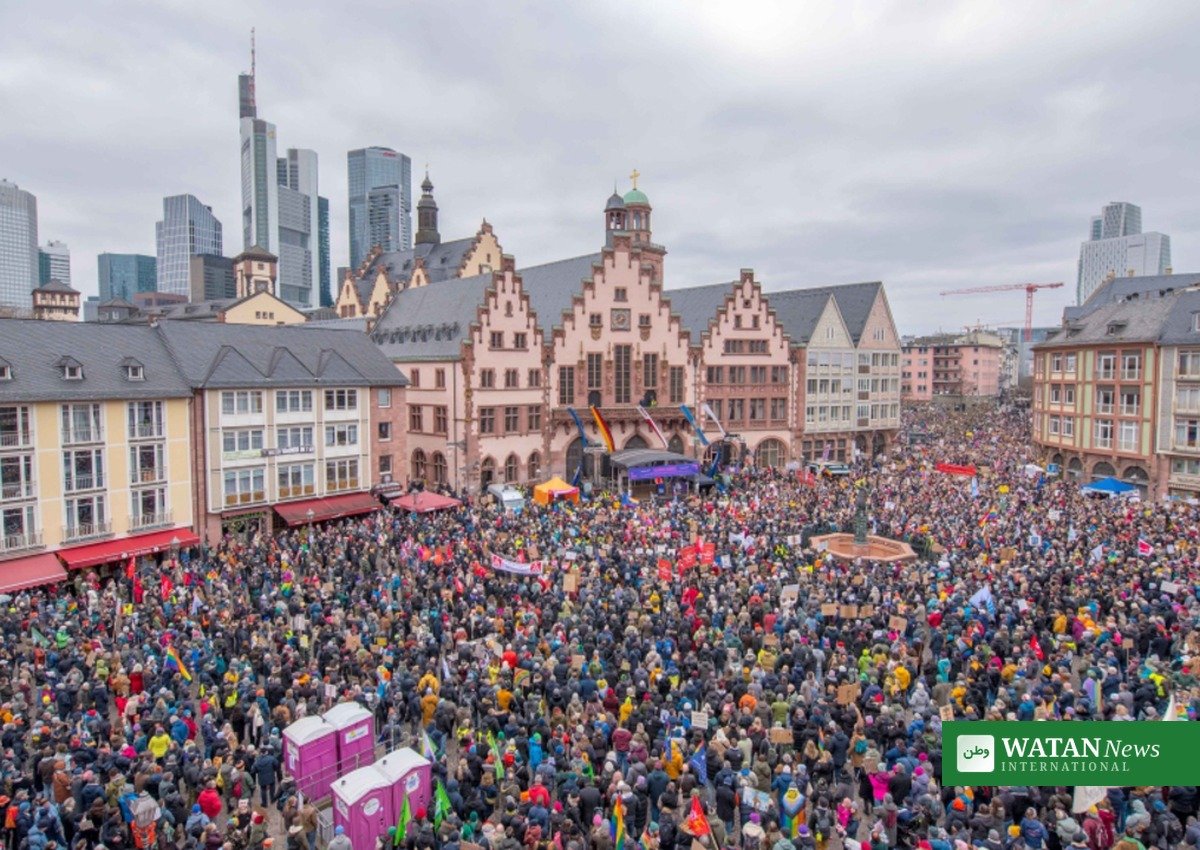
Hooded rioters looted shops in Frankfurt late on Saturday after tens of thousands of demonstrators took to the streets across Germany in the latest wave of Germany Gen Z protests over education funding, rising living costs and compulsory military service.
The demonstrations, organised by the campaign group “Gen Z regelt” — “Gen Z takes charge” — were held in 34 cities, including Berlin, Frankfurt and Munich. While most rallies remained peaceful during the day, violence broke out in several cities as evening fell, with Frankfurt the worst affected.
FAKTA
- When: Saturday, 31 October 2026, with violence escalating in the evening.
- Where: 34 German cities, including Berlin, Frankfurt, Munich, Hamburg, Cologne and Stuttgart.
- Organiser: The youth campaign group “Gen Z regelt” (“Gen Z takes charge”).
- Demands: Better education funding, lower living costs, more health and housing investment, and opposition to compulsory military service.
- Frankfurt: At least two shops looted and several more damaged; windows smashed, petrol bombs thrown at emergency workers, and a large section of the main shopping street closed by police.
- Turnout: Police in Frankfurt, Munich and Berlin reported as many as 18,000 protesters, below the 182,000 organisers had initially expected nationwide.
What happened in Frankfurt
In Frankfurt, Germany’s financial hub, at least two stores were looted as protests turned violent, with several more damaged and police struggling to gain control of the city centre, according to a Reuters witness.
Frankfurt police said in a post on X: “Violent disturbances are continuing. In the city centre, windows have been smashed at several shops. Molotov cocktails are also being thrown at the emergency services. We urge all bystanders to avoid the city centre or to leave the area.”
Police used water cannon and pepper spray against demonstrators who threw stones, fireworks and petrol bombs at security personnel and emergency workers. Several police officers were injured, according to reports from the scene.
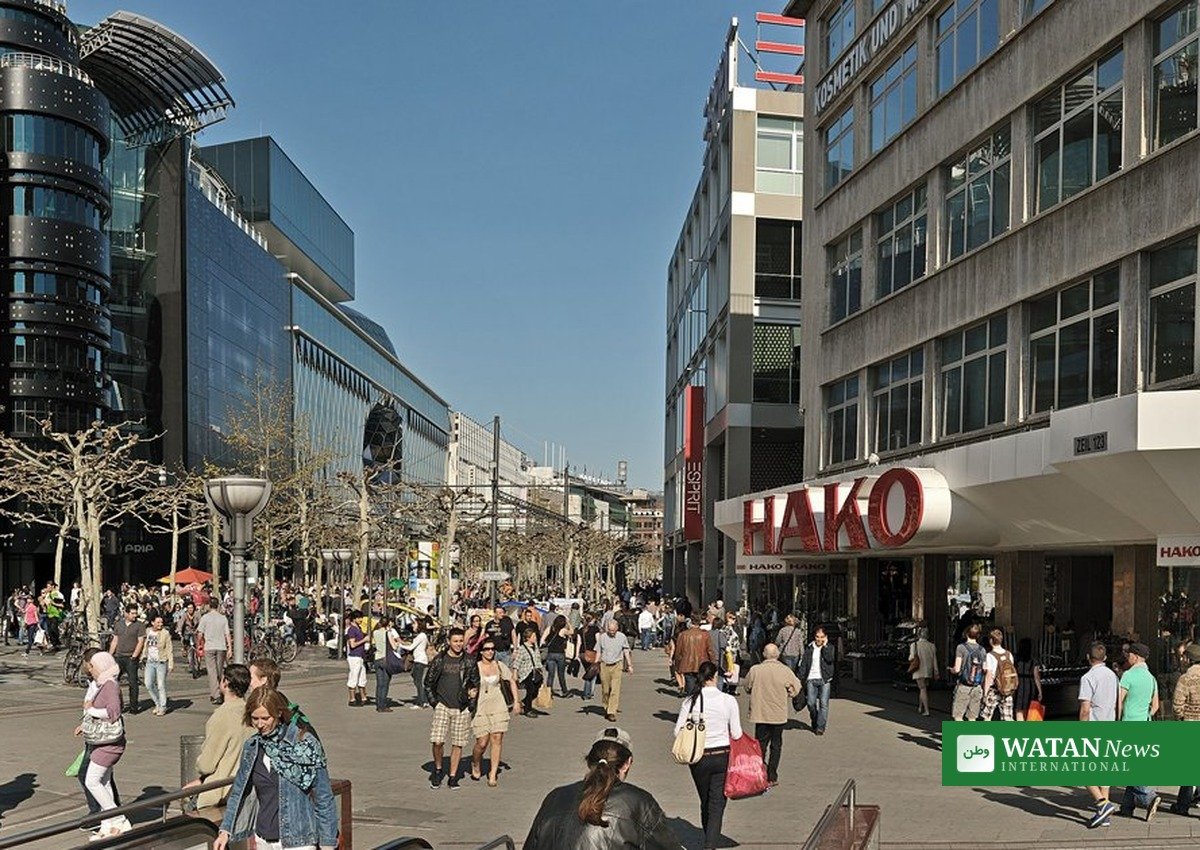
A gun shop was among the businesses targeted, with its windows smashed. Police said they arrested a suspect and seized two weapons. A trainer shop and a perfume store were also targeted, according to the Bild newspaper. A large section of Frankfurt’s main shopping street was closed off as police vans and riot police stopped people from entering the area.
Germany Gen Z protests spread across 34 cities
Violence was not confined to Frankfurt. In Hamburg, some barricades were set on fire, while in Berlin protesters threw bottles and eggs, and police used pepper spray in some places, Bild reported. Incidents of violence were also reported in Cologne.
Official figures on Saturday afternoon suggested turnout was below the 182,000 participants organisers had initially expected. Police in Frankfurt, Munich and Berlin reported as many as 18,000 protesters, about half the figure listed on the organisers’ website for those cities.
Some businesses across German cities had boarded up windows and planned early closures ahead of the demonstrations because of concerns over possible unrest, including along Berlin’s luxury Kurfürstendamm shopping boulevard.
What the protesters are demanding
The campaign has brought together young people opposed to compulsory military service and calling for more investment in education, healthcare and other public services. Many say they are struggling to cope with the rising cost of living in Europe’s largest economy.
“We are here today to fight for peace and freedom, rather than for war and coercion,” Gen Z regelt spokesperson Lina Friedrich said in Berlin on Saturday. “What matters most to us is better support for the health and education systems. We are against compulsory military service and we are in favour of a fairer distribution of the burden.”
Germany has struggled to revive economic growth, and the country also faces growing pressure on pensions and public services as baby boomers retire and the working-age population shrinks.
Authorities warn of extremist infiltration
German authorities said Saturday’s demonstrations had been largely peaceful but warned of attempts by extremist groups to exploit the movement. The federal interior ministry said parts of Germany’s far-left extremist scene and some groups linked to foreign extremist movements had joined efforts to mobilise support around the demonstrations.
Roman Poseck, interior minister of the state of Hesse, whose capital is Frankfurt, said around 100 clearly identified left-wing extremists had infiltrated the protest in Frankfurt. “It is shameful how this event here in Frankfurt has ended,” he said, adding: “We all have those images from France in our minds — looting, burning houses, burning police vehicles, and attacks on police officers. France must not be held up as a model in this regard.”
Germany’s national school student umbrella organisation, BSK, has distanced itself from the initiative and plans to hold a separate day of protest on 20 November.
A wider European wave
The unrest in Germany follows similar youth-led mass protests in France, where more than 320,000 people also demonstrated on Saturday, and a wider wave of Gen Z-led demonstrations across Europe this year. For more of Watan News’ coverage from across the continent, see our Europe news section.
Author

usmanch0013@gmail.com
Related Posts

Nine Months On, DNA Tests Still Drive Search for Nancy Guthrie
- 0
- 483 words
Nine months after Nancy Guthrie vanished from her Arizona home, Pima County Sheriff Chris Nanos says investigators are still advancing DNA analysis,...
Read out all
MOP38 in Kigali: Ozone and Climate Talks Return to the City That Gave the World the Kigali Amendment
- 0
- 997 words
MOP38 opens in Kigali, Rwanda, on 2 November 2026, ten years after the city gave the world the Kigali Amendment, with up...
Read out all
India’s Colleges Begin BRICS Sustainable Lifestyle Week: Seven Days, Seven Green Habits
- 0
- 808 words
India's universities begin BRICS Sustainable Lifestyle Week 2026 today, 1 November, with seven daily themes on healthy lifestyles, energy, water, food, plastics,...
Read out all
Taiwan Accuses China of Harassing Shipping in Latest East Coast Patrol
- 0
- 544 words
Taiwan says China's coast guard harassed shipping in its latest patrol off Taiwan's east coast, sending its own ships to monitor the...
Read out all
€32,000 Youth Climate Grant Opens for EU Groups to Coordinate Young Voices Ahead of COP32
- 0
- 1,118 word
Generation Climate Europe has opened a €32,000 youth climate grant for one youth-led organisation to coordinate young voices across Europe ahead of...
Read out all
UN Rights Chief Demands Probe After UN Staff Member Dies in Houthi Custody
- 0
- 728 words
UN human rights chief Volker Türk has demanded an independent investigation after Mohammad el Shami, a UN Human Rights Office staff member...
Read out all