- 0
- 1,063 word
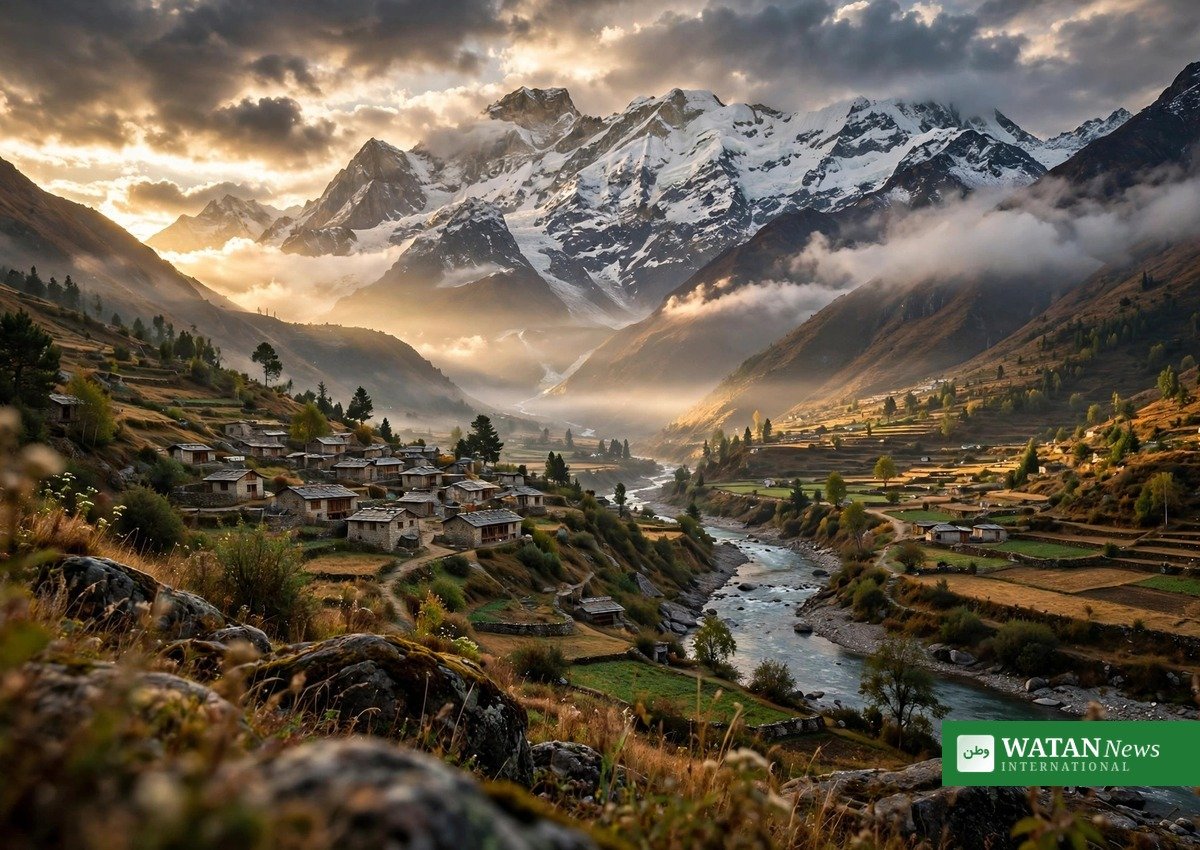
Nepal and Bhutan have jointly proposed a dedicated Himalayan climate agenda at COP31, asking the United Nations climate conference to give mountain regions a formal place of their own in the talks. The proposal, announced on 31 October 2026, carries the title “1.5-Degree Temperature Rise in the Himalayan Region” and will go before the conference in Antalya, Türkiye, from 9 to 20 November 2026.
According to a statement from the secretariat of Nepal’s Minister for Agriculture, Forests and Environment, the two countries submitted the joint proposal to draw greater international attention to the mounting climate risks facing mountain ecosystems and communities. Nepal’s Minister for Agriculture, Forests and Environment, Geeta Chaudhary, submitted the proposal on behalf of both countries under Rule 12 of the conference’s draft rules of procedure.
What Nepal and Bhutan proposed
The proposal asks for a separate agenda item on temperature rise in the Himalayan region. It is a bid for recognition: the two countries argue that the specific climate challenges of the Himalayas are not adequately captured when mountain concerns are folded into broader talks on adaptation, finance and loss and damage.
The proposal states that rising temperatures in the region are accelerating glacier melt, increasing water insecurity and exposing communities to extreme weather events, and that these changes pose risks of irreversible damage to Himalayan ecosystems and the communities that depend on them.
Why the Himalayas matter far beyond the mountains
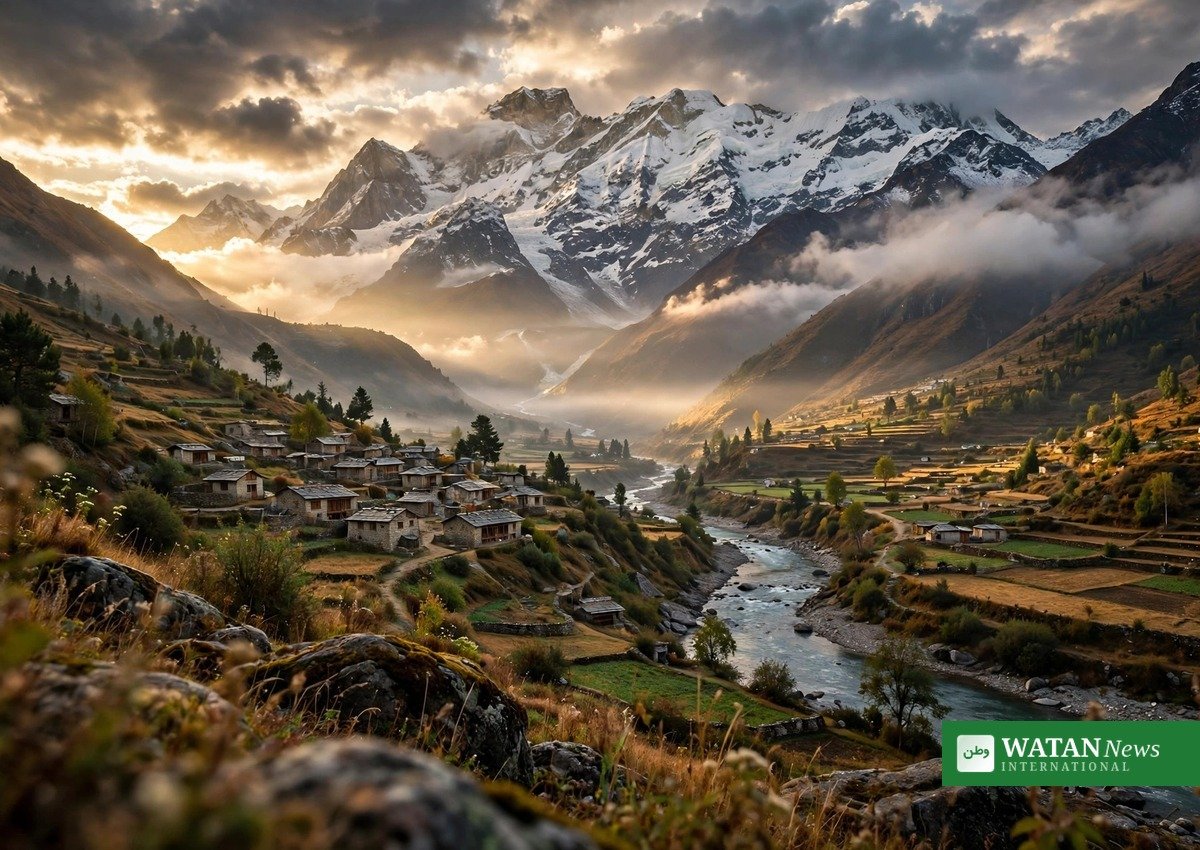
The case made in the proposal reaches well beyond Nepal and Bhutan. Rivers originating in the Himalayas provide water, food and energy to more than two billion people living downstream, according to the proposal, while the Himalayas contain nearly half of the world’s important biodiversity areas.
That scale is central to the two countries’ argument: a region that sustains such a large share of humanity’s water and food systems, and such a concentration of biodiversity, should have its own standing item on the climate agenda rather than being treated as a footnote to other negotiations.
The Himalayan climate agenda COP31 proposal: what it asks for
Under the proposal, Nepal and Bhutan have called for scientific studies on temperature rise in the Himalayan region and on the implications of exceeding temperature targets. They have also proposed an annual high-level dialogue on mountains and climate change, along with the initiation of a process to develop an action plan for Himalayan ecosystems under the United Nations Framework Convention on Climate Change (UNFCCC).
The countries have further called for the priorities of mountain regions to be incorporated into international discussions on climate adaptation, climate finance, and loss and damage — the three areas where mountain communities most need support, and where, the proposal implies, their needs are currently least visible.
The disasters behind the proposal
The proposal highlights the economic consequences of climate-related disasters, citing the devastating floods in Nepal’s Bhotekoshi and Trishuli river systems on 26 August 2026, triggered by an avalanche damming a river. The floods caused an estimated 2.7 billion US dollars in damage, while recovery and reconstruction are expected to require 4.7 billion dollars, according to a Rapid Disaster Needs Assessment report prepared by the Nepali government.
Climate-related disasters have also affected Bhutan. A flash flood on Thursday night, triggered by the bursting of the Shintaphu glacial lake, washed away infrastructure at the Gasa Tshachu natural hot springs, according to reports carried by IANS. No casualties had been reported as of Friday.
What happens in Antalya
COP31, the 31st Conference of the Parties to the UNFCCC, takes place in Antalya from 9 to 20 November 2026. The Himalayan proposal now goes to the conference as an agenda item for the parties to take up, one week before the talks open.
For Watan News readers following COP31, this proposal is one of the clearest tests of whether the Antalya talks will give vulnerable regions a stronger voice: it asks not for a new pledge, but for a permanent place on the agenda where mountain concerns can be raised year after year. Related COP31 coverage: Congo Basin voice at COP31 as Türkiye courts Congo ahead of Antalya.
Key facts
- Who: Nepal and Bhutan, jointly; submitted by Nepal’s Minister for Agriculture, Forests and Environment, Geeta Chaudhary.
- What: A proposed COP31 agenda item titled “1.5-Degree Temperature Rise in the Himalayan Region”.
- How: Submitted under Rule 12 of the conference’s draft rules of procedure; announced 31 October 2026.
- Where and when: COP31, Antalya, Türkiye, 9–20 November 2026.
- Asks: Scientific studies on Himalayan temperature rise; an annual high-level dialogue on mountains and climate change; a process to develop a Himalayan ecosystems action plan under the UNFCCC; mountain priorities in adaptation, finance and loss and damage talks.
- Why now: The 26 August 2026 Bhotekoshi and Trishuli floods in Nepal (2.7 billion dollars in damage, 4.7 billion dollars needed for recovery) and the Shintaphu glacial lake outburst flood in Bhutan.
- Scale: Himalayan rivers provide water, food and energy to more than two billion people downstream, according to the proposal.
Frequently asked questions
What exactly have Nepal and Bhutan proposed at COP31?
They have jointly proposed a dedicated agenda item titled “1.5-Degree Temperature Rise in the Himalayan Region” for COP31 in Antalya, so that mountain-specific climate risks are discussed as a subject in their own right rather than only inside broader negotiations.
Who submitted the proposal, and under what rule?
Nepal’s Minister for Agriculture, Forests and Environment, Geeta Chaudhary, submitted the proposal on behalf of both countries under Rule 12 of the conference’s draft rules of procedure, according to her secretariat’s statement of 31 October 2026.
Why do the two countries say the Himalayas need their own agenda item?
They argue that rising temperatures are accelerating glacier melt, increasing water insecurity and exposing mountain communities to extreme weather, with risks of irreversible damage to ecosystems — while Himalayan rivers sustain more than two billion people downstream.
What disasters prompted the proposal?
The proposal cites the devastating floods in Nepal’s Bhotekoshi and Trishuli river systems on 26 August 2026, which caused an estimated 2.7 billion dollars in damage, and a glacial lake outburst flood in Bhutan that washed away infrastructure at the Gasa Tshachu hot springs.
When and where is COP31?
COP31, the 31st Conference of the Parties to the UN Framework Convention on Climate Change, takes place in Antalya, Türkiye, from 9 to 20 November 2026.
Source: IANS, 31 October 2026, reporting the statement from the secretariat of Nepal’s Minister for Agriculture, Forests and Environment; the same account was carried by Asian Lite and NewKerala.
Author

usmanch0013@gmail.com
Related Posts

København starter separat genbrug af brugte bleer for at mindske affaldsforbrænding
- 0
- 826 words
København er begyndt at indsamle brugte bleer separat i stedet for at sende dem til forbrænding, med et særligt genbrugsanlæg i Hvidovre...
Read out all
کوپن ہیگن میں استعمال شدہ ڈائپروں کی الگ ری سائیکلنگ شروع
کوپن ہیگن نے استعمال شدہ ڈائپروں کو جلانے کے بجائے الگ جمع کرنا شروع کر دیا ہے، ہوویڈوورے میں مخصوص ری سائیکلنگ...
Read out all
Copenhagen Starts Separate Nappy Recycling in Bid to Cut Waste Burning
- 0
- 836 words
Copenhagen has started collecting used nappies separately instead of sending them for incineration, with a dedicated recycling plant due to open in...
Read out all
Sudan’s Power Grid Nears Collapse as Drone Strikes Hit Northern Stations
- 0
- 566 words
Drone strikes have knocked out power substations in the northern Sudanese towns of Al-Dabbah and Abu Hamad, pushing Sudan's power grid towards...
Read out all
Nepal og Bhutan ønsker særlig Himalaya-klimadagsorden ved COP31
- 0
- 1,033 word
Nepal og Bhutan har i fællesskab foreslået et særligt COP31-dagsordenspunkt om temperaturstigningen i Himalaya med krav om videnskabelige undersøgelser, en årlig bjergdialog...
Read out all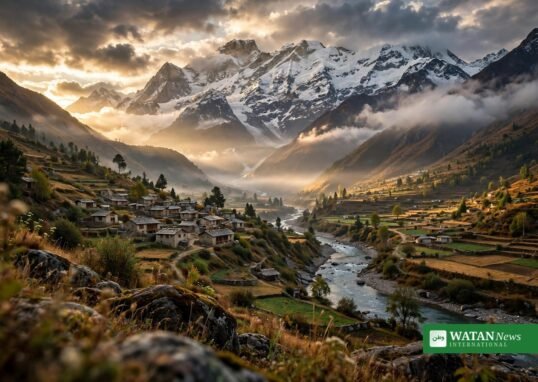
نیپال اور بھوٹان کا کاپ31 میں ہمالیائی موسمیاتی ایجنڈے کا مطالبہ
نیپال اور بھوٹان نے مشترکہ طور پر کاپ31 میں ہمالیائی درجہ حرارت میں اضافے پر مخصوص ایجنڈا آئٹم تجویز کیا ہے، جس...
Read out all