- 0
- 711 words
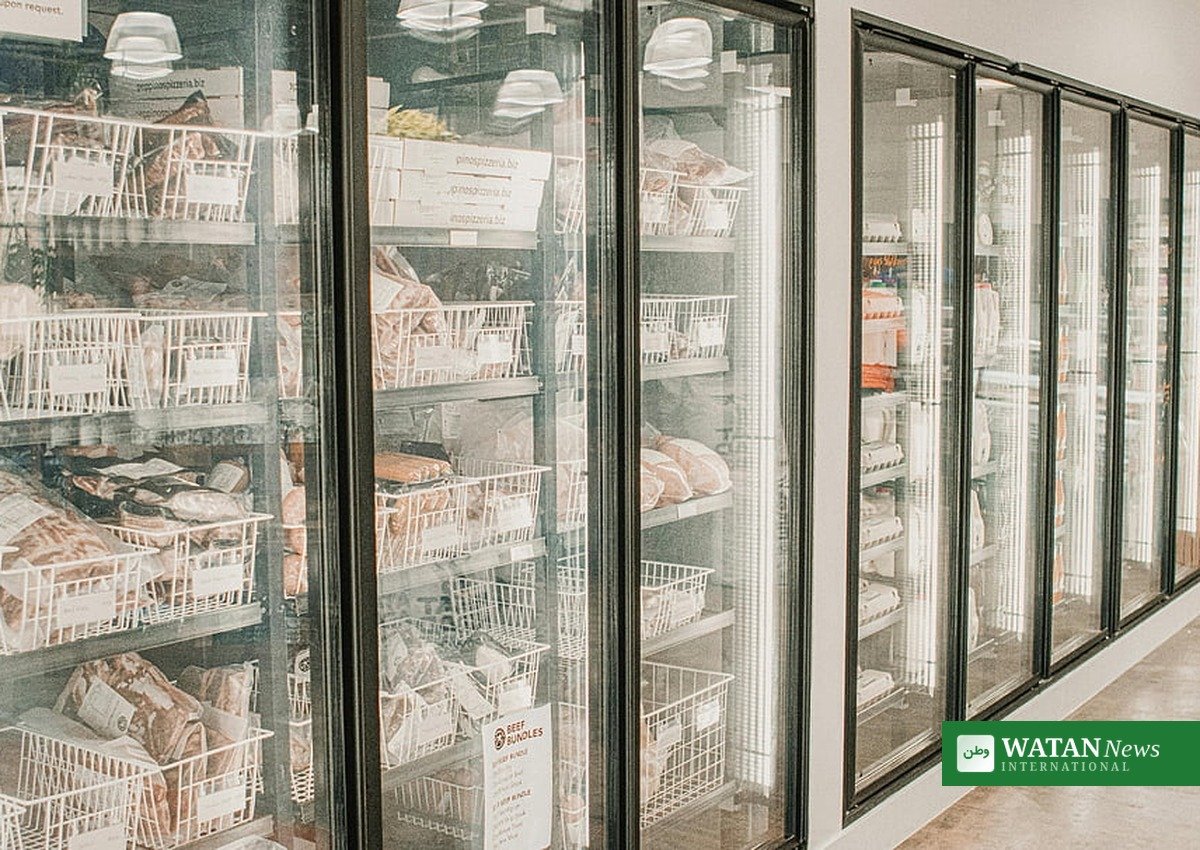
Dozens of supermarkets across seven European countries have been hit by a suspected cyber-attack that switched off their refrigeration, spoiling millions of euros worth of food, the BBC reported on Monday. The supermarket freezer cyberattack struck stores in Belgium, Luxembourg, Sweden, Ireland, the Netherlands, Estonia and Finland overnight, with around 40 Delhaize supermarkets in Belgium and Luxembourg the worst affected.
Belgian refrigeration company Sabcobel, which operates systems for Delhaize, said the affected units had their evaporators switched into defrost mode, causing them to warm up. Freezer temperatures in several shops reportedly rose to as high as 50C (122F), and it is unclear who is behind the apparent attack.
FAKTA
- Supermarkets in seven European countries — Belgium, Luxembourg, Sweden, Ireland, the Netherlands, Estonia and Finland — were hit overnight.
- Around 40 Delhaize supermarkets in Belgium and Luxembourg were affected, plus smaller numbers of shops elsewhere.
- Sabcobel says the units’ evaporators were switched into defrost mode, warming them up — the same method believed used in an attack on hundreds of French supermarkets in early October.
- Freezer temperatures reportedly rose to as high as 50C, and millions of euros worth of food had to be thrown away.
- Belgium’s and Sweden’s national cyber-security agencies are monitoring the incident; the UK’s National Cyber Security Centre says no incidents have been reported in the UK.
- It is unclear who is behind the apparent attack.
How the supermarket freezer cyberattack unfolded
Sabcobel chief executive Stephan Moelans told the Belga news agency that the incident was a cyber-attack, and that the company had been working all night and morning to disconnect the affected units from the network. He said that since the French attack in early October, the company had been working to protect customers’ fridges against the vulnerability, but that physical modifications, not just software updates, were needed.
Most supermarkets across Europe are linked to the internet, allowing maintenance and troubleshooting to be done remotely. Moelans said the simplest solution is to manage fridges over a secure internet connection, and that most customers switched to that after the attack in France.
Stores hit across Europe
In Belgium, a Delhaize branch in Hoeilaart, Flanders, told Het Laatste Nieuws it had lost 100,000 euros worth of produce, not counting further losses from closing the shop. Carrefour said the incident affected only 15 of its Belgian stores and that all its shops remained open, while the Colruyt Group told Reuters that five Spar shops had their fridge systems attacked.
In Sweden, several ICA and Coop shops were hit. An ICA branch in Sjobo, in the south of the country, wrote on social media that its refrigerators and freezers had been hacked overnight and set to 50 degrees; the store closed earlier but has since reopened. Coop said seven of its 800 stores were affected but that the situation was contained and under control.
In Ireland, 13 SuperValu supermarkets were affected. The Musgrave Group, which owns the chain, confirmed to The Irish Times that a cyber incident had affected refrigeration systems, but said the effect was limited to one specific model of refrigerator.
In the Netherlands, Danish manufacturer Danfoss told Dutch public radio NOS that the freezing and cooling systems of at least 17 companies had been attacked overnight, including butcher shops and small local stores. In Estonia, a Selver supermarket was affected, with reports of other companies hit as well, according to public broadcaster ERR. In Finland, refrigerator malfunctions were detected in some K-stores, whose owner Kesko said its security experts were investigating the cause, according to Helsingin Sanomat.
Echoes of the French supermarket attack
The incident follows a similar attack in early October in which hackers seized control of cooling units at hundreds of French supermarkets, remotely overriding settings on thousands of freezers, fridges and chiller cabinets. That attack prompted a formal investigation by the Paris prosecutor’s office, and France’s national cyber-security agency was instructed to investigate.
Belgium’s and Sweden’s national cyber-security agencies said they were monitoring the latest incident. The UK’s National Cyber Security Centre said it was working with international partners and industry to fully understand details of an incident, while confirming that no incidents had been reported in the UK.
More technology news is available on Watan News’ technology pages.
Author

usmanch0013@gmail.com
Related Posts

ADNOC and OpenAI Strike Deal to Deploy Frontier AI Across Energy Operations
- 0
- 495 words
ADNOC, G42 and OpenAI have signed a multi-year deal at ADIPEC in Abu Dhabi to deploy OpenAI's frontier AI across the energy...
Read out all
Russia Leaves Europe’s Anti-Torture Convention, Ending Independent Prison Monitoring
- 0
- 479 words
Russia's withdrawal from the European anti-torture convention took effect on 1 November 2026, ending nearly 30 years of independent inspections of its...
Read out all
Antonelli Becomes Youngest Formula 1 World Champion With Mexico Podium
- 0
- 661 words
Kimi Antonelli, 20, finished third at the Mexico City Grand Prix to clinch the 2026 Formula 1 title, becoming the youngest world...
Read out all
Bharat Renewable Energy Summit 2026 Opens in New Delhi
- 0
- 737 words
The Bharat Renewable Energy Summit and Expo 2026 opens in New Delhi on 2 November, bringing participants from more than 130 countries...
Read out all
2026 State of the Climate Report: Seven Vital Signs at Record Extremes
- 0
- 847 words
The 2026 State of the Climate report finds seven of 16 planetary vital signs at record extremes, with carbon dioxide above 428...
Read out all
Fresh Violence in Manipur Leaves Five Dead as Tensions Flare Again
- 0
- 495 words
Five Kuki men were killed in two separate incidents in India's Manipur state over the weekend, police said, as fresh ethnic violence...
Read out all