- 0
- 551 words
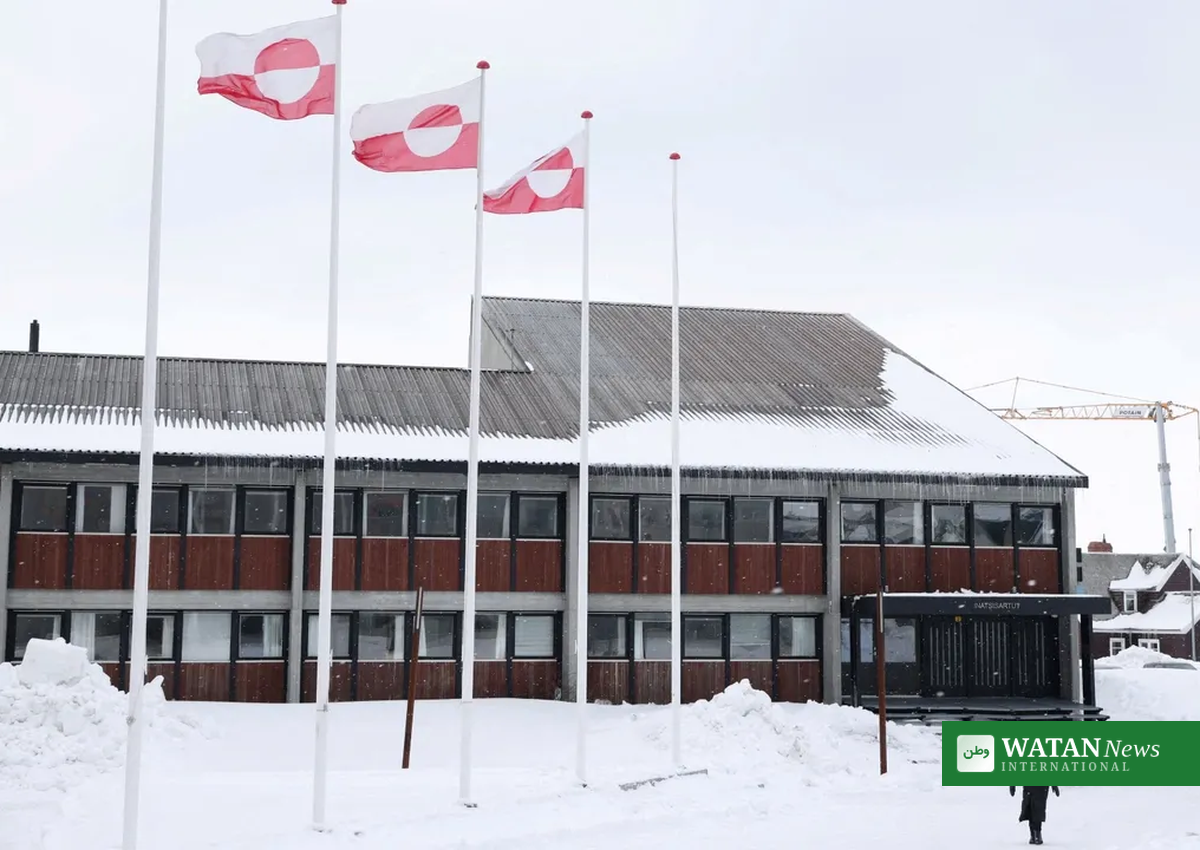
Greenland’s parliament is set to ratify on Tuesday the Arctic island’s security agreement with the United States, a deal struck with US President Donald Trump that expands the American military role in Greenland while reaffirming Danish sovereignty and Greenlanders’ right to self-determination.
A majority of lawmakers signalled support for the agreement in a first debate last month, and the parliament in Nuuk, known as Inatsisartut, is expected to give the Greenland US security deal final approval on Tuesday, according to Reuters.
FAKTA: Greenland US security deal
- What is happening: Greenland’s parliament, Inatsisartut, is set to ratify the US–Denmark–Greenland security agreement on Tuesday, 3 November 2026.
- What the deal does: It expands the US military role in Greenland, paving the way for two new military bases and President Trump’s “Golden Dome” missile defence system.
- What it does not change: The agreement reaffirms Danish sovereignty and Greenlanders’ right to self-determination; Greenland remains a self-governing territory within the Kingdom of Denmark.
- What happens next: Denmark’s parliament is due to give the bill a first reading on 11 November, followed by a second reading and a vote on 19 November.
- When it takes effect: The executive agreement will enter into force once Denmark and Greenland have ratified it; it does not require approval from the US Senate.
An agreement signed after months of tension
The United States, Denmark and Greenland signed the agreement in September, after months in which President Trump repeatedly raised the prospect of the United States taking control of the strategically located and mineral-rich island. The deal was aimed at ending those tensions, Reuters reported.
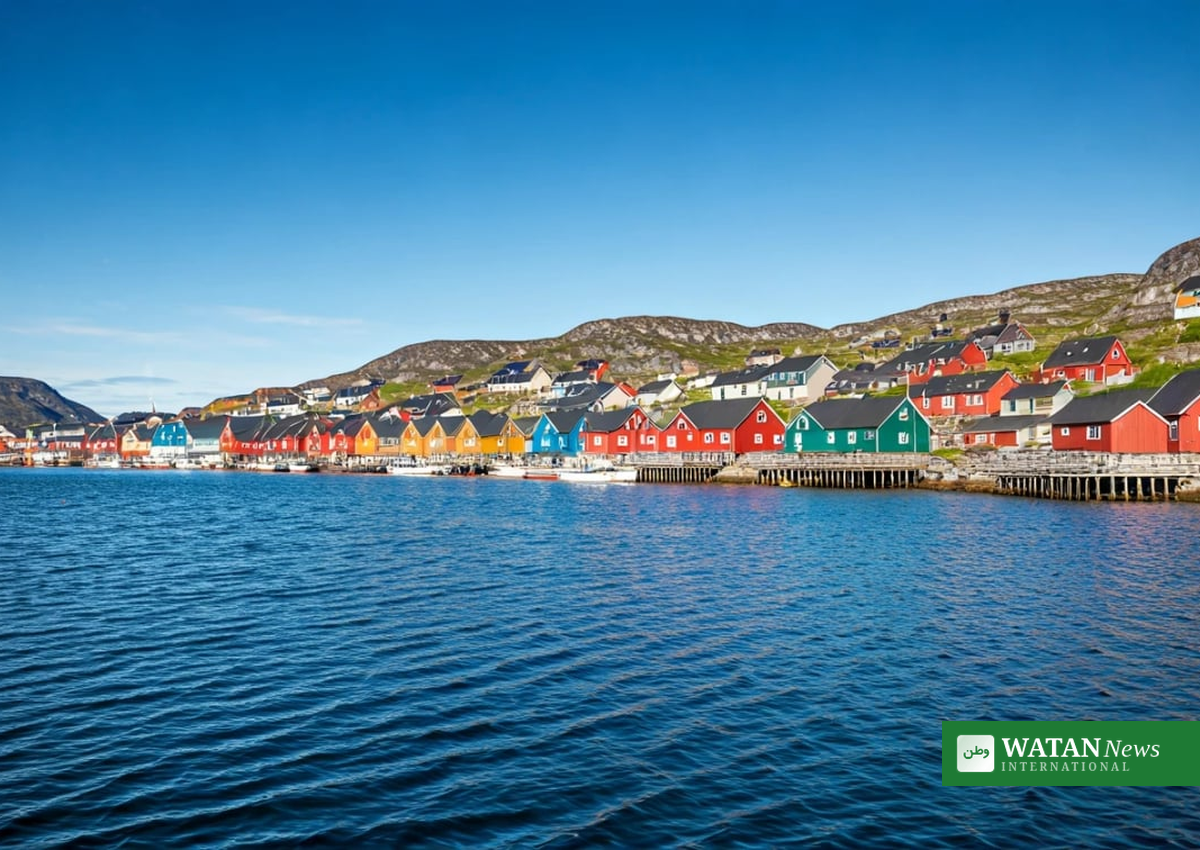
Under the agreement, the American footprint would grow beyond Pituffik Space Base, the installation the United States has held since the Cold War. Reports on the agreement have named the new defence areas as Narsarsuaq, a former airbase in the south, and Mestersvig on the east coast, a site Danish forces use now.
“A difficult road”, says Greenland’s foreign minister
Greenlandic Foreign Minister Mute Egede said the ratification was another important step for the island. In a post on Facebook quoted by Reuters, he wrote: “The road to this point has been a difficult one for us as a people. But we have stood firm on our fundamental principles, chosen dialogue and taken responsibility for our country’s interests.”
“This is about all of us. The Greenland we love. About our security. And about our right to shape our own future,” he added.
What happens next in Copenhagen
Ratification in Nuuk is only one half of the process. Denmark’s parliament, the Folketing, is due to give the bill a first reading on 11 November, followed by a second reading and a vote on 19 November. The executive agreement will enter into force once both Denmark and Greenland have ratified it, and it does not require approval from the US Senate.
Greenland has run its own affairs under self-government arrangements since 2009, while Copenhagen retains authority over foreign, defence and security policy. The agreement leaves that constitutional position unchanged, according to the Danish and Greenlandic governments’ reading of the deal.
For more news from the region, see Europe news on Watan News.
Author

usmanch0013@gmail.com
Related Posts

Climate Media Awards 2026 Open Entries for African Food and Farming Stories
- 0
- 848 words
Entries have opened for the 2026 Climate Media Awards, celebrating African reporting on how communities grow, share and source food in a...
Read out all
Enfield Trials Recycled Caddies in 1,000 Homes to Boost Food Waste Recycling
- 0
- 943 words
Enfield Council has launched a food waste recycling trial in around 1,000 homes, using kitchen caddies made from recycled plastic collected in...
Read out all
At Least Eight Security Personnel Killed in Zamfara Police Ambush
- 0
- 404 words
At least eight security personnel were killed when attackers ambushed a police convoy in Nigeria's northwestern Zamfara state on Tuesday, local vigilante...
Read out all
Swedish Lawmakers Reject Second Bid to End Government Deadlock
- 0
- 498 words
Sweden's parliament rejected Centre Party leader Elisabeth Thand Ringqvist as prime minister on Tuesday, the second failed ballot since September's election, leaving...
Read out all
Tenerife Striker Jesus de Miguel Dies Aged 30 After On-Pitch Collision
- 0
- 690 words
CD Tenerife striker Jesus de Miguel has died aged 30, a day after suffering a cardiac arrest following a collision with FC...
Read out all
Clashes Near Kyiv After Reports of Soldiers Held at Recruitment House
- 0
- 494 words
Clashes broke out in Petropavlivska Borshchahivka, near Kyiv, after residents gathered outside a private house where servicemen were reportedly being held, prompting...
Read out all