- 0
- 999 words
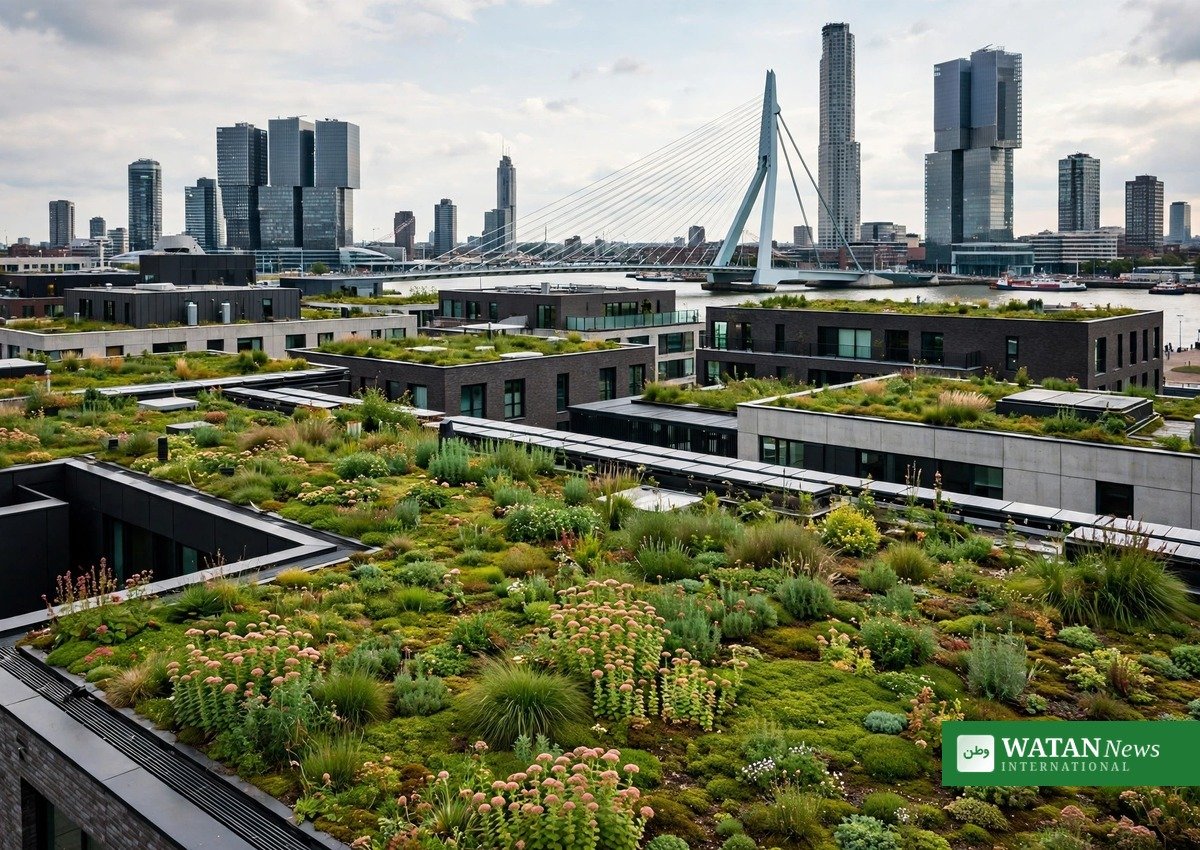
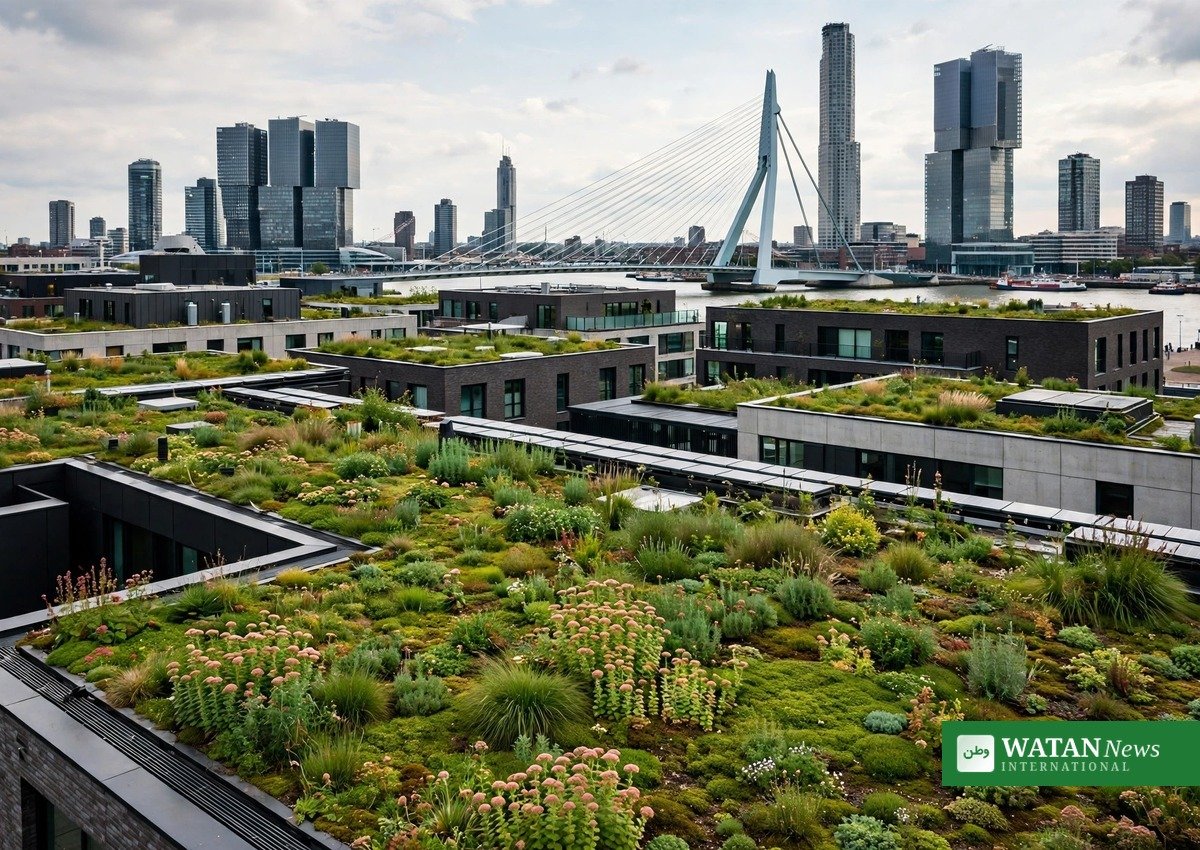
The Netherlands has opened its National Climate Week with a striking local milestone: Rotterdam now counts a record 62.6 hectares of green roofs, an area equal to about 88 football pitches, as hundreds of public activities across the country invite residents to take practical steps on climate change.
National Climate Week runs from 2 to 8 November 2026. According to the programme, this is the sixth edition of the nationwide week, coordinated by Klimaatstichting HIER, with more than 700 activities organised across the Netherlands. Rotterdam councillor for Climate, Circularity and Public Space Sabine Biesheuvel officially opened the city’s programme on Monday morning at BlueCity.
A record on Rotterdam’s rooftops
According to the municipality, as reported at the opening, Rotterdam has added 5.7 hectares of green roofs since 2025. The total has risen from 56.9 hectares in 2025 to 62.6 hectares, or 626,000 square metres, in 2026 — the highest figure the city has recorded so far. The municipality monitors its green roofs each year using aerial photography.
Green roofs are rooftops covered with vegetation. They absorb rainwater, help keep buildings cooler in hot weather, and provide habitats for insects, birds and other wildlife. By holding rainwater for a time, they can also ease pressure on drainage systems during heavy rainfall — a growing concern in densely built neighbourhoods where paved surfaces leave little room for water to soak into the ground.
Rotterdam has been testing different uses for its rooftops for years. Its examples include the DakAkker rooftop farm, the green roof at De Doelen and the nature roof at the Peperklip, showing how otherwise unused space can support urban greenery, biodiversity and water management.
A week of practical climate action
Rotterdam’s programme mixes advice with neighbourhood life. Residents, neighbourhood groups, businesses and cultural organisations are running workshops, exhibitions and public discussions on saving energy, greener neighbourhoods and practical ways to respond to climate change.
In Bospolder-Tussendijken, the BoTu Energie(k) Festival runs from 4 to 6 November, with an exhibition on five years of the area’s energy transition, children’s workshops, a fashion show, and neighbourhood walks on zero waste and sustainable food. At Hillevliet 90, the South Explorer climate exhibition runs from 2 to 8 November, and a free public climate afternoon on 7 November offers energy advice, music, art and creative activities, including a short documentary and a workshop examining how everyday products are made and discarded.
Other Dutch towns are marking the week too. The municipality of Voorne aan Zee, for example, is running school activities, a climate beacon at its library, energy coaches and a sustainable homes tour during the week, under the same national theme: every step counts, from small changes in daily life to larger neighbourhood initiatives.
Adaptation is not the whole answer
At the opening, Councillor Biesheuvel stressed that the coming years will be important for the Netherlands’ climate ambitions. Under the Dutch Climate Act, the country aims to cut greenhouse gas emissions by at least 55 percent by 2030 compared with 1990 levels, and she argued that governments, businesses and residents now need to move beyond experimentation and accelerate existing efforts.
That distinction matters. Green roofs mainly help a city adapt to the consequences of climate change, such as heat and heavy rainfall. Cutting emissions requires additional measures, including cleaner energy, more efficient buildings and changes in transport and industry. Both approaches feature in this year’s Climate Week programme — and the week falls just days before the COP31 climate talks open in Antalya, Türkiye, on 9 November, where countries will again debate how fast that shift must happen.
The municipality also offers financial support for residents who want to add greenery of their own. Its climate adaptation subsidy includes 10 euros per additional square metre of green space for qualifying projects of at least 20 square metres, subject to the scheme’s conditions.
What residents can do
Climate Week is presented as an introduction, not a one-off event. Residents interested in greener gardens, better home insulation, saving energy or reducing household waste can use the week’s activities to meet local organisations and find out what support is available — and many of the projects on show continue throughout the year.
For more climate coverage, see Watan News International’s climate news section.
Key facts
- National Climate Week in the Netherlands runs from 2 to 8 November 2026; it is the sixth edition, with more than 700 activities nationwide.
- Rotterdam’s green roofs total a record 62.6 hectares (626,000 square metres), up from 56.9 hectares in 2025.
- The city added 5.7 hectares of green roofs in a year, monitored annually by aerial photography.
- The Netherlands aims, under its Climate Act, to cut greenhouse gas emissions by at least 55 percent by 2030 compared with 1990.
- Rotterdam’s climate adaptation subsidy offers 10 euros per additional square metre of green space for qualifying projects of at least 20 square metres.
Frequently asked questions
What is National Climate Week in the Netherlands?
It is a nationwide week of public activities — workshops, exhibitions, neighbourhood events and practical advice — coordinated by Klimaatstichting HIER, designed to show residents how they can save energy, green their surroundings and respond to climate change in daily life.
How much green roof area does Rotterdam now have?
According to the municipality, Rotterdam now has 62.6 hectares of green roofs, equal to about 88 football pitches — up from 56.9 hectares in 2025.
What do green roofs actually do?
They absorb rainwater, reduce heat, keep buildings cooler and provide habitats for insects, birds and other wildlife, while easing pressure on drainage systems during heavy rainfall.
Can residents get financial help to green a roof or garden?
Yes. Rotterdam’s climate adaptation subsidy includes 10 euros per additional square metre of green space for qualifying projects of at least 20 square metres, subject to the scheme’s conditions.
Does a green roof cut a city’s emissions?
Not directly. Green roofs mainly help a city adapt to heat and heavy rainfall; cutting emissions also requires cleaner energy, more efficient buildings and changes in transport and industry.
Rotterdam’s record shows what steady, local action can add up to: one roof at a time, measured each year, until a whole city looks greener from above.
Author

usmanch0013@gmail.com
Related Posts
Democrats Win US Senate Control in 2026 Midterms
- 0
- 542 words
NBC News and Decision Desk HQ project Democrats have won control of the US Senate in the 2026 midterms, flipping seats in...
Read out all
Nederlandenes klimauge åbner, mens Rotterdams grønne tage når rekord på 62,6 hektar
- 0
- 997 words
Rotterdams grønne tage når rekordstore 62,6 hektar, mens Nederlandenes nationale klimauge åbner med mere end 700 aktiviteter i hele landet.
Read out all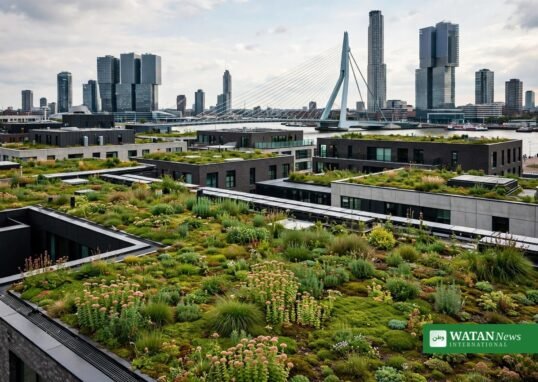
نیدرلینڈز کا موسمیاتی ہفتہ شروع، روٹرڈیم کی سبز چھتوں کا ریکارڈ 62.6 ہیکٹر
نیدرلینڈز کے قومی موسمیاتی ہفتے کے آغاز پر روٹرڈیم کی سبز چھتوں کا رقبہ ریکارڈ 62.6 ہیکٹر تک پہنچ گیا ہے۔
Read out all
Democrats Retake US House as Texas and South Carolina Senate Seats Flip
- 0
- 642 words
CNN and NBC News project Democrats have retaken the US House, while Democrats also flipped Senate seats in Texas and South Carolina...
Read out all
اردن میں نوجوانوں کی موسمیاتی کانفرنس 2026 کا آغاز، کاپ31 کے لیے قومی بیان تیار ہوگا
اردن کی مقامی نوجوان موسمیاتی کانفرنس 2026 یکم نومبر کو عمان میں شروع ہوئی، جہاں نوجوان انطالیہ میں کاپ31 کے لیے قومی...
Read out all
Jordans unge samles til klimakonference i Amman før COP31
- 0
- 1,337 word
Jordans lokale ungdomsklimakonference 2026 åbnede i Amman den 1. november, hvor unge forbereder en national ungdomserklæring til COP31 i Antalya, og ministrene...
Read out all