- 0
- 985 words
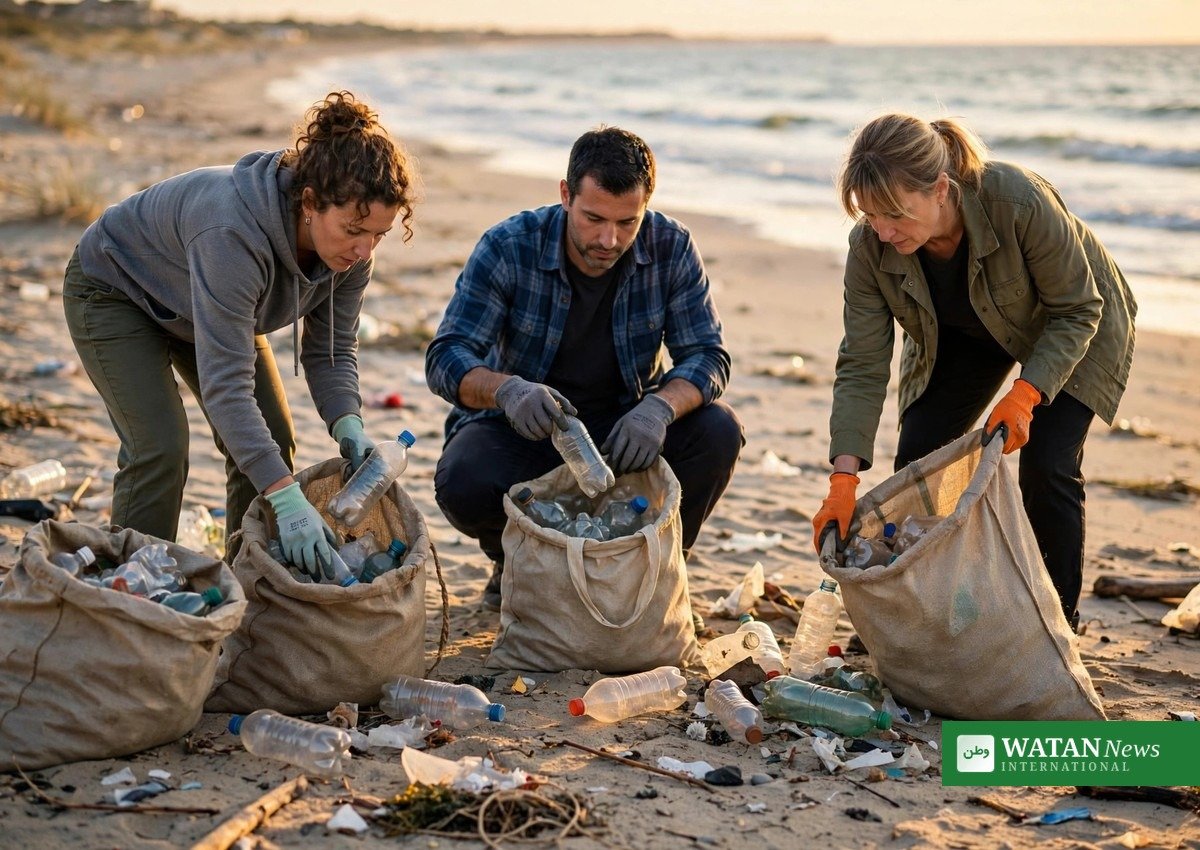
The Zero Waste International Alliance (ZWIA) will take its case for tackling plastic pollution at its source to COP31 in Antalya, joining a Canada Pavilion panel on practical solutions to plastic waste on 11 November. The session, “Beyond Cleanup: Scaling Solutions to Plastic Pollution”, will run from 10:00 to 10:45 Antalya time and ask a question cleanups alone cannot answer: how do we stop the plastic from being made and thrown away in the first place?
ZWIA will be represented by its Managing Director, Jamie Kaminski, who will join a panel moderated by Parisa Golchoubian, founder and chief executive of Retide. The discussion brings together perspectives from the Ocean Legacy Foundation, The Greater Good, Sungai Watch, PCX Solutions and ZWIA, and will consider which approaches are already working, what holds them back, and how public policy can help effective solutions grow.
Why move beyond cleanup?
Cleanups and recovery efforts can deal with material that has already entered the environment. But a lasting response to plastic pollution also has to examine why unnecessary materials are produced, used briefly and then discarded, ZWIA says.
An upstream Zero Waste approach asks different questions: can the product or the packaging be avoided altogether? Can it be designed to last longer? Could reuse or refill systems replace disposable formats? Can repair keep valuable materials in use? And how can policies support these changes at a scale that makes a difference?
Those questions are reflected in the Zero Waste Hierarchy, the framework ZWIA maintains, which prioritises prevention and responsible resource use. ZWIA updated the hierarchy in June 2025, and develops internationally aligned Zero Waste guidance through its global network of national affiliates, working groups, advocates and practitioners.
What makes a solution scale?
According to ZWIA, no single measure can solve plastic pollution. Progress depends on aligning several connected elements: prevention at the design and purchasing stage, so unnecessary materials never become waste; systems that make reuse practical, including refill, return and repair; clear standards and accountability, so definitions, responsibilities and progress can be measured; and local implementation capacity, so communities can adapt solutions to their own conditions.
The COP31 panel will explore what is already working to address plastic pollution, the barriers that keep promising solutions small, and the role of policy in supporting long-term progress — connecting policy thinking with the experience of practitioners working in different contexts around the world.
Zero waste on the COP31 agenda
The panel lands in the middle of a COP31 where waste has moved to the centre of the agenda. The Turkish presidency has made zero waste one of its signature themes, and a Zero Waste Leaders Summit is scheduled for 11 November — the same day as the ZWIA panel. For background on how zero waste became a COP31 priority, read our earlier report: Zero waste takes centre stage at COP31 as presidency targets methane.
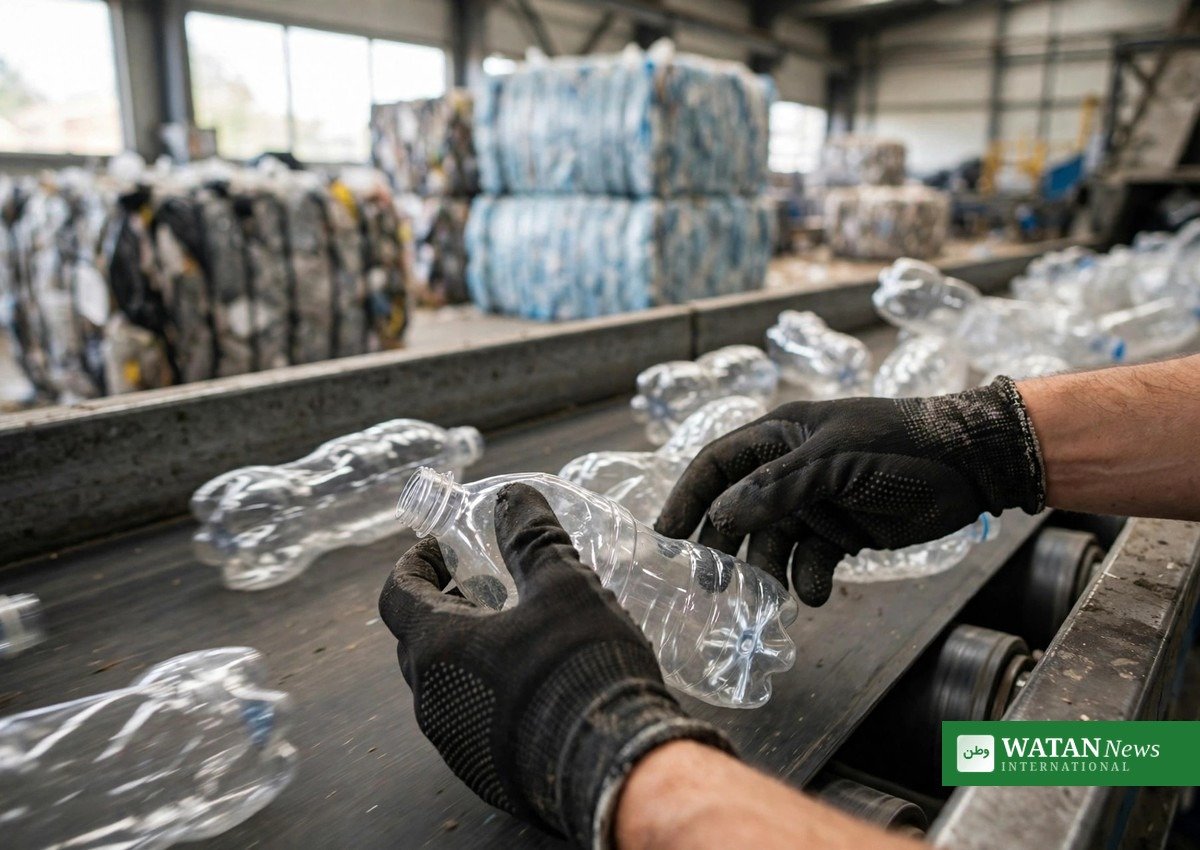
The timing also matters for the wider plastics debate. From 21 November, the European Union will ban exports of plastic waste to non-OECD countries, a move that is already reshaping the global trade in recyclable plastics and pushing countries to build domestic collection and recycling capacity. India, for example, is moving to allow chemically recycled plastic in food packaging as the ban approaches — a story we covered this week: India proposes recycled plastic in food packaging as EU plastic-waste export ban nears.
Engagement with Chad’s delegation
In addition to the Canada Pavilion panel, Kaminski has been invited to participate with the Government of Chad’s official delegation at COP31. ZWIA says the separate engagement is another opportunity for international dialogue on waste prevention, resource management and the policies needed to support progress, with further details to be shared as they are confirmed.
For ZWIA, the opportunity is not simply to discuss waste after it has been generated. It is to bring more attention to the choices, systems and policies that can prevent waste in the first place — and to turn promising ideas into credible policies and practical systems that communities around the world can understand, apply and improve.
Key Facts
- Event: “Beyond Cleanup: Scaling Solutions to Plastic Pollution” — ZWIA at the COP31 Canada Pavilion.
- When: 11 November 2026, 10:00–10:45 Antalya time.
- Where: Canada Pavilion, COP31, Antalya, Türkiye.
- ZWIA representative: Managing Director Jamie Kaminski; moderator Parisa Golchoubian (Retide); panellists from Ocean Legacy Foundation, The Greater Good, Sungai Watch, PCX Solutions and ZWIA.
- Also: Kaminski has been invited to participate with the Government of Chad’s official delegation at COP31.
- Framework: the Zero Waste Hierarchy (updated June 2025) prioritises prevention, reuse, refill and repair over disposal.
Frequently Asked Questions
What is the Zero Waste International Alliance?
ZWIA is the international network that develops and maintains Zero Waste guidance, including the Zero Waste Hierarchy. It works through national affiliates, working groups, advocates and practitioners around the world, and its Managing Director is Jamie Kaminski.
What is the “Beyond Cleanup” panel at COP31?
It is a Canada Pavilion discussion at COP31 in Antalya on 11 November 2026, from 10:00 to 10:45 Antalya time, on practical solutions to plastic pollution. It will look at which approaches are working, what holds them back and how public policy can help effective solutions grow.
What does an upstream Zero Waste approach mean?
It means preventing waste before it is created — avoiding unnecessary materials, designing products to last longer, and using reuse, refill and repair systems to keep products and resources in use — rather than only cleaning up waste after it exists.
Who else is on the panel?
The panel is moderated by Parisa Golchoubian, founder and chief executive of Retide, and brings together the Ocean Legacy Foundation, The Greater Good, Sungai Watch, PCX Solutions and ZWIA.
Why is zero waste on the COP31 agenda?
The Turkish COP31 presidency has made zero waste one of its signature themes, including a Zero Waste Leaders Summit on 11 November. Waste is also linked to methane emissions from landfill, which is why the presidency is targeting both waste reduction and methane cuts at the summit.
Author

usmanch0013@gmail.com
Related Posts
Paraguay Senate Removes President Peña, Swears In Alliana; Peña Placed Under House Arrest
- 0
- 740 words
Paraguay's Senate has voted to remove President Santiago Peña over the collapse of Ueno Bank and sworn in Vice President Pedro Alliana...
Read out all
Tanmiah planter 100.000 træer i Al-Ahsa-oasen i Saudi-Arabien
- 0
- 903 words
Tanmiah Food Company har lanceret en plan om at plante 100.000 eukalyptus- og sidr-træer i den UNESCO-listede Al-Ahsa-oase i Saudi-Arabien i et...
Read out all
تنمیہ الاحساء کے نخلستان میں ایک لاکھ درخت لگائے گی
تنمیہ فوڈ کمپنی نے الاحساء نخلستان میں ایک لاکھ یوکلپٹس اور سدر کے درخت لگانے کا منصوبہ شروع کر دیا ہے۔
Read out all
Tanmiah to Plant 100,000 Trees Across Al-Ahsa Oasis in Saudi Green Push
- 0
- 894 words
Tanmiah Food Company has launched a plan to plant 100,000 eucalyptus and sidr trees across the UNESCO-listed Al-Ahsa oasis in Saudi Arabia,...
Read out all
Zero Waste-alliancen tager ‘Beyond Cleanup’-løsninger mod plastik til COP31
- 0
- 1,030 word
Zero Waste International Alliance deltager i et panel i Canada-pavillonen ved COP31 den 11. november om at skalere løsninger på plastikforurening —...
Read out all
زیرو ویسٹ انٹرنیشنل الائنس کاپ31 میں پلاسٹک آلودگی کے حل پر پینل بحث میں شریک ہوگا
زیرو ویسٹ انٹرنیشنل الائنس 11 نومبر کو کاپ31 کے کینیڈا پویلین میں پلاسٹک آلودگی کے حل پر پینل بحث میں شریک ہوگا...
Read out all