
- 0
- 813 words
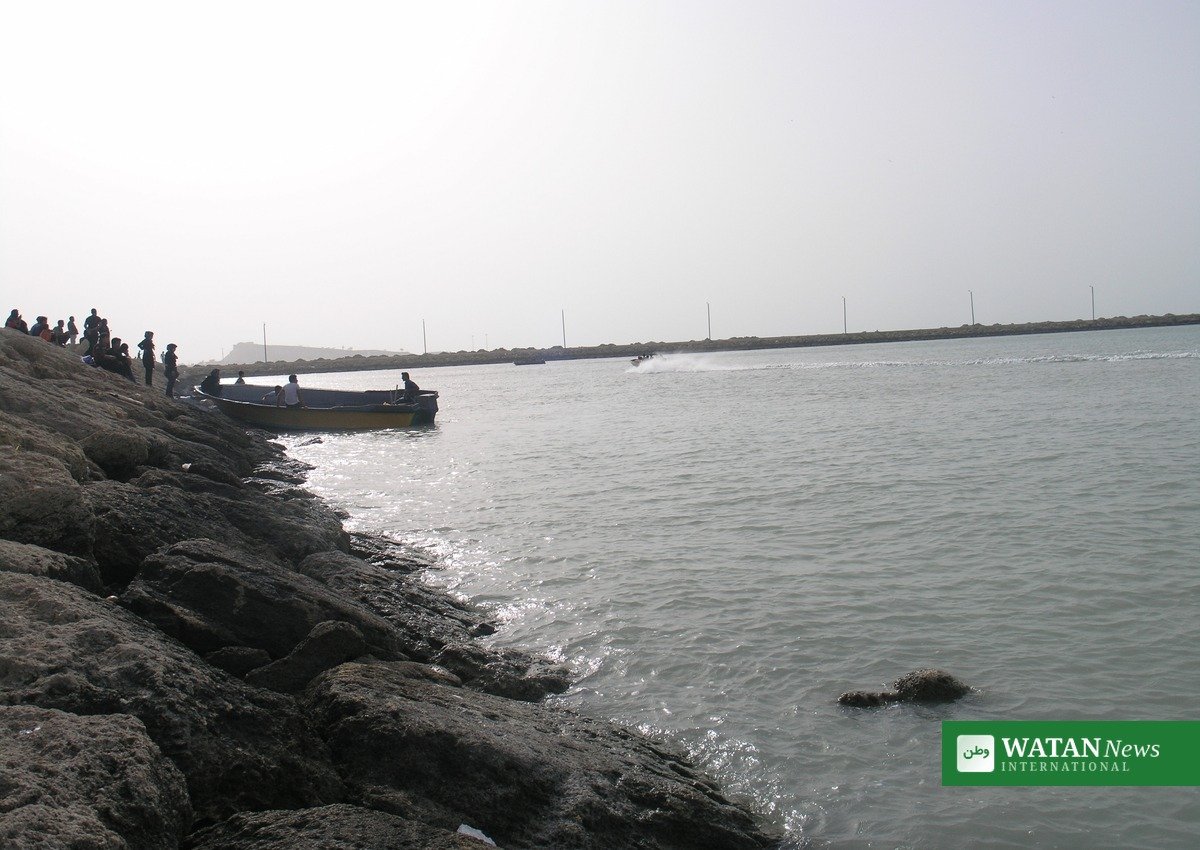
President Donald Trump confirmed on Friday that US strikes on Qeshm Island targeted an Iranian air defence system, in a new limited operation in the Strait of Hormuz. Iranian state media reported the sound of two explosions in the Suza area of the island.
FAKTA
- What happened: US forces carried out limited strikes on an Iranian air defence system on Qeshm Island on Friday, 6 November 2026.
- Confirmation: President Donald Trump confirmed the strikes to reporters in West Palm Beach, Florida, on Friday evening.
- Reports from Iran: The semi-official Tasnim news agency said early on Saturday that two missiles had struck the island; state news agency IRNA cited witnesses who heard an aircraft before two projectiles hit the Suza area.
- Damage and casualties: Iranian officials have released no official damage assessment, and there are no confirmed reports of casualties.
- Context: The second round of US strikes on Qeshm Island in five days, and the first since the midterm elections in the United States.
Trump calls the operation “minor”
“They built a little bit of an anti-aircraft device and we knocked it out in about 15 minutes, maybe five,” Trump told reporters shortly after arriving in West Palm Beach, describing the military action as “minor.” He offered no further details about the target.
US officials have reported that most of Iran’s air defence systems were destroyed or severely degraded during a June 2025 bombardment by Israel and in the early stages of the current conflict, and have assessed that Iran would try to rebuild them over time.
Second round of US strikes on Qeshm Island in five days
The US military also reported carrying out what it described as defensive strikes on Monday, when explosions were heard on the islands of Qeshm and Hengam and in the nearby mainland area of Bandar Abbas. Friday’s strikes were the first since Trump’s Republican Party lost both chambers of Congress in Tuesday’s midterm elections — a setback stoked in part by voter dissatisfaction with the handling of the conflict and elevated fuel prices.
Read more: US Strikes Iran’s Qeshm Island in Secret Campaign, Reports Say
What Iran has reported
Tasnim said early on Saturday that two missiles had struck Qeshm Island, adding that there was no official information on possible damage. IRNA cited local witnesses who said they had heard an aircraft before two projectiles struck the Suza area. The exact connection between the impacts reported by Iranian media and the American operation described by Trump has not been independently established.
Iran’s military also said on Saturday that its air defences had brought down a US MQ-9 drone near Qeshm Island. The United States has not confirmed that claim.
Talks continue alongside the strikes
Earlier on Friday, two Middle East government officials said Iran was reviewing proposals presented by chief mediator Qatar aimed at addressing differences with the United States over Tehran’s nuclear programme. One of the officials said Iran remains unwilling, for now, to engage in negotiations with the Trump administration over its atomic activities until the US agrees to several core conditions Tehran has demanded as part of any ceasefire agreement.
Among the conditions Iran says must be met before nuclear talks: ending the US blockade on Iran’s ports, lifting sanctions, unfreezing its assets, issuing compensation for war damage and ending hostilities throughout the region, including Israeli operations in Lebanon.
Mediators and Iran have also discussed a possible bridge deal: over two days, the US would lift its blockade and release some of the billions of dollars in frozen Iranian funds, while Iran would allow inspectors from the International Atomic Energy Agency (IAEA) at sites bombed by the US and Israel. On the second day, Iran would reopen the Strait of Hormuz under a modified agreement it has reached with Oman — an arrangement the United States has not approved — followed by extensive talks on Iran’s stockpile of highly enriched uranium. According to the IAEA, Iran holds 440.9 kilograms of uranium enriched to 60 percent purity, a short technical step from weapons-grade levels of 90 percent.
Meanwhile, US Central Command announced in a post on X late on Friday that the United States was offering a reward of up to $20 million, and possible relocation, for information about Iran’s nuclear programme. Defence Secretary Pete Hegseth spoke on Friday with his Qatari counterpart, Sheikh Saoud bin Abdulrahman Al Thani, and Trump spoke with Qatar’s emir about efforts to de-escalate tensions. Iranian Foreign Minister Abbas Araghchi held phone calls with his Iraqi and Tunisian counterparts, while Egypt’s foreign minister said both sides must show flexibility to reach compromise solutions.
“We are talking to Iran. We have been,” Trump said on Friday.
Author

usmanch0013@gmail.com
Related Posts
Russian Missiles Strike Kyiv, Damaging Homes and Injuring Two
- 0
- 461 words
Russian ballistic missiles struck Kyiv overnight, damaging apartment buildings and a kindergarten and injuring two people, days before US-led peace talks in...
Read out all
Citizen COP Australia Brings Climate Talks Home as Giant Climate Fresk Opens on COP31’s First Day
- 0
- 1,016 word
As COP31 opens in Antalya on Monday, Australians are holding their own parallel climate gathering: Citizen COP Australia, a citizen-led movement of...
Read out all
West Africa’s Young People Set Out Grassroots Demands for COP31, From Youth Climate Funds to Mangrove Planting
- 0
- 991 words
Young people in six West African countries have set out grassroots demands for COP31: youth climate funds, a guaranteed seat in climate...
Read out all
EU Adopts First Sustainable Tourism Strategy to Spread Visitors and Ease Pressure on Hotspots
- 0
- 964 words
The European Commission has presented the first EU Sustainable Tourism Strategy, aiming to spread visitors more evenly, support small tourism businesses and...
Read out all
Paraguay Senate Removes President Peña, Swears In Alliana; Peña Placed Under House Arrest
- 0
- 740 words
Paraguay's Senate has voted to remove President Santiago Peña over the collapse of Ueno Bank and sworn in Vice President Pedro Alliana...
Read out all
Tanmiah to Plant 100,000 Trees Across Al-Ahsa Oasis in Saudi Green Push
- 0
- 894 words
Tanmiah Food Company has launched a plan to plant 100,000 eucalyptus and sidr trees across the UNESCO-listed Al-Ahsa oasis in Saudi Arabia,...
Read out all