- 0
- 817 words
Twenty-five journalists in The Gambia have completed a five-day training course on nature-based solutions, wetland restoration and coastal protection, learning how to report climate change not only as disaster, but as resilience, adaptation and solutions. The course, held from 2 to 6 November 2026 at the Baobab Hotel in Bijilo, was organised by the Gambia Press Union (GPU) together with the West Africa Coastal Areas Resilience Investment Project (WACA ResIP 2), and it ended just days before COP31 opens in Antalya on 9 November.
Five days on wetlands, coasts and solutions
Sessions covered nature-based solutions in civil works, wetland ecology and restoration techniques, national coastal policies, climate resilience, and digital tools for environmental verification and data-driven reporting. Participants examined coastal erosion, flooding, biodiversity loss and wetland conservation — the issues that shape daily life along The Gambia’s Atlantic coast.
The opening ceremony was held on Wednesday, 4 November, bringing together journalists, environmental experts, civil society organisations and government officials.
Reporting resilience, not only disaster
GPU Board Treasurer Meita Touray told the opening ceremony that environmental journalism remains one of the most underreported areas of the media, despite its growing importance to communities. “Our responsibility goes beyond reporting disasters when they occur. We must also tell stories of resilience, innovation, adaptation and solutions,” she said.
WACA Project Coordinator Dr Muhammad Lamin Sanyang said the programme was the second collaboration between WACA and the GPU on environmental reporting. He said 25 journalists trained in last year’s programme went on to produce more than 30 articles highlighting environmental hazards and the experiences of disaster-affected communities.
Why accurate climate reporting matters in The Gambia
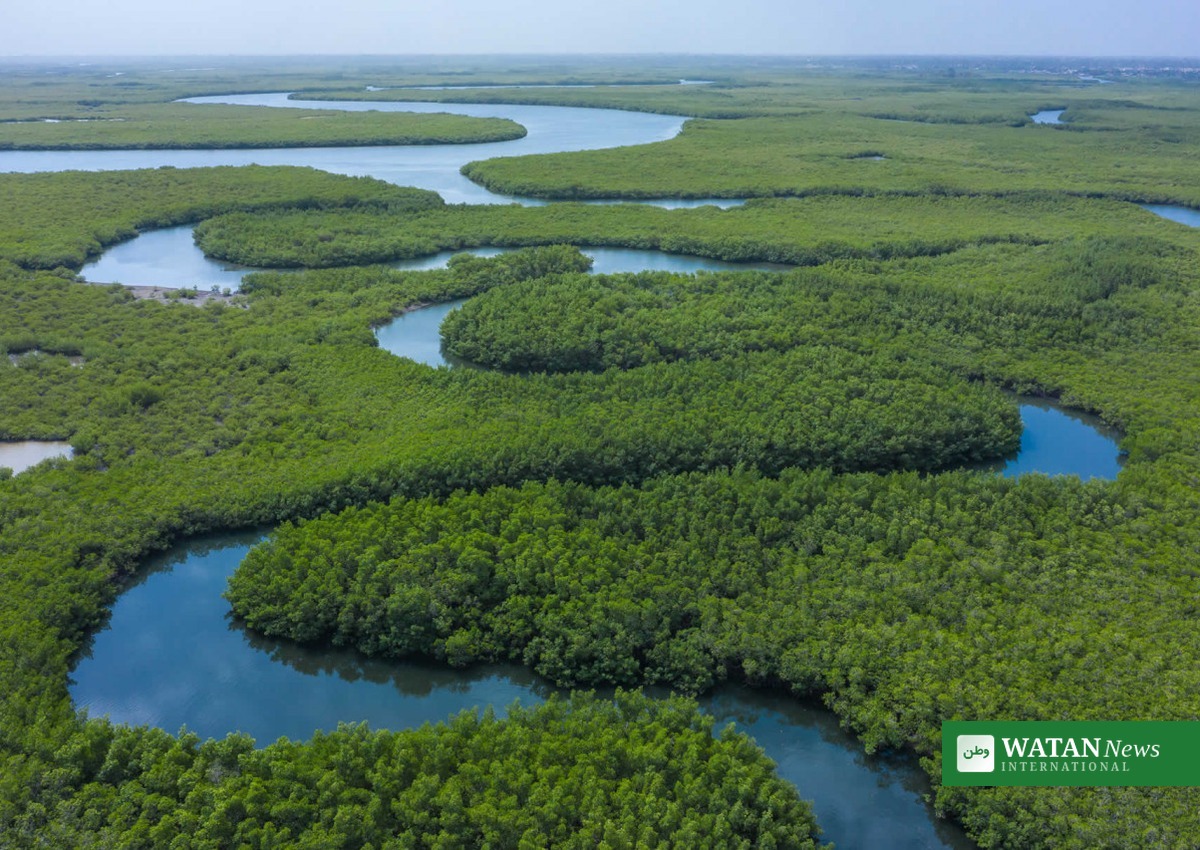
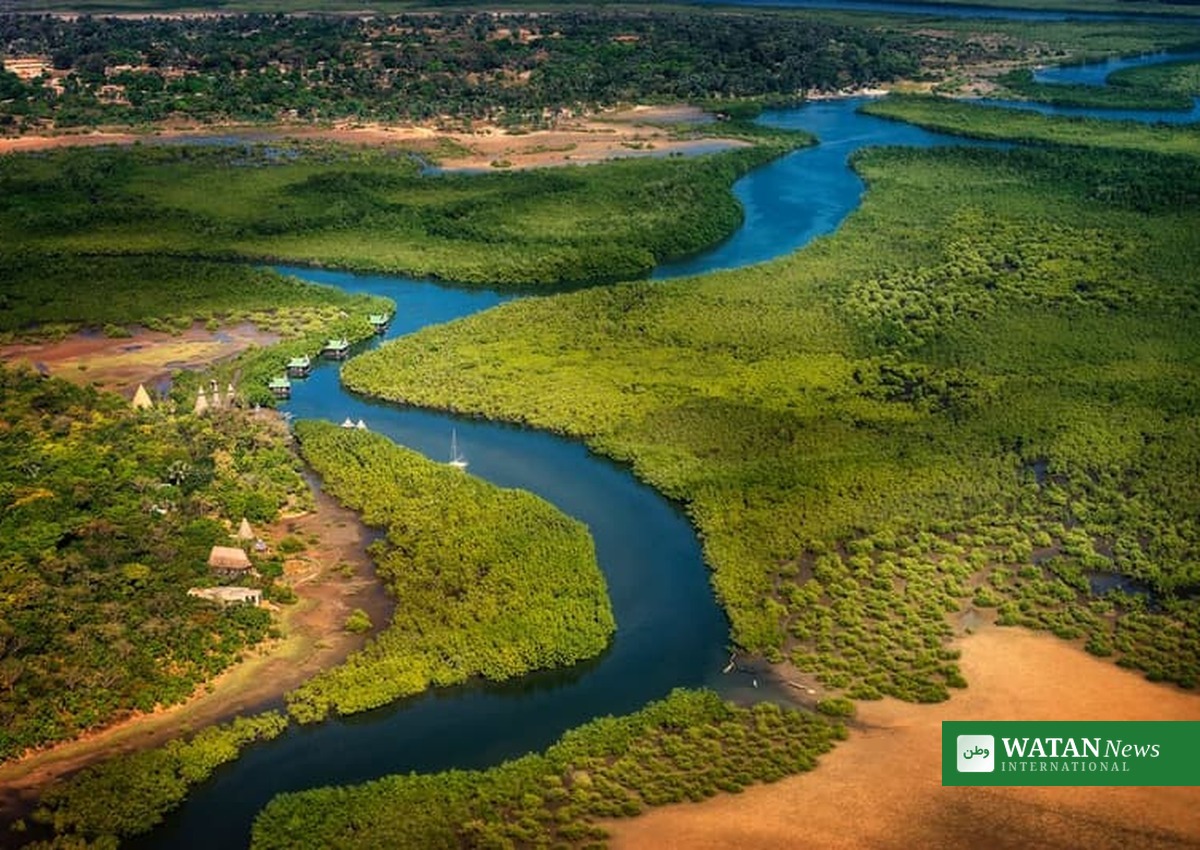
The Minister of Environment, Climate Change and Natural Resources, Rohey John Manjang, urged journalists to prioritise ethical and responsible reporting. She said accurate environmental information is essential for raising public awareness, improving disaster preparedness and supporting informed decision-making. She described mangroves and wetlands as important nature-based solutions: they absorb floodwater, filter pollutants, store carbon and provide habitats that support fish populations.
The stakes are high. The World Bank’s Country Climate and Development Report estimates that flooding costs The Gambia approximately 3.8 per cent of its Gross Domestic Product. The health stakes of a warming climate are rising worldwide too: heat deaths hit a record high in the Lancet Countdown 2026 report.
Key facts
- 25 journalists trained in a five-day course, 2–6 November 2026, at the Baobab Hotel, Bijilo.
- Organisers: the Gambia Press Union with WACA ResIP 2, the World Bank-funded West Africa Coastal Areas Resilience Investment Project.
- Topics: nature-based solutions, wetland restoration, coastal protection, wetland ecology, coastal policy and digital verification tools.
- Last year’s result: 25 journalists trained in 2025 produced more than 30 articles on environmental hazards.
- Flooding costs The Gambia about 3.8 per cent of GDP, according to the World Bank.
- WACA Gambia Project: US$45 million, 2023–2027, aiming to improve life for more than 200,000 people along the 11.2-kilometre Kotu Stream.
A sponge city, mangroves and the road ahead
Sanyang also revealed plans to pilot The Gambia’s first sponge city concept around Nemakunku, alongside mangrove restoration, green parks, water ponds and urban farming along the coastal strip. WACA organised the country’s first national workshop on nature-based solutions in 2025 and trained officials from the National Roads Authority and the Ministry of Transport, Works and Infrastructure in September 2026. A similar training programme for civil society organisations is expected later this month.
The wider WACA Gambia Project is implemented by the Ministry of Environment, Climate Change and Natural Resources over five years, from 2023 to 2027, with US$45 million in funding from the World Bank. It aims to improve the lives and livelihoods of more than 200,000 people living along the 11.2-kilometre Kotu Stream, from Nema Kunku in the West Coast Region to Kotu on the Atlantic coast.
Conclusion
As COP31 opens in Antalya on 9 November, the lesson from Bijilo travels with it: climate awareness begins with reporters who can explain the science, the solutions and the stakes — in the language of the communities living them.
Frequently asked questions
What did the Gambian journalists’ training cover?
Nature-based solutions, wetland restoration and coastal protection, including wetland ecology, restoration techniques, national coastal policy, climate resilience and digital tools for environmental verification and data-driven reporting.
Who organised the training?
The Gambia Press Union, in partnership with WACA ResIP 2, the World Bank-funded West Africa Coastal Areas Resilience Investment Project. The opening ceremony was held on 4 November 2026 at the Baobab Hotel in Bijilo.
How many journalists took part, and when?
Twenty-five journalists attended the five-day course, which ran from 2 to 6 November 2026.
Why does climate reporting matter so much in The Gambia?
Flooding costs the country about 3.8 per cent of its Gross Domestic Product, according to the World Bank, and accurate environmental information supports public awareness, disaster preparedness and informed decision-making, according to the environment minister.
What happens next?
A similar training programme for civil society organisations is expected later in November, WACA plans to pilot The Gambia’s first sponge city concept around Nemakunku, and COP31 opens in Antalya on 9 November 2026.
Author

usmanch0013@gmail.com
Related Posts
کاپ31 دنیا کے اخبارات کی نظر میں: ایک ہی سربراہی اجلاس، مختلف کہانیاں — اور کمرے میں صرف بیس صحافی
16 ملکوں کی پریس کوریج کے 12 نومبر کے جائزے سے پتا چلتا ہے کہ کاپ31 کے سربراہی اجلاس کی خبر دنیا...
Read out all
COP31 gennem verdenspressen: Samme topmøde, forskellige historier — og kun 20 journalister i salen
- 0
- 1,413 word
En undersøgelse af pressedækningen i 16 lande fra den 12. november viser, at COP31's ledertopmøde gav vidt forskellige historier verden over —...
Read out all
COP31 Through the World’s Press: Same Summit, Different Stories — and Only 20 Journalists in the Room
- 0
- 1,435 word
A 12 November survey of press coverage in 16 countries shows the COP31 leaders' summit produced very different stories around the world...
Read out all
Iran Says Its Navy Shot Down a US MQ-1 Drone Near the Strait of Hormuz
- 0
- 481 words
Iran says its navy shot down a US MQ-1 drone near the Strait of Hormuz, but the claim has not been independently...
Read out all
COP31’s Green Zone genåbner for offentligheden, da Finans- og Handelsdagen sætter bæredygtig livsstil i centrum
- 0
- 837 words
COP31's Green Zone genåbnede for offentligheden i Antalya fredag den 13. november efter lukningen under verdensledernes topmøde, og Finans- og Handelsdagen sætter...
Read out all
کاپ31 گرین زون عوام کے لیے دوبارہ کھل گیا، مالیات و تجارت کا دن پائیدار طرز زندگی کو مرکز میں لایا
کاپ31 کا گرین زون جمعہ 13 نومبر کو انطالیہ میں عوام کے لیے دوبارہ کھل گیا، عالمی قائدین کی سربراہی اجلاس کے...
Read out all