- 0
- 1,290 word
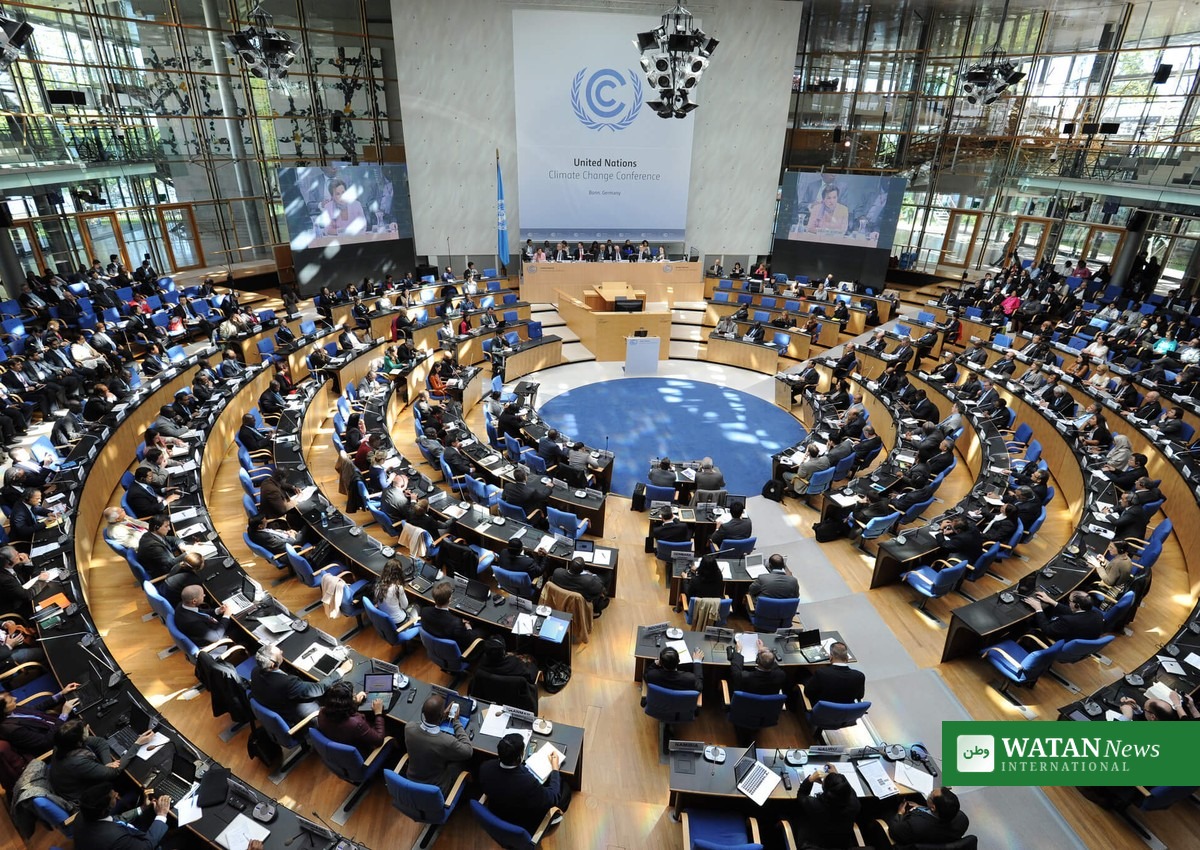
Antalya, Türkiye — The world’s poorest nations have put COP31 on notice. Speaking on the opening day of the UN climate conference in Antalya, Ambassador Adão Soares Barbosa, chair of the Least Developed Countries (LDC) Group, said the talks must deliver stronger action to limit warming, finance that reaches the countries that need it most, and decisions that protect people on the front lines of the climate crisis.
Barbosa, Timor-Leste’s Special Envoy and Ambassador-at-Large for Climate Affairs, leads a bloc of 44 nations across Africa, Asia-Pacific and the Caribbean that together represent more than one billion people — countries that have contributed least to the climate crisis yet suffer its worst impacts.
A voice for one billion people
“COP31 is taking place at a critical juncture. Science tells us that decades of insufficient action have made an overshoot of 1.5°C imminent. This is a grave betrayal of our countries who have contributed least to this crisis,” Barbosa said in Antalya on 9 November.
The group’s position is set out in the Dili Ministerial Declaration, adopted on 3 September 2026 in Dili, Timor-Leste, where ministers from all 44 least developed countries agreed a single negotiating position for COP31. Barbosa has more than two decades of experience in international climate policy and has been engaged in the UN climate process since the early 2000s.
“Our expectation for COP31 is clear: stronger action to limit warming, finance that reaches our countries, and decisions that help protect our people. We come ready to negotiate constructively and build agreements,” he said.
What the LDCs want from COP31
The LDC Group’s demands centre on four areas: mitigation, adaptation, finance and loss and damage.
Adaptation: triple the finance
Adaptation is a central priority. The group is calling for progress on the Global Goal on Adaptation, resources to implement National Adaptation Plans, and the tripling of adaptation finance to at least USD 120 billion a year, well ahead of 2035.
Mitigation: protect 1.5°C
On mitigation, the group wants science-led action centred on protecting 1.5°C and minimising the duration and magnitude of any overshoot, through increased ambition in this critical decade, accelerated implementation of the first Global Stocktake, and a permanent Mitigation Work Programme with strengthened modalities.
Finance: close the gap between promise and delivery
On climate finance, the group is calling for progress towards the USD 300 billion annual goal by 2035 and the broader target of mobilising at least USD 1.3 trillion a year by 2035, with new pledges and contributions, especially to the climate funds under the Convention, more predictable public grants and simpler, faster access.
“Ambition needs the means to deliver it. Finance commitments must become accessible support that enables our countries to act. COP31 must help close the distance between what is promised internationally and what communities can use on the ground,” Barbosa said.
Loss and damage: money for what cannot be avoided
On loss and damage, the group is calling for urgent new contributions to the Fund for Responding to Loss and Damage, which it says remains severely underfunded compared with the demonstrated needs of developing countries, and for faster, simpler and direct access to funding for vulnerable countries and communities facing impacts that cannot be avoided.
Just transition
On just transition, the group is calling for continuity of the work programme and operationalisation of the Just Transition Mechanism, with a focus on the needs of least developed countries and adequate support for transitions that deliver sustainable, climate-resilient development.
The money gap behind the demands
The LDC demands land against stark figures. The UN Environment Programme’s Adaptation Gap Report 2026, released on 4 November, estimates that developing countries need between USD 255 billion and USD 328 billion a year for adaptation over the coming decade, with a central estimate of USD 305 billion by 2035 — while international public adaptation finance from developed countries reached only USD 28.2 billion to USD 31.7 billion in 2024. UNEP estimates that tripling adaptation finance would raise it to between USD 85 billion and USD 120 billion a year, and that least developed countries and small island developing states alone need between USD 40 billion and USD 50 billion a year.
The Fund for Responding to Loss and Damage is in a similar position: according to CARE International, only USD 822 million has been pledged and USD 448 million paid in, against estimated needs of around USD 400 billion a year.
Key facts
- The LDC Group consists of 44 nations across Africa, Asia-Pacific and the Caribbean, representing more than one billion people.
- Its chair is Ambassador Adão Soares Barbosa, Timor-Leste’s Special Envoy and Ambassador-at-Large for Climate Affairs, with more than two decades of experience in international climate policy.
- Its COP31 position is set out in the Dili Ministerial Declaration, adopted on 3 September 2026 in Dili, Timor-Leste.
- Key demands: triple adaptation finance to at least USD 120 billion a year well ahead of 2035; progress towards USD 300 billion a year by 2035 and mobilisation of at least USD 1.3 trillion a year by 2035; urgent new contributions to the Fund for Responding to Loss and Damage.
- COP31 runs from 9 to 20 November 2026 in Antalya, Türkiye.
What happens next
The LDC Group is also calling for an inclusive negotiating process, with early engagement, transparent consultations and meaningful opportunities for least developed countries to shape decisions — and for COP31’s leadership to provide enough space to resolve outstanding issues and build confidence among parties.
“We will work with all Parties and subgroups to secure an ambitious outcome in Antalya. At Bonn, many issues key to our Group faced disappointing outcomes. We cannot delay further. Our responsibility is to ensure that the concerns of our countries are met with a strong commitment to delivering climate action,” Barbosa said.
COP31 opened in Antalya on 9 November, and negotiations continue until 20 November, when the conference must produce a final package that the world’s most vulnerable countries can judge against what their communities face.
Frequently asked questions
What is the LDC Group?
The Least Developed Countries Group on Climate Change is a negotiating bloc of 44 nations across Africa, Asia-Pacific and the Caribbean, representing more than one billion people. These countries are highly vulnerable to environmental and economic shocks and are disproportionately affected by the climate crisis, and they negotiate together as a united bloc at UN climate talks.
Who is Ambassador Adão Soares Barbosa?
Ambassador Adão Soares Barbosa is the current chair of the LDC Group, representing the Government of Timor-Leste. He is Timor-Leste’s Special Envoy and Ambassador-at-Large for Climate Affairs, with more than two decades of experience in international climate policy and negotiations, and he has been engaged in the UN climate process since the early 2000s.
What is the Dili Ministerial Declaration?
The Dili Ministerial Declaration is the collective position of the 44 least developed countries for COP31, adopted on 3 September 2026 at a ministerial meeting in Dili, Timor-Leste. It sets out the group’s shared demands on mitigation, adaptation, climate finance, loss and damage and just transition.
What does tripling adaptation finance to USD 120 billion mean?
At COP30, countries agreed to work towards at least tripling adaptation finance for developing countries by 2035. The LDC Group is calling for that tripling to reach at least USD 120 billion a year, well ahead of 2035. According to UNEP’s Adaptation Gap Report 2026, tripling would bring international public adaptation finance to between USD 85 billion and USD 120 billion a year — still only part of the estimated USD 305 billion a year that developing countries need by 2035.
What is the Fund for Responding to Loss and Damage?
The Fund for Responding to Loss and Damage helps developing countries address climate impacts that can no longer be avoided, such as destroyed homes, lost harvests and disappearing coastlines. The LDC Group says the fund remains severely underfunded compared with demonstrated needs, and is calling for urgent new contributions and faster, simpler, direct access for vulnerable countries and communities.
Author

usmanch0013@gmail.com
Related Posts
Israeli Strike Hits Nasser Hospital in Gaza, Killing at Least Six
- 0
- 765 words
An Israeli airstrike hit the intensive care and surgical wards at Nasser Hospital in Khan Younis early on Thursday, killing at least...
Read out all
COP31 omsætter løfter til handling: Tyrkiets klimaaftale på 1,6 mia. dollar med AIIB og den grønne industrialiseringskompakt
- 0
- 1,392 word
Tyrkiet, vært for COP31 i Antalya, underskrev den 12. november en rekordstor klimapolitisk aftale på 1,6 mia. dollar med Den Asiatiske Infrastrukturinvesteringsbank,...
Read out all
کاپ31 میں عملی اقدامات: ترکیہ کا 1.6 ارب ڈالر کا موسمیاتی معاہدہ اور گرین انڈسٹریلائزیشن کمپیکٹ
انطالیہ میں کاپ31 کے میزبان ترکیہ نے 12 نومبر کو ایشیائی انفراسٹرکچر انویسٹمنٹ بینک سے 1.6 ارب ڈالر کا ریکارڈ موسمیاتی پالیسی...
Read out all
COP31 Turns Pledges into Action: Türkiye’s $1.6bn AIIB Climate Deal and Green Industrialisation Compact
- 0
- 1,388 word
Türkiye, host of COP31 in Antalya, signed a record $1.6 billion climate policy deal with the Asian Infrastructure Investment Bank on 12...
Read out all
Kerry til COP31: USA vender tilbage til klimakampen, mens køreplan for fossile brændstoffer tager form
- 0
- 1,767 word
USA's tidligere klimasærudsending John Kerry sagde til COP31 i Antalya, at USA vil vende tilbage til klimakampen, da Brasilien fremlagde en køreplan...
Read out all
کاپ31 میں جان کیری کا اعلان: امریکہ موسمیاتی جدوجہد میں واپس آئے گا
سابق امریکی موسمیاتی ایلچی جان کیری نے انٹالیا میں کاپ31 سے کہا کہ امریکہ موسمیاتی جدوجہد میں قیادت کے کردار میں واپس...
Read out all