- 0
- 1,176 word
Ambassadors on the ground in Antalya
European Climate Pact Ambassadors are among the delegates at COP31 in Antalya this week, carrying the Rights of Nature cause into the United Nations climate talks. Two of the ambassadors are part of the delegation of the Global Alliance for the Rights of Nature (GARN), which is pressing for the legal recognition of nature’s intrinsic rights as a foundation for climate justice.
Roberta Bosu, Global Campaign Lead for the Antarctic Rights Initiative and a European Climate Pact Ambassador, is in Antalya from 9 to 14 November. She coordinates international efforts for a Declaration for the Rights of Antarctica and the Southern Ocean as an autonomous, rights-bearing entity, and she is also a member of the IUCN Commission on Education and Communication.
Clara Tomé, an environmental legal expert and fellow European Climate Pact Ambassador, is in Antalya from 12 to 17 November. She is co-founder and executive director of Rights and Roots and a co-facilitator of the GARN Youth Hub. She is also co-director of an upcoming documentary on the Mar Menor, which GARN describes as Europe’s first ecosystem recognised with legal personhood.
The ambassadors’ presence links a European Union climate programme with a global legal movement. The European Climate Pact is the European Commission’s initiative that appoints ambassadors to carry climate action into communities across Europe. At COP31, its ambassadors are working alongside Indigenous leaders, lawyers and youth organisers who argue that giving ecosystems legal rights is a practical route to stronger climate protection.
What Rights of Nature means
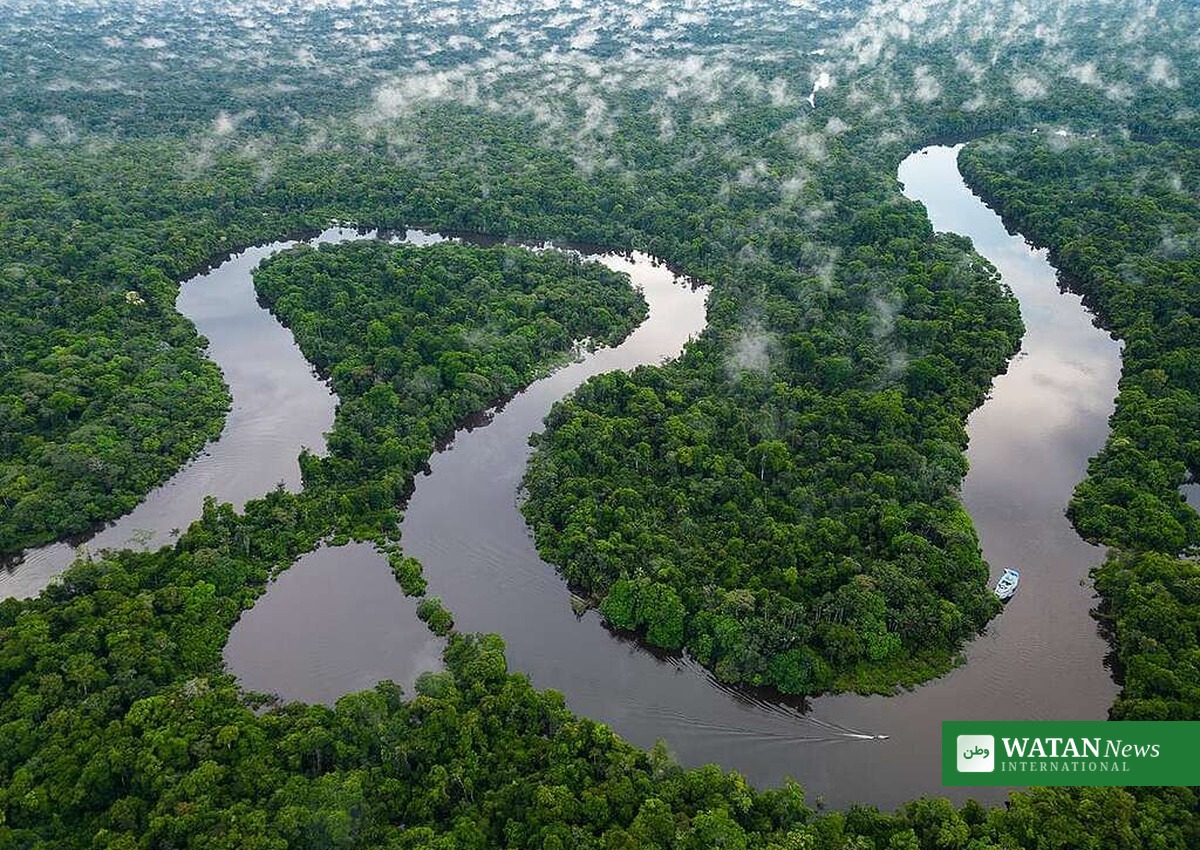
Rights of Nature is the idea that rivers, forests and other ecosystems should be recognised as rights-holders in law, rather than treated only as resources to be used. Supporters say the approach shifts power away from extractive industries and gives communities a legal tool to defend the ecosystems they depend on.
The movement points to concrete legal wins. In Panama, marine biologist Callie Veelenturf, who is also at COP31, helped bring forward the proposal and scientific backing for the country’s landmark Rights of Nature legislation, Law 287 and Law 371, which give marine species and ocean ecosystems a legal voice. In Europe, the Mar Menor lagoon in Spain became the first ecosystem on the continent to be recognised with legal personhood, and Tomé’s documentary tells that story.
In the European Union, the campaign is also moving through democratic channels. Stella Bongiorno, governance facilitator of GARN’s European Hub, is organising a European Citizens’ Initiative called “Rights for Nature”, which aims to gather one million signatures to legally require the European Commission to recognise the legal personhood of ecosystems and empower citizens as their legal guardians.
The COP31 programme for Rights of Nature
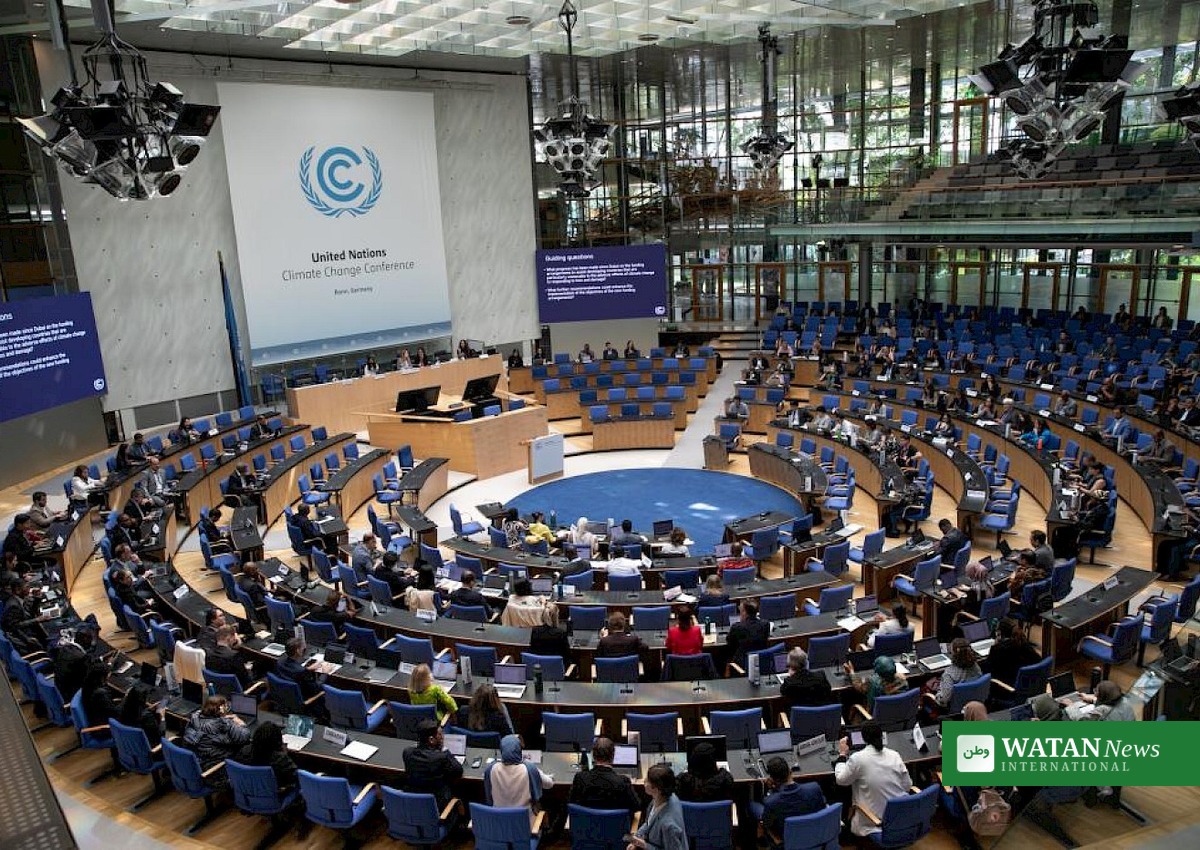
The GARN delegation has a full schedule at COP31, which runs in Antalya from 9 to 20 November 2026. On Thursday 12 November, a civil society roundtable on the Universal Declaration for the Rights of Nature takes place in the Blue Zone from 13:00 to 14:30, co-hosted by GARN, forNature and the Women’s Earth and Climate Action Network (WECAN). The same afternoon, from 15:30 to 17:00, WECAN and Fiji’s Ministry of Environment and Climate Change host a government roundtable on how Rights of Nature can contribute to climate, ocean and biodiversity governance.
On 14 November, the Spanish Pavilion hosts a session titled “Reimagining Climate Action through the Rights of Nature”, bringing together youth, European campaigners and grassroots leaders, with participants from the GARN Youth Hub, Rights and Roots and Rights of Nature EU. Further sessions follow on 16 November, including a formal UN side event on women leading climate solutions, and a Rights of Nature press conference on 17 November.
Indigenous leadership at the centre
Indigenous leaders are at the centre of the delegation. Casey Camp-Horinek, chairwoman of GARN’s Indigenous Council and an elder of the Ponca Nation of Oklahoma, is in Antalya from 9 to 19 November. She was instrumental in drafting the International Indigenous Women’s Treaty protecting the Rights of Mother Earth and in the adoption of the first Rights of Nature and Rights of Rivers statutes by a Tribal Nation.
Nnimmo Bassey, a member of GARN’s governing council and director of the Health of Mother Earth Foundation in Nigeria, is in Antalya from 9 to 14 November. Bassey, who received the Right Livelihood Award in 2010, has campaigned for decades against destructive fossil fuel extraction across Africa and serves as a judge of the International Rights of Nature Tribunal.
The delegation also includes young organisers such as Quetza Ramírez of the GARN Youth Hub, whose work connects Indigenous liberation, climate justice and Earth law. The message the ambassadors and their allies are carrying into the negotiations is that climate action cannot succeed while nature itself has no standing in law — and that COP31 is the place to press that case.
Key facts
- What: European Climate Pact Ambassadors are advancing the Rights of Nature cause at COP31 in Antalya, 9–20 November 2026.
- Who: Roberta Bosu (Antarctic Rights Initiative) and Clara Tomé (Rights and Roots, GARN Youth Hub) are the two EU Climate Pact Ambassadors in the GARN delegation.
- Key dates: Civil society roundtable, 12 November, 13:00–14:30, Blue Zone; government roundtable, 12 November, 15:30–17:00; Spanish Pavilion session, 14 November; press conference, 17 November.
- Legal landmarks: Panama’s Rights of Nature laws 287 and 371; Mar Menor, Europe’s first ecosystem with legal personhood; a European Citizens’ Initiative seeking one million signatures for ecosystem personhood.
- Source: Global Alliance for the Rights of Nature (GARN) COP31 programme, confirmed by the Women’s Earth and Climate Action Network (WECAN) COP31 schedule.
Frequently asked questions
What is Rights of Nature?
Rights of Nature is a legal approach that recognises ecosystems such as rivers, forests and oceans as rights-holders in their own right, rather than as property or resources. It allows people to act as legal guardians for an ecosystem and to defend its rights in court.
Who are the European Climate Pact Ambassadors at COP31?
Roberta Bosu, Global Campaign Lead for the Antarctic Rights Initiative, and Clara Tomé, co-founder of Rights and Roots and co-facilitator of the GARN Youth Hub, are both European Climate Pact Ambassadors in the Global Alliance for the Rights of Nature delegation at COP31.
What is the European Climate Pact?
The European Climate Pact is a European Commission initiative that brings together people and organisations across Europe to take climate action. It appoints ambassadors who promote climate action in their communities and professional networks.
What is happening on 12 November at COP31?
Two Rights of Nature roundtables take place in the Blue Zone on 12 November: a civil society roundtable on a Universal Declaration for the Rights of Nature from 13:00 to 14:30, and a government roundtable co-hosted by Fiji’s environment ministry and WECAN from 15:30 to 17:00.
Which ecosystems already have legal rights?
Panama has Rights of Nature legislation in Law 287 and Law 371, and Spain’s Mar Menor lagoon is described by GARN as Europe’s first ecosystem recognised with legal personhood. A European Citizens’ Initiative is seeking one million signatures to ask the European Commission to recognise the legal personhood of ecosystems across the EU.
COP31 opened in Antalya with a fight over climate finance as the WMO warned of record heat
Author

usmanch0013@gmail.com
Related Posts
Indonesia Vice President Gibran Offers to Resign in Meeting with President Prabowo
- 0
- 500 words
Indonesia’s Vice President Gibran Rakabuming Raka told President Prabowo Subianto he intends to resign, the palace confirmed on Tuesday, amid court rulings...
Read out all
Klimapagt-ambassadører bringer naturens rettigheder til COP31 i Antalya
- 0
- 1,187 word
Ambassadører fra den europæiske klimapagt fremmer sagen om naturens rettigheder ved COP31 i Antalya, hvor GARN-delegater søger juridisk anerkendelse af floder, skove...
Read out all
یورپی کلائمیٹ پیکٹ کے ایمبیسیڈرز کاپ31 میں فطرت کے حقوق کی آواز بن گئے
یورپی کلائمیٹ پیکٹ کے ایمبیسیڈرز انطالیہ میں کاپ31 میں فطرت کے حقوق کا معاملہ اٹھا رہے ہیں، جہاں گارن کے مندوب دریاؤں،...
Read out all
Aron Orban Detained as Hungary Widens People-Smuggling Investigation
- 0
- 491 words
Hungarian authorities have detained Aron Orban, the younger brother of former prime minister Viktor Orban, in a people-smuggling investigation. Prime Minister Peter...
Read out all
Villa Vie Odyssey Seized in Singapore After Stranding 200 Passengers
- 0
- 828 words
The residential cruise for life ship Villa Vie Odyssey has been placed under arrest in Singapore, weeks after its operator stranded around...
Read out all
TIME100 Climate 2026: 100 mest indflydelsesrige klimaledere hædret – samles ved COP31 i Antalya
- 0
- 1,144 word
TIME's TIME100 Climate-liste for 2026 hædrer 100 ledere, der driver målbar klimaindsats. COP31-formand Murat Kurum og forhandlingsleder Chris Bowen deler et fælles...
Read out all