- 0
- 832 words
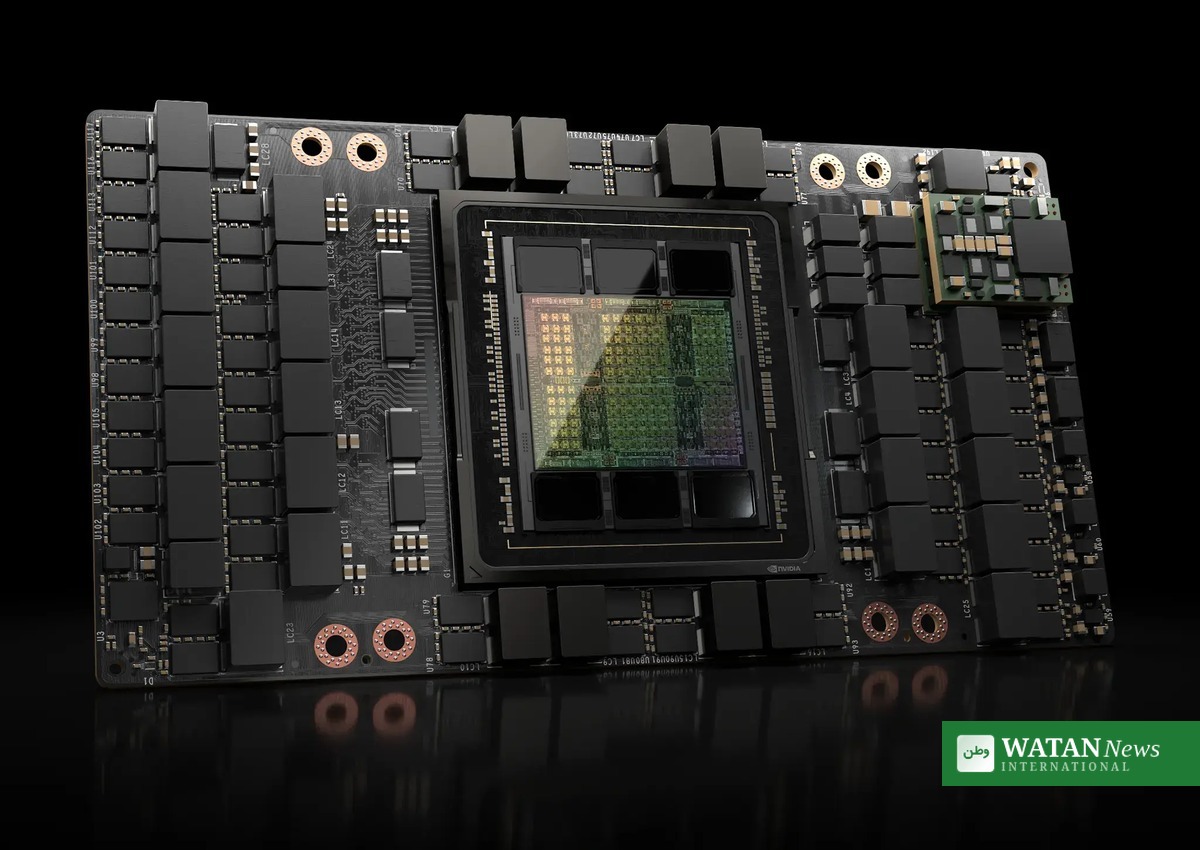
A Chinese university with deep ties to the People’s Liberation Army bought Nvidia’s powerful H200 AI chips last month despite being on a United States export blacklist, procurement records show, in a case that exposes gaps in Washington’s efforts to curb China’s access to advanced technology. The Nvidia H200 chips blacklist case centres on Northwestern Polytechnical University, which purchased two of the chips for 874,700 yuan, about $123,000, according to an October 21 procurement record published on the university’s own website.
FAKTA
- University: Northwestern Polytechnical University, based in Xi’an and a member of China’s “Seven Sons of National Defense” group of defence-focused universities.
- Purchase: Two Nvidia H200 chips for 874,700 yuan ($123,000), bought last month for the university’s management school from Shaanxi Bosuan Network Technology, not directly from Nvidia.
- Blacklist status: The university has been on the US Commerce Department’s Entity List since 2001 over alleged involvement in missile-proliferation activities and military research; restrictions were tightened in 2019.
- Rented access: The university also bought access this year to H200 chips and other Nvidia processors through five contracts for rented computing capacity.
- Source: Reuters review of 26 Chinese procurement and corporate records; Nvidia, the university and the US Commerce Department did not respond to requests for comment.
Nvidia H200 chips blacklist: how the purchase happened
The H200 is among Nvidia’s most capable chips for training and running advanced artificial intelligence systems, and it is subject to US export licence approvals that are normally denied for blacklisted institutions such as Northwestern Polytechnical University. The university conducts research related to military aircraft, missiles and satellites.
Despite that, the management school’s purchase went through a domestic supplier, Shaanxi Bosuan Network Technology. Reuters, which is reporting the chip purchases and computing contracts for the first time, said it could not determine contact details for the supplier. Under Chinese law, public procurement agencies must verify that suppliers can fulfil orders before announcing winning bidders and signing contracts.
The university’s cybersecurity school also awarded two seven-month contracts in January for access to servers containing eight H200 chips each. The contracts, worth 441,700 yuan and 441,000 yuan, covered fine-tuning AI models and reinforcement-learning training. The school also rented access to servers containing eight Nvidia A100 chips and eight A800 chips, which are banned from export to all Chinese entities. In April, another institute at the university bought computing services requiring at least 24 A100 chips in a 375,000 yuan contract for structural and fluid-dynamics simulations.
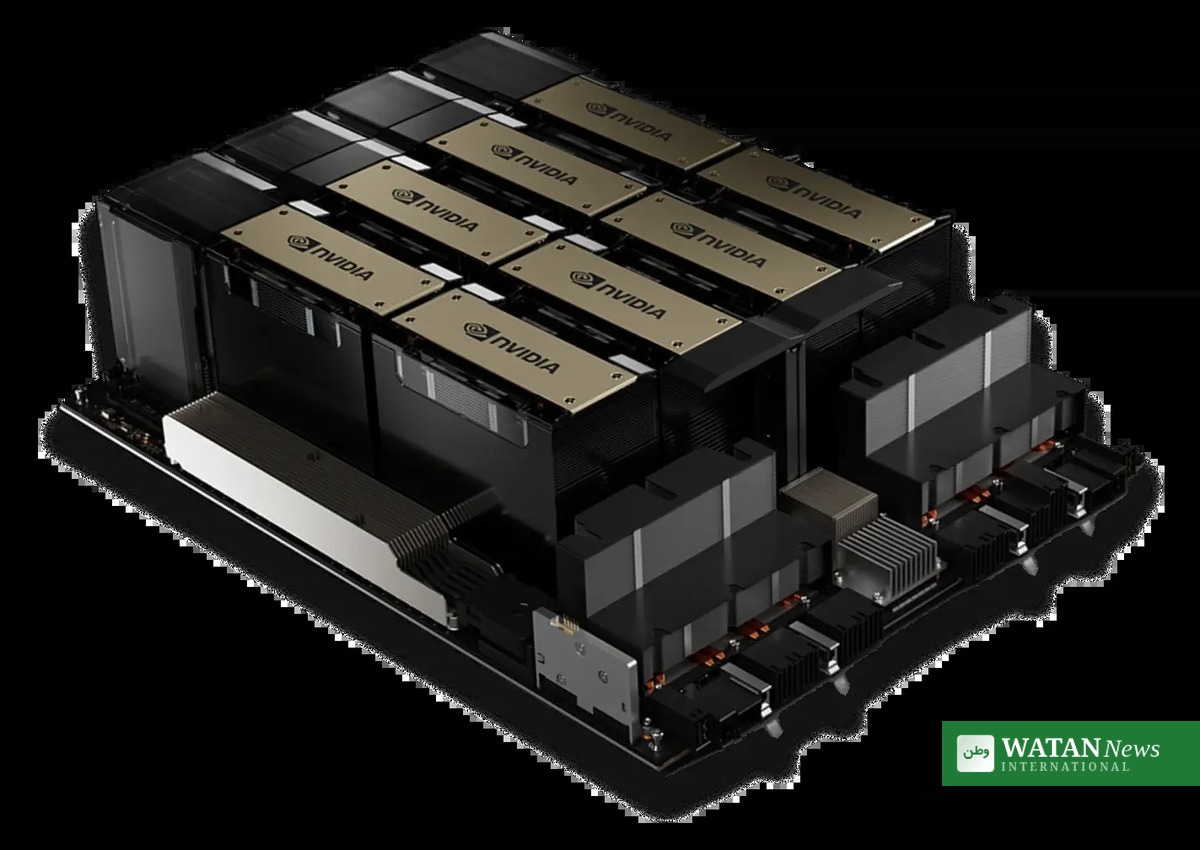
Nvidia Hopper server modules of the kind used for AI training in data centres. (File photo)
A wider pattern across Chinese universities
A Reuters review of 26 Chinese procurement and corporate records from this year found universities and research institutions buying US-restricted Nvidia chips or renting access to Nvidia-powered computing services through domestic suppliers. Several had close links to China’s defence industry or military research, and the records offered scant information about where the processors originated or where the rented servers operated.
Shenzhen University bought three H100 processors, another high-end Nvidia AI chip banned by the US, for 769,800 yuan in September. Wuhan University of Technology bought a server containing an H100 chip for 355,000 yuan in June and four A100 chips in a separate 344,000 yuan purchase. Beihang University, another of the Seven Sons universities with close ties to China’s aerospace and defence industries, bought four A800 processors for 489,000 yuan in April.
Earlier reporting by Bloomberg found that at least seven Chinese military-linked universities were seeking access to H200 chips, including Northwestern Polytechnical University and Beihang University. That review found no evidence of wrongdoing or export-control violations in the cases it examined.
Washington’s scrutiny of Nvidia grows
The findings come as Nvidia and its chief executive, Jensen Huang, face mounting scrutiny in Washington over lobbying for looser restrictions on sales of AI chips to China, following reports alleging Huang was targeted by a Chinese spying operation. Huang has argued that continued US sales to China would preserve American technological leadership and keep Chinese customers reliant on US technology. Some US lawmakers say access to Nvidia’s most powerful AI chips can speed China’s development of AI systems for weapons design, intelligence analysis and military modernisation.
The Trump administration began allowing some H200 exports to China on a case-by-case basis in January, but that policy did not lift the separate restrictions applying to Entity List organisations such as Northwestern Polytechnical University. The January licensing rules also require safeguards to prevent blacklisted entities and military end-users from remotely accessing chips exported under the policy.
Both Democrats and Republicans in Congress have urged stronger controls on China’s access to advanced AI chips, such as chip-tracking requirements and greater congressional oversight of exports. Three Republican congressional committee chairmen have requested a briefing with Huang on November 18 over his reported contacts with an alleged Chinese intelligence operative. Last week, Reuters reported that small quantities of H200 chips had reached China through indirect routes while Beijing withheld approval for large-scale imports.
For more technology coverage, see Watan News Technology.
Author

usmanch0013@gmail.com
Related Posts

COP31 Yearbook: Climate Champions Report a Decade of Action Delivering Results
- 0
- 1,173 word
The Yearbook of Global Climate Action 2026, launched at COP31 in Antalya, reports progress across 44 global indicators and record climate initiatives...
Read out all
Cultural Heritage Takes Centre Stage at COP31 as ICOMOS Opens Six-Day Conference in Antalya
- 0
- 1,170 word
ICOMOS has opened a six-day Cultural Heritage in Climate Action conference at COP31 in Antalya, calling on governments to put heritage into...
Read out all
Fire Breaks Out at Russia’s Ust-Luga Port After Drone Attack; Three Workers Hurt
- 0
- 505 words
A drone attack caused a fire at Russia's Ust-Luga Baltic Sea port, injuring three workers and cutting power, as Lithuania, Latvia and...
Read out all
US Indicts Three Iran-Backed Operatives Over RAF Fairford Terror Plot
- 0
- 1,058 word
Three Iran-backed men have been charged in the United States over the RAF Fairford terror plot and nearly 20 attacks across Europe...
Read out all
COP31 Takes On Climate Misinformation as Universities Launch Briefing and 24-Hour Wikipedia Editathon
- 0
- 1,123 word
At COP31 in Antalya, universities present a new briefing on how false climate claims slow action, while a 24-hour Wikipedia editathon and...
Read out all
Former Iraqi MP Ahmed al-Alwani Found Dead in Beirut Apartment
- 0
- 667 words
Former Iraqi MP Ahmed al-Alwani was found dead in a Beirut apartment after being missing for four days. Lebanese officials say he...
Read out all