- 0
- 1,388 word
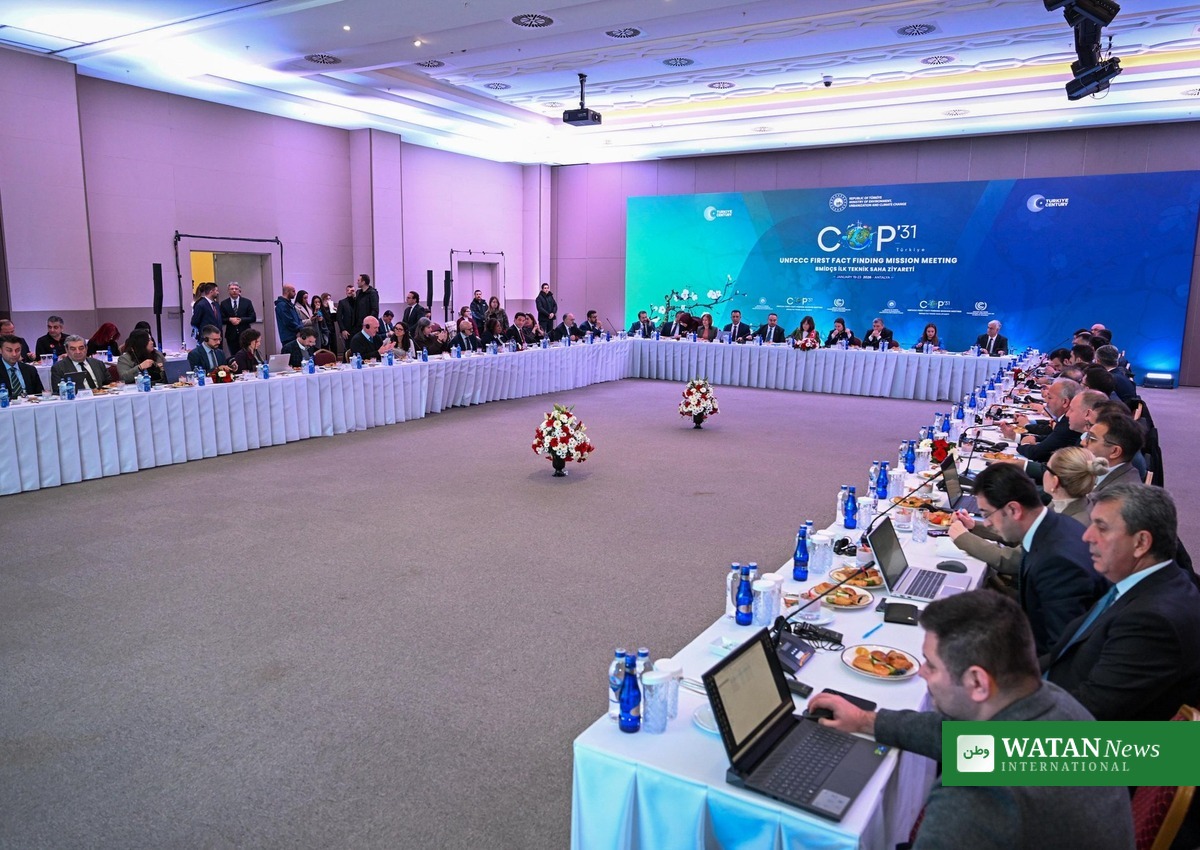
ANTALYA: COP31 turned from promises to delivery on Thursday, as host country Türkiye signed a record $1.6 billion climate policy deal with the Asian Infrastructure Investment Bank (AIIB) and leaders threw their weight behind the Antalya Green Industrialisation Compact.
The two announcements, on the fourth day of the UN climate conference in Antalya, showed the summit’s “implementation” theme taking shape in money, policy and industrial plans — with a further $15 billion renewable-energy agreement between China and Türkiye signed on the sidelines.
A record deal for the host country
The AIIB agreed the $1.6 billion financing package to support a series of policy reforms in Türkiye aimed at attracting the investment the country needs to reach its climate goals, the bank said. It is the largest climate policy-based financing package the AIIB has agreed to date.
Türkiye, a founding member of the bank, will need an estimated $68 billion in additional climate investment by 2030, around half of it from private sources, according to the bank’s statement on Thursday.
The agreement covers fiscal policy, financial regulation and sectoral planning, and supports the implementation of Türkiye’s Climate Law and its plan to cut planet-warming emissions, which includes an interim target for 2035 and aims to achieve net zero by 2053.
“This financing represents AIIB’s largest climate policy-based financing package to date, and we look forward to contributing to Türkiye delivering on its climate ambitions,” said AIIB Chief Investment Officer Konstantin Limitovskiy. Total AIIB climate financing in 2025 was a record $7.47 billion.
Carbon trading, clean power and farming
Part of the support will help Türkiye scale up its nascent emissions trading scheme, under which companies in high-emitting sectors will receive and trade allowances. A domestic carbon price could help Turkish exporters to the European Union in sectors such as steel and cement, as carbon costs paid in Türkiye can be taken into account under the bloc’s carbon border levy.
The programme sets out concrete targets: at least 180 facilities reporting baseline emissions under the scheme by April 2027, and production licences for 1,800 megawatts of wind and solar capacity by early 2027.
It also aims to help 225,000 farmers in water-stressed basins switch to less water-intensive crops by 2028, and to have 50,000 hectares designated as carbon sinks — land that absorbs climate-damaging carbon — by 2028.
The reforms come as Türkiye faces growing pressure from water scarcity, drought, extreme heat, wildfires and urban flooding, with the plan also aiming to strengthen planning and risk management for water, ecosystems and health across the country of 86 million people.
Industry takes centre stage: the Green Industrialisation Compact
The deal landed a day after the first day of the COP31 Leaders’ Summit, where more than 100 national leaders and UN Secretary-General António Guterres gathered in Antalya to build political momentum on electrification, green industry and waste.
At the summit, the COP31 Presidency hosted a leader-level event on advancing green industrialisation and building political support for the Antalya Green Industrialisation Compact. Industry accounts for around a quarter of direct global CO2 emissions, and the compact is intended to accelerate investment in, and create markets for, near-zero and low-emissions industrial production.
Steel, cement and chemicals together are responsible for about 70 per cent of industrial emissions, according to the compact’s official text, which notes that global cumulative investments in near-zero-emissions steel and cement will need to amount to more than $500 billion over 2026–2035.
The compact supports the COP31 Presidency’s targets on electrification and circularity — increasing electricity’s share of global final energy consumption to 35 per cent by 2035 and raising the circular material use rate to at least 15 per cent — with the electrification of industrial processes and the increasing use of circular materials acting as the key mechanisms for decarbonising industry. It builds on the Belém Declaration on Global Green Industrialization, and a Global Green Industrialisation Agenda is to be launched at COP31.
COP31 President Murat Kurum said: “There is much common ground between climate action and the national interest. Using energy more efficiently makes energy supplies more secure. Investing in water strengthens food security. Clean technologies create opportunities for industry and employment. Resilient cities strengthen our economies. Well-designed climate action is an investment in prosperity, security and competitiveness.”
President Recep Tayyip Erdoğan told leaders: “Respect for nature lies at the heart of our civilization. Earth is a sacred trust that must be protected and cared for… we are working to become a part of the solution rather than the problem.” Türkiye published its own National Energy Plan earlier this month, setting out decarbonisation across energy, industry, transport and agriculture.
More deals on the sidelines
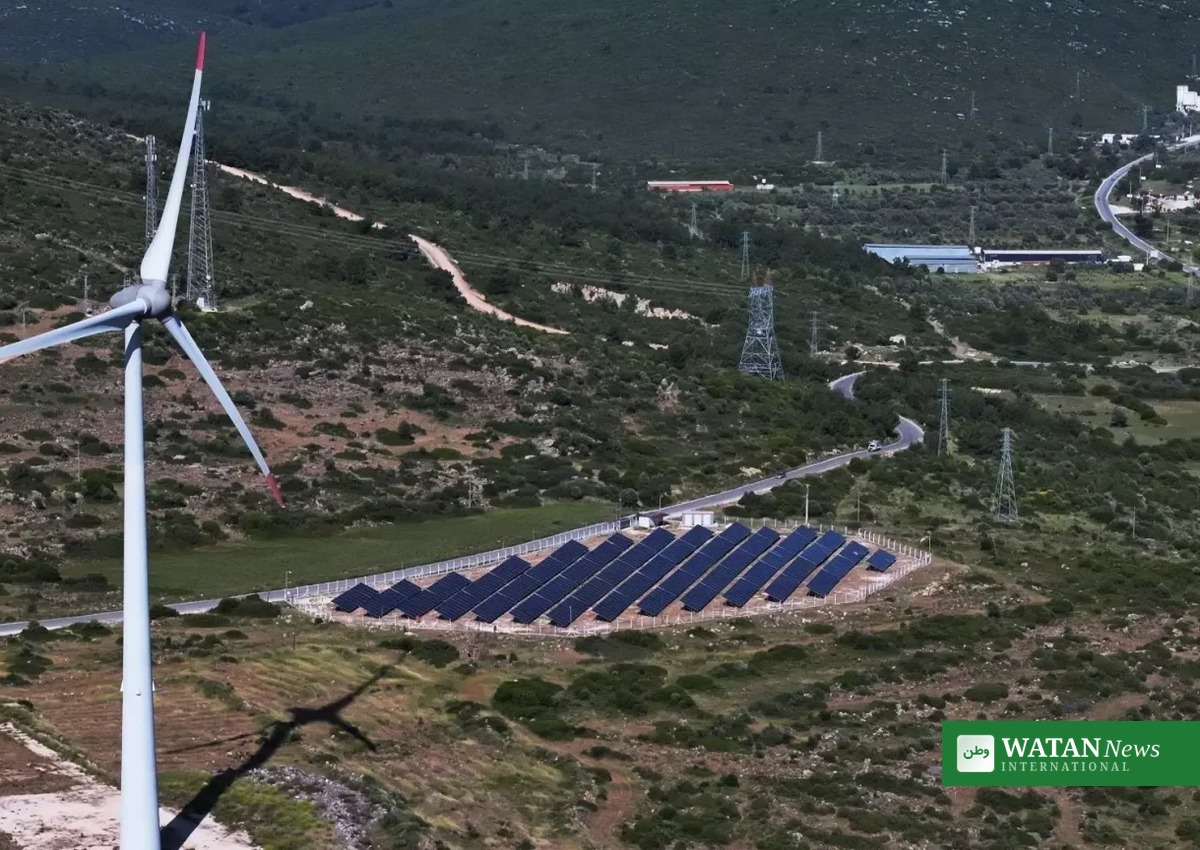
China and Türkiye signed a preliminary agreement on Thursday for China to invest some $15 billion to build solar and wind power plants with a total capacity of 7,000 megawatts in Türkiye, Turkish Energy Minister Alparslan Bayraktar said. The memorandum of understanding between the two countries’ national energy administrations was signed on the sidelines of COP31 in Antalya, and also aims to develop new energy storage systems and 4,000 megawatts of electricity transmission infrastructure.
Leaders’ statements at the summit continue on Thursday, according to Climate Change News, as the conference moves from the set-piece summit into the detailed negotiations. The money and deals announced so far build on the finance push already seen at COP31: on 11 November, a finance coalition and utilities pledged $156 billion a year for electrification.
The urgency behind the action agenda was underlined by the World Meteorological Organization’s State of the Climate Update for COP31, which found the global average temperature between January and September 2026 reached about 1.47°C above pre-industrial levels.
Key facts
- The AIIB agreed a record $1.6 billion climate policy financing package with Türkiye on 12 November — its largest climate policy-based financing to date.
- Türkiye needs an estimated $68 billion in additional climate investment by 2030, around half from private sources; its Climate Law targets net zero by 2053, with an interim target for 2035.
- Programme targets: at least 180 facilities reporting baseline emissions under the emissions trading scheme by April 2027; licences for 1,800 megawatts of wind and solar by early 2027; 225,000 farmers switching to less water-intensive crops by 2028; 50,000 hectares designated as carbon sinks by 2028.
- Industry accounts for around a quarter of direct global CO2 emissions; steel, cement and chemicals together cause about 70 per cent of industrial emissions.
- More than $500 billion in cumulative investment in near-zero-emissions steel and cement will be needed over 2026–2035, according to the Antalya Green Industrialisation Compact.
- China and Türkiye signed a preliminary $15 billion agreement for 7,000 megawatts of solar and wind power, plus energy storage and 4,000 megawatts of transmission infrastructure.
- The COP31 Presidency’s targets: electricity to reach 35 per cent of global final energy consumption by 2035, and the circular material use rate to reach at least 15 per cent.
Frequently asked questions
What is the AIIB climate deal with Türkiye?
It is a $1.6 billion policy-based financing package agreed on 12 November 2026, the largest climate policy financing the Asian Infrastructure Investment Bank has provided to date. It supports reforms in fiscal policy, financial regulation and sectoral planning to help Türkiye implement its Climate Law and reach net zero by 2053.
What is the Antalya Green Industrialisation Compact?
It is a COP31 Presidency initiative backed at the Leaders’ Summit in Antalya to accelerate investment in, and create markets for, near-zero and low-emissions industrial production. Industry causes around a quarter of direct global CO2 emissions, and the compact supports the presidency’s targets of 35 per cent electricity in final energy use and a 15 per cent circular material use rate by 2035.
What will the AIIB money deliver in practice?
The programme sets dated targets: at least 180 facilities reporting baseline emissions under Türkiye’s emissions trading scheme by April 2027, licences for 1,800 megawatts of wind and solar capacity by early 2027, 225,000 farmers in water-stressed basins switching to less water-intensive crops by 2028, and 50,000 hectares designated as carbon sinks by 2028.
What did China and Türkiye agree on renewables?
The two countries signed a preliminary agreement on the sidelines of COP31 for China to invest about $15 billion in solar and wind power plants totalling 7,000 megawatts in Türkiye, along with new energy storage systems and 4,000 megawatts of electricity transmission infrastructure.
Why is COP31 called the “Implementation COP”?
The Turkish presidency presents COP31 as the conference that turns existing climate commitments into measurable action — through finance deals, electrification and industrial compacts, and dated national targets — rather than negotiating new headline pledges.
Author

usmanch0013@gmail.com
Related Posts
COP31 omsætter løfter til handling: Tyrkiets klimaaftale på 1,6 mia. dollar med AIIB og den grønne industrialiseringskompakt
- 0
- 1,392 word
Tyrkiet, vært for COP31 i Antalya, underskrev den 12. november en rekordstor klimapolitisk aftale på 1,6 mia. dollar med Den Asiatiske Infrastrukturinvesteringsbank,...
Read out all
کاپ31 میں عملی اقدامات: ترکیہ کا 1.6 ارب ڈالر کا موسمیاتی معاہدہ اور گرین انڈسٹریلائزیشن کمپیکٹ
انطالیہ میں کاپ31 کے میزبان ترکیہ نے 12 نومبر کو ایشیائی انفراسٹرکچر انویسٹمنٹ بینک سے 1.6 ارب ڈالر کا ریکارڈ موسمیاتی پالیسی...
Read out all
Kerry til COP31: USA vender tilbage til klimakampen, mens køreplan for fossile brændstoffer tager form
- 0
- 1,767 word
USA's tidligere klimasærudsending John Kerry sagde til COP31 i Antalya, at USA vil vende tilbage til klimakampen, da Brasilien fremlagde en køreplan...
Read out all
کاپ31 میں جان کیری کا اعلان: امریکہ موسمیاتی جدوجہد میں واپس آئے گا
سابق امریکی موسمیاتی ایلچی جان کیری نے انٹالیا میں کاپ31 سے کہا کہ امریکہ موسمیاتی جدوجہد میں قیادت کے کردار میں واپس...
Read out all
Kerry Tells COP31 the US Will Return as Fossil-Fuel Roadmap Takes Centre Stage
- 0
- 1,662 word
Former US climate envoy John Kerry told COP31 in Antalya the United States will return to climate leadership, as Brazil presented a...
Read out all
US Envoys Arrive in Moscow for Talks with Putin on Ukraine Peace Deal
- 0
- 678 words
US envoys Jared Kushner and Steve Witkoff arrived in Moscow on Thursday for talks with President Vladimir Putin, the latest push for...
Read out all