- 0
- 1,174 word
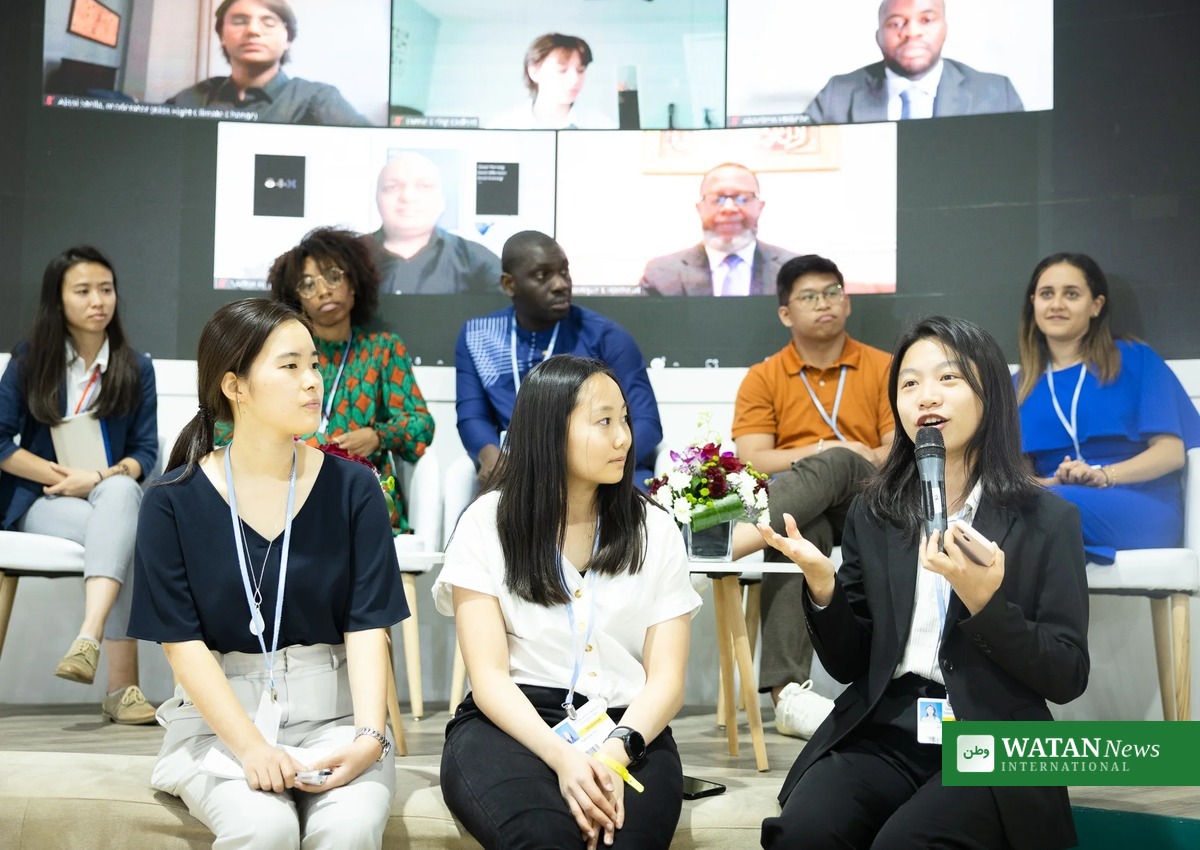
Antalya: More than 100,000 children and young people from 90 countries have written their climate demands into a single document — and on Wednesday, that document was formally launched inside COP31.
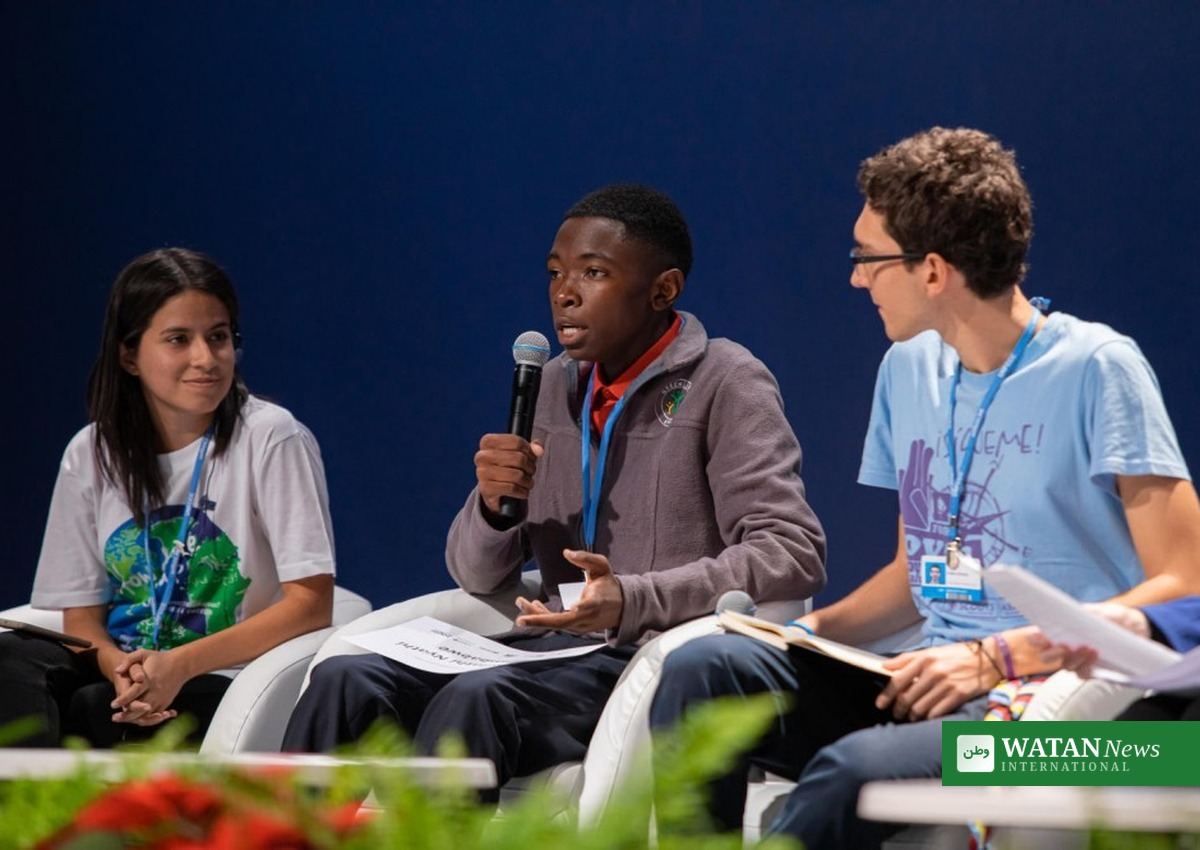
The Global Youth Statement 2026 was officially launched at a youth-led session in the SDG Pavilion in Antalya on 12 November, in the first week of the UN climate conference. Coordinated by YOUNGO, the official children and youth constituency of the UN climate convention, the statement carries young people’s priorities into the negotiations where governments are deciding the next steps on climate action.
The statement had already been presented to the COP31 Presidency — President Murat Kurum — the Presidency of Negotiations, Chris Bowen, and Presidency Youth Climate Champion Sally Higgins at the close of COY21, the global conference of children and youth held in Antalya from 5 to 7 November. It will be formally presented again at the end of COP31.
What young people are asking for
The statement’s priority recommendations, set out in the UN’s official concept note for the launch event, focus on four themes: faster implementation of climate agreements and national climate plans (NDCs); the right to a healthy environment; a fossil fuel phase-out; and a just transition that protects workers and communities. The recommendations link the COP31 themes of zero waste, clean energy transition and children and youth to Articles 2, 4, 8, 11 and 12 of the Paris Agreement.
The launch session also agreed to circulate five to ten of the statement’s policy recommendations to the COP31 Presidencies and the relevant negotiating groups, and young delegates are pressing for formal recognition of the statement in the official COP31 outcome text.
Alongside the full statement, YOUNGO has published three further editions: a child-friendly version, a set of negotiation-aligned demands that connect global youth priorities with national climate realities, and a national and regional edition drawn from local and regional conferences of youth. A summary of the statement’s ten key priorities is also being circulated to negotiators.
Built from the ground up
The statement was not written in a conference room. Its inputs came from YOUNGO’s working groups, partner organisations, individual youth submissions and the local and regional conferences of youth held around the world through the year. More than 50 policy hackathon sessions refined the raw inputs into negotiation-ready demands, and YOUNGO volunteers synthesised them into a single document aligned with the UN climate process.
One working-group edition shows how detailed the work is. The food and agriculture statement, published on 5 October and written by 31 young representatives from more than 25 countries, notes that agrifood systems sustain more than four billion people and that 1.3 billion young people aged 15 to 24 — 44 per cent of working youth — depend on them. It calls on governments to act across six negotiation tracks as the four-year Sharm el-Sheikh Joint Work on agriculture and food security concludes at COP31.
UNICEF, the ChildFund Alliance and the Zero Waste Foundation are among the organisations standing behind the statement, and the Climate Cardinals network is supporting its distribution in multiple languages.
Education takes centre stage today
The youth agenda continues today, 13 November, with the fourth annual meeting of the Greening Education Partnership. Its working-group meeting runs from 10:00 to 12:00 in the Blue Zone, bringing governments, partners and education leaders together to take stock of progress on greening education and set priorities for the next phase of the partnership.
Tomorrow, 14 November — COP31’s Children, Youth, Education and Skills Day — the COP31 Presidency and the partnership will co-host a high-level ministerial meeting, co-organised by Türkiye’s Ministry of National Education, UNESCO and the OECD. The morning session will focus on country experiences with climate-friendly schools and teacher training; the afternoon will examine climate literacy as a measurable learning outcome, including in relation to the PISA 2029 assessment, and launch the partnership’s monitoring and evaluation working group.
The education focus matters because climate change is already disrupting learning. A 2026 analysis by UNICEF and Dalberg found that climate-related disruptions affected learning for an estimated 130 million children across Eastern and Southern Africa between 2005 and 2024. The COP31 Presidency’s Antalya Protocol for Action calls for climate curricula in schools by 2030 and climate awareness by 2035.
What happens next
Tomorrow’s youth day also brings the headline event of the Youth Lead Climate Forum and a youth-negotiator roundtable from 11:00 to 14:00 in the Akdeniz plenary hall, and a press conference for the Global Child Climate Manifesto 2026 at 09:30. The Loss and Damage Youth Coalition has published its own COP31 statement of demands — 13 demands across finance, governance and human rights — adding a further youth voice to the second week of negotiations.
Earlier this week, Danish youth delegates brought their own manifesto film to COP31, and Turkmenistan signed the Declaration on Children, Youth and Climate Action on 11 November.
The statement itself is an advocacy document: its recommendations do not automatically become COP decisions. Its influence will depend on whether governments carry its demands into the negotiations and follow through in policy and implementation. That is the test young people at COP31 are now watching — and the reason they say they must be treated as partners in climate action, not consulted after decisions are made.
Key facts
- The Global Youth Statement 2026 was officially launched at COP31 in Antalya on 12 November 2026, at a session in the SDG Pavilion.
- More than 100,000 children and young people from 90 countries contributed to the statement.
- YOUNGO, the UN climate convention’s official children and youth constituency, coordinates the statement.
- Its priorities include faster NDC implementation, the right to a healthy environment, a fossil fuel phase-out and a just transition.
- 14 November is COP31’s Children, Youth, Education and Skills Day.
Frequently asked questions
What is the Global Youth Statement 2026?
It is the official youth document for COP31, coordinated by YOUNGO, the UN climate convention’s children and youth constituency. More than 100,000 children and young people from 90 countries contributed to it through local and regional conferences of youth, working groups and individual submissions.
What are young people asking for at COP31?
Faster implementation of climate agreements and national climate plans, the right to a healthy environment, a fossil fuel phase-out and a just transition. They are also pressing for formal recognition of the statement in the official COP31 outcome text.
Who is YOUNGO?
YOUNGO is the official children and youth constituency of the UN Framework Convention on Climate Change. It represents children and young people up to the age of 35, makes official statements, gives technical and policy recommendations and engages with decision-makers — though, unlike a government delegation, it cannot negotiate or adopt COP decisions itself.
What happens on Children, Youth, Education and Skills Day on 14 November?
COP31 dedicates 14 November to children, youth, education and skills. The day includes a high-level ministerial meeting on greening education, the headline event of the Youth Lead Climate Forum with a youth-negotiator roundtable, and a press conference for the Global Child Climate Manifesto 2026.
Does the statement automatically change COP31 decisions?
No. It is an advocacy document, and its recommendations do not automatically become COP decisions. Its influence depends on whether governments carry its demands into the negotiations and follow through in policy and implementation.
Author

usmanch0013@gmail.com
Related Posts
Ukraine Claims Drone Strike on Russian Warship in Gulf of Finland as Finland Confirms Attack
- 0
- 964 words
Ukraine says its security service struck the Russian missile corvette Naro-Fominsk with drones in the Gulf of Finland, while Finland confirmed its...
Read out all
Four Killed as Ukrainian Drones Hit Industrial Zone in Russia’s Volgograd
- 0
- 418 words
Four people were killed and two injured when Ukrainian drones struck an industrial zone in Volgograd, in the deadliest drone attack on...
Read out all
Tongas premierminister modtager pris for klimaresiliens ved COP31
- 0
- 1,207 word
Tongas premierminister Lord Fakafanua modtog prisen for klimaresiliens ved COP31 i Antalya og opfordrede verden til at anerkende hvalbeskyttelse som en del...
Read out all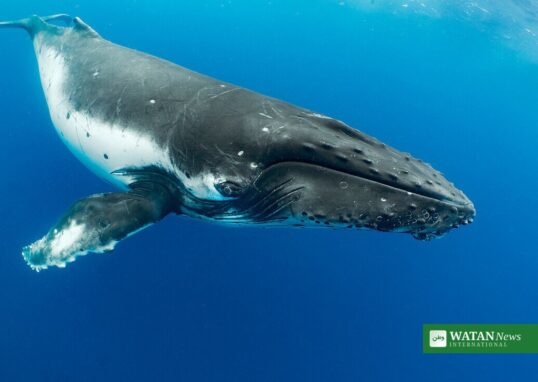
کاپ31 میں ٹونگا کے وزیراعظم کو موسمیاتی لچک کا ایوارڈ
ٹونگا کے وزیراعظم کو کاپ31 میں موسمیاتی لچک کا ایوارڈ ملا؛ انہوں نے وہیل کے تحفظ کو عالمی موسمیاتی ردعمل کا حصہ...
Read out all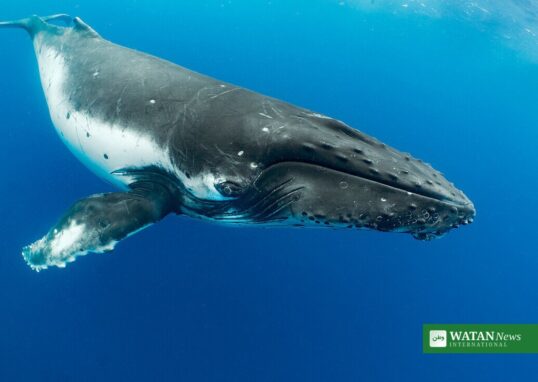
Tonga PM Receives Climate Resilience Award as Global Impact Leaders Honoured at COP31
- 0
- 1,184 word
Tonga's Prime Minister Lord Fakafanua received the Climate Resilience Award at COP31 in Antalya, urging the world to recognise whale conservation as...
Read out all
Bitcoin Crashes Below $70,000 as Crypto Sell-Off Deepens
- 0
- 440 words
Bitcoin fell below $70,000 on Friday for the first time since August, with more than $1.3 billion in leveraged crypto positions wiped...
Read out all