- 0
- 1,184 word
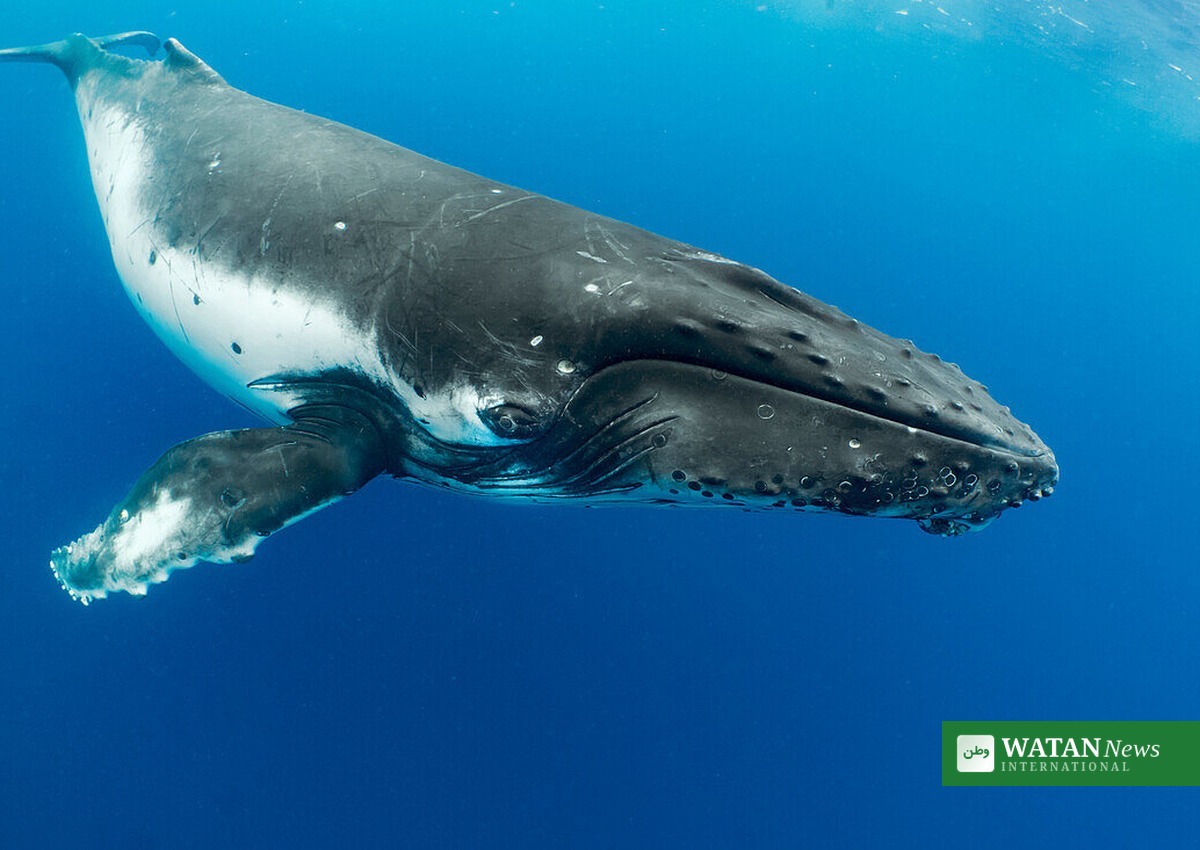
Antalya, 13 November 2026 — Tonga’s Prime Minister Lord Fatafehi Fakafānua has received the Climate Resilience Award at the Global Impact Leaders Summit and Honors Ceremony held in the COP31 Blue Zone in Antalya, using the moment to argue that whale conservation and ocean protection must be recognised as part of the global climate response.
The two-day summit, hosted by the Global CSR Foundation, The European magazine and Rotary International at the Rotary International Pavilion in Hall B2, brought together heads of government, ministers, scientists, investors and young leaders to recognise the 100 Global Impact Leaders, a programme celebrating people and organisations delivering measurable progress on climate action and the United Nations Sustainable Development Goals.
A Pacific voice in the Blue Zone
Fakafānua received the recognition on 10 November from Jing Zhao Cesarone, founder and chief executive of the Global CSR Foundation. In a special address, he spoke about sea-level rise and climate justice for small island states, and about the ocean’s central role in the climate system.
He used the example of a humpback whale mother leaving Tongan waters to feed in the Southern Ocean to show how migratory species connect marine ecosystems across national boundaries, and called for whale conservation to be recognised as part of the global climate response.
“For Tonga and the wider Pacific, climate action must account for the health of the ocean and the biodiversity it sustains,” the Tongan Prime Minister’s Office said, adding that the recognition was an opportunity to bring Tonga’s perspectives on ocean conservation and climate action into the international discussions at COP31.
A sanctuary since 1978
The recognition also highlighted Tonga’s longstanding commitment to whale protection. In 1978, the late King Tāufaʻāhau Tupou IV issued a Royal Decree prohibiting whale hunting in Tongan waters and establishing the country as a whale sanctuary.
Tonga’s government said whale protection was part of the wider Pacific effort to safeguard marine ecosystems, strengthen ocean resilience and protect the natural resources relied on by island communities.
Two days of working solutions
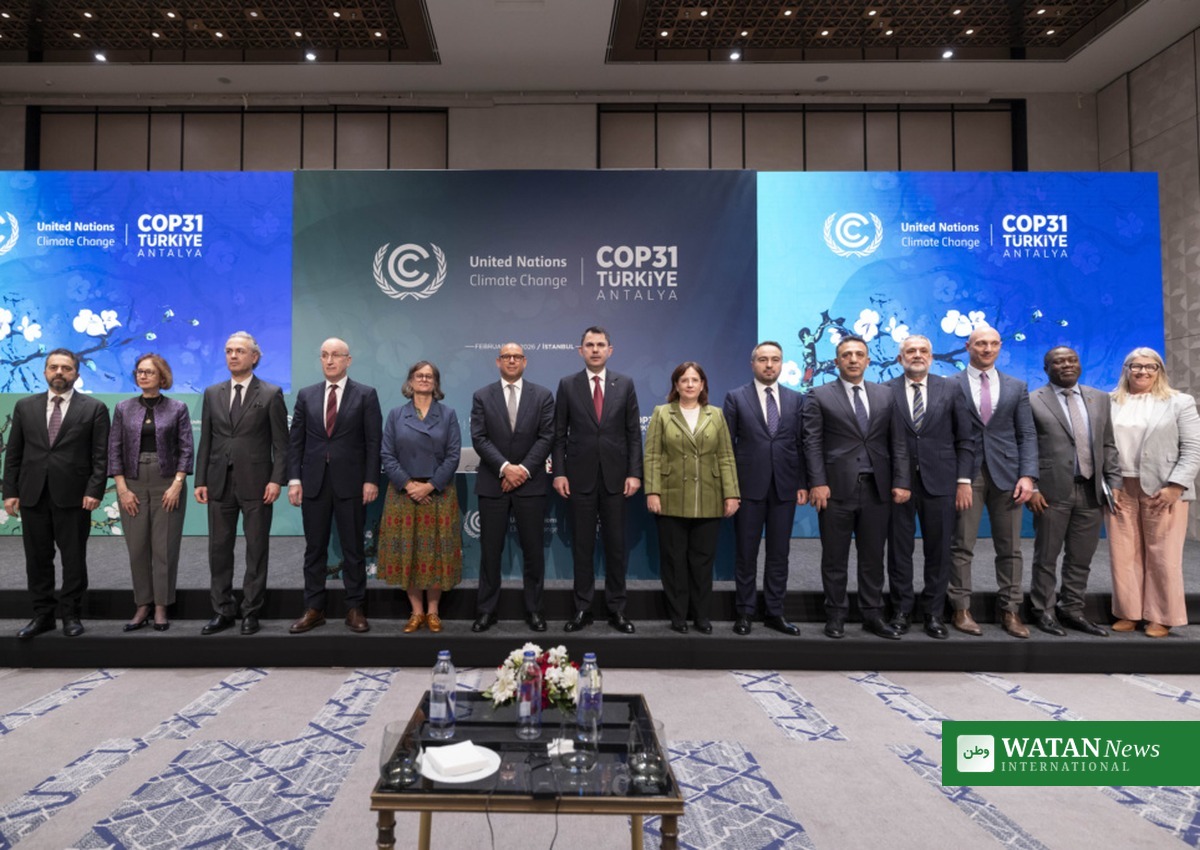
The summit opened on 10 November with Cheng Gloria Ai as master of ceremonies and a keynote by Max Studennikoff on financing the green transition. Ten honorees shared solutions already in practice, from endangered species conservation and women’s leadership in the power sector to clean energy, freshwater protection and community forestry.
Among them, climate scientist Daniel Kammen received the Climate Action Leadership Award, and Dr Maximiliano Puig, executive vice president of the Dominican Republic’s National Council for Climate Change and Carbon Market, was honoured as one of the 100 Global Impact Leaders.
On 11 November, Juan Carlos Monterrey, Panama’s first Special Representative for Climate Change, gave a special address bringing the latest from the negotiating rooms into the pavilion, and physician and biomedical researcher Dr Gabriela Szalayova presented her work on microplastics, women’s health and reproductive risks. The summit closed with the COP31² Youth Forum, recognising 31 young leaders under the age of 31.
The first 50 honorees were announced on 29 October, and the complete list of 100 is expected by the end of 2026. Earlier ceremonies were held in Las Vegas in September, at United Nations Headquarters in New York in October and in Rome. The COP31 gathering was the initiative’s concluding and largest in-person recognition event of the year.
Why the recognition matters
The award puts a Pacific island voice at the centre of COP31, which runs from 9 to 20 November at the Antalya Expo Center with nearly 200 countries and more than 100,000 participants. COP31 negotiations president Chris Bowen has warned that only 0.2 per cent of climate adaptation finance reaches small island developing states, according to Pacific Islands News Association reporting from Antalya — the countries facing the sharpest sea-level rise.
The summit’s message was that recognition should follow results. “For two days we heard from prime ministers, lawmakers, scientists, investors, journalists and students, and every one of them came with something that’s already working,” said Jing Zhao Cesarone, founder and chief executive of the Global CSR Foundation. “COP31 will end, but this network won’t. Our job now is to keep these leaders connected and help their solutions travel.”
COP31 has been branded the “implementation COP”, focused on turning existing pledges into concrete, measurable action. Its World Leaders’ Summit, hosted by President Recep Tayyip Erdoğan, ran on 11 and 12 November alongside the second day of the Global Impact Leaders Summit. For more on how the talks are moving from pledges to delivery, read how COP31’s just transition mechanism is taking shape and how climate law took centre stage in Antalya.
FAKTA
- Event: 2026 Global Impact Leaders Summit and Honors Ceremony
- Dates: 10–11 November 2026
- Venue: Rotary International Pavilion, Hall B2, COP31 Blue Zone, Antalya Expo Center, Türkiye
- Hosts: Global CSR Foundation, The European magazine and Rotary International
- Climate Resilience Award: Lord Fatafehi Fakafānua, Prime Minister of Tonga, received on 10 November 2026
- Programme: 100 Global Impact Leaders; first 50 announced 29 October 2026; full list expected by the end of 2026
Frequently asked questions
What is the 100 Global Impact Leaders programme?
It is a recognition programme run by the Global CSR Foundation and The European magazine that honours 100 people and organisations whose work delivers measurable progress on climate action and the United Nations Sustainable Development Goals. Honorees are chosen by an independent judging panel on written impact dossiers covering results, scale, innovation and alignment with the goals.
Who received the Climate Resilience Award at COP31?
Lord Fatafehi Fakafānua, Prime Minister of the Kingdom of Tonga. He received the award on 10 November 2026 at the Global Impact Leaders Summit in the COP31 Blue Zone in Antalya, presented by Jing Zhao Cesarone, founder and chief executive of the Global CSR Foundation.
Why did Tonga’s prime minister talk about whales at a climate conference?
He argued that ocean health is part of climate resilience. Using a humpback whale mother that leaves Tongan waters to feed in the Southern Ocean, he showed how migratory species connect ecosystems across borders. Tonga has protected whales since 1978, when the late King Tāufaʻāhau Tupou IV banned whale hunting in Tongan waters and made the country a whale sanctuary.
What is COP31?
COP31 is the 31st United Nations Climate Change Conference, held from 9 to 20 November 2026 at the Antalya Expo Center in Türkiye. Türkiye holds the presidency under Murat Kurum, while Australia’s Climate Change and Energy Minister Chris Bowen leads the negotiations. The hosts have branded it the “implementation COP”, focused on turning pledges into concrete action.
What happens next for the Global Impact Leaders?
The final list of the 100 Global Impact Leaders will be announced by the end of 2026, with honoree profiles featured in The European magazine. The organisers say the network of honorees will keep working together after COP31 ends on 20 November.
The summit showed that the people already delivering climate solutions come from every region and every sector — and that small island states, which face the greatest risk, are leading the call to protect the ocean that sustains them.
Author

usmanch0013@gmail.com
Related Posts
Tongas premierminister modtager pris for klimaresiliens ved COP31
- 0
- 1,207 word
Tongas premierminister Lord Fakafanua modtog prisen for klimaresiliens ved COP31 i Antalya og opfordrede verden til at anerkende hvalbeskyttelse som en del...
Read out all
کاپ31 میں ٹونگا کے وزیراعظم کو موسمیاتی لچک کا ایوارڈ
ٹونگا کے وزیراعظم کو کاپ31 میں موسمیاتی لچک کا ایوارڈ ملا؛ انہوں نے وہیل کے تحفظ کو عالمی موسمیاتی ردعمل کا حصہ...
Read out all
Bitcoin Crashes Below $70,000 as Crypto Sell-Off Deepens
- 0
- 440 words
Bitcoin fell below $70,000 on Friday for the first time since August, with more than $1.3 billion in leveraged crypto positions wiped...
Read out all
China Stages Unannounced Pacific Drills Around Taiwan in ‘Silent Intimidation’, Taipei Says
- 0
- 990 words
China carried out large unannounced military drills around Taiwan with more than 100 warships, Taipei says, in what officials call 'silent intimidation'...
Read out all
Pakistan’s Diabetes Crisis Deepens as 34.5 Million Live With the Disease
- 0
- 476 words
Nearly one in three adults in Pakistan lives with diabetes, the world's highest rate, and the government has proposed a Rs6.8 billion...
Read out all
Klimalov og governance i centrum ved COP31, da jurister samles i Antalya
- 0
- 1,276 word
Jurister og klimaeksperter samles på Antalya Bilim Universitet til Klimalov- og Governance-dagen 2026, samme dag som COP31 sætter fokus på finansiering og...
Read out all