- 0
- 964 words
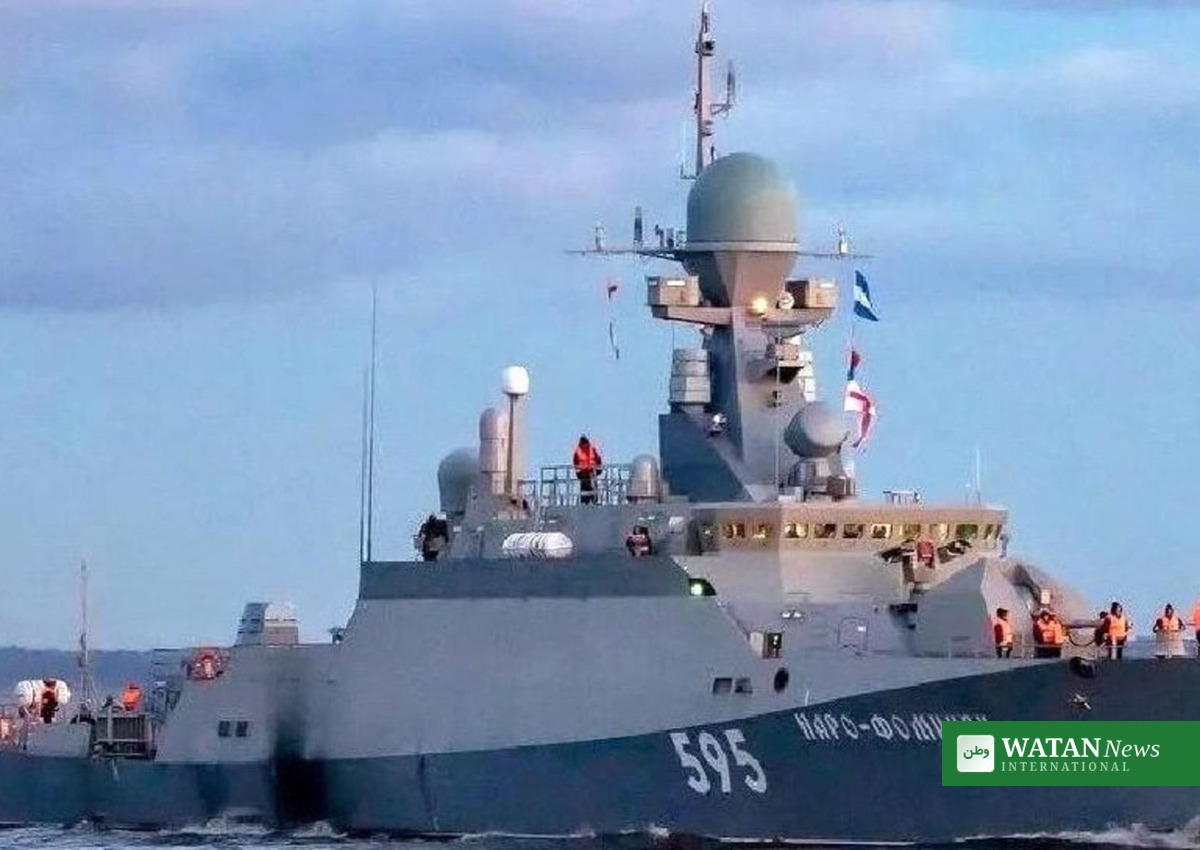
Ukraine says its security service struck the Russian missile corvette Naro-Fominsk with drones in the Gulf of Finland, in what is thought to be the first such attack on a Russian warship in the Baltic Sea. The Naro-Fominsk Gulf of Finland strike took place during the night of 10–11 November, as part of a wider Ukrainian drone operation against the Ust-Luga oil export port. Finland confirmed that its armed forces detected a strike on a Russian warship in the area, while Estonia said the vessel was hit early on Wednesday morning and headed back towards St Petersburg.
FAKTA
- What happened: Ukraine’s Security Service (SBU) says it planned and carried out a drone strike on the Russian missile corvette Naro-Fominsk in the Gulf of Finland.
- When: During the night of 10–11 November 2026. Estonia’s defence minister said the ship was hit at about 05:30 local time on Wednesday 11 November.
- Where: In international waters near the Russian-held island of Gogland, about 40 kilometres off the Finnish coast near Kotka.
- Confirmation: Finland’s armed forces confirmed they detected a strike on a Russian warship and have monitored the situation since. Finland has not publicly named the ship or confirmed what caused the strike.
- Damage: The extent of the damage and any casualties is unknown. The ship left the area under its own power, according to Finnish and Estonian officials.
- The ship: The Naro-Fominsk is a Buyan-M-class small missile corvette of Russia’s Baltic Fleet, commissioned in December 2023 and armed with Kalibr and Oniks cruise missiles.
What happened in the Naro-Fominsk Gulf of Finland strike
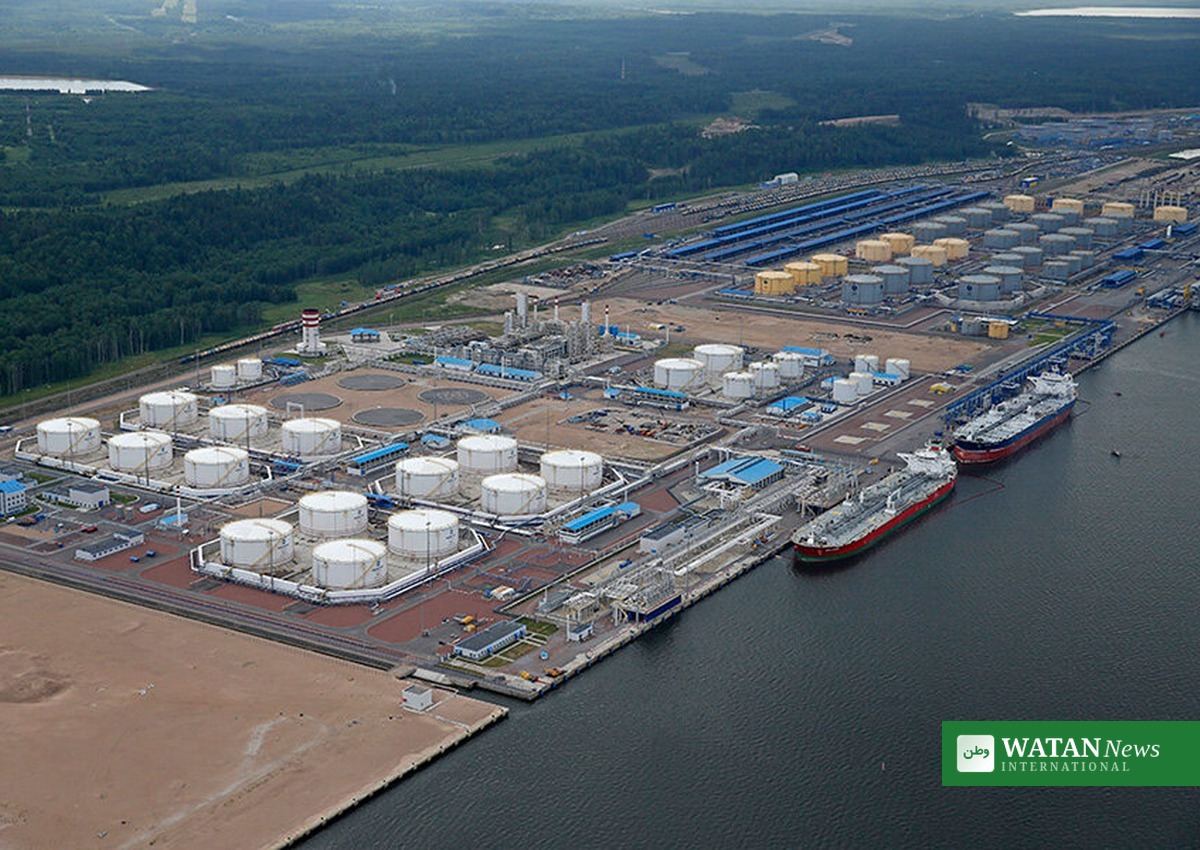
Ukraine’s Security Service said it targeted the Naro-Fominsk as part of a wider drone operation against the oil export port of Ust-Luga on the Baltic coast. The SBU said it had planned and carried out the attack, but it did not say what weapon was used and did not provide evidence of the damage caused to the vessel.
A spokesperson for Finland’s Defence Forces said on Thursday that the military had detected a strike on a Russian warship in the Gulf of Finland and had monitored the situation since, but would not say where, when or how the strike had been detected.
Brigadier General Markku Viitasaari of Finland’s defence ministry told the newspaper Helsingin Sanomat that Finnish sensors recorded flashes and smoke from the ship in international waters near Gogland. He said Finnish officials at first thought the ship was firing at Ukrainian drones, before sensor data showed at least one explosion on board.
Viitasaari also said the corvette had been escorting vessels linked to Russia’s so-called shadow fleet of tankers carrying sanctioned oil.
Finland and Estonia confirm a strike — but not the ship
Estonia’s defence minister, Martin Herem, told the public broadcaster ERR that the ship was hit at about 05:30 local time on Wednesday. “We know that smoke came from the ship afterwards. The ship itself went back towards St Petersburg,” he said. Estonia had not established independently who caused the blast, he added.
Estonia’s foreign minister, Margus Tsahkna, said preliminary information from the country’s Police and Border Guard Board indicated that a group of drones had approached the Russian warship from Russian territory.
Finland’s foreign minister, Elina Valtonen, said the situation in the Baltic Sea remained stable and that there was no threat to shipping. Finland imposed temporary air and sea restrictions in the area on Wednesday morning as a precaution after a suspected drone entered its airspace for about five minutes.
A first for the Baltic Sea
The attack is thought to be the first time Ukrainian drones have struck a Russian ship in an area of the Baltic Sea open to civilian maritime traffic. Defence analysts have described it as the first Ukrainian attack on an operational Russian warship at sea in the region since the full-scale invasion began.
Military analyst Emil Kastehelmi said the Baltic Fleet had been untouched until now. “The Baltic Sea fleet has been untouched up to this point but there seemingly was a window of opportunity for Ukraine and they understandably tried to use it,” he said.
The Gulf of Finland is a narrow stretch of water between Finland, Estonia and Russia. Its eastern part is a busy route for tankers and civilian ships and carries undersea data cables, which is why the incident has drawn close attention from the region’s governments.
The wider operation at Ust-Luga
The strike on the warship came during a wider overnight drone operation against port, oil-processing and transport infrastructure at Ust-Luga in Russia’s Leningrad region. Ukraine’s general staff said five oil storage tanks were damaged at the port in the same operation, and Russian regional authorities said three workers were injured.
Kyiv has stepped up long-range drone attacks on Russian energy sites along the Baltic coast in recent weeks. Moscow accuses Ukraine of routing drones through the airspace of NATO’s Baltic members, a claim Ukraine’s foreign ministry has called baseless.
What remains unclear
Several important details remain unclear. The SBU has published no photo or video evidence of the strike on the ship, and the extent of the damage — or whether any crew members were injured — is not known. Moscow has not commented on the ship, and Finland has not publicly confirmed that the vessel its sensors detected was the Naro-Fominsk.
What is confirmed is that a Russian warship was struck in the Gulf of Finland, that Finland and Estonia both detected the incident, and that the ship was able to leave the area under its own power. Read the full story on Watan News: Russian warship hit in Gulf of Finland.
Author

usmanch0013@gmail.com
Related Posts
Israeli Artillery Strikes Five Towns in Southern Lebanon; Drones Spotted Over Beirut
- 0
- 482 words
Israeli forces shelled five towns across southern Lebanon on Friday, while drones flew over Beirut. No casualties were reported, but the attacks...
Read out all
Four Killed as Ukrainian Drones Hit Industrial Zone in Russia’s Volgograd
- 0
- 418 words
Four people were killed and two injured when Ukrainian drones struck an industrial zone in Volgograd, in the deadliest drone attack on...
Read out all
Tonga PM Receives Climate Resilience Award as Global Impact Leaders Honoured at COP31
- 0
- 1,184 word
Tonga's Prime Minister Lord Fakafanua received the Climate Resilience Award at COP31 in Antalya, urging the world to recognise whale conservation as...
Read out all
Bitcoin Crashes Below $70,000 as Crypto Sell-Off Deepens
- 0
- 440 words
Bitcoin fell below $70,000 on Friday for the first time since August, with more than $1.3 billion in leveraged crypto positions wiped...
Read out all
China Stages Unannounced Pacific Drills Around Taiwan in ‘Silent Intimidation’, Taipei Says
- 0
- 990 words
China carried out large unannounced military drills around Taiwan with more than 100 warships, Taipei says, in what officials call 'silent intimidation'...
Read out all
Pakistan’s Diabetes Crisis Deepens as 34.5 Million Live With the Disease
- 0
- 476 words
Nearly one in three adults in Pakistan lives with diabetes, the world's highest rate, and the government has proposed a Rs6.8 billion...
Read out all