- 0
- 1,519 word
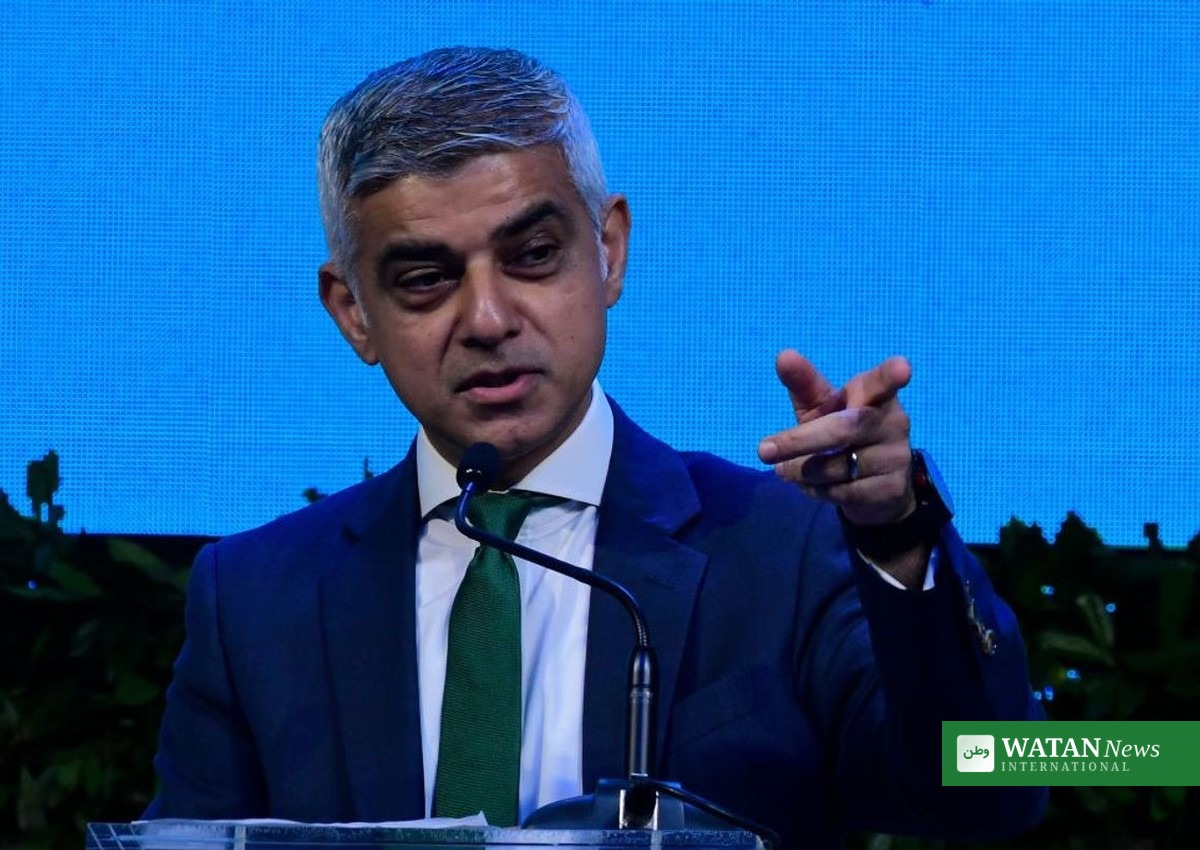
Antalya, Türkiye — London Mayor Sadiq Khan warned world leaders at COP31 that climate disinformation has become a direct threat to both the planet and democracy, as new international research shows that around one in three people in five major cities believe misleading climate claims more than accurate information.
Addressing the World Leaders Summit’s High-Level Dialogue on Urban Resilience, Adaptation, and Climate Action in Antalya on 12 November 2026, Khan called for a global fightback against falsehoods that, he said, are slowing climate action and eroding public trust. His warning came as 69 cities set out concrete climate plans for 2027 under C40’s Yearly Offer of Action, shifting the COP31 discussion from promises towards delivery.
A “one-two punch” to the planet and democracy
“Climate disinformation is a one-two punch to the planet and democracy,” Khan told world leaders. “But here in Türkiye, we’re calling on the world to get its guard up to defend itself and mount a comeback – to deal a knockout blow to the dark forces distorting debate.”
He urged leaders to resist attacks on the facts and to keep a relentless focus on unlocking the finance and expertise needed to fund climate action and adaptation around the world. His intervention aligns with the United Nations initiative on information integrity, and he warned that organised efforts to distort public debate threaten to undermine progress on climate action.
The research: one in three believes the misleading claim
New research commissioned by C40 Cities and conducted by Panterra Group surveyed more than 4,700 residents across London, Santiago, Cape Town, Melbourne and Quezon City in the Philippines. It found that around one in three respondents sided with misleading statements about climate change and climate policies when presented alongside accurate information.
The same research found widespread exposure to suspected misinformation: between 73% and 90% of residents across the five cities reported encountering information they believed could be false or misleading. The figures were highest in Santiago, where 90% of residents said they regularly encounter suspected misinformation, followed by London at 84% and Melbourne at 82%. In Cape Town, around half of residents sided with the disinformation statements presented, while in Quezon City between 31% and 35% identified more closely with misleading claims about climate change, extreme heat and air pollution.
The surveys tested claims suggesting that extreme heat is no worse than in previous generations, that climate policies restrict personal freedoms, and that it is too late to take meaningful action on climate change. Separate research for C40 by disinformation analysts at Valent found that many C40 cities have seen a surge in coordinated attacks around El Niño, with inauthentic discourse making up as much as 59% of engagements in C40’s Brazilian cities.
A separate YouGov poll for City Hall found that 65% of Londoners believe climate disinformation is widespread on social media. The poll surveyed 1,128 London residents aged 18 and over between 16 and 25 October 2026.
London’s own fight: the clean air zone
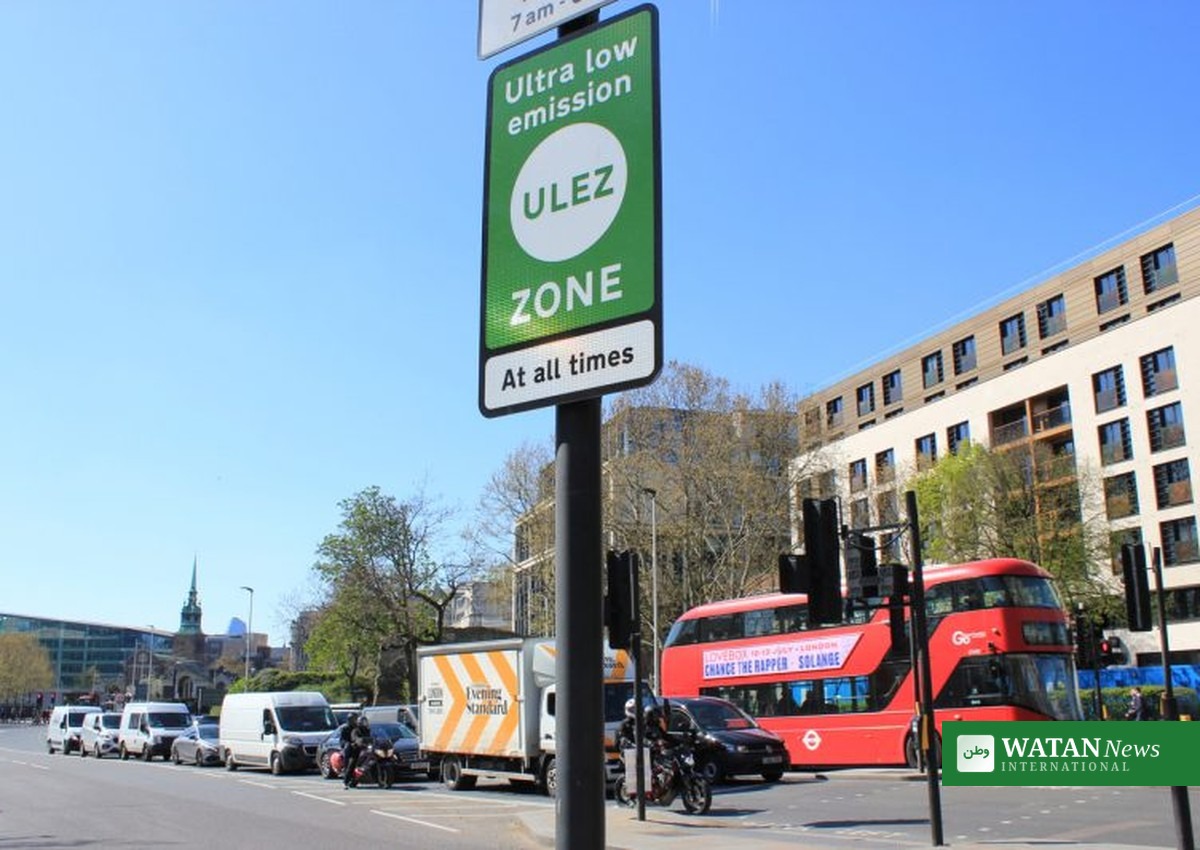
Khan drew on London’s experience of confronting misleading claims about its climate policies, including the expansion of the city’s Ultra Low Emission Zone (ULEZ), now the world’s largest clean air zone. “London is no stranger to lies,” he said. “When we expanded our clean air zone, now the largest in the world in 2023, we faced one of the most sophisticated disinformation campaigns ever seen. We overcame it and won. But evidence from all five continents shows London was just the canary in the coal mine.”
He pointed to independent research as proof that leaders must stand behind the evidence. A study led by Queen Mary University of London and published in The Lancet Public Health followed more than 3,400 primary school children in central London and Luton over five years after the ULEZ was introduced in central London in 2019. It linked cleaner air to faster lung growth in children: the share of children with clinically impaired lung function fell from 14% to 9% in the London group, compared with a fall from 9% to 7% in Luton. A separate City Hall assessment estimates that roadside nitrogen dioxide in central London is 54% lower than it would have been without the zone.
In June 2026, Khan launched City Climate Facts during London Climate Action Week, an initiative to help cities counter climate misinformation, strengthen public understanding of climate policies and rebuild trust.
Five years of championing cities
Khan’s intervention at COP31 is the latest in a series of appearances during his five years as C40 Co-Chair, in which he has championed the role of cities in delivering practical climate action. Since becoming C40 Chair in 2021, he has helped strengthen a network of 97 major cities representing 920 million people and nearly a quarter of the global economy. More than three-quarters of C40 cities have already reached peak emissions, and the network’s cities are reducing per capita emissions five times faster than the global average.
He also championed cleaner air through Breathe Cities, delivered by Bloomberg Philanthropies, C40 Cities and the Clean Air Fund, which is helping improve air quality for 88 million people. The initiative has supported 26 local clean air policies and deployed more than 1,200 sensors to monitor hyper-local pollution. Its Clean Air Accelerator now includes 52 mayors, representing more than 250 million people, committed to air quality targets aligned with World Health Organization guidelines. Signatory cities have achieved an average 6% reduction in PM2.5 and an 11% reduction in nitrogen dioxide since 2018 – translating into more than 21,000 lives saved from air pollution, 240,000 years of life gained and more than 48,000 cases of childhood asthma prevented worldwide, saving $47 billion.
Michael R. Bloomberg, UN Special Envoy on Climate Ambition and Solutions, paid tribute to Khan’s leadership: “As co-chair of C40, Sadiq Khan has been a champion for cities around the world, helping leaders to aim high and put ambitious climate plans into action.”
A central priority of Khan’s leadership has been giving cities in the Global South a stronger voice. In 2023 he introduced C40’s Co-Chair model alongside Freetown Mayor Yvonne Aki-Sawyerr, while directing two-thirds of C40’s programme funding towards cities in the Global South. Khan also became the first Mayor of London to speak at the World Leaders’ Summit at a COP, addressing world leaders from the main stage in Antalya.
What cities want from COP31
At COP31, C40 is calling for stronger cooperation between national and local governments, greater access to urban climate finance and support for a just transition that delivers tangible benefits for communities. C40 argues that these priorities must be accompanied by clear, reliable public information, because as governments move from setting climate targets to implementing policies, maintaining public confidence will be essential to delivering change at the scale and speed required.
Key facts
- Who: Sadiq Khan, Mayor of London and C40 Cities Co-Chair, addressing world leaders at COP31 in Antalya on 12 November 2026.
- Warning: Climate disinformation is “a one-two punch to the planet and democracy” and threatens progress on climate action.
- Research: C40/Panterra Group survey of more than 4,700 residents in five cities – around one in three sided with misleading climate claims; 73–90% had encountered suspected misinformation.
- London poll: 65% of Londoners say climate disinformation is widespread on social media (YouGov, 1,128 adults, 16–25 October 2026).
- London evidence: After the Ultra Low Emission Zone, children with impaired lung function fell from 14% to 9% in London; roadside nitrogen dioxide in central London is 54% lower than it would have been without the zone.
- C40 record: 97 cities, 920 million people; more than three-quarters have peaked emissions; Breathe Cities has helped save more than 21,000 lives from air pollution.
Frequently asked questions
What did Sadiq Khan warn about at COP31?
He warned world leaders in Antalya that climate disinformation threatens both the planet and democracy, because false claims about climate change and climate policies erode public trust, undermine democratic debate and risk delaying action that improves health, creates jobs and protects the environment.
What does the new C40 research show?
Research commissioned by C40 Cities and conducted by Panterra Group across London, Santiago, Cape Town, Melbourne and Quezon City found that around one in three of the more than 4,700 residents surveyed sided with misleading statements about climate change and climate policies, and that between 73% and 90% had encountered information they believed could be false or misleading.
What kind of misleading claims were tested?
The surveys tested claims suggesting that extreme heat is no worse than in previous generations, that climate policies restrict personal freedoms, and that it is too late to take meaningful action on climate change.
How did London deal with disinformation about its clean air zone?
When London expanded its Ultra Low Emission Zone in 2023, the city faced what Khan called one of the most sophisticated disinformation campaigns ever seen. The city answered with independent evidence, including a Queen Mary University of London study published in The Lancet Public Health showing faster lung growth in children breathing cleaner air, and launched the City Climate Facts initiative in June 2026 to help cities counter misinformation with credible information.
What are cities asking for at COP31?
C40 is calling for stronger cooperation between national and local governments, greater access to urban climate finance, support for a just transition, and clear, reliable public information so that public confidence keeps pace as climate targets turn into real policies.
Author

usmanch0013@gmail.com
Related Posts
COP31’s sidste uge åbner: Ministre overtager kampen for en aftale i Antalya
- 0
- 2,113 words
COP31 går ind i sin sidste uge i Antalya, da ministre fra næsten 200 lande overtager forhandlingerne, med udkast om retfærdig omstilling...
Read out all
کاپ31 کا آخری ہفتہ شروع: وزرا حتمی معاہدے کے لیے مذاکرات سنبھالنے انطالیہ پہنچ گئے
کاپ31 کا آخری ہفتہ انطالیہ میں شروع ہو گیا، جب تقریباً 200 ممالک کے وزرا مذاکرات سنبھالنے پہنچے؛ منصفانہ منتقلی اور موافقت...
Read out all
COP31 Final Week Opens as Ministers Take Over the Fight for a Deal in Antalya
- 0
- 2,037 words
COP31 enters its final week in Antalya as ministers from nearly 200 countries take over negotiations, with draft texts on just transition...
Read out all
Rescue Ships Rush to Sinking Cargo Vessel in Black Sea as 12 Crew Unaccounted For
- 0
- 435 words
A Somali-flagged cargo ship carrying wheat sent a distress signal as it began sinking in the Black Sea off Bulgaria. The fate...
Read out all
Houngbo Re-elected to Lead UN Labour Agency for Second Term
- 0
- 458 words
Gilbert Houngbo of Togo has won a second five-year term as Director-General of the International Labour Organization, taking 51 of 56 votes...
Read out all
Climate Ambassadors at COP31: Who They Are and What They Do in Antalya
- 0
- 1,860 word
At COP31 in Antalya, climate ambassadors — government envoys, youth delegates and citizen champions — are carrying climate demands beyond the negotiating...
Read out all