
- 0
- 1,042 word
US air travel began returning to normal on Monday, 16 November, after Friday’s FAA ground stop brought flights to a halt for almost five hours and disrupted tens of thousands of journeys over the weekend. About 2,100 flights were cancelled and 9,400 delayed on Sunday alone, according to aviation data provider FlightAware, taking the total number of cancelled flights since Friday past 12,000.
FAKTA
- The ground stop: the FAA halted nearly all departing flights nationwide on Friday, 13 November, from about 3:30 p.m. to 8:15 p.m. Eastern Time.
- Sunday’s toll: about 2,100 flights cancelled and 9,400 delayed, with more than 11,500 flights affected in total.
- Saturday’s toll: more than 6,600 flights cancelled, with over 8,000 delayed.
- Root cause: work by FAA contractor L3Harris replacing copper wiring with fibre optics; a new router at a facility in El Dorado, Arkansas, flooded the system with data.
- No cyberattack: Transport Secretary Sean Duffy said there was no evidence of a cyberattack or malicious intent.
- Funding demand: Duffy now seeks $50 billion from Congress to modernise air traffic control, up from an earlier $30 billion request.
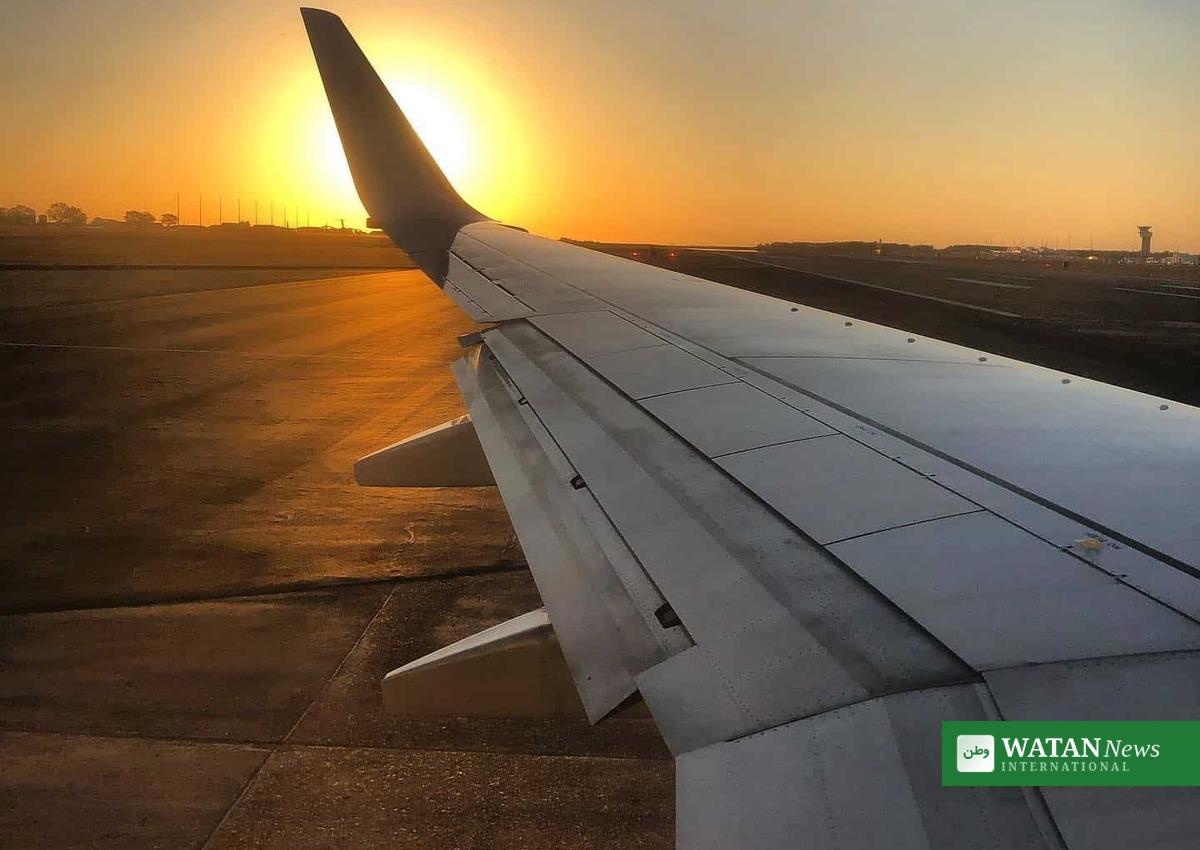
Three days after the FAA ground stop
The Federal Aviation Administration issued the nationwide ground stop on Friday after communications systems used by air traffic controllers failed. It was the longest nationwide halt to US air travel since the attacks of 11 September 2001, and it spread to 17 of the 22 Air Route Traffic Control Centers.
Airlines cancelled more than 6,600 flights on Saturday as they struggled to reposition aircraft and crews, and Sunday brought a further wave of cancellations. American Airlines recorded the most Sunday cancellations, with 630, while JetBlue Airways cancelled more than a quarter of its schedule.
By Sunday evening the outlook was improving, with only 88 cancellations recorded for Monday as of 8:28 p.m. Eastern Time. Transport Secretary Sean Duffy said on ABC’s “This Week” programme that flights would return to normal on Sunday and “probably fully normal” on Monday.
What caused the failure
Officials traced the failure to maintenance work by FAA contractor L3Harris, which was replacing ageing copper wiring in part of the air traffic control network with modern fibre-optic cables. A replacement router at a remote facility in El Dorado, Arkansas, began broadcasting and overloading routers at other air traffic control centres across the country. Equipment at a site in Amarillo, Texas, may also have contributed.
The FAA said on Sunday that it had disabled the functionality of the routers believed to have caused the problem, and did the same for about 60 similar routers in the air traffic control system. The router from El Dorado is now being tested at an L3Harris facility. Duffy said it was still unclear whether the fault came from the contractor’s work or from a faulty router.
Duffy noted that the routers involved were purchased in 2001 and had become obsolete by 2006. L3Harris said it is cooperating with the FAA investigation and has completed more than 70% of the planned conversion of airspace communications from legacy copper wires to a fibre-optic system.
The disruption by day
| Day | What happened | Flights cancelled |
|---|---|---|
| Friday 13 Nov | Nationwide ground stop, about 3:30–8:15 p.m. ET | Thousands grounded |
| Saturday 14 Nov | Airlines reposition aircraft and crews | More than 6,600 |
| Sunday 15 Nov | Disruption continues for a third day | About 2,100 |
| Monday 16 Nov | Operations expected back to normal | 88 (as of Sunday evening) |
$50 billion to rebuild the system
The disruption has renewed debate about the condition of America’s air traffic control infrastructure, which relies on ageing equipment and communications networks while the country also faces a shortage of several thousand air traffic controllers.
Duffy has called for $50 billion in funding to upgrade the system, up from his earlier request of $30 billion. Congress approved $12.5 billion for air traffic control upgrades last year, but about $11 billion of that remains unspent, according to Representatives Rick Larsen and André Carson. Duffy said the existing allocation was earmarked for specific improvements and did not cover new software needed to manage the country’s airspace.
President Donald Trump backed the demand for additional funding in a social media post on 15 November, arguing that the existing system was outdated and needed urgent investment.
Conclusion
The ground stop lasted less than five hours, but its effects rippled through the US aviation system for three days and cancelled more than 12,000 flights. With the immediate crisis easing, attention now turns to the longer question the outage exposed: how quickly the United States can replace the ageing technology at the heart of its air traffic control network.
Related Articles
Read more on related stories from Watan News:
- Nationwide ground stop lifted after FAA communications outage grounds thousands of flights
- FAA orders nationwide ground stop as air traffic control communications fail
- Riyadh Airport Flight Disruptions Continue as Airlines Hold Off After Reopening
Frequently Asked Questions
When did the FAA ground stop happen?
The FAA issued a nationwide ground stop on Friday, 13 November 2026, halting nearly all departing flights from about 3:30 p.m. to 8:15 p.m. Eastern Time.
How many flights were affected?
More than 12,000 flights were cancelled in total. On Sunday alone, about 2,100 flights were cancelled and 9,400 delayed, according to FlightAware.
What caused the ground stop?
A replacement router installed by FAA contractor L3Harris at a facility in El Dorado, Arkansas, flooded the air traffic control communications system with data. Equipment in Amarillo, Texas, may also have contributed.
Was it a cyberattack?
No. Transport Secretary Sean Duffy said there was no evidence of a cyberattack or other malicious intent, and the cause remained under investigation.
When did flights return to normal?
Officials expected operations to be fully normal on Monday, 16 November, with only 88 Monday cancellations recorded as of Sunday evening.
How much money is being sought to fix the system?
Secretary Duffy is seeking $50 billion from Congress to modernise air traffic control, up from an earlier $30 billion request. Congress approved $12.5 billion last year, of which about $11 billion remains unspent.
Why is the system so old?
Some of the routers involved were purchased in 2001 and were obsolete by 2006, and parts of the current air traffic control system are about 50 years old, according to officials.
Author

usmanch0013@gmail.com
Related Posts

Trump Heads to Asia for ASEAN and APEC Summits and First-Ever Meeting With Xi and Putin
- 0
- 1,005 word
President Donald Trump departed Washington on Monday for a four-day Asia trip, taking in the ASEAN summit in Manila and the APEC...
Read out all
Texas Colleges Enrol Record 1.7 Million Students This Autumn
- 0
- 636 words
More than 1.7 million students enrolled at Texas colleges and universities this autumn, a new record, the Texas Higher Education Coordinating Board...
Read out all
Japan’s Economy Shrinks 0.1% in Third Quarter as Spending and Exports Weaken
- 0
- 813 words
Japan’s economy contracted at an annualised rate of 0.1% in the third quarter of 2026, missing forecasts for growth as household spending...
Read out all
Unopened Five-Star Covent Garden Hotel’s Designer Interiors Go to Auction
- 0
- 813 words
The bespoke interiors of The Other House Covent Garden — a five-star London hotel that never opened — go under the hammer...
Read out all
Antalya AI Pledge Reaches 80 Endorsements and 271 Commitments at COP31 — but Only 10 Countries Have Signed
- 0
- 910 words
The Antalya Artificial Intelligence Pledge has gathered 80 endorsements and 271 commitments at COP31, but only around 10 countries have signed up...
Read out all
Air Defences Activated in Iran’s Isfahan as Army Says US Drone Downed
- 0
- 476 words
Air defence systems were activated in the central Iranian city of Isfahan on Monday evening, Iran's Mehr news agency reported, as the...
Read out all