- 0
- 1,207 word
Antalya, Türkiye — China has launched a new international platform for energy storage at the COP31 climate conference in Antalya, aiming to turn batteries and other storage technologies into core infrastructure for power systems built around wind and solar.
The Global Energy Storage Alliance (GESA) Initiative was launched on 13 November 2026 at the China Pavilion, during a side event on digital-intelligent innovation for green electricity. It was jointly launched by the China Energy Storage Alliance (CNESA), the China Renewable Energy Engineering Institute (CREEI) and China Southern Power Grid Energy Storage Co., Ltd., alongside industry partners from China and other countries. According to the launch announcement, the initiative has already drawn interest from a growing number of organisations worldwide.
Key facts
- What: The Global Energy Storage Alliance (GESA) Initiative, a new platform for international cooperation on energy storage, launched at COP31 in Antalya, Türkiye.
- When and where: 13 November 2026, at the China Pavilion, during the side event on digital-intelligent innovation for green electricity and building a new power system.
- Launched by: The China Energy Storage Alliance (CNESA), the China Renewable Energy Engineering Institute (CREEI) and China Southern Power Grid Energy Storage Co., Ltd.
- In the room: Li Gao, Vice Minister of China’s Ministry of Ecology and Environment; Francesco La Camera, Director-General of the International Renewable Energy Agency (IRENA); and Selwin Hart, Special Adviser to the UN Secretary-General on Climate Action and Just Transition.
- Market context: BloombergNEF expects global energy storage deployments to reach 188 GW and 535 GWh in 2026, up 45% on the year before.
What the alliance will do
The alliance was proposed to advance large-scale, diversified and innovation-driven energy storage around the world, and to establish storage as core infrastructure for new power systems — the grids that will carry ever-larger shares of wind and solar power. Dr Jiang Hao of CREEI, who presented the initiative at the launch, said international cooperation is needed because storage still faces uneven standards, financing gaps and fragmented markets.
Liu Wei, Secretary-General of CNESA, set out six priorities for the alliance: global dialogue; global databases and standards; frontier technology research and deployment; market mechanisms and business-model innovation; supply-chain coordination and trade; and investment, financing and project cooperation. She described GESA as an open, inclusive platform for cooperation.
Sun Liqun, Deputy General Manager of China Southern Power Grid Energy Storage, traced how storage has evolved from a support for renewables into an essential part of new power systems — and flagged the gaps the alliance must close: how short- and long-duration storage is paid for, fragmented standards and regulation, and financing and business models in emerging markets.
Why storage is now central to the energy transition
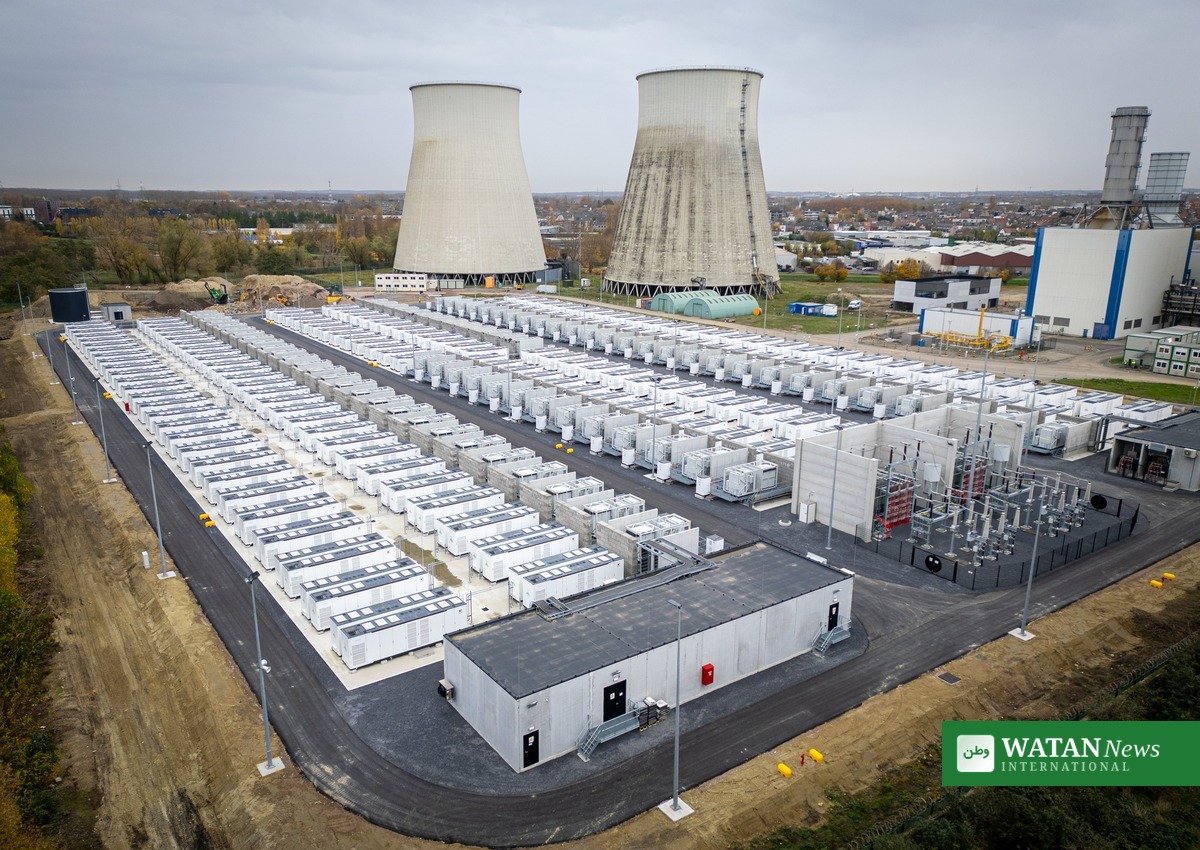
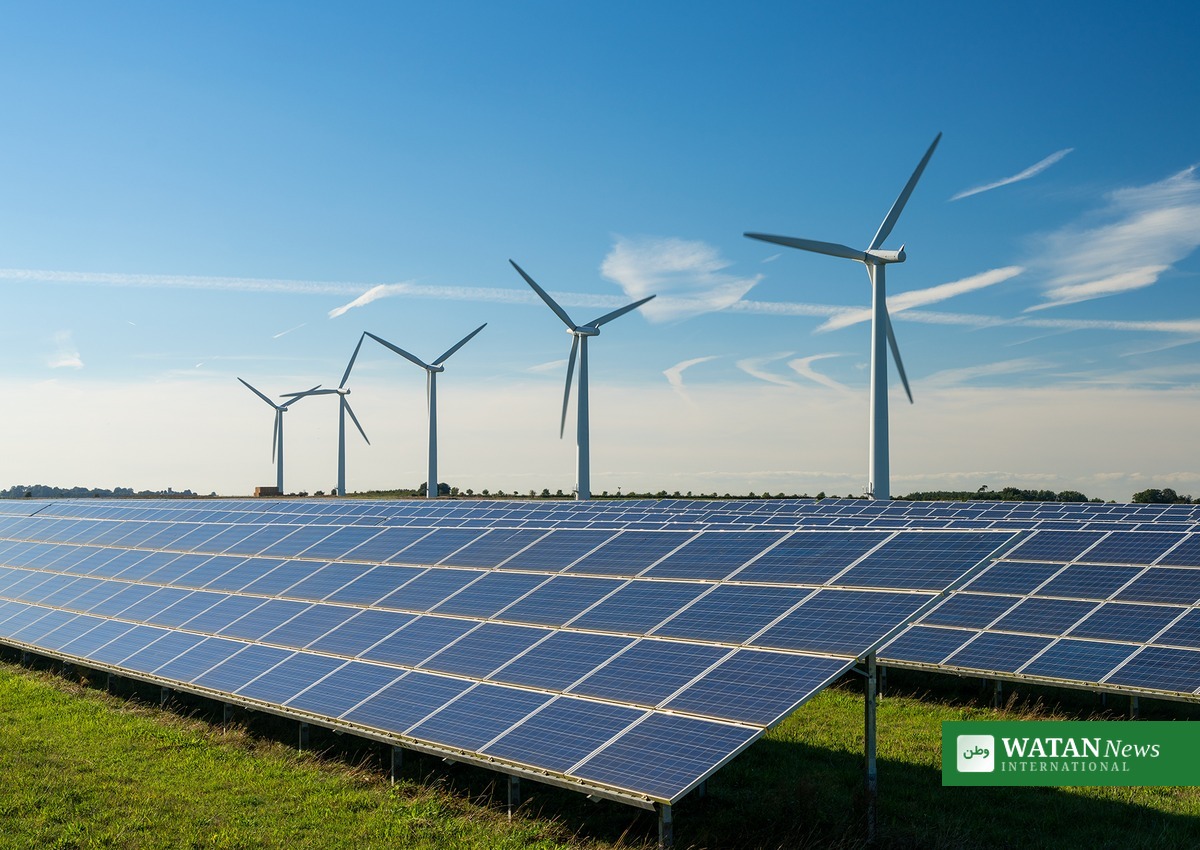
Wind and solar are now among the cheapest new sources of electricity in many markets, but they generate power only when the wind blows and the sun shines. Storage bridges that gap: it banks surplus clean electricity and releases it when demand peaks, keeping grids stable and letting renewable power displace fossil fuels around the clock.
The scale of the build-out is already striking. BloombergNEF expects global storage deployments to reach 188 GW and 535 GWh in 2026, up 45% on the year before. Renewables supplied 34% of global electricity generation in 2025, up from 32% in 2024, according to the International Energy Agency. And battery costs have fallen by about 30% in a single year — and by roughly 95% since 2010 — according to IRENA, making solar-plus-batteries cheaper than new coal or gas in sunny regions.
Who was in the room
The launch brought together senior officials and heads of international organisations, including Li Gao, Vice Minister of China’s Ministry of Ecology and Environment; Xiong Minfeng, Deputy Director-General of the Department of International Cooperation of China’s National Energy Administration; Francesco La Camera, Director-General of IRENA; and Selwin Hart, Special Adviser to the UN Secretary-General on Climate Action and Just Transition.
Representatives from Acwa, EVE Energy, the International Hydropower Association, the Long Duration Energy Storage Council, Trina Solar and the World Resources Institute also attended — a mix of developers, manufacturers and research bodies that mirrors the alliance’s aim to work across the whole storage chain, from technology and standards to finance and trade.
The COP31 context
GESA lands in a summit where electricity is the central theme. Türkiye’s COP31 presidency is pushing its 35-by-35 pledge to raise electricity’s share of global final energy demand from just over a fifth today to 35% by 2035, with more than 30 countries on board — and COP31 has already produced a pledge backed by more than 50 countries to scale geothermal energy twelvefold by 2050. The draft COP31 decision text dated 16 November also restates the global goal of tripling renewable energy capacity by 2030.
Storage is the missing link in that agenda: without it, the clean electricity promised by the 35-by-35 pledge and the renewables tripling goal cannot be delivered reliably. As COP31 enters its final days, the alliance gives negotiators and investors a shared forum for the standards, finance and supply chains that will decide how fast storage can scale — especially in developing countries, where high borrowing costs and fragmented rules still hold projects back.
What is still unclear
The launch announcement sets out the alliance’s mandate and priorities, but it publishes no capacity or investment figures, and membership and funding commitments have not yet been disclosed. The test for GESA will be whether it moves from a cooperation platform to concrete projects — shared standards, financed deployments and supply-chain agreements — before COP32.
Conclusion
The Global Energy Storage Alliance will be judged not by its launch, but by whether it helps storage scale fast enough to carry the renewable power COP31 is promising. If it turns dialogue into standards, finance and projects, it could become one of the summit’s most practical legacies — the unglamorous infrastructure that makes the age of electricity work.
Frequently asked questions
What is the Global Energy Storage Alliance?
It is a new international platform for cooperation on energy storage, launched at the China Pavilion at COP31 in Antalya on 13 November 2026 by the China Energy Storage Alliance, the China Renewable Energy Engineering Institute and China Southern Power Grid Energy Storage Co., alongside industry partners. It aims to coordinate standards, technology, finance and deployment of storage worldwide.
Why does energy storage matter for renewable energy?
Wind and solar power vary with the weather, while demand for electricity does not. Storage banks surplus clean electricity when generation is high and releases it when demand peaks, keeping grids stable and allowing renewables to replace fossil fuels around the clock instead of only when the sun shines or the wind blows.
What are the alliance’s six priorities?
Global dialogue; global databases and standards; frontier technology research and deployment; market mechanisms and business-model innovation; supply-chain coordination and trade; and investment, financing and project cooperation.
How fast is energy storage growing?
According to BloombergNEF, global energy storage deployments are expected to reach 188 GW and 535 GWh in 2026, up 45% on the year before. Renewables supplied 34% of global electricity generation in 2025, up from 32% in 2024, according to the International Energy Agency.
What has the alliance not announced yet?
No capacity or investment figures have been published, and membership and funding commitments have not yet been disclosed. The launch announcement sets out the mandate and the six priorities; concrete projects and financing will be the test of whether the platform delivers.
Author

usmanch0013@gmail.com
Related Posts

COP31 sætter havet og naturen i centrum for klimaindsatsen
- 0
- 1,093 word
COP31 lancerer Antalya Ocean and Seas Compact og Rio Synergies Group for Action på konferencens havdag i Antalya.
Read out all
کاپ31: سمندر اور فطرت کو موسمیاتی عمل کے مرکز میں رکھ دیا گیا
کاپ31 نے انطالیہ میں سمندر کے دن انطالیہ سمندر اور بحیرے معاہدہ اور ریو ہم آہنگی گروپ برائے عمل کا آغاز کیا۔
Read out all
COP31 Puts the Ocean and Nature at the Heart of Climate Action
- 0
- 1,157 word
COP31 launches the Antalya Ocean and Seas Compact and the Rio Synergies Group for Action on the conference's ocean day in Antalya.
Read out all
Saudi Arabia Intercepts Houthi Missiles Over Riyadh as Pipeline Hit Again
- 0
- 850 words
Saudi air defences intercepted a ballistic missile and a cruise missile over Riyadh on Tuesday, a day after the kingdom's key East-West...
Read out all
COP31 lancerer globale prioriteter for ærlig klimainformation fra AI
- 0
- 1,226 word
COP31 har lanceret globale prioriteter for AI og klimainformationens integritet, der beder AI-virksomheder om at oplyse deres aftryk og kontrollere deres output...
Read out all
کاپ31: اے آئی سے موسمیاتی معلومات کی سچائی کے لیے عالمی ترجیحات کا آغاز
کاپ31 میں اے آئی اور موسمیاتی معلومات کی سچائی کے لیے عالمی ترجیحات جاری کر دی گئیں — اے آئی کمپنیوں سے...
Read out all