- 0
- 1,191 word
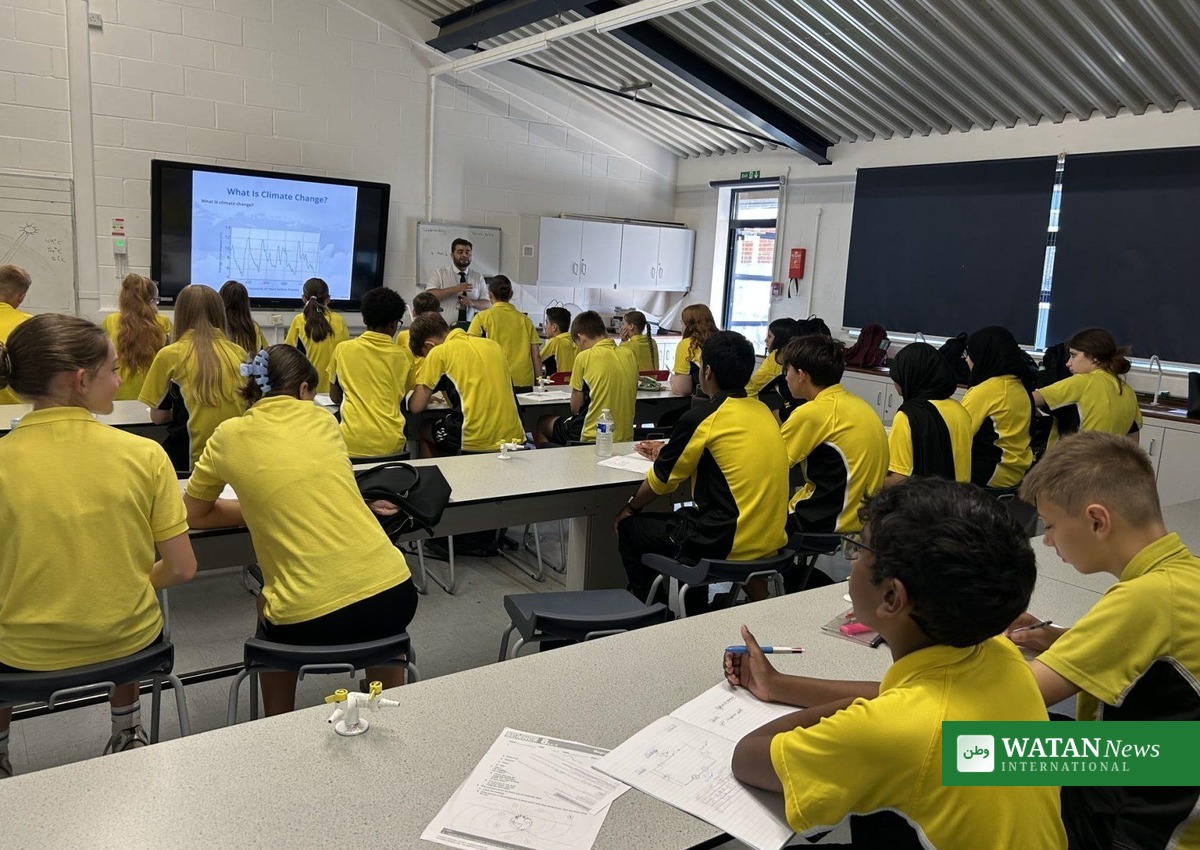
Inside the Green Zone at COP31 in Antalya, a school is doing what negotiating rooms cannot: turning climate change from a distant debate into something children can touch, build and practise. The Türkiye Climate School, set up by Türkiye’s Ministry of National Education, spent Tuesday, 17 November, running panels, workshops and hands-on activities that put young people — not only delegates — at the centre of the climate talks.
The school is one of the most visible signs of how the host country is using COP31 to carry climate awareness beyond the conference halls and into classrooms. While ministers work through draft decisions ahead of the summit’s close on Friday, 20 November, the school’s students are learning the same issues — energy, waste, water and resilience — through games, projects and experiments of their own.
A school inside the summit
COP31 President Murat Kurum opened the Türkiye Climate School in the conference’s Green Zone. The school is divided into three sections: a conference hall, a Living School, and a Climate Experience and Technology Area. Together they bring students, teachers, academics and international experts into one space, with interactive learning activities, workshops, discussions and demonstrations focused on renewable energy, waste reduction, environmental protection and sustainable lifestyles.
Its regular workshops cover zero waste, the efficient use of natural resources, renewable energy, environmentally friendly technologies and climate-resilient schools, alongside terrarium-making and planting sessions. Students also get the chance to present their own ideas and projects to international delegates and climate specialists visiting the summit.
Three panels on a Tuesday
The school’s programme on Tuesday, 17 November, centred on three panels organised in partnership with international environmental and climate organisations, according to a written statement from the Ministry of National Education reported on 18 November.
The panel titled “Climate Action and Sustainable Environmental Education” explored young people’s proposals for addressing climate change and the importance of intergenerational cooperation. International speakers shared field experiences and discussed practical steps for building lasting climate awareness among future generations.
Another panel, “Protecting the Future: Climate and Sustainable Living With Children”, focused on the power of effective communication in tackling climate change, children’s and young people’s participation in climate policymaking, disaster awareness and intergenerational responsibility. Speakers emphasised raising awareness among younger generations about climate change, energy efficiency, zero waste, recycling and electronic waste management.
The third panel, “From Sky to Earth: Climate and Sustainability in Aviation Education”, examined the aviation sector’s role in addressing the climate crisis. Experts discussed monitoring carbon dioxide emissions from international aviation and measures to tackle the emissions contributing to global warming, alongside environmentally friendly practices in vocational and technical schools that train students in aviation.
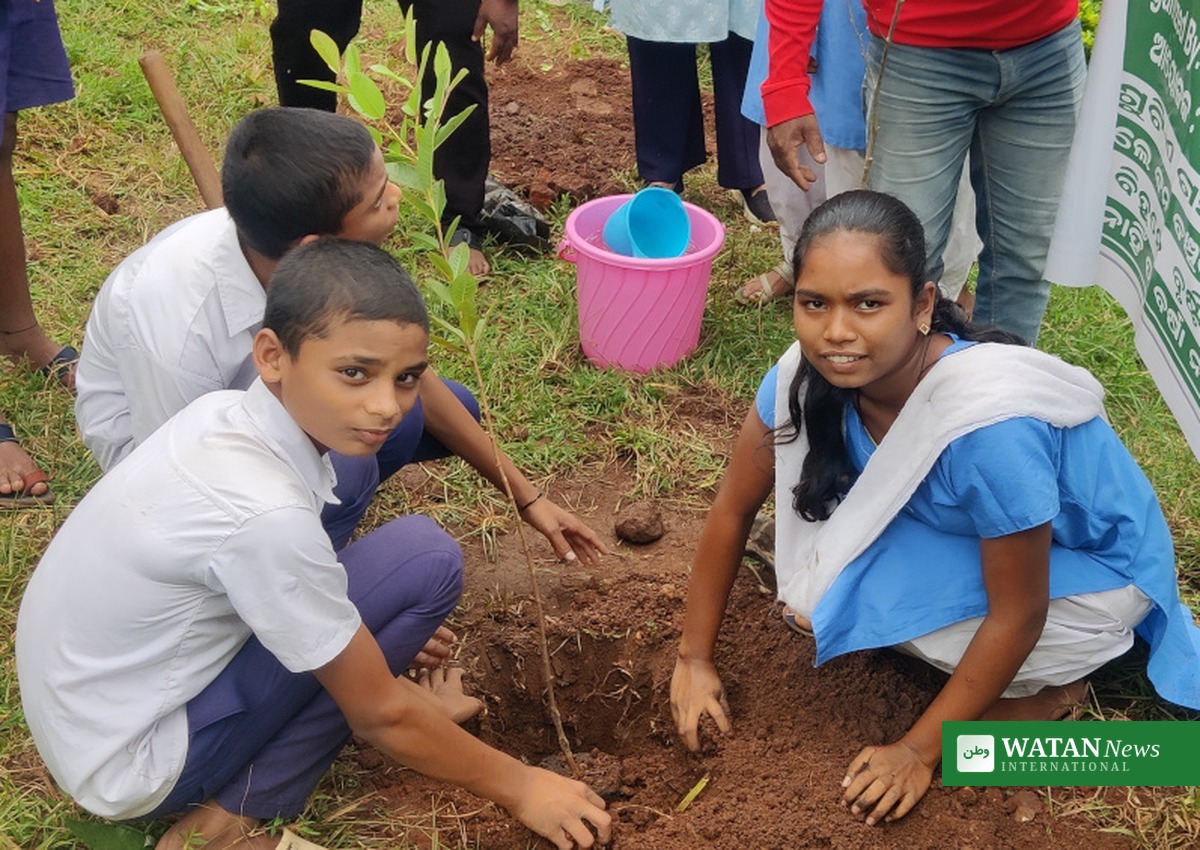
Schoolchildren plant a young tree during a climate education activity.
Children learn by doing
The school’s work is deliberately practical. Children took part in disaster awareness games, performed in a drama activity titled “The Invisible Threads of the Ecosystem” and designed climate-friendly cities of their own. Projects developed by various schools to address drought, improve water efficiency and tackle climate change were presented to visitors, including designs aimed at preventing erosion, protecting soil and promoting sustainable agricultural practices to combat desertification.
International partners have also used the school as a classroom. The UN Sustainable Development Solutions Network presented its “Land Action Labs” work at the school, with high-school students from Antalya taking part. Panellists included Dr Bahar Ozay, coordinator of SDSN Türkiye; Ece Hamret, national head of English language teaching at Uğur Schools; and Fabiola Nava, stakeholder outreach specialist for the G20 Global Land Initiative at the UN Convention to Combat Desertification.
Why a school matters at a climate summit
The school sits inside a wider education push at COP31. On 14 November, the summit held its Children, Youth, Education and Skills Day, and the COP31 Presidency and UNESCO’s Greening Education Partnership launched the Antalya Protocol for Action, which aims to put climate change into school curricula by 2030 and build strong climate awareness across society by 2035. The partnership now brings together 100 countries and more than 2,000 organisations, with Türkiye becoming its 100th member country.
The need is clear: a UNESCO review in 2021 found that more than half of national curricula around the world made no mention of climate change. Three days later, on 17 November — the same day as the school’s panels — universities from around the Mediterranean gathered at COP31 to map climate-related degree programmes and turn their joint Girona Manifesto into action. The Türkiye Climate School takes the same idea to a younger audience — schoolchildren learning, in the middle of a UN climate summit, how the choices they make can shape the climate they will inherit.
FAKTA: The Türkiye Climate School at COP31
- COP31 runs from 9 to 20 November 2026 in Antalya, Türkiye, and closes on Friday, 20 November.
- The Türkiye Climate School was set up by Türkiye’s Ministry of National Education in the COP31 Green Zone and opened by COP31 President Murat Kurum.
- The school has three sections: a conference hall, a Living School, and a Climate Experience and Technology Area.
- On Tuesday, 17 November, it hosted three panels: on climate action and sustainable environmental education; on protecting the future with children; and on climate and sustainability in aviation education.
- Children’s activities included disaster awareness games, a drama called “The Invisible Threads of the Ecosystem” and designing climate-friendly cities.
- School projects on show tackled drought, water efficiency, erosion, soil protection and sustainable farming against desertification.
- The UNESCO Greening Education Partnership now counts 100 countries and more than 2,000 organisations; the Antalya Protocol targets climate in curricula by 2030 and strong climate awareness by 2035.
Frequently asked questions
What is the Türkiye Climate School?
It is a learning space set up by Türkiye’s Ministry of National Education in the Green Zone at COP31 in Antalya. It brings together students, teachers, academics and international experts for interactive activities, workshops, discussions and demonstrations on renewable energy, waste reduction, environmental protection and sustainable lifestyles.
Where is the school and who takes part?
The school is inside the COP31 Green Zone in Antalya and was opened by COP31 President Murat Kurum. Its activities are aimed mainly at children and young people, including school students from Antalya, alongside teachers and international climate specialists.
What happened at the school on 17 November?
On Tuesday, 17 November, the school hosted three panels: “Climate Action and Sustainable Environmental Education”, “Protecting the Future: Climate and Sustainable Living With Children” and “From Sky to Earth: Climate and Sustainability in Aviation Education”. Children also took part in disaster awareness games, a drama activity and designing climate-friendly cities.
What do children actually do there?
They learn by doing: planting sessions, terrarium-making, disaster awareness games, drama and designing climate-friendly cities. Schools also present their own projects, including designs for tackling drought, improving water efficiency, preventing erosion, protecting soil and farming sustainably against desertification.
What is the Antalya Protocol?
It is the COP31 Presidency and UNESCO Greening Education Partnership plan, launched at COP31, to put climate change into school curricula by 2030 and build strong climate awareness across society by 2035. The partnership brings together 100 countries and more than 2,000 organisations, with Türkiye as its 100th member country.
Author

usmanch0013@gmail.com
Related Posts
COP31: Tyrkiets klimaskole gør klimabevidsthed til praktisk læring
- 0
- 1,155 word
Tyrkiets klimaskole i den grønne zone ved COP31 i Antalya lærer børn og unge om klima gennem paneler, workshops og praktiske projekter.
Read out all
کاپ31: ترکیہ کلائمیٹ اسکول میں بچے موسمیاتی آگاہی عملی طور پر سیکھ رہے ہیں
کاپ31 کے گرین زون میں قائم ترکیہ کلائمیٹ اسکول میں بچے اور نوجوان مباحثوں، عملی نشستوں اور ہاتھ سے کرنے والی سرگرمیوں...
Read out all
COP31’s ungdomsforhandlere tager deres krav med ind i forhandlingernes sidste dage
- 0
- 1,293 word
Unge forhandlere fra Pakistan, Holland, Hongkong og 79 lande sidder med ved bordet i Antalya og bærer deres krav ind i COP31's...
Read out all
کاپ31: نوجوان مذاکرات کار آخری دنوں میں مطالبات کے ساتھ مذاکرات میں شریک
پاکستان، نیدرلینڈز، ہانگ کانگ اور 79 ممالک کے نوجوان مذاکرات کار کاپ31 کے آخری دنوں میں اپنے مطالبات لے کر انطالیہ میں...
Read out all
COP31 Youth Negotiators Take Their Demands Into the Final Days of Talks
- 0
- 1,356 word
Young negotiators from Pakistan, the Netherlands, Hong Kong and 79 countries are inside the COP31 rooms in Antalya, carrying their demands into...
Read out all
Saudi Coalition Strikes 60 Houthi Targets in Yemen as Rebels Advance on Aden
- 0
- 657 words
The Saudi-led coalition says it struck 60 Houthi military targets across Yemen on Tuesday, as the Iran-backed rebels advance towards Aden and...
Read out all