- 0
- 1,159 word
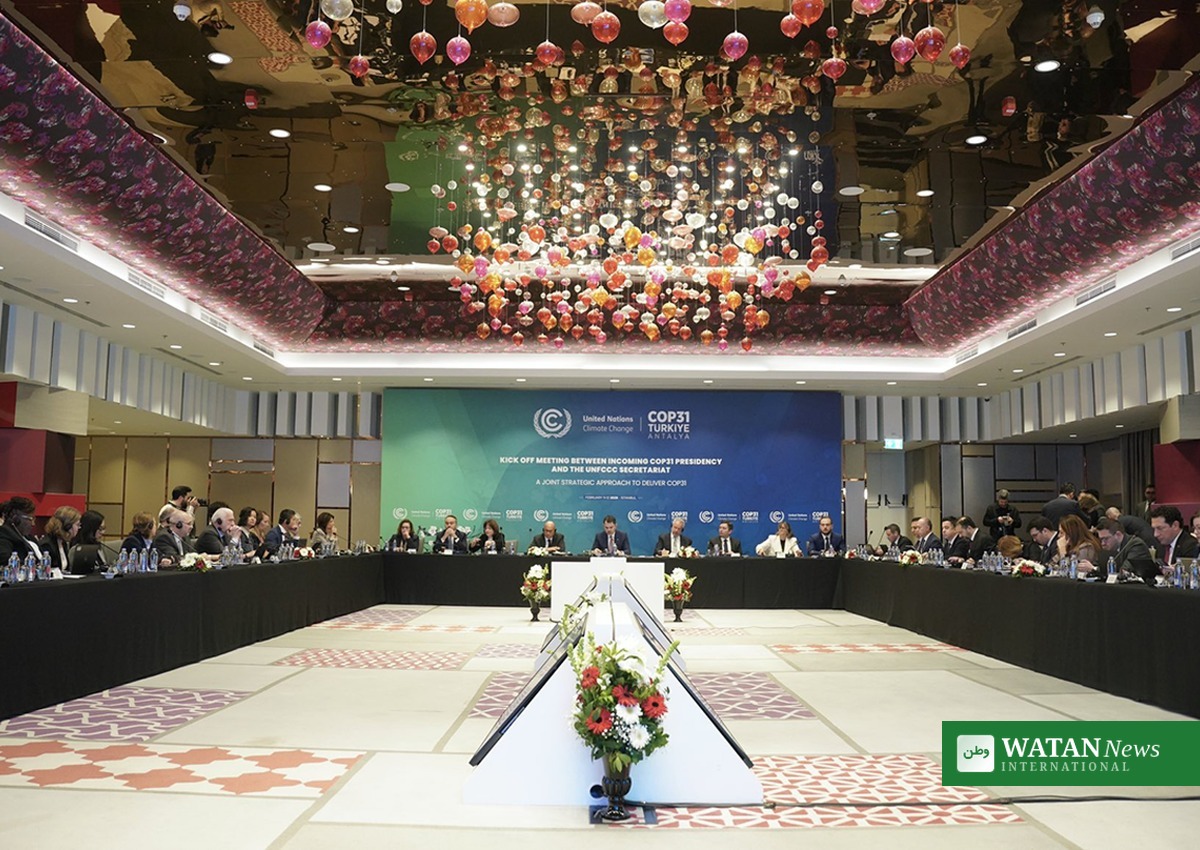
UN Climate Chief Simon Stiell has called electrification a “lightbulb moment for our global climate push” as COP31 launched its Electrification Delivery Package in Antalya on Thursday, 19 November 2026. The package brings together new progress on power, grids, transport, buildings and industry, and it was presented to governments at the High-Level Closing of the Global Climate Action Agenda on Thursday. Stiell’s opening statement for the 14:00 event in Plenary Akdeniz was circulated to media in advance, with no embargo on reporting it.
What the Delivery Package covers
The COP31 Electrification Delivery Package is the Global Climate Action Agenda’s delivery plan for the COP31 Presidency’s “35 by 35” electrification goal: raising electricity’s share of global final energy consumption from around 23 per cent today to 35 per cent by 2035. It was coordinated by the Action Agenda’s Axis 1 (Energy, Transport and Industry) Coordination Group, which brings together the World Business Council for Sustainable Development (WBCSD), Sustainable Energy for All (SEforAll), the International Energy Agency (IEA), the International Renewable Energy Agency (IRENA) and the United Nations Industrial Development Organization (UNIDO), under the guidance of the Climate High-Level Champions and in collaboration with ElectrifyNow, the Global Renewables Alliance and the We Mean Business Coalition. WBCSD has also published a Business Action Tracker bringing together public announcements of progress and planned investment in grids and storage, transport, buildings and industry during 2026.
Grids: 21,000 km built, $156 billion planned
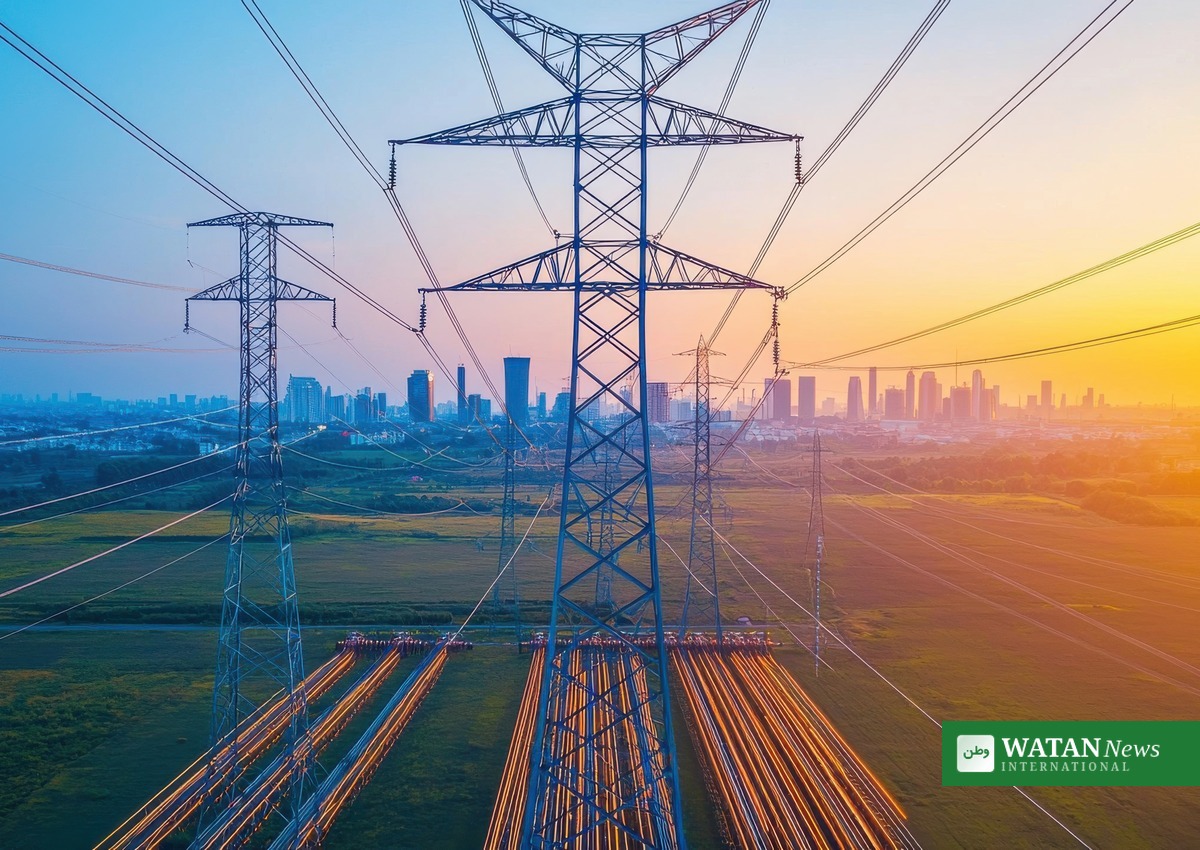
On grids, the Utilities for Net Zero Alliance (UNEZA) reports that its members deployed more than 21,000 kilometres of grid in 2025, according to UN Climate Change. The alliance’s members have combined annual investment plans of at least $156 billion across grids, renewables and storage, which UN Climate Change says is 5 per cent higher than last year and 35 per cent higher than in 2024. The $156 billion figure was first announced at COP31 on 10 November, when UNEZA raised its annual commitment from $148 billion, as reported in Watan News’ story on the electrification finance package.
Freight: 13 zero-emission corridors across six continents
On transport, 13 zero-emission freight corridors are in development across six continents, covering more than 29,000 kilometres of roads, according to the Climate High-Level Champions. The corridors span Colombia, the US East Coast, Northern and Southern Africa, India and Australia, and include a route linking Central Asia to China and Europe. They sit under the COP31 Presidency’s Global Green Freight Corridors Initiative, launched on 10 November in alliance with the International Transport Forum, which the Presidency has named one of six priority initiatives for delivering the 35-by-35 goal.
Forests, food and waste
The package reaches beyond energy. According to UN Climate Change, regenerative agriculture programmes now cover 66 million hectares across 116 countries, with nearly $2.3 billion deployed. The Tropical Forest Forever Facility has received just under $500 million in new commitments, taking its capitalisation to more than $8 billion, according to the statement. That figure is consistent with announcements at COP31: Canada pledged up to C$560 million, around $400 million, on 15 November, and a coalition of philanthropic organisations announced plans to commit more than $88 million on 11 November, while Brazil says nearly $8 billion has been mobilised towards the fund’s $10 billion target for the end of 2026. And 20 districts across Africa, Asia, Latin America and the Caribbean are piloting waste reduction, reuse, repair and recycling under the Istanbul Zero Waste Action Platform.
Yearbook updates track delivery
Updates to the 2026 Yearbook of Global Climate Action were also published today, according to UN Climate Change, with outcomes tracked in the NAZCA Evidence Portal. The Yearbook was launched on 9 November, the opening day of COP31, and tracks 96 global socio-economic indicators aligned with the first Global Stocktake, with 44 showing progress. A record 83 Cooperative Climate Initiatives reported more than 200 actions through NAZCA. More detail is in Watan News’ story on the Yearbook launch.
What Stiell said
In his statement, Stiell said: “Year on year, the Action Agenda is a power station of progress, and COP31 has already supercharged real-world results, turning commitments into investment, infrastructure and progress people can feel.” He added: “Electrification is a huge efficiency booster, helping bring down greenhouse gas pollution and energy costs, and tackle grave injustices in energy access.” On the package itself, he said: “Today is a lightbulb moment for our global climate push. Bringing vast benefits to people everywhere, from cheaper energy costs to cleaner air and better health.” And he closed with a call to spread the gains: “We now need to carry this momentum to every country, so billions more people can share in the vast dividends of climate action.” Press materials from the COP31 Climate Champion also carry remarks from COP31 Climate High-Level Champion Samed Ağırbaş, WBCSD President Peter Bakker and We Mean Business Coalition CEO María Mendiluce.
What happens next
The package was presented to Parties at Thursday’s High-Level Closing of the Action Agenda, where the Climate High-Level Champions report on two weeks of delivery across the six axes of the Global Climate Action Agenda. COP31 closes on Friday, 20 November, while formal negotiations continue on the cover decision and the remaining draft texts.
FAKTA
- Launched: Thursday, 19 November 2026, COP31, Antalya, Türkiye
- Package: COP31 Electrification Delivery Package, covering power, grids, transport, buildings and industry
- Goal: electricity to 35 per cent of global final energy consumption by 2035, from around 23 per cent today
- Grids: UNEZA members deployed 21,000+ km of grid in 2025; annual investment plans of at least $156 billion
- Freight: 13 zero-emission corridors in development across six continents, covering 29,000+ km of roads
- Forests: Tropical Forest Forever Facility capitalisation now over $8 billion, against a $10 billion target
- Yearbook: 2026 Yearbook of Global Climate Action updates published today; 96 indicators tracked, 44 showing progress
Frequently asked questions
What is the COP31 Electrification Delivery Package?
It is the Global Climate Action Agenda’s delivery plan for COP31’s electrification goal, bringing together progress and commitments on power, grids, transport, buildings and industry. It was coordinated by the Axis 1 Coordination Group (WBCSD, SEforAll, IEA, IRENA and UNIDO) under the Climate High-Level Champions.
What is the 35-by-35 goal?
It is the COP31 Presidency’s goal to raise electricity’s share of global final energy consumption from around 23 per cent today to 35 per cent by 2035, so that more energy use runs on clean electricity instead of fossil fuels.
What did the utilities alliance commit?
Members of the Utilities for Net Zero Alliance (UNEZA) deployed more than 21,000 kilometres of grid in 2025 and have combined annual investment plans of at least $156 billion across grids, renewables and storage, according to UN Climate Change.
What are the 13 freight corridors?
They are zero-emission freight corridors in development across six continents, covering more than 29,000 kilometres of roads, under the COP31 Presidency’s Global Green Freight Corridors Initiative, launched on 10 November.
What is the 2026 Yearbook update?
It is the updated edition of the Yearbook of Global Climate Action, published on 19 November, which tracks 96 global indicators aligned with the first Global Stocktake. Forty-four indicators show progress, and outcomes are also tracked in the NAZCA Evidence Portal.
Author

usmanch0013@gmail.com
Related Posts
Denmark Set to Ratify Greenland Security Deal with the US Today
- 0
- 494 words
Denmark's parliament is expected to approve the US-Denmark-Greenland security agreement on Thursday 19 November 2026, the final parliamentary step for a deal...
Read out all
COP31: Stiell kalder elektrificering et ‘lyspære-øjeblik’, da leveringspakken lanceres
- 0
- 1,154 word
FN's klimachef Simon Stiell kaldte elektrificering et 'lyspære-øjeblik', da COP31 lancerede sin Electrification Delivery Package i Antalya, med nye fremskridt for net,...
Read out all
کاپ31: بجلی کاری کا ڈیلیوری پیکج جاری، اسٹیل نے اسے ‘روشن لمحہ’ قرار دیا
یو این موسمیاتی سربراہ سائمن اسٹیل نے کاپ31 میں بجلی کاری کے ڈیلیوری پیکج کے اجرا پر اسے 'روشن لمحہ' قرار دیا،...
Read out all
Houthi Missile Towards Riyadh Causes Damage as Debris Falls on Capital
- 0
- 758 words
The Saudi-led coalition says a Houthi missile threat towards Riyadh caused material damage after debris fell on the capital early on Thursday,...
Read out all
COP31 dag 11: ‘AI for klimaet, ikke imod det’ i centrum i Ukraine-pavillonen
- 0
- 1,072 word
På COP31 i Antalya er Ukraine-pavillonen vært for 'AI for klimaet, ikke imod det' den 19. november, hvor kunstig intelligens' bidrag til...
Read out all
کاپ31 کا گیارہواں روز: یوکرین پویلین میں ’موسمیات کے لیے اے آئی، اس کے خلاف نہیں‘
انطالیہ میں کاپ31 کے دوران یوکرین پویلین میں 19 نومبر کو ’موسمیات کے لیے اے آئی، اس کے خلاف نہیں‘ کے عنوان...
Read out all