- 0
- 979 words
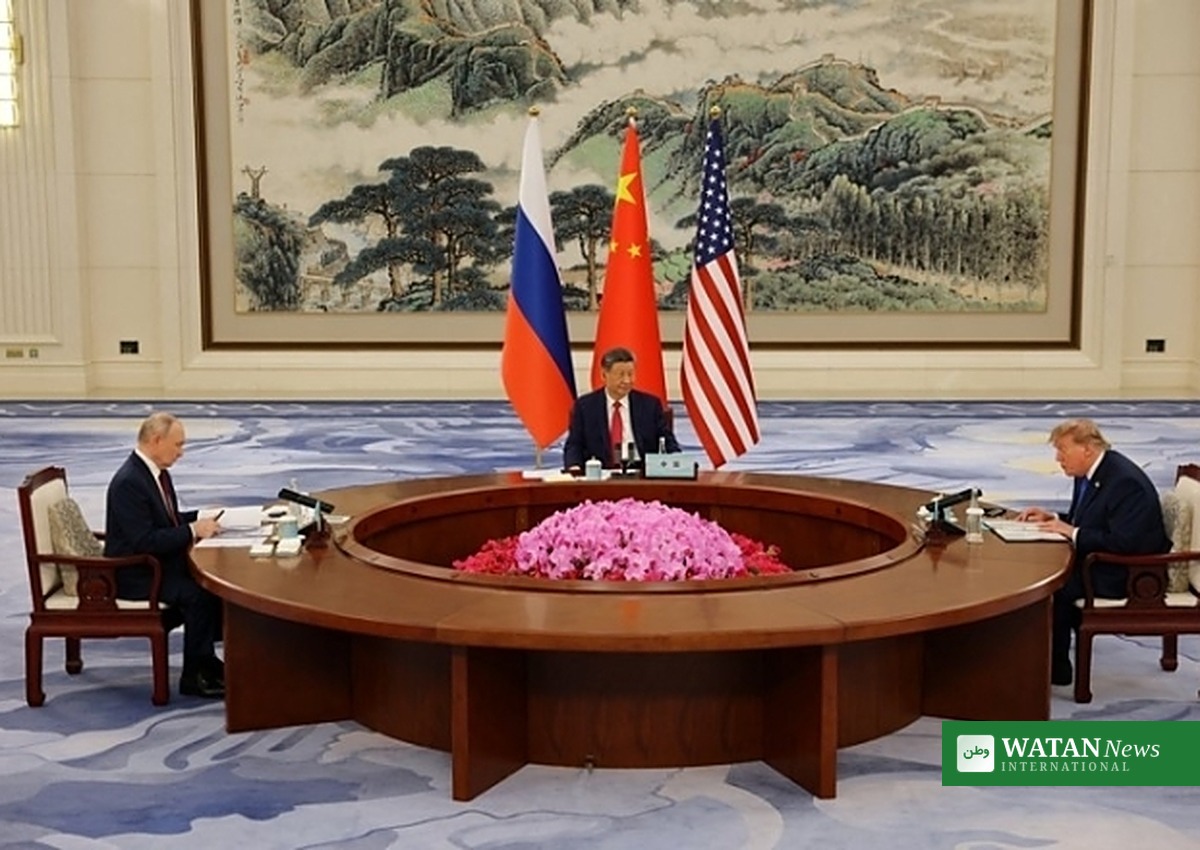
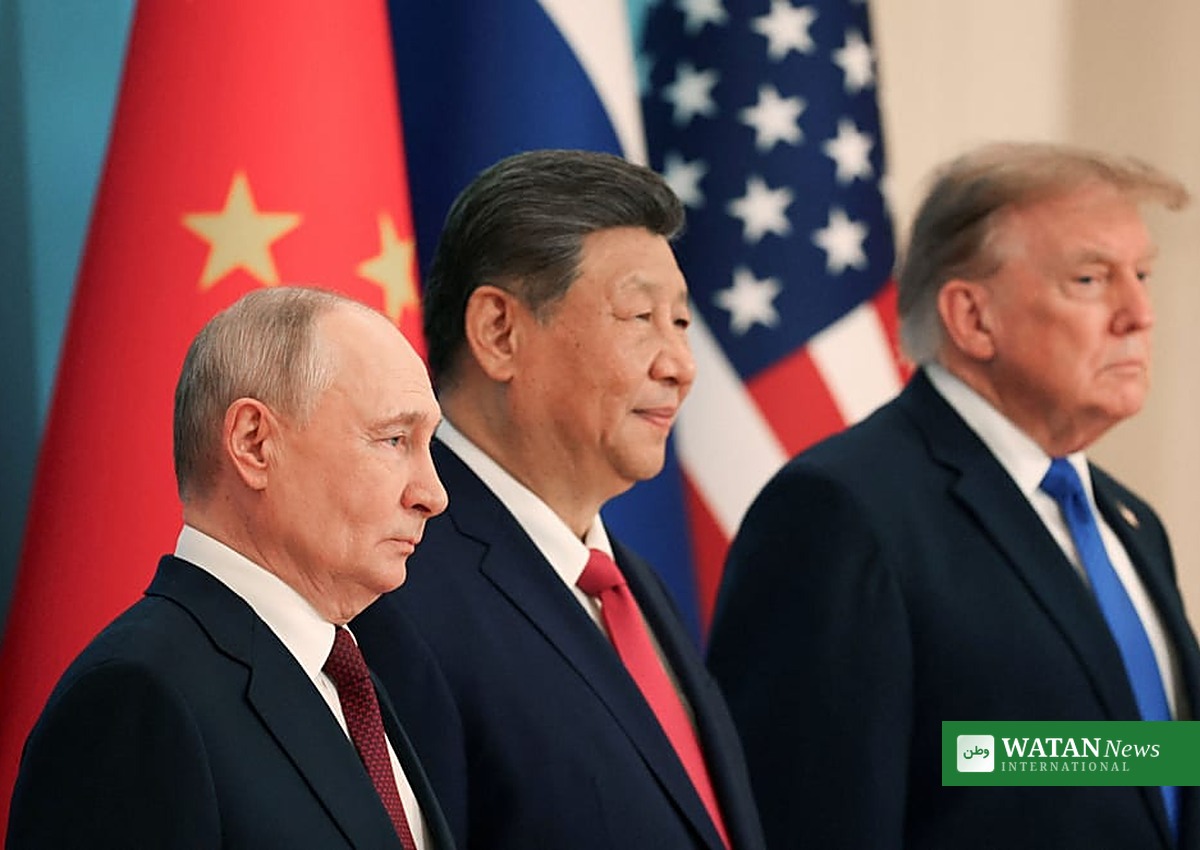
The Trump Xi Putin peace declaration was issued on Thursday after the leaders of the United States, China and Russia held their first-ever trilateral summit in Shenzhen, China. Donald Trump, Xi Jinping and Vladimir Putin met for 90 minutes on the sidelines of the Asia-Pacific Economic Cooperation (APEC) summit and agreed a four-point joint statement covering nuclear risk, United Nations reform and energy supply.
The meeting, held at the secluded Kylin Villa retreat in Shenzhen, brought together the leaders of the world’s three largest nuclear powers for the first time. The three presidents said a nuclear war “cannot be won and must never be fought”, and pledged to hold talks on reducing nuclear risks and preventing the spread of nuclear weapons.
FAKTA
- The summit: Donald Trump, Xi Jinping and Vladimir Putin held the first-ever trilateral meeting of the leaders of the United States, China and Russia in Shenzhen on 19 November 2026, lasting 90 minutes on the sidelines of the APEC summit.
- The declaration: The leaders issued a four-point joint statement they called a “Peace Declaration”, covering UN reform, refined oil supply, respect for state immunity, and nuclear risk reduction.
- Nuclear weapons: The three leaders reaffirmed that “a nuclear war cannot be won and must never be fought” and agreed to conduct a dialogue on reducing nuclear risks and preventing proliferation.
- Energy: The three countries plan to increase the production and supply of refined petroleum products and reaffirmed the importance of stable energy flows.
- Ukraine: The war in Ukraine was not explicitly mentioned in the joint declaration, although it dominated Mr Trump’s separate bilateral meeting with Mr Putin.
- Next meeting: The leaders agreed to meet regularly, including in China next year, according to China’s Xinhua news agency.
What the Trump Xi Putin Peace Declaration Says
The joint statement, published by Russia and reported by China’s Xinhua news agency, sets out four points. As permanent members of the United Nations Security Council, the three countries committed to reform the UN so that it can respond more effectively to global challenges. They also agreed to work to increase the production and supply of refined petroleum products for the benefit of all nations, reaffirming the importance of stable energy flows at a time when supplies have been disrupted by the war in Iran.
On international law, the leaders said the principle of state consent and respect for the immunity of state officials are of paramount importance, and agreed that the International Criminal Court and similar bodies “must not abuse their jurisdiction”. None of the three countries — the United States, China or Russia — is a member of the ICC, which has issued an arrest warrant for Mr Putin over war-crimes-related allegations connected to the war in Ukraine. The court denies accusations of overreach and bias.
The fourth point restates the long-standing formula that a nuclear war cannot be won and must never be fought, with the three countries pledging dialogue on reducing nuclear risks and preventing proliferation. Earlier, Mr Xi had described nuclear weapons, according to Chinese state media, as “the sword of Damocles hanging over humanity”.
Bilateral Meetings Before the Trilateral
Before the three-way talks, Mr Trump held separate meetings with Mr Xi and Mr Putin. The Kremlin said Ukraine was the main topic of the Trump-Putin meeting, according to presidential aide Yuri Ushakov, and the two leaders also discussed their ties and the upcoming meeting with Mr Xi. Mr Trump also raised the war in Ukraine at the outset of his bilateral meeting with Mr Xi, saying the two could work together to end the fighting, although Mr Xi made no mention of Ukraine in his opening remarks.
Russian media published footage of Mr Trump entering the room for his meeting with Mr Putin and greeting him with the words: “Who is he? He’s my friend!” Mr Trump was welcomed to Shenzhen by Mr Xi at the airport with a red carpet, honour guards, ceremonial music and a military fighter jet flyover — a gesture Mr Xi does not generally extend to visiting foreign leaders.
Reactions: Historic, but Divisive
The summit drew sharply different reactions. Henry Huiyao Wang, a former senior adviser to China’s government and founder of the Center for China and Globalization, said the meeting was “more than symbolic”, adding: “Face-to-face dialogue of this kind can help calm down a lot of the world’s conflicts.”
Others were far more sceptical. Jonathan Eyal, international director at the Royal United Services Institute in London, said the only substantial outcome of the Shenzhen summit was the rejection of international law and institutions such as the International Court of Justice. The meeting has also drawn comparisons to the 1945 Yalta Conference, when the United States, Britain and the Soviet Union shaped the post-war order — and Ukraine’s President Volodymyr Zelenskyy said in October: “We really don’t want this to turn into ‘Yalta 2, 3, 4,’ with a redistribution of influence.”
A separate APEC statement issued as the talks ended was limited to pledges on trade, technology innovation, economic growth and cooperation on data flows and intellectual property. As reported in Watan News’ earlier story on the leaders’ arrival in Shenzhen, the handshake that opened the visit had already drawn reactions across Europe.
What Happens Next
The three leaders agreed to meet regularly, including in China next year, according to Xinhua. Mr Trump flew back to the United States after the talks, closing a three-nation Asia tour that also took in the ASEAN summit in the Philippines. Despite the joint declaration, the three sides remain far apart on Ukraine, Iran, nuclear disarmament and trade, and the declaration sets out intentions rather than binding commitments.
Read the full story on the main site: Trump, Xi and Putin Issue ‘Peace Declaration’ After First-Ever Trilateral Summit.
Author

usmanch0013@gmail.com
Related Posts

South African Reserve Bank Holds Interest Rate at 7.25% in Split Vote
- 0
- 908 words
The South African Reserve Bank has kept its benchmark repo rate unchanged at 7.25 per cent, with four members of its Monetary...
Read out all
Somalia Orders UAE Ambassador to Leave Within 72 Hours
- 0
- 978 words
Somalia has ordered the United Arab Emirates ambassador to leave the country within 72 hours and recalled its own envoy from Abu...
Read out all
Kuaishou Unveils Kling 4.0 as Revenue Falls to RMB31.6 Billion in Third Quarter
- 0
- 841 words
Kuaishou Technology has reported third-quarter revenue of RMB31.6 billion and unveiled Kling 4.0, its next-generation video generation model, as its short-video app...
Read out all
GeneDx Names Everett Cunningham as Chief Executive
- 0
- 878 words
GeneDx has appointed veteran diagnostics executive Everett Cunningham as its chief executive, effective on or before 15 December 2026, succeeding Katherine Stueland.
Read out all
Frederiksen Rejects Multiculturalism in Podcast Remarks on Danish Identity
- 0
- 1,012 word
Danish Prime Minister Mette Frederiksen has said she does not support a multicultural society or large-scale population change, arguing in a podcast...
Read out all
Denmark Votes 109-0 to Approve Greenland Defence Deal with the US
- 0
- 1,019 word
Denmark's parliament has unanimously approved the Greenland security agreement with the United States, voting 109-0 in favour of the deal that expands...
Read out all