- 0
- 978 words
Somalia has ordered the ambassador of the United Arab Emirates to leave the country within 72 hours and recalled its own envoy from Abu Dhabi, in the sharpest step yet in a dispute over Somali sovereignty. The order was announced on Thursday, 19 November 2026, after a cabinet meeting in Mogadishu.
FAKTA
- What happened: Somalia ordered the UAE ambassador to leave within 72 hours and recalled its ambassador from Abu Dhabi for consultations.
- When: Thursday, 19 November 2026, announced after a cabinet meeting chaired by Prime Minister Hamza Abdi Barre.
- Announced by: Information Minister Abdifatah Kasim Mohamud, in a broadcast on the state-run news agency.
- The accusation: Mogadishu accused the UAE of unspecified violations of Somalia’s sovereignty that amounted to an open invasion, and warned that measures would be taken against anyone who cooperates with the UAE in the invasion.
- Background: Two days earlier, President Hassan Sheikh Mohamud accused the UAE in a televised address of supporting regional administrations opposed to the federal government.
- The envoy recalled: Somalia’s ambassador to the UAE, Hussein Abdi Halane, was recalled for consultations.
What happened
Somalia’s federal government ordered the United Arab Emirates ambassador to leave the country within 72 hours and withdrew its own envoy from Abu Dhabi, the Reuters news agency reported. Information Minister Abdifatah Kasim Mohamud announced the move in a broadcast on the state-run news agency, saying measures would be taken against anyone who cooperates with the UAE in the invasion against Somalia.
The minister did not elaborate on the specific actions by the UAE that had prompted the response. The Somali government accused the Emirates of an open invasion of the country’s sovereignty, security, territory and unity, and called on Somalis and community leaders to unite against what it described as Emirati aggression.
A dispute months in the making
The order followed a televised address on Tuesday, 17 November, in which President Hassan Sheikh Mohamud accused Abu Dhabi of interference. He said the UAE had signed agreements on the ports of Berbera, Bosaso and Kismayo with the administrations of Somaliland, Puntland and Jubaland without the federal government, set up military bases and forces outside the national command, and backed regional governments against Mogadishu.
Earlier this year, Somalia’s cabinet annulled all its agreements with the UAE, including port deals and defence and security cooperation, and closed Somali airspace to Emirati military and cargo aircraft. Defence Minister Ahmed Moalim Fiqi told the ambassador on the social network X to pack his bags and leave.
The dispute in brief
| Date | Development |
|---|---|
| January 2026 | Somalia’s cabinet annuls all agreements with the UAE, including port deals and defence and security cooperation |
| 17 November 2026 | President Hassan Sheikh Mohamud accuses the UAE in a televised address of supporting regional administrations opposed to Mogadishu |
| 19 November 2026 | Somalia orders the UAE ambassador to leave within 72 hours and recalls its own envoy from Abu Dhabi |
The ports at the centre
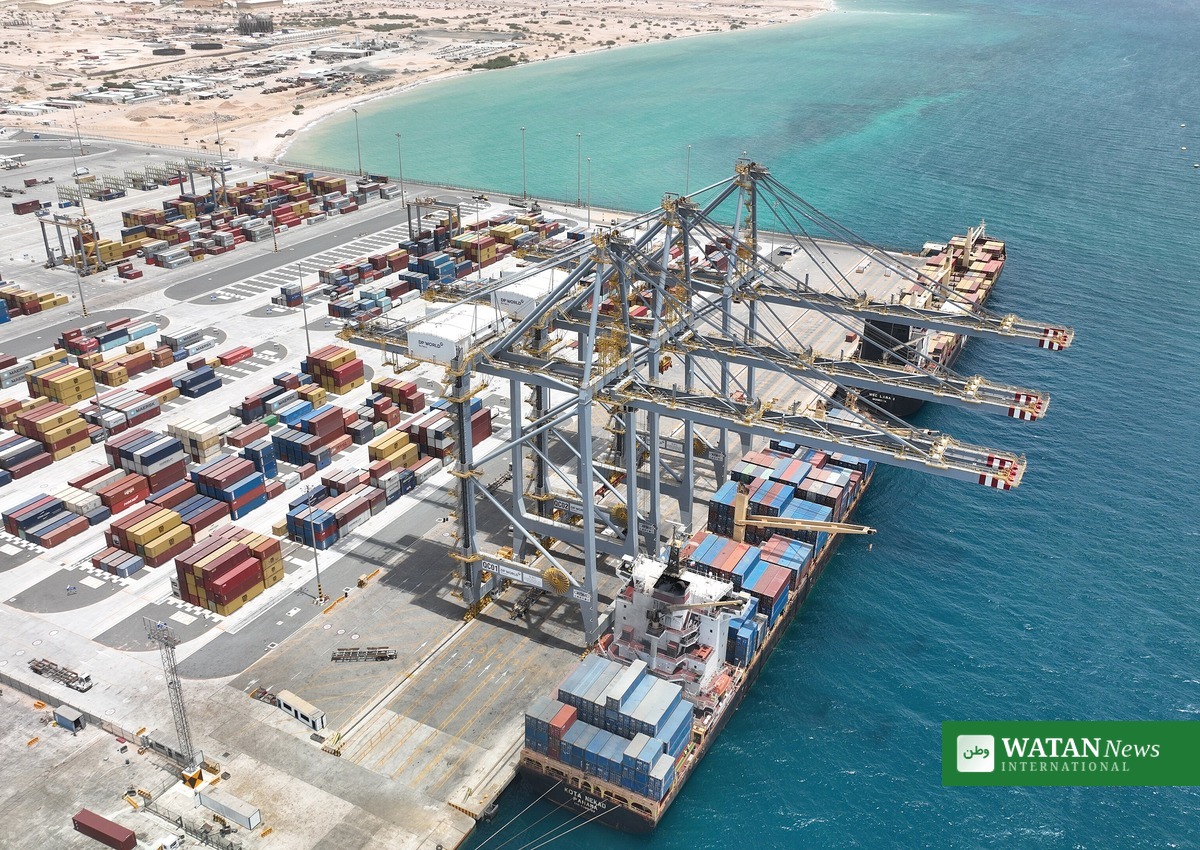
The dispute turns in large part on the ports. Berbera, where the Emirati operator DP World has invested in the port, anchors a road corridor to Ethiopia, and Ethiopia’s January 2024 memorandum of understanding with Somaliland strained its relations with Mogadishu. Mogadishu regards agreements signed with regional administrations without federal approval as a breach of its sovereignty.
The dispute also comes at a sensitive moment at home. Somalia’s Supreme Court ruled earlier this month that President Hassan Sheikh Mohamud’s term has expired and ordered elections within 90 days, adding to the political pressure on the federal government.
What happens next
The ambassador has 72 hours to leave Mogadishu, and Somalia’s envoy has been recalled for consultations. The federal government has not said what further measures it will take, and the minister’s warning about action against anyone cooperating with the UAE leaves the scope of the response open. The expulsion deepens a rift that has already cut defence and port cooperation between the two countries and raised the stakes for other outside powers active in the Horn of Africa.
Conclusion
Somalia’s decision to expel the UAE ambassador marks the sharpest escalation yet in a dispute that has been building for months over ports, regional administrations and sovereignty. With the envoy recalled and the cabinet’s warning still in force, the next days will show whether the two sides find a way back to dialogue or whether the break deepens further.
Related Articles
- Somalia Accuses UAE of Backing Armed Groups as Diplomatic Row Escalates
- Eight Killed in Suspected Al-Shabaab Ambush in Kenya’s Mandera County
- Kenya Braces for Heavy El Niño Rains as 43 Counties Face Above-Average Rainfall
Frequently Asked Questions
What did Somalia order on 19 November?
Somalia ordered the United Arab Emirates ambassador to leave the country within 72 hours and recalled its own ambassador from Abu Dhabi for consultations.
What is Somalia accusing the UAE of?
Mogadishu accused the UAE of unspecified violations of Somalia’s sovereignty that amounted to an open invasion, including signing port deals with regional administrations without federal approval.
Who announced the expulsion?
Information Minister Abdifatah Kasim Mohamud announced it in a broadcast on the state-run news agency, after a cabinet meeting chaired by Prime Minister Hamza Abdi Barre.
What happened two days before the expulsion?
On 17 November, President Hassan Sheikh Mohamud said in a televised address that the UAE had supported regional administrations opposed to the federal government.
Which ports are at the centre of the dispute?
The ports of Berbera, Bosaso and Kismayo. The UAE signed agreements on them with the administrations of Somaliland, Puntland and Jubaland, according to the president.
What had Somalia already done earlier this year?
In January, Somalia’s cabinet annulled all its agreements with the UAE, including port deals and defence and security cooperation, and closed its airspace to Emirati military and cargo aircraft.
Author

usmanch0013@gmail.com
Related Posts

South African Reserve Bank Holds Interest Rate at 7.25% in Split Vote
- 0
- 908 words
The South African Reserve Bank has kept its benchmark repo rate unchanged at 7.25 per cent, with four members of its Monetary...
Read out all
Kuaishou Unveils Kling 4.0 as Revenue Falls to RMB31.6 Billion in Third Quarter
- 0
- 841 words
Kuaishou Technology has reported third-quarter revenue of RMB31.6 billion and unveiled Kling 4.0, its next-generation video generation model, as its short-video app...
Read out all
GeneDx Names Everett Cunningham as Chief Executive
- 0
- 878 words
GeneDx has appointed veteran diagnostics executive Everett Cunningham as its chief executive, effective on or before 15 December 2026, succeeding Katherine Stueland.
Read out all
Frederiksen Rejects Multiculturalism in Podcast Remarks on Danish Identity
- 0
- 1,012 word
Danish Prime Minister Mette Frederiksen has said she does not support a multicultural society or large-scale population change, arguing in a podcast...
Read out all
Denmark Votes 109-0 to Approve Greenland Defence Deal with the US
- 0
- 1,019 word
Denmark's parliament has unanimously approved the Greenland security agreement with the United States, voting 109-0 in favour of the deal that expands...
Read out all
Europe ready to enter Ukraine peace talks, leaders say after Berlin meeting
- 0
- 697 words
European leaders have said Europe is ready to enter negotiations to end the war in Ukraine, after a Coalition of the Willing...
Read out all