- 0
- 1,218 word
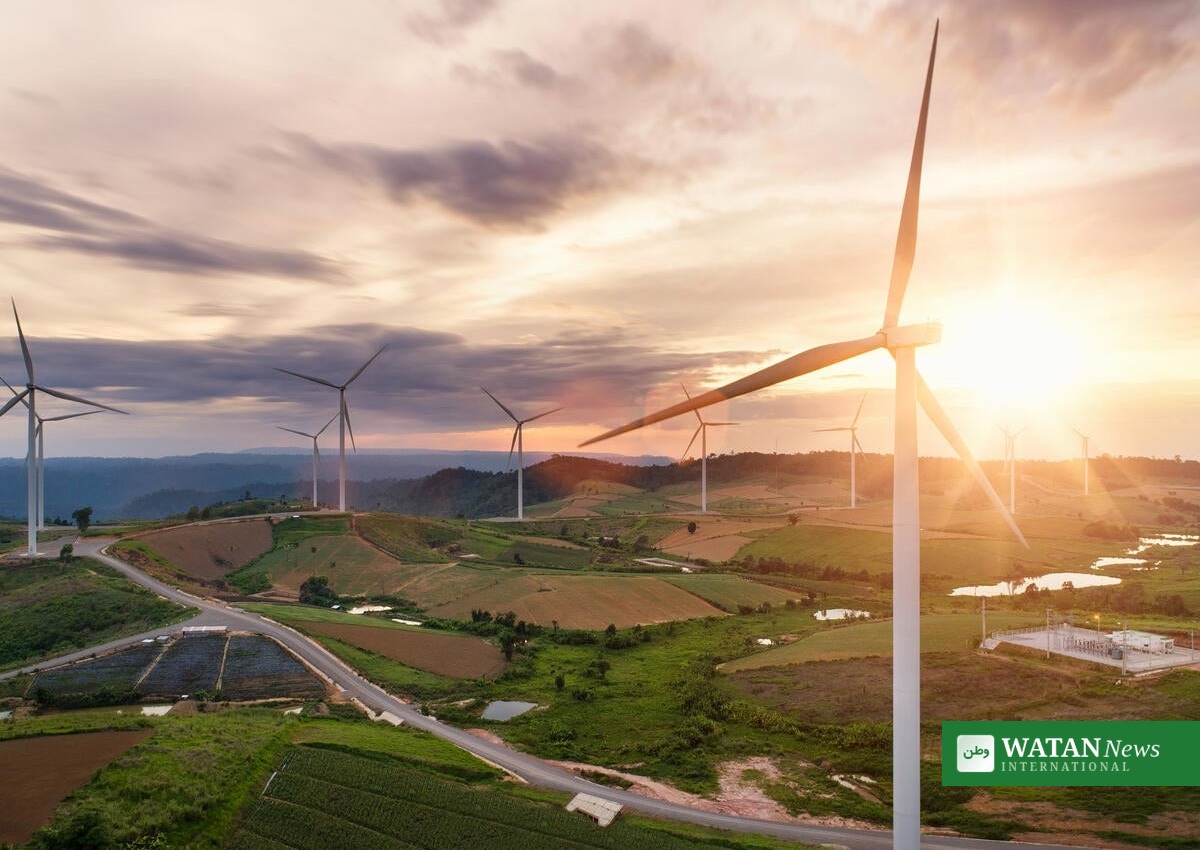
Antalya, Türkiye — As COP31 reaches its final day in Antalya, the wind industry has handed the summit one of its clearest renewable-energy outcomes: a declaration and roadmap to triple or even quadruple global wind power capacity over the next decade, taking it to as much as 4 terawatts (TW) by 2035.
The Global Wind Declaration for Powering the Future was launched on 13 November at COP31 by the Global Wind Energy Council (GWEC) and the Turkish Wind Energy Association (TÜREB), with the backing of leading developers, manufacturers and wind associations from Europe, Africa, the Americas, Asia and the Pacific. It answers calls from world leaders for Antalya to be remembered as the “Implementation COP” — a summit that turns climate targets into projects.
Key facts
- Global wind capacity stood at 1,299 GW at the end of 2025.
- A record 165 GW of new wind capacity was added in 2025, up 40% on the previous record year — enough to power another 118 million households.
- GWEC modelling in the declaration puts the sector on course for 2 TW by 2029 and 3 TW by 2035; with stronger government support it could reach 4 TW by 2035.
- The declaration sets out five guiding principles for governments and industry to accelerate building.
- Türkiye, the COP31 host, added 2.1 GW of wind power in 2025, the sixth-largest market in the world that year.
A record year for wind
Wind power grew faster in 2025 than in any year on record. New onshore capacity reached 155.3 GW, up 42% on the year before, while offshore wind added 9.3 GW, taking total offshore capacity to 92.3 GW — close to the 100 GW milestone. In all, 28,395 turbines were installed across 57 countries, and 138 countries now generate electricity from wind. Global capacity has grown more than twenty-fold in two decades.
China led by a wide margin, adding 120.5 GW in 2025. The United States added 6.9 GW, India 6.3 GW, Germany 5.7 GW and Brazil 2.3 GW. Türkiye added 2.1 GW, making it the sixth-largest wind market of the year, and its total wind capacity now stands above 15 GW.
GWEC expects 969 GW of new wind capacity to be added worldwide between 2026 and 2030 — an average of about 194 GW a year.
The road to 4 TW
The declaration’s modelling shows the wind sector on its current path reaching 2 TW by 2029 and 3 TW by 2035. With stronger support from governments — removing barriers for developers and manufacturers, helping to de-risk projects and mobilising investment — capacity could climb further, potentially reaching 4 TW by 2035.
“We have built an industry that today delivers almost 1.3 TW of capacity worldwide, and last year alone we added a record 165 GW,” said Michael Hannibal, Chair of GWEC. “But for me, the most exciting part is what comes next: the opportunity to grow global wind capacity to over 4 TW by 2035. We have shown that we can build at scale. Now we need to go faster, mobilise even more investment and turn that ambition into projects.”
Five principles to unblock building
The declaration sets out five guiding principles for accelerated deployment: delivering policy certainty and investable pipelines to scale deployment; building wind industries that anchor regional economies; driving innovation, standards and sustainable supply chains; better integrating wind in energy system planning; and unlocking the full potential of offshore wind.
The sharpest complaint from the industry is the time it takes to get permission to build. “If it takes two years to build an offshore wind farm, for example, it should not take eight to 12 years to get the necessary permits,” said Ben Backwell, Chief Executive of GWEC.
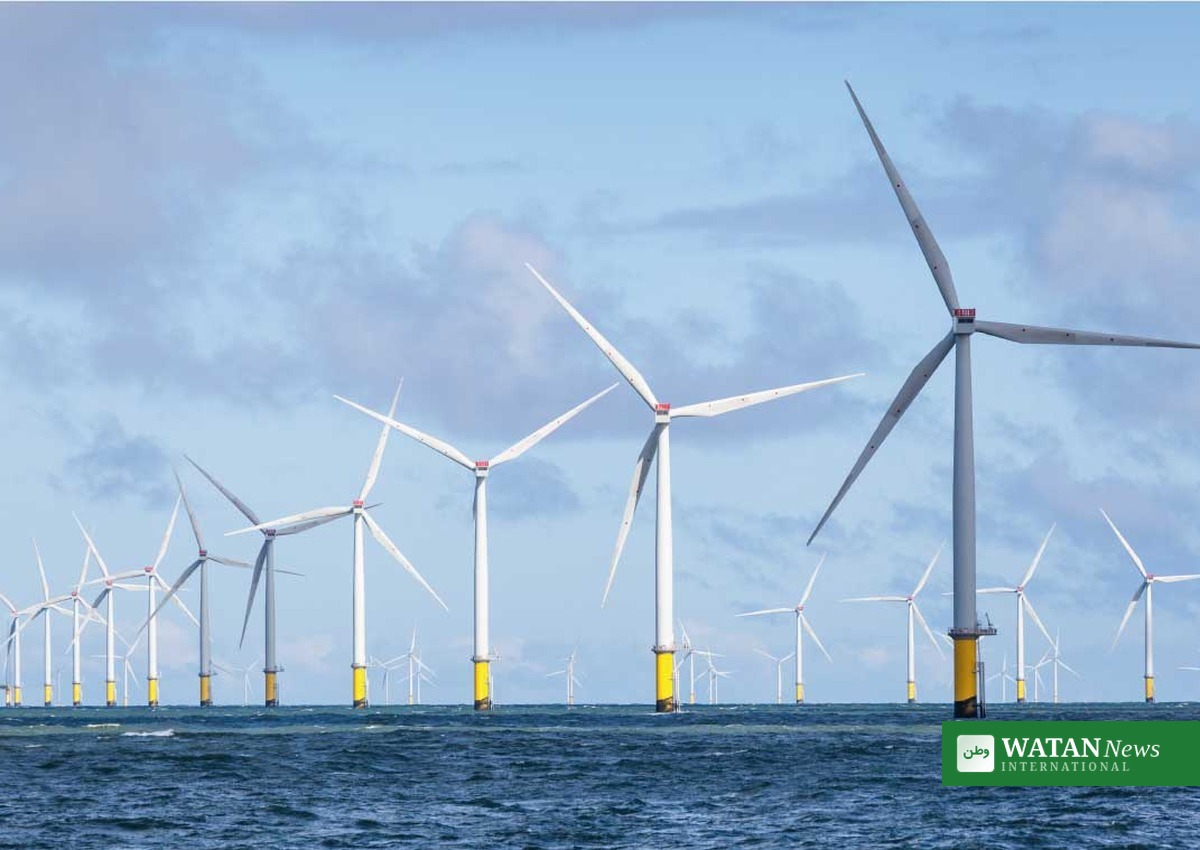
Offshore wind gets its own principle, and the same week brought a sign of movement: the European Commission approved up to €9.45 billion in Dutch support for two North Sea wind farms, IJmuiden Ver Gamma-A and Gamma-B, with 2 GW of combined capacity and up to 7,441 GWh of electricity a year. Tenders are due before July 2027, with the farms expected to operate from 2032 — and state support will be paid only if no developer bids to build them without a subsidy.
İbrahim Erden, Chairman of TÜREB, said: “Wind energy can strengthen energy security, support electrification, and make our industries more competitive. Türkiye’s experience shows the value of combining wind development with a strong manufacturing base and international partnerships.”
What it means as COP31 closes
At the COP31 Leaders’ Summit, United Nations Secretary-General António Guterres warned the world is moving “far too slowly” and urged a tripling of renewable energy capacity by 2035, based on 2025 levels. “We need an extraordinary acceleration,” he said, “expanding renewables, grids, storage and clean electrification at bullet speed.”
The wind roadmap is the industry’s answer to that call — but it is a voluntary industry declaration, not a negotiated COP31 decision. The summit’s own draft cover decision, published on 19 November, keeps the goal of raising electricity’s share of global energy use to 35% by 2035 while dropping explicit references to phasing out fossil fuels. Read Watan News on the COP31 draft cover decision. Negotiators were still working on the final text as the summit reached its scheduled closing day.
For Türkiye, the declaration also fits a wider COP31 story: alongside the wind roadmap, the host country agreed a preliminary $15 billion renewable energy deal with China, covering 7 GW of solar and wind capacity, storage and 4 GW of transmission. Read Watan News on the Türkiye–China renewable energy deal.
Conclusion
The turbines can be built faster than the system that approves, connects and pays for them. COP31’s wind declaration names that gap — permits, grids, finance and supply chains — and sets a number on closing it: 4 TW by 2035. Whether Antalya is remembered as the Implementation COP will now depend on governments turning the roadmap’s five principles into projects.
Frequently asked questions
What is the Global Wind Declaration for Powering the Future?
It is a declaration launched on 13 November 2026 at COP31 in Antalya by the Global Wind Energy Council and the Turkish Wind Energy Association, backed by leading wind companies and national wind associations from all regions. It combines industry commitments with recommendations for governments, organised around five guiding principles for faster wind deployment.
How much wind power capacity does the world have today?
Global installed wind capacity reached 1,299 GW by the end of 2025, according to GWEC’s Global Wind Report 2026. A record 165 GW was added in 2025 alone, up 40% on the previous record year, with 138 countries now generating electricity from wind.
What would it take to reach 4 TW of wind power by 2035?
On the current path, GWEC modelling points to 2 TW by 2029 and 3 TW by 2035. Reaching 4 TW would need stronger government support: predictable policy and clearer demand signals, faster permitting, better grid connections, de-risked projects and more investment.
Why are permits such a big problem for wind power?
Building an offshore wind farm takes about two years, but obtaining the necessary permits can take eight to 12 years, according to GWEC chief executive Ben Backwell. Long approval times delay projects, raise costs and slow the whole energy transition — which is why faster permitting is one of the declaration’s five principles.
Is the wind roadmap part of the COP31 agreement?
No. It is a voluntary industry declaration, not a negotiated COP31 decision. The negotiated COP31 text was still being finalised on the summit’s closing day; its 19 November draft keeps the goal of raising electricity’s share of global energy use to 35% by 2035. The declaration shows what the wind industry says it can deliver if governments clear the way.
Author

usmanch0013@gmail.com
Related Posts
France and Sweden Hold First Joint Nuclear Deterrence Exercise
- 0
- 479 words
France and Sweden have held their first joint nuclear deterrence exercise, flying Rafale and Gripen fighters together over northern Sweden from 16...
Read out all
COP31’s vindkøreplan: Fra rekordens 165 GW til 4 TW i 2035
- 0
- 1,239 word
Den globale vindindustri brugte COP31 i Antalya til at fremlægge en køreplan mod 4 TW i 2035, efter at rekordåret 2025 med...
Read out all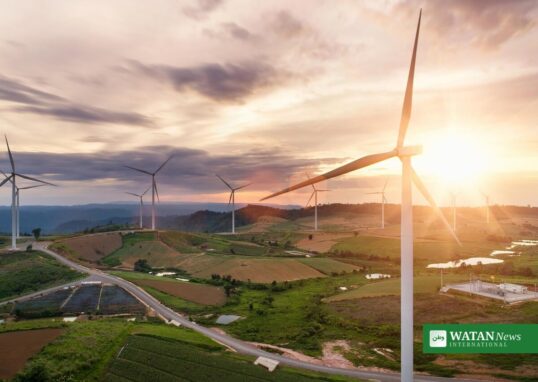
کاپ31 کا ہوا سے بجلی کا نقشہ: 165 گیگاواٹ کے ریکارڈ سے 2035 تک 4 ٹیراواٹ کا ہدف
عالمی ہوا سے بجلی کی صنعت نے کاپ31 میں 2035 تک 4 ٹیراواٹ کا نقشہ پیش کیا، 2025 میں 165 گیگاواٹ کے...
Read out all
Pat Cummins Keeps Cricket Australia Backing as Captain Amid Sandpapergate Storm
- 0
- 868 words
Cricket Australia has kept its backing for Pat Cummins as Test captain after Cameron Bancroft's new account of the 2018 ball-tampering scandal...
Read out all
Iran Claims Control of Waters 500km Beyond Strait of Hormuz
- 0
- 496 words
Iran's Revolutionary Guard chief says Iranian forces control waters more than 500 kilometres beyond the Strait of Hormuz, as the US military...
Read out all
UK and EU Agree Brexit Reset Deal on Youth Mobility, Food Trade and Carbon Markets
- 0
- 700 words
Britain and the European Union have agreed a post-Brexit reset deal at a summit in Brussels, covering youth mobility, food trade and...
Read out all