- 0
- 904 words
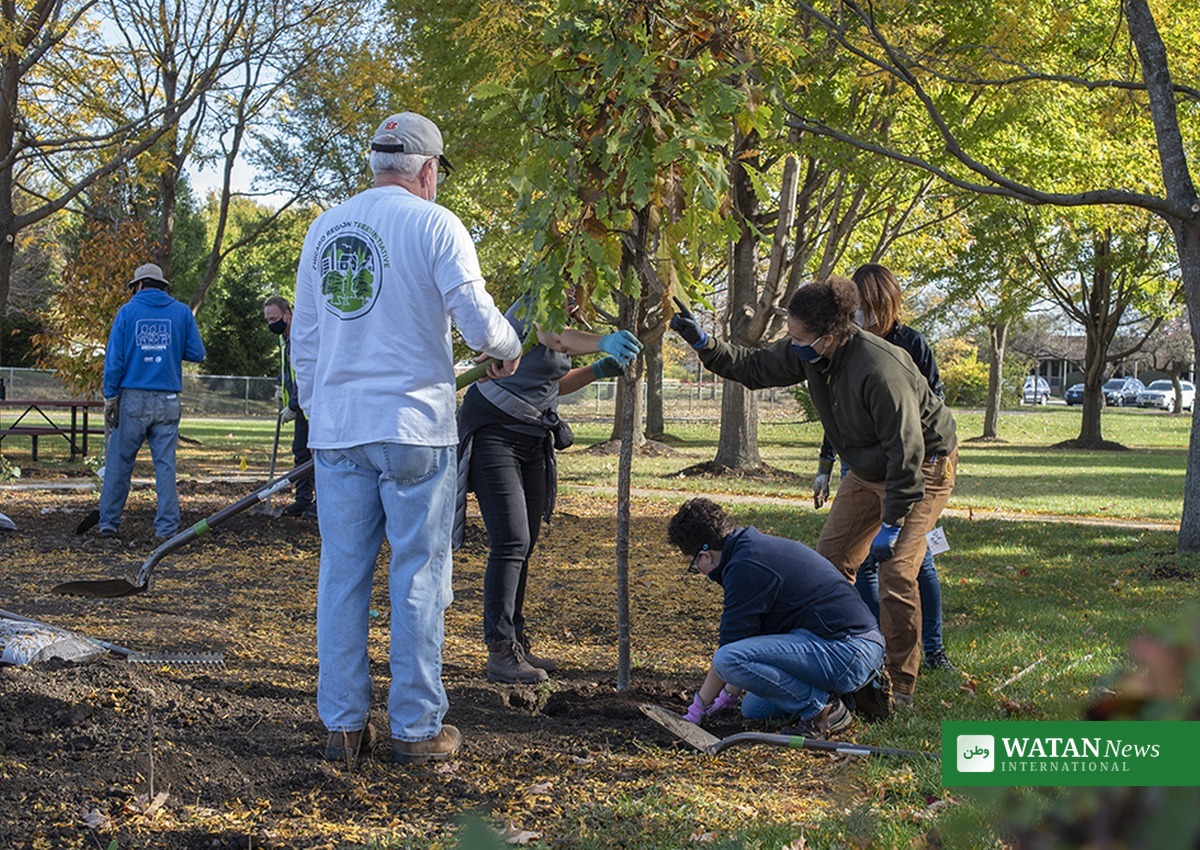
Harrisburg, Pennsylvania — The Great Lakes St. Lawrence region has planted more than 57 million trees since 2023, passing nearly a quarter of its goal of 250 million trees by 2033. The milestone was marked on 19 November 2026 at the Pennsylvania State Capitol Complex in Harrisburg, where Governor Josh Shapiro planted a red oak tree alongside state conservation and agriculture officials.
More than 30 million of those trees were planted in 2025 alone, according to the Conference of Great Lakes St. Lawrence Governors & Premiers (GSGP), which leads the initiative. Pennsylvania has planted more than 5.4 million trees toward its own commitment of 34 million trees.
A milestone in Harrisburg
Governor Shapiro, who chairs the GSGP, was joined at the Capitol Complex by Pennsylvania Department of Conservation and Natural Resources Secretary Cindy Adams Dunn and Department of Agriculture Secretary Russell Redding. Together they planted a red oak to mark the progress.
“Three years ago, the Great Lakes St. Lawrence Governors & Premiers set an ambitious goal, and so far, we have planted more than 57 million trees in just two years,” Shapiro said. “That is what this organization is all about — getting stuff done together for the people we serve. It is our shared responsibility to protect our vital natural resources, and we are going to continue to work together to protect the Great Lakes for generations to come.”
How the count adds up
The Great Lakes St. Lawrence Trees Initiative was launched in October 2023, when four Great Lakes governors planted a ceremonial tree at the Great Lakes Science Center in Cleveland, Ohio. The governors and premiers formally adopted the goal of 250 million trees by 2033 in a resolution on 13 October 2023.
The count covers trees planted by the region’s states and provinces working with partners. In 2025 alone, more than 30 million trees were planted across the region — over half of the total so far. Pennsylvania’s share, more than 5.4 million trees, puts the state about one-sixth of the way toward its 34-million-tree commitment.
Who is behind the planting
The GSGP unites the chief executives of eight US states — Illinois, Indiana, Michigan, Minnesota, New York, Ohio, Pennsylvania and Wisconsin — and two Canadian provinces, Ontario and Québec. The initiative also works with federal governments, Indigenous communities, companies, foundations and other institutions.
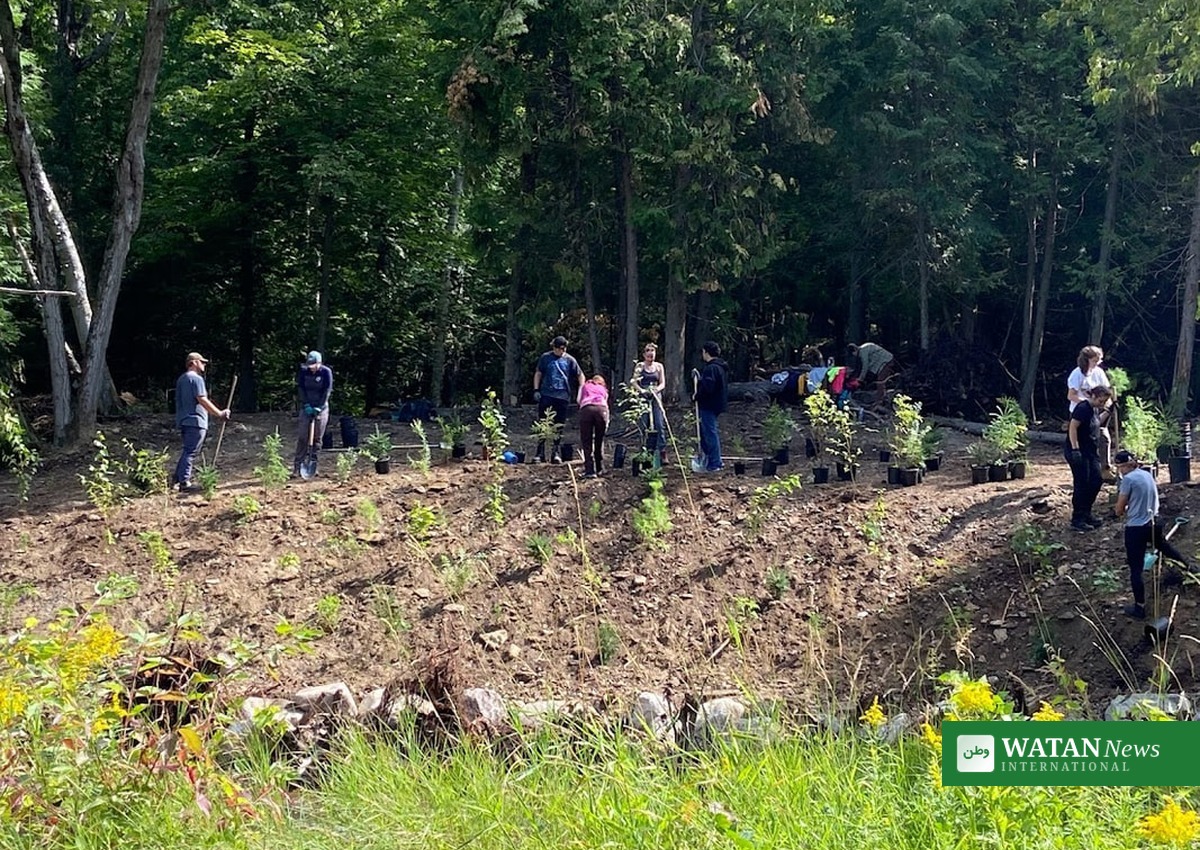
The tree plantings are meant to bring several benefits for the region’s environment, economy and people: cleaning the air by storing carbon and removing pollutants, supporting physical and mental health, reducing urban heat, capturing stormwater and protecting streams, lakes and drinking water, providing habitat for wildlife and plants, and creating recreational opportunities, economic benefits and jobs.
Why trees matter for the climate
Trees store carbon as they grow, and large-scale planting is one of the most direct ways for a region to cut the carbon already in the atmosphere while restoring damaged land. The Great Lakes region is home to the world’s largest system of surface fresh water, and its forests help protect the water, soil and wildlife that depend on it.
The initiative also fits a wider pattern: governments are increasingly treating tree planting and forest restoration as climate action in their own right, not only as conservation. The work in the Great Lakes region shows what a decade-long, cross-border commitment can deliver when states and provinces count their planting together.
Forests in the wider climate picture
The milestone comes as forest protection remains a live issue in global climate talks. The draft cover decision at COP31 in Antalya kept the goal of halting and reversing deforestation by 2030, and countries used the summit to announce forest finance: Norway committed US$100 million to Indonesia on 12 November for verified reductions in deforestation emissions between 2021 and 2023, and pledges to Brazil’s Tropical Forest Forever Facility reached US$8.2 billion, short of its US$10 billion target, according to Carbon Brief.
Read more: Indonesia Tells COP31: Planting Trees Is Not Enough — Restoration Must Go ‘Beyond Planting’ and Kazakhstan Brings a 9-Million-Tree Plan to COP31 as Halyk Ormany Restores Fire-Scarred Forests.
FAKTA
- 57 million+ trees planted across the Great Lakes St. Lawrence region since the initiative launched in 2023.
- 30 million+ trees planted in 2025 alone — more than half of the total so far.
- 250 million trees by 2033 is the regional goal, adopted on 13 October 2023.
- 5.4 million+ trees planted in Pennsylvania toward its commitment of 34 million trees.
- 10 governments lead the effort: eight US states and the Canadian provinces of Ontario and Québec.
Frequently asked questions
What is the Great Lakes Trees Initiative?
It is a regional effort led by the Conference of Great Lakes St. Lawrence Governors & Premiers, with the goal of planting 250 million trees across the Great Lakes St. Lawrence region by 2033. It was launched in October 2023.
How many trees have been planted so far?
More than 57 million trees have been planted since the initiative launched in 2023, including more than 30 million in 2025 alone, according to the GSGP.
Which states and provinces are taking part?
The eight US states of Illinois, Indiana, Michigan, Minnesota, New York, Ohio, Pennsylvania and Wisconsin, and the Canadian provinces of Ontario and Québec, working with federal governments, Indigenous communities, companies, foundations and other partners.
What is Pennsylvania’s share of the goal?
Pennsylvania has planted more than 5.4 million trees toward its commitment to plant 34 million trees as part of the regional goal.
How do the trees help the climate?
Trees store carbon as they grow, clean the air, reduce urban heat, capture stormwater and protect water supplies, and provide habitat for wildlife — benefits the GSGP lists as central to the initiative.
Author

usmanch0013@gmail.com
Related Posts

US Stocks Plunge as S&P 500 and Dow Enter Correction Territory
- 0
- 860 words
US stocks plunged on Friday as the S&P 500 fell 3.7% and the Dow dropped about 950 points, pushing both indexes into...
Read out all
17-årige Francisco Vera fra Colombia vinder International Children’s Peace Prize 2026 for klimaretfærdighed
- 0
- 1,044 word
Den 17-årige colombianske klimaaktivist Francisco Javier Vera Manzanares har vundet International Children's Peace Prize 2026 i Fredspaladset i Haag, udvalgt blandt 280...
Read out all
کولمبیا کے سترہ سالہ فرانسسکو ویرا نے موسمیاتی انصاف کے لیے بچوں کا عالمی امن انعام ۲۰۲۶ جیت لیا
کولمبیا کے سترہ سالہ موسمیاتی کارکن فرانسسکو خاویر ویرا مانساناریس نے دی ہیگ کے پیس پیلس میں بچوں کا عالمی امن انعام...
Read out all
Colombian Teen Francisco Vera Wins 2026 International Children’s Peace Prize for Climate Justice
- 0
- 1,054 word
Seventeen-year-old Colombian climate activist Francisco Javier Vera Manzanares has won the 2026 International Children's Peace Prize at the Peace Palace in The...
Read out all
PATA viser kystdestinationer, hvordan turisme kan vokse uden at miste naturen
- 0
- 1,086 word
PATAs nye guide, lanceret i Sanya den 18. november 2026, viser kystdestinationer, hvordan turisme kan vokse uden at miste naturen — med...
Read out all
پاٹا نے ساحلی سیاحت کی پائیدار ترقی کی رہنما کتاب جاری کر دی
پاٹا کی نئی رہنما کتاب، جو 18 نومبر 2026 کو سانیا میں جاری کی گئی، ساحلی مقامات کو دکھاتی ہے کہ فطرت...
Read out all