- 0
- 1,473 word
Brussels: The European Week for Waste Reduction opens today, running from 21 to 29 November 2026, and this year it asks Europeans a simple question: how much is enough? The 18th edition of the week is built around “material sufficiency” — living well with fewer resources — under the slogan “Questioning our choices, Valuing our resources!”
What material sufficiency means
The Intergovernmental Panel on Climate Change (IPCC) defines sufficiency as policies, measures and everyday practices that reduce the demand for energy, materials, land and water while delivering human wellbeing for all within planetary boundaries. In simple terms, it means focusing on what people truly need to live well and meeting those needs with fewer resources.
Sufficiency is different from efficiency. Efficiency means doing the same things with fewer resources; sufficiency asks whether we need those things at all — and whether wellbeing can come from sharing, repairing and reusing instead of buying new.
“If waste prevention is not prioritised, we will not reach the targets to keep humans’ emissions within the planet boundaries,” said Esra Tat, Executive Director of Zero Waste Europe. “Recycling alone cannot compensate for continuously growing consumption levels.”
Four ways to take part this week
The week invites everyone to turn sufficiency into action through four areas:
Share instead of owning
Borrow from a friend, rent from a shared service, or use a library of things — many items are needed only occasionally, and sharing them avoids buying new ones.
Reuse what already exists
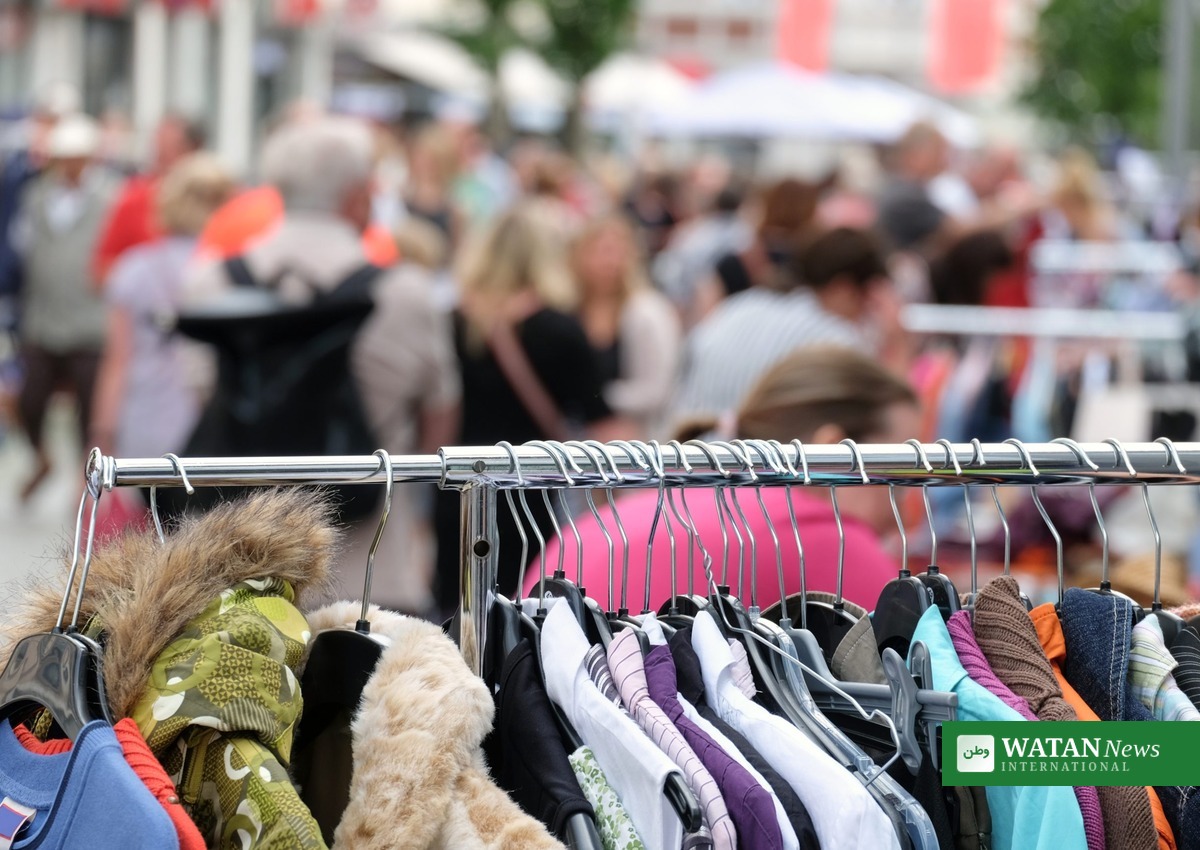
Extend the life of products through reuse systems, second-hand markets and redistribution networks — from reusable cups and packaging to textiles, furniture and electronics.
Repair before replacing
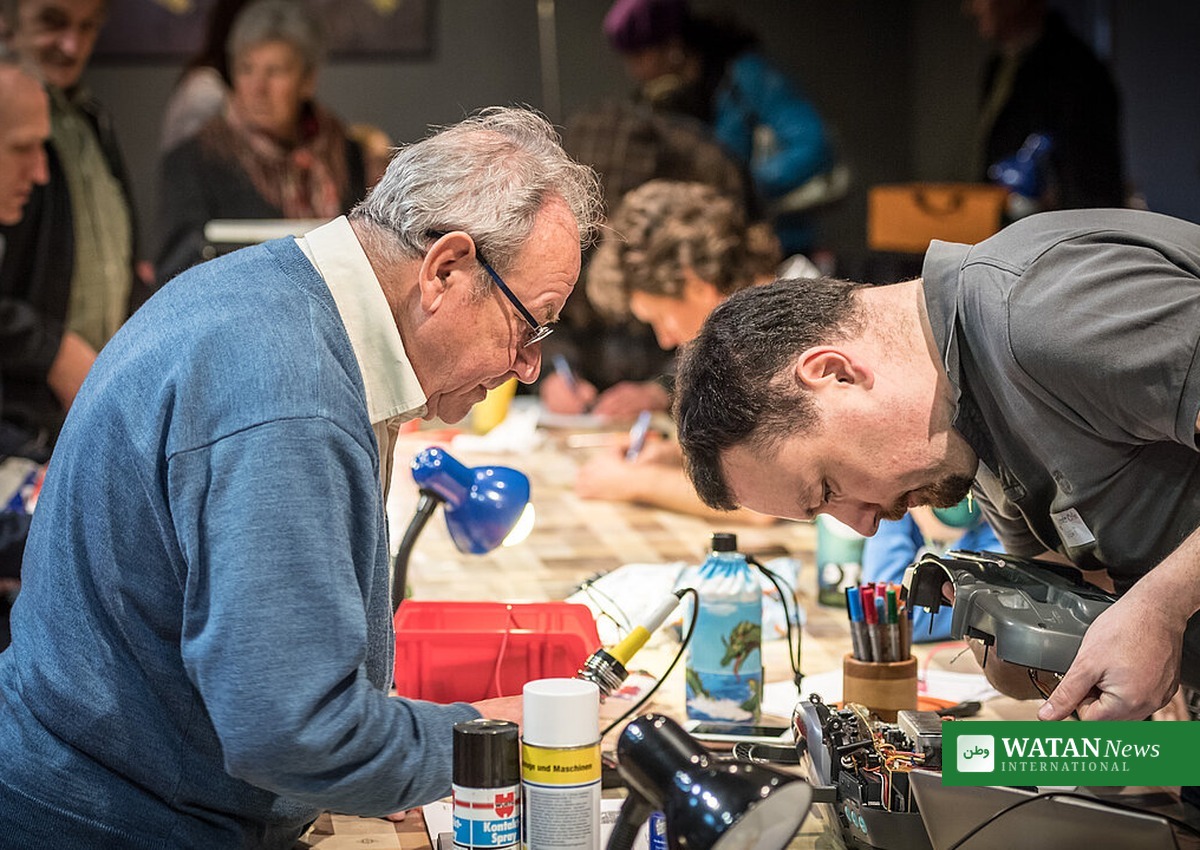
Support repair culture, skills and infrastructure to keep products in use longer. Repair cafés, where volunteers help fix broken appliances, are among the week’s most popular actions.
Choose products designed to last
When something new is truly needed, choose a durable, repairable and modular option — and press manufacturers to make repair information easy to find.
Schools, cities and a cartoon cat
Thousands of waste-prevention actions are taking place across Europe during the week, the organisers say, from repair cafés and swap events to school workshops. In Monaco, the government announced a programme of workshops, collections and awareness activities for the week’s eighth edition in the Principality. In Cyprus, the Department of Environment is running the week under the slogan “Cook, don’t throw away”, inviting cooking schools, restaurants and hotels to cut food waste. In Ireland, the national MyWaste programme is promoting the theme of making the most of what people already have.
For families and schools, this year brings a special competition, “Share your Things, reduce waste!”, run with the animated film The Cat in the Hat. Children and families can swap toys, build a “museum of forgotten things”, or turn recovered materials into games and useful objects — and share the results by 6 December 2026.
Why it matters: the food waste numbers
Waste is not only about bins and landfills — it is a climate issue. Food loss and waste accounts for an estimated 8 to 10 per cent of annual global greenhouse gas emissions, according to the UN Environment Programme (UNEP). When wasted food rots in landfill it releases methane, a gas 84 times more potent than carbon dioxide over 20 years.
The United Nations’ Food Waste Breakthrough initiative, launched at COP30 in Belém in 2025, aims to halve food waste by 2030 under Sustainable Development Goal 12.3. Speaking to RFI at COP31 in Antalya, Clementine O’Connor of UNEP said the target is achievable: Japan already met it in 2022 and has since raised its goal for businesses to a 60 per cent cut by 2030, while the United Kingdom and the Netherlands have each cut food waste by more than 20 per cent over time.
About 60 per cent of food waste happens in homes — around 79 kilograms per person every year. The food the world throws away could provide an estimated one billion meals — enough, O’Connor said, for 1.3 meals a day for every person experiencing hunger.
New momentum from COP31
The waste agenda gained new backing at COP31 in Antalya, where the IKEA Foundation announced two major initiatives on 13 November. FLARE, coordinated by the World Resources Institute (WRI), will scale proven food-waste solutions in Brazil, Ethiopia, Europe, India, Indonesia, Kenya, Mexico and South Africa. FLOWER, coordinated by the Global Green Growth Institute (GGGI), will work across India, Indonesia, Mexico and Uganda, connecting cities with the regions that grow their food.
“Reducing food loss and waste is an urgent climate priority with the potential to improve millions of lives,” said Marilia Bezerra, Chief Programmes Officer of the IKEA Foundation. The Foundation is investing €40 million in the two programmes. Over four years, the solutions FLARE seeks to scale have the potential to cut emissions by an estimated 22.6 million tonnes of carbon dioxide equivalent — the same as taking 5.3 million cars off the road for a year, according to WRAP, one of the partners.
Food banks are part of the same effort: members of The Global FoodBanking Network kept 534 million kilograms of food out of landfills last year while feeding more than 40 million people.
The announcements came as COP31 itself ran into overtime on Saturday, with negotiators in Antalya still working on a final deal after the scheduled close on Friday. Read more: COP31 Comes Home: What the Antalya Climate Talks Mean for Everyday Sustainable Living.
The holiday test
The week also lands just before the holiday season — the time of year when household waste peaks. A study published in the journal Waste by researchers at Penn State and Ohio State University found that United States households discarded about $3 billion worth of food during Thanksgiving week alone. Households that hosted a Thanksgiving meal threw away 78 per cent more food than those that neither hosted nor attended one; those who attended threw away 59 per cent more; and those who did both threw away 140 per cent more.
About three-quarters of the people who cooked for the holiday made more food than was needed, and about one in five threw food out before the meal simply to make room in the fridge. The researchers’ advice is practical: plan portions with an online serving calculator, and use up food that would otherwise be discarded before the big meal. Thanksgiving Day in the United States falls on Thursday, 26 November this year.
Material sufficiency is not about sacrifice, the week’s organisers say — it is about valuing what already exists. A repaired appliance, a shared drill, a swapped coat and a planned meal all point the same way: living well does not have to mean using more.
Key facts
- Dates: The European Week for Waste Reduction 2026 runs 21–29 November — the 18th edition.
- Theme: Material Sufficiency, under the slogan “Questioning our choices, Valuing our resources!”
- Four action areas: Shared economy, reuse, repair, and products designed to last.
- Food waste and climate: Food loss and waste causes 8–10 per cent of global greenhouse gas emissions; about 60 per cent of food waste happens in homes.
- Global target: The UN Food Waste Breakthrough aims to halve food waste by 2030; Japan already met the target in 2022.
- New funding: The IKEA Foundation is investing €40 million in the FLOWER and FLARE initiatives launched at COP31 on 13 November 2026.
- Holiday waste: US households discarded about $3 billion worth of food in Thanksgiving week; hosts threw away 78 per cent more than non-participants.
Frequently asked questions
What is the European Week for Waste Reduction?
It is an annual Europe-wide awareness week on waste prevention, running this year from 21 to 29 November 2026 for the 18th time. Businesses, public bodies, schools, community groups and individuals organise activities that help people use fewer resources and keep things in use for longer.
What does “material sufficiency” mean?
The IPCC defines sufficiency as policies, measures and everyday practices that reduce demand for energy, materials, land and water while delivering wellbeing for all within planetary boundaries. In practice it means focusing on what people truly need and meeting those needs with fewer resources — through sharing, reuse, repair and durable design.
How is sufficiency different from recycling?
Recycling deals with waste after it exists. Sufficiency prevents waste at its source by reducing how much is produced and consumed in the first place. As Zero Waste Europe puts it, recycling alone cannot compensate for continuously growing consumption levels.
Why is food waste a climate issue?
Food loss and waste accounts for 8 to 10 per cent of global greenhouse gas emissions. Wasted food also squanders the land, water, energy and labour used to produce it, and when it rots in landfill it releases methane, which warms the atmosphere 84 times more powerfully than carbon dioxide over 20 years.
What can households do during the week?
Buy only what is truly needed, choose durable and repairable products, repair before replacing, borrow or share instead of owning, support second-hand markets, and cut food waste by planning meals and using leftovers — the same steps the week’s organisers list for citizens.
Author

usmanch0013@gmail.com
Related Posts
Europæisk uge for affaldsforebyggelse åbner i dag: Lev godt med mindre under ‘materialesufficiens’
- 0
- 1,563 word
Den europæiske uge for affaldsforebyggelse åbner i dag og løber til 29. november 2026 under temaet materialesufficiens — en uge med deling,...
Read out all
فضلے میں کمی کا یورپی ہفتہ آج سے شروع: مادی کفایت سے کم وسائل میں بہتر زندگی
فضلے میں کمی کا یورپی ہفتہ آج سے شروع ہو رہا ہے اور 29 نومبر تک جاری رہے گا۔ اس سال کا...
Read out all
France and US Draft Plan for Life After UNIFIL in Lebanon
- 0
- 489 words
France is working with the United States on a plan for security in southern Lebanon once the UN peacekeeping force UNIFIL leaves...
Read out all
Second Tanker Hit Near Strait of Hormuz on Saturday as Iran Claims US Drone Downed
- 0
- 751 words
A second tanker was hit by an unidentified projectile near the Strait of Hormuz on Saturday, hours after a first vessel was...
Read out all
Russian Cargo Ship Sparta II Hit by Drones in Gulf of Finland
- 0
- 496 words
Two drones struck the Russian cargo ship Sparta II in the Gulf of Finland on Saturday, setting it on fire and sending...
Read out all
Britisk tag-solenergi sætter ny årsrekord i 2026
- 0
- 935 words
Over 269.000 MCS-certificerede solcelleanlæg er installeret i britiske hjem og små virksomheder i 2026, og sidste års rekord er slået med seks...
Read out all