- 0
- 1,074 word
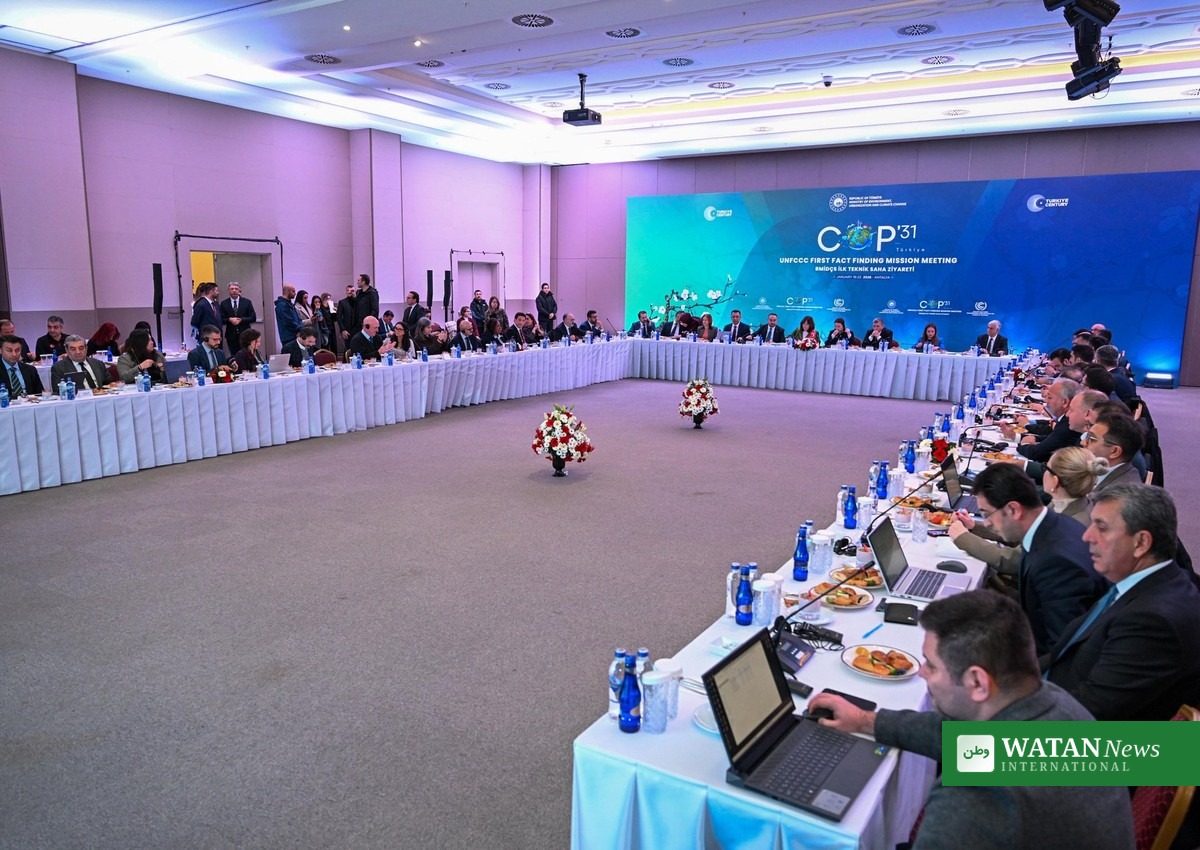
Antalya, Türkiye — COP31 ended on Sunday, 22 November 2026, without an overarching climate agreement, after two weeks of negotiations and two days of overtime made it the longest UN climate summit on record. Yet the collapse did not wipe out everything: decisions adopted before the final plenary, new processes launched during the conference, and pledges made in Antalya still stand — and they set the agenda for the road to COP32 in Addis Ababa.
UN Secretary-General António Guterres said he was “deeply disappointed” that governments had failed to reach consensus, adding: “There may be no consensus in the negotiating room. There is no ambiguity in the science.” COP31 President Murat Kurum told the closing plenary: “I understand that there is no agreement on this text. For that reason, these decisions have not been adopted.”
Decisions adopted before the collapse
Not everything waited for the final text. Late on Friday, 20 November, the closing plenary adopted the decisions that had already been finalised — including the decisions on carbon markets under Article 6 of the Paris Agreement, covering Articles 6.2, 6.4 and 6.8, and the funding of the Article 6.2 infrastructure. The texts were the presidency’s proposals FCCC/PA/CMA/2026/L.4, L.5 and L.6, and they went through without objection, according to the Earth Negotiations Bulletin and the International Emissions Trading Association. Decisions on matters relating to least developed countries were also adopted that evening. The plenary was then suspended at 22:29, with the cover decision still open.
The carbon-market decisions make no major rule changes: they keep the system agreed at COP30 in Belém running, rather than reopening its core methodologies.
Carbon markets keep running — the numbers
The adopted Article 6.4 text welcomes the Supervisory Body’s adoption of four methodologies, ten methodological tools and five methodological standards for the UN crediting mechanism in 2026. It also carries a warning: funding and spending may balance through the end of 2027, but a shortfall is expected for the mechanism from 2028.
Under Article 6.2, the text records 66 cooperative approaches and 71 authorisations submitted by 21 parties as at 18 November. Questions on fees for the Article 6.2 infrastructure were pushed to 2027, and the Subsidiary Body for Implementation will resume work on them in June 2027.
The second Global Stocktake is under way
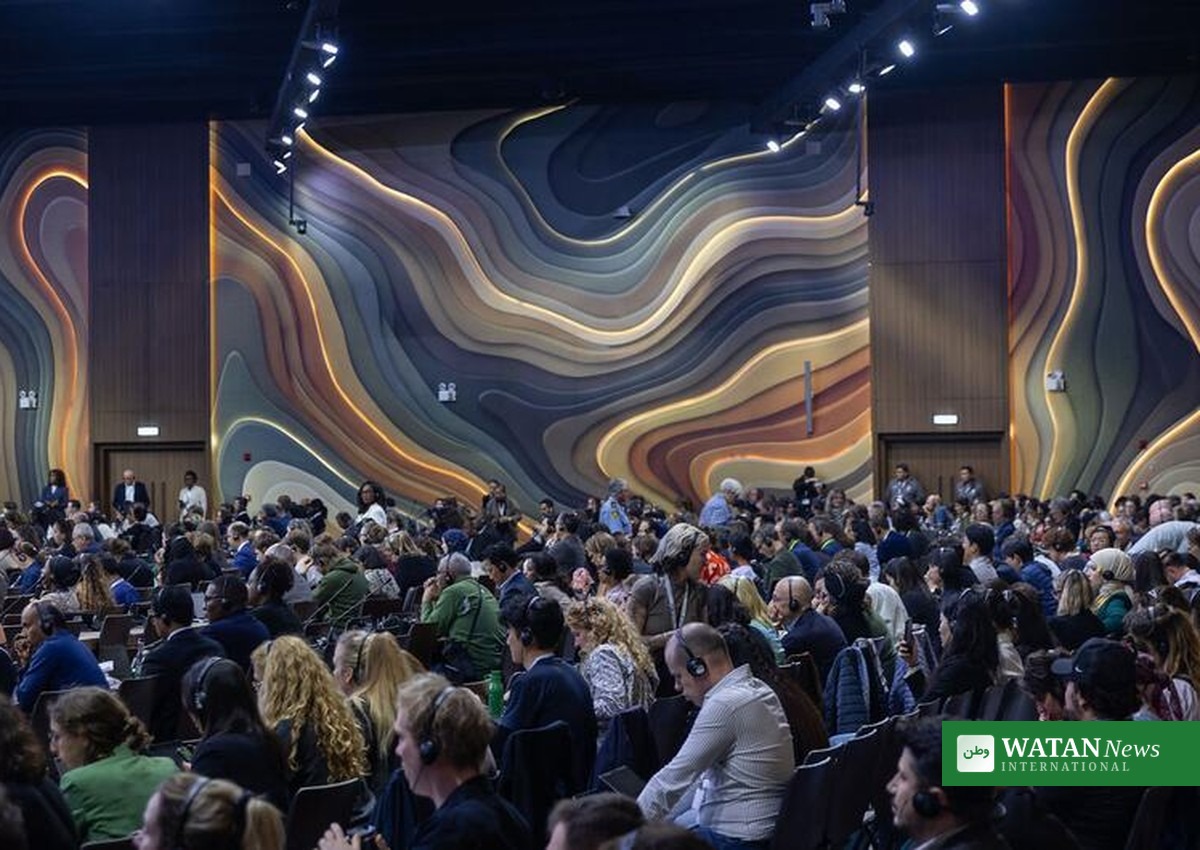
COP31 also launched the second Global Stocktake, the Paris Agreement’s five-yearly assessment of collective progress on emissions, adaptation, finance and technology. Ministers launched the process at a three-hour high-level event on 18 November in the Akdeniz Plenary. Governments and other stakeholders have been invited to submit evidence by 28 February 2027, ahead of a technical assessment starting in June 2027. The stocktake covers the period 2024–2028 and is due to conclude at COP33 in 2028.
Pledges and initiatives that still stand
Addressing the closing plenary, UN Climate Change Executive Secretary Simon Stiell highlighted progress made during the conference, including work on a just transition and a series of initiatives under the COP31 Action Agenda aimed at accelerating electrification, resilience and investment. Brazil brought forward the two roadmaps it had promised — one on moving away from fossil fuels and one on halting deforestation.
Finance pledges announced in Antalya also stand. Canada announced C$116 million in international climate projects, including up to C$10 million for early-warning systems, and the United Kingdom put £400 million into a new fund for clean power, grids and storage in developing economies, which aims to mobilise £5 billion. Questions on the just-transition mechanism’s governance move to the Bonn session in June 2027.
What fell with the pact
The rejected final package had already stripped out what many delegations wanted most: it contained no mention of fossil fuels, dropped the proposed target of at least US$120 billion a year for adaptation finance by 2035, and set no baseline for tripling adaptation finance. A proposed gigatonne-scale carbon-capture goal and the proposed Antalya-to-Addis Ababa Roadmap — which would have tasked the COP31 and COP32 presidencies with mapping predictable finance for adaptation and loss and damage — fell with the text. The European Union, Panama, the Marshall Islands and others formally objected to the draft, saying it weakened previous commitments.
The road to Addis Ababa
The calendar is the one thing the collapse did not touch. The next formal negotiating session is the Bonn intersessional, from 7 to 17 June 2027, where the technical work resumes — on the stocktake, the just-transition mechanism and Article 6.2 fees. Then comes COP32 in Addis Ababa, Ethiopia, from 8 to 19 November 2027, under a presidency led by Ethiopia’s foreign minister Gedion Timothewos, who has said he wants to “restore hope, rebuild trust, and mobilize collective action”. As the COP31 talks collapsed in Antalya, the questions left unanswered — the transition away from fossil fuels and finance for developing countries — now wait for Addis Ababa.
Key facts
- COP31 closed on 22 November 2026 in Antalya without an overarching agreement, after two days of overtime — the longest COP on record.
- Article 6 carbon-market decisions (6.2, 6.4 and 6.8) and decisions on least developed countries were adopted on 20 November.
- Article 6.2 records 66 cooperative approaches and 71 authorisations by 21 parties as at 18 November 2026.
- The second Global Stocktake launched on 18 November 2026; evidence is due by 28 February 2027 and it concludes at COP33 in 2028.
- COP32 will be held in Addis Ababa, Ethiopia, from 8 to 19 November 2027, after the Bonn intersessional from 7 to 17 June 2027.
Frequently asked questions
Did COP31 adopt anything at all?
Yes. Before the final text failed, the plenary on 20 November adopted the decisions that had been finalised, including the Article 6 carbon-market decisions and decisions on least developed countries. Only the overarching cover decision — the political package — was not adopted.
What is Article 6 of the Paris Agreement?
Article 6 sets the rules for international carbon markets: how countries cooperate on emissions reductions (6.2), how the UN crediting mechanism works (6.4), and how non-market cooperation is organised (6.8). COP31 kept the system agreed at COP30 running without major rule changes.
What is the second Global Stocktake?
It is the Paris Agreement’s five-yearly assessment of collective progress on cutting emissions, adapting to climate change, and providing finance and technology. Launched at COP31, it gathers evidence until 28 February 2027, runs a technical assessment from June 2027, and concludes at COP33 in 2028.
When and where is COP32?
COP32 will be held in Addis Ababa, Ethiopia, from 8 to 19 November 2027, led by president-designate Gedion Timothewos, Ethiopia’s foreign minister. The Bonn intersessional from 7 to 17 June 2027 comes first.
What happens to the fossil-fuel question now?
The COP28 agreement in Dubai to transition away from fossil fuels still stands, and the question returns at the Bonn session in June 2027 and at COP32. UN Secretary-General António Guterres has said the priority must be to accelerate and finance that shift.
Author

usmanch0013@gmail.com
Related Posts

Houthis Attack Aramco’s Jazan Refinery, Saudi Coalition Says
- 0
- 628 words
Yemen's Houthis attacked Saudi Aramco's Jazan refinery on Thursday, the Saudi-led coalition said, a day after the group claimed a strike on...
Read out all
De fleste regeringer mangler en strategi for klimainformation, viser første globale kortlægning
- 0
- 1,455 word
Forum on Information and Democracy’s første globale kortlægning af 23 lande og EU finder, at de fleste regeringer ikke har nogen selvstændig...
Read out all
پہلی عالمی جانچ میں انکشاف: اکثر حکومتوں کے پاس موسمیاتی معلومات کی کوئی قومی حکمت عملی نہیں
ایف آئی ڈی کی پہلی عالمی جانچ میں 23 ممالک اور یورپی یونین کا جائزہ لیا گیا: اکثر حکومتوں کے پاس موسمیاتی...
Read out all
Most Governments Lack a Climate Information Strategy, First Global Mapping Finds
- 0
- 1,427 word
The Forum on Information and Democracy’s first global mapping of 23 countries and the EU finds most governments have no standalone strategy...
Read out all
Elektrisk hjem kan spare en typisk britisk husstand 1.200 pund om året
- 0
- 1,080 word
Ny analyse fra Storbritanniens Climate Change Committee viser, at en typisk husstand kan spare 1.200 pund om året ved at blive elektrisk...
Read out all
بجلی کی طرف منتقلی سے عام برطانوی گھرانا سالانہ 1,200 پاؤنڈ بچا سکتا ہے
برطانیہ کی موسمیاتی تبدیلی کمیٹی کے نئے تجزیے کے مطابق عام گھرانا بجلی کی طرف منتقلی سے سالانہ 1,200 پاؤنڈ بچا سکتا...
Read out all