- 0
- 1,124 word
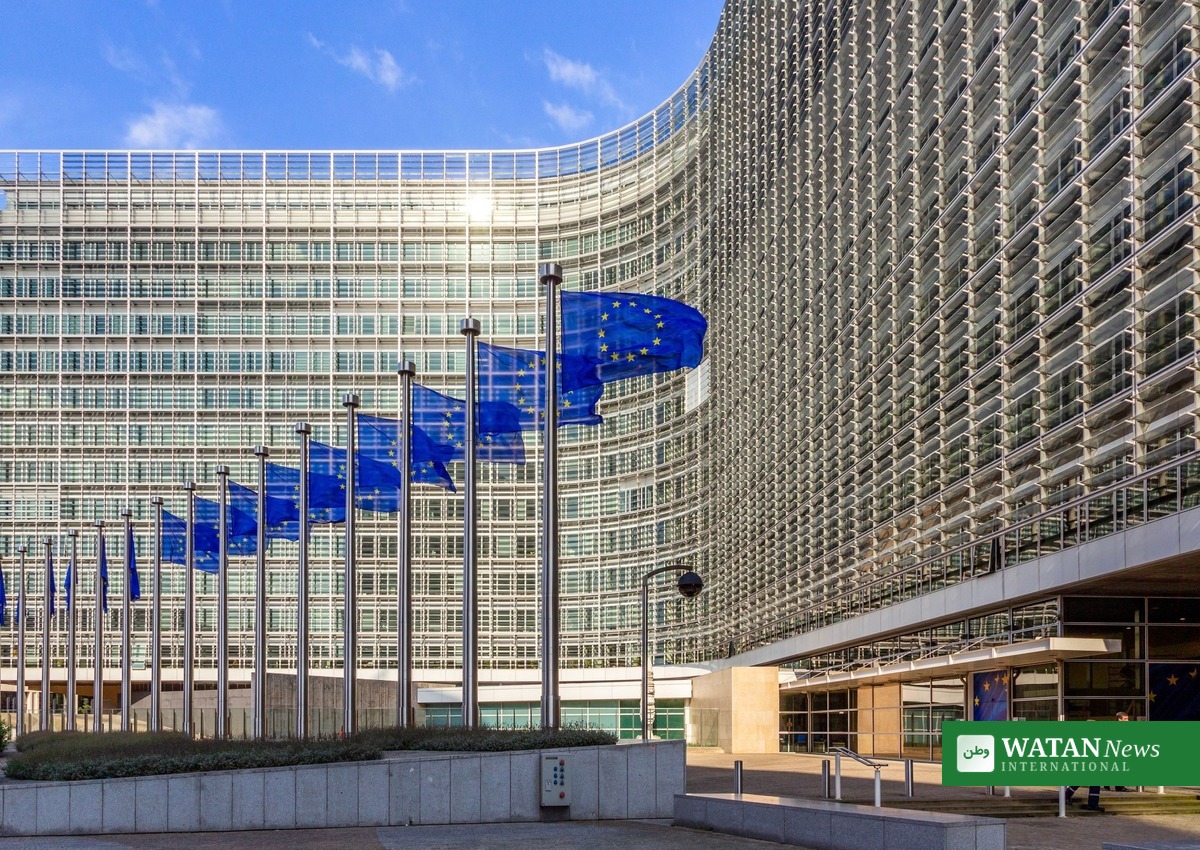
Brussels: The European Union and the United Kingdom have finalised negotiations to link their emissions trading systems, creating a larger, shared carbon market from 1 January 2028 and paving the way for goods on both sides to be exempt from each other’s carbon border charges.
The deal was announced on 20 November 2026 at the EU–UK summit, where leaders concluded negotiations on an agreement to apply the same set of climate rules for emissions trading in the EU and the UK. The agreement will take effect subject to ratification and entry into force in both jurisdictions. The intention to link the two systems was first announced at the first EU–UK Summit in May 2025.
Key facts
- The linked market will apply from 1 January 2028, subject to ratification in the EU and the UK.
- The UK will expand its emissions trading system to cover aviation and maritime, bringing over 10 million tonnes of additional CO2 emissions into the system.
- Allowances issued under either system will be mutually recognised and can be used interchangeably to meet compliance obligations.
- Linking provides the basis for a possible future mutual exemption from the EU and UK carbon border adjustment mechanisms (CBAM).
- The UK government says around £6.5 billion worth of UK exports would be exempt from the EU CBAM as a result.
- The EU ETS has been linked with Switzerland’s ETS since 1 January 2020, and that link will remain in place.
What the EU–UK emissions trading link does
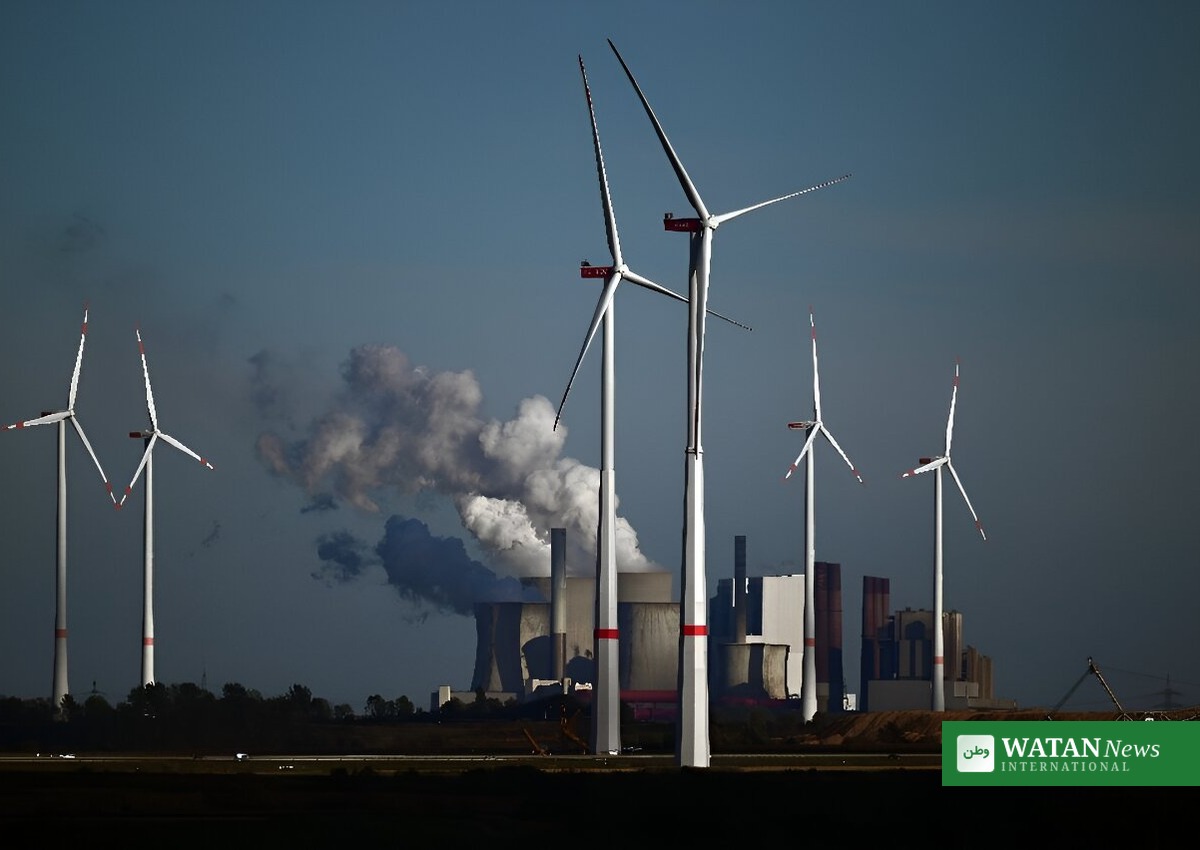
An emissions trading system — often called cap and trade — sets a limit on the total greenhouse gas emissions allowed from power plants, factories and other covered sectors, and requires polluters to hold an allowance for every tonne they emit. Companies that cut emissions can sell their spare allowances; those that emit more must buy them. The price of allowances creates a financial incentive to pollute less.
Linking the EU and UK systems means the same climate rules for emissions trading will apply on both sides, creating a larger and more liquid carbon market with a more stable carbon price, according to the European Commission. A bigger market also allows more efficient investment decisions, supporting both sides on their paths to climate neutrality.
What changes for businesses
For companies, the most immediate change is that allowances become interchangeable: a UK-based company will be able to use allowances issued under the UK scheme to cover emissions in the EU, and vice versa. Analysts at Deloitte note that by linking the markets, prices may become less volatile, giving businesses more certainty when investing in decarbonisation.
The UK will also widen its own system as part of the deal, extending it to aviation and maritime, which the Commission says will bring over 10 million tonnes of additional CO2 emissions under the cap. Both the EU and UK systems will apply monitoring for aviation’s non-CO2 climate effects — the warming caused by aircraft beyond their carbon dioxide emissions alone.
The carbon border charge exemption
The linking agreement also opens the door to a mutual exemption from the carbon border adjustment mechanisms — the charges the EU and UK apply, or plan to apply, to carbon-intensive imports so that foreign producers face a carbon price similar to domestic ones. The aim is to prevent carbon leakage, where production simply moves abroad to avoid climate rules.
Under the EU’s rules, its border charge does not apply to goods from countries that are part of the EU ETS or have linked their own system to it. Once the EU–UK agreement enters into force and the necessary legal steps are completed, the UK can be added to the relevant annex of the EU CBAM Regulation, which would exempt UK-origin goods from the EU charge. A corresponding approach is expected on the UK side under its own carbon border arrangements, according to the European Commission’s taxation department. The UK government says around £6.5 billion worth of UK exports would be exempt from the EU CBAM.
Climate action after COP31
The agreement was finalised in the same week that the COP31 climate conference in Antalya ended, on 22 November, without an overarching agreement, after countries rejected a draft text that did not mention fossil fuels. The EU–UK deal is an example of climate action continuing outside the consensus negotiation room: governments, businesses and cities are pressing ahead through bilateral deals and coalitions. As one analysis of the COP31 outcome put it, the system is moving “from doing things by consensus to doing them by coalition”.
Read more: COP31 ended without an overarching deal — what survived the collapse
What happens next
The agreement must now be ratified and enter into force in both the EU and the UK before it can apply from 1 January 2028. The legal texts have not yet been published, and several aspects of the negotiations are set to continue, according to Deloitte. Once in force, the Commission says it stands ready to launch the procedures to add the UK to the CBAM annex as soon as possible.
Frequently asked questions
What is an emissions trading system?
It is a cap-and-trade system: the government sets a limit on total emissions from covered sectors, issues a fixed number of allowances, and requires polluters to hold one allowance per tonne emitted. Companies can buy and sell allowances, so cutting emissions becomes financially rewarding.
When will the EU–UK link take effect?
The two sides have committed to applying the agreement from 1 January 2028, subject to ratification and entry into force in both the EU and the UK.
Will UK and EU carbon prices become the same?
Not by decree, but linking creates one larger market in which allowances can be used on either side, which tends to align prices. Analysts expect the link to make prices less volatile and give businesses more certainty for investment decisions.
What is CBAM and why does the exemption matter?
The carbon border adjustment mechanism is a charge on carbon-intensive imports, designed to stop production moving abroad to escape climate rules. Because linked systems apply comparable carbon pricing, a border charge is no longer necessary — so UK goods would be exempt from the EU charge, and the UK government says around £6.5 billion of UK exports would benefit.
Does this deal replace the COP31 climate agreement?
No. COP31 ended without an overarching deal, but the Paris Agreement and earlier commitments still stand. The EU–UK link is a bilateral agreement between two parties; it shows climate action continuing through coalitions and direct deals while multilateral negotiations continue.
The EU–UK link will not cut a single tonne of emissions by itself. Its test will be whether a bigger, steadier carbon price pushes power plants, factories, airlines and shipping lines to invest faster in clean technology — and whether other countries follow the same coalition route.
Author

usmanch0013@gmail.com
Related Posts

Pablo Hernández de Cos Picked as Next ECB President, Succeeding Lagarde in February
- 0
- 621 words
Leaders of the eurozone countries have chosen Spain's Pablo Hernández de Cos as the next ECB president. He succeeds Christine Lagarde in...
Read out all
COP31-skovfond når 8,3 milliarder dollar – men mangler stadig 1,7 milliarder dollar
- 0
- 1,320 word
Tropical Forest Forever Facility rejste 8,3 milliarder dollar ved COP31, men med 1,7 milliarder dollar stadig at finde inden den 31. december...
Read out all
کاپ31 کے بعد اشنکٹبندیی جنگلات کا فنڈ 8.3 ارب ڈالر تک پہنچ گیا — ہدف سے اب بھی 1.7 ارب ڈالر کم
ٹراپیکل فارسٹ فارایور فیسلٹی نے کاپ31 میں 8.3 ارب ڈالر جمع کر لیے، لیکن 31 دسمبر سے قبل 1.7 ارب ڈالر کی...
Read out all
COP31 forest fund reaches $8.3 billion — but $1.7 billion short of its launch target
- 0
- 1,273 word
The Tropical Forest Forever Facility raised $8.3 billion at COP31, but with $1.7 billion still to find before 31 December, Norway's $3...
Read out all
فلاڈیلفیا کونسل نے زیرو ویسٹ بل آگے بڑھا دیا، 2046 تک 60 فیصد کچرا ڈائیورٹ کرنے کا ہدف
فلاڈیلفیا سٹی کونسل کی کامرس کمیٹی نے زیرو ویسٹ اینڈ سرکلر اکانومی ایکٹ متفقہ طور پر آگے بڑھا دیا ہے، جس کے...
Read out all
Philadelphia fremmer nul-affaldslov med mål om 60 procent affaldsomlægning i 2046
- 0
- 1,074 word
Philadelphias byråds handelsudvalg har enstemmigt fremmet nul-affaldsloven, der kræver, at byen omdirigerer 60 procent af det kommunale affald væk fra lossepladser og...
Read out all