- 0
- 1,615 word
Circular Monday marks its tenth edition today, Monday 23 November 2026, with repair cafés, clothing swaps and workshops across Europe and Australia — a decade after the campaign began in Malmö, Sweden, as a small counterweight to Black Friday.
The global campaign, which promotes buying, using and reusing in ways that create no waste, now reaches far beyond its Swedish origins. Its tenth edition is being marked by locally organised events in more than half a dozen countries, alongside a global online anniversary event this afternoon.
What is Circular Monday?
Circular Monday was born in Malmö in 2017 as a response to Black Friday, the shopping event that now opens the busiest buying period of the year. It is a global campaign and community dedicated to circular consumption, and it holds an annual global action day on the Monday before Black Friday.
The campaign highlights and celebrates businesses, organisations and individuals working for circular consumption, maintains a database of circular businesses and changemakers, and inspires people to repair, reuse, rent, share and upcycle instead of buying new. Its stated goal is to make circular solutions visible, accessible and the new normal.
Ten years on: from protest to practice
In 2025, Circular Monday involved 1,484 businesses, organisations and other participants across 58 countries, reaching an estimated 108 million people without paid advertising, according to the campaign.
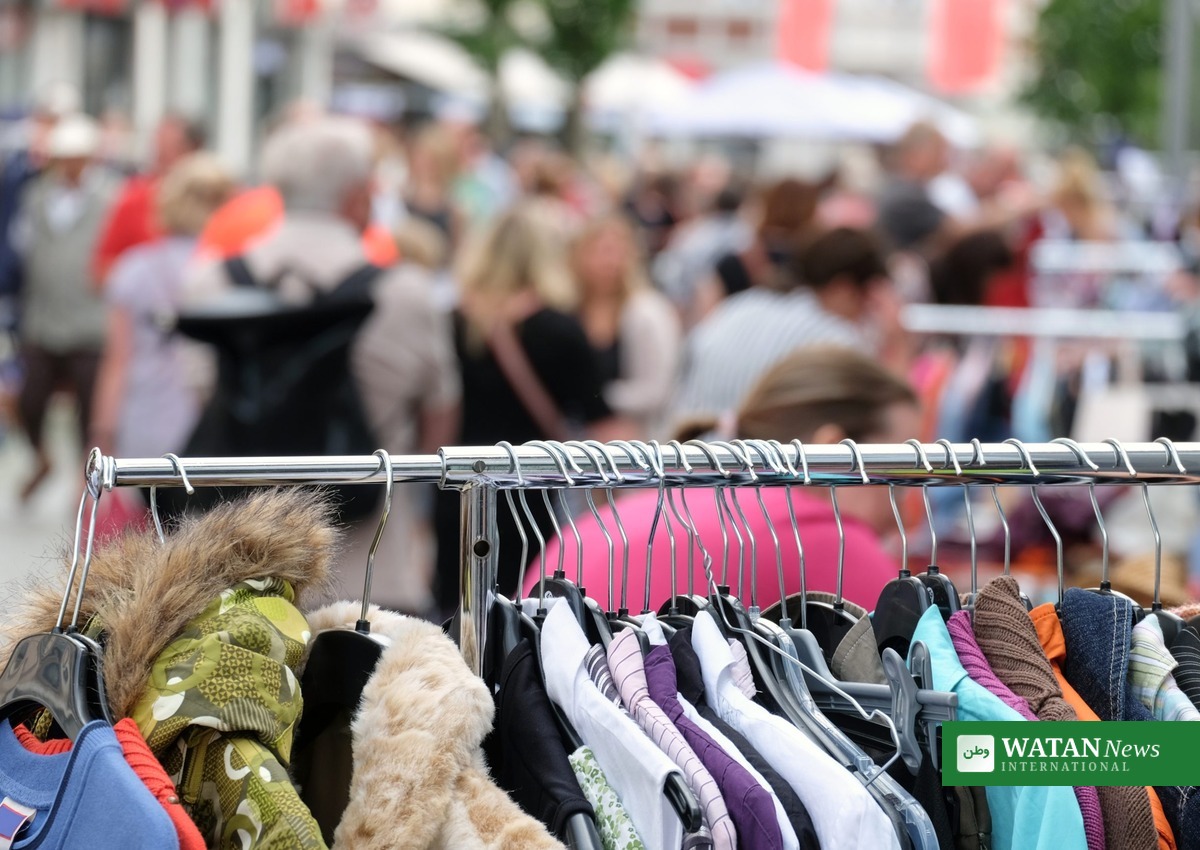
Ten editions on, the campaign is no longer centred only on opposing the logic of Black Friday. It increasingly focuses on practical alternatives to buying new products, from repairing and maintaining what people already own to renting, swapping and choosing second-hand goods.
“We’ve become incredibly good at finding discounts, but we need to become just as good at recognising value,” says Alexandra Davidsson, Co-Founder and Global Lead of Circular Monday. “The best deal isn’t necessarily the lowest price. It’s finding something that truly meets your needs, lasts longer and makes better use of the resources we already have. Sometimes that means buying second-hand. Sometimes it’s repairing, renting or sharing. And sometimes it means not buying anything at all.”
The campaign’s international network is built around four principles: Buy Better, which means choosing quality, second-hand or refurbished options when a purchase is necessary; Keep Longer, which focuses on repair, maintenance and care; Trade Smarter, which promotes resale, swapping and redistribution; and Borrow What You Need, which encourages sharing, renting or borrowing products that are only required occasionally.
“Ten editions ago, we wanted to challenge Black Friday. Today, we’re part of a much bigger conversation about how we produce, consume and value the things around us,” Davidsson says. “But awareness is only the beginning. Our real ambition is to make circular consumption so accessible, attractive and normal that people no longer have to think of it as the alternative.”
How the tenth edition is being marked
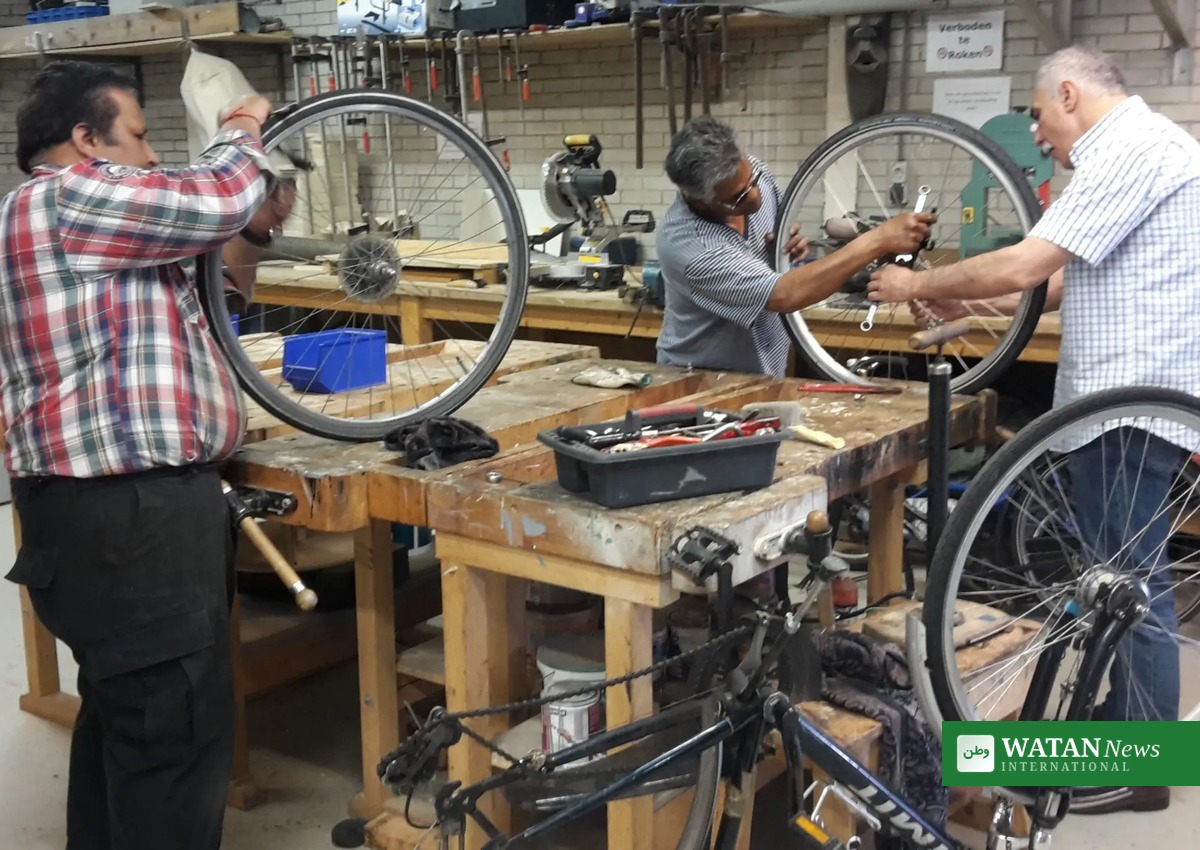
Circular Monday 2026 is being marked through workshops, repair cafés, clothing swaps and public events in several European countries, with activities also taking place in Australia.
Austria has one of the most extensive programmes, with more than a dozen activities during November. In Vienna, HUMANA is hosting a clothing repair station, while other initiatives include a circular economy workshop in St. Pölten, a repair café in Linz and clothing swaps and educational activities for students in Salzburg. On 23 November, the Austrian event Step-by-step brings together twelve speakers to share practical ideas for more circular lifestyles, both at Climate Lab in Vienna and online.
Hungary is focusing on repair and community participation. Budapest is hosting free repair workshops on 21 and 23 November, while Make Something Week runs throughout the Black Friday period with creative activities, clothing swaps and discussions about alternatives to overconsumption.
In Italy, an event organised in Catania by CAMBIA and Circular Monday on 18 November focused on reusable packaging and alternatives to single-use products. On 26 November, the University of Macerata will host an international event combining discussions on sustainable behaviour with a community clothing swap.
In the United Kingdom, Circular Brighton & Hove is bringing together local businesses, organisations and residents on 23 November to explore collaboration and strengthen the local circular economy network. Sweden, where Circular Monday began, is also hosting local activities: Kulturhuset Kåken in Gothenburg is organising a free pop-up repair café on 23 November, giving participants the chance to repair clothes and extend the life of garments they already own.
Further afield, Bucharest in Romania is hosting an afternoon dedicated to environmental education and circular choices, Poland is focusing on circular business models through a webinar covering repair, reuse and rental, and Circular Economy Club communities in Sydney and Melbourne are organising events in Australia.
The tenth edition is also being marked by the global online event Celebrating 10 Years of Circular Impact, scheduled for 23 November from 15:00 to 16:00 CET. Hosted by Elin Bergman and Alexandra Davidsson, it brings together international perspectives on the progress made so far, the challenges that remain and the future of circular consumption.
Businesses are joining in — some by opting out
Some companies are marking the week by refusing to take part in Black Friday at all. Swedish footwear company Icebug is skipping Black Friday for the eighth time, selling its products at regular prices and donating 100 per cent of the day’s revenue to organisations working to protect old-growth forests and biodiversity.
Last year the company raised 1.2 million Swedish kronor in a single day without offering any discount, and it expects to exceed that figure this year. In Sweden, this year’s revenue will go to organisations including Naturarvet, which works to acquire and preserve old-growth forests, with the funds directed to a forest area in Dalarna.
“A good deal is a good deal,” says Icebug chief executive and co-founder David Ekelund. “But the bigger picture is that many companies are trying to trigger overconsumption, even though we all know that we need to reduce resource use to stay within planetary boundaries.”
Repair is becoming a right, not just a choice
The repair movement is also gaining legal backing in Europe. The EU’s Right to Repair Directive, Directive (EU) 2024/1799, was adopted on 13 June 2024 and requires member states to apply its provisions from 31 July 2026. It obliges manufacturers to repair covered products — including washing machines, mobile phones and other goods subject to repairability rules — within a reasonable time and for a reasonable price, and to make spare parts available.
Consumers who choose repair over replacement under the legal guarantee also gain an extra year of guarantee. A European online platform to help consumers find repairers is due to follow, with the Commission developing its common interface by 31 July 2027.
Implementation is lagging, however. On 25 September 2026 the European Commission sent letters of formal notice to 18 member states over the transposition of the directive, which was due by 31 July 2026.
Why it matters for the climate
Black Friday falls on 27 November this year, and the shopping period it opens is one of the most resource-intensive of the year: products are manufactured, shipped, used briefly and often discarded. Keeping products in use longer through repair, reuse and sharing cuts the demand for new raw materials, the energy used in manufacturing and the waste sent to landfill or incineration.
The theme also reached the climate negotiations. At COP31 in Antalya, which ended on 22 November without a deal, the presidency set targets to halve the growth of waste generation and to lift the circular-material use rate to at least 15 per cent by 2035. Circular Monday’s tenth edition lands just as the European Week for Waste Reduction runs from 21 to 29 November under the theme of material sufficiency — living well with less.
Read more: European Week for Waste Reduction Opens Today: Living Well With Less Under ‘Material Sufficiency’ and COP31 Closed Without a Pact — but Carbon Markets, a New Stocktake and the Road to Addis Ababa Survived.
Key facts
- What: Circular Monday 2026, the tenth edition of the global campaign for circular consumption.
- When: Monday 23 November 2026, the Monday before Black Friday on 27 November.
- Where it began: Malmö, Sweden, in 2017, as a response to Black Friday.
- Reach in 2025: 1,484 businesses, organisations and other participants across 58 countries, reaching an estimated 108 million people without paid advertising.
- Four principles: Buy Better, Keep Longer, Trade Smarter and Borrow What You Need.
- Anniversary event: Celebrating 10 Years of Circular Impact, online, 23 November, 15:00–16:00 CET.
Frequently asked questions
What is Circular Monday?
Circular Monday is a global campaign and community for circular consumption — buying, using and reusing in ways that create no waste. It holds an annual action day on the Monday before Black Friday and promotes repair, reuse, renting, sharing and buying second-hand instead of buying new.
When is Circular Monday 2026?
Circular Monday 2026 falls on Monday 23 November 2026, four days before Black Friday on 27 November. It is the campaign’s tenth edition, having started in Malmö, Sweden, in 2017.
How can I take part in Circular Monday?
You can join a local repair café, clothing swap or workshop, repair something you already own, buy second-hand, rent or borrow what you only need occasionally, or simply choose not to buy anything new. The campaign’s four principles are Buy Better, Keep Longer, Trade Smarter and Borrow What You Need.
How is Circular Monday different from Black Friday?
Black Friday encourages buying more through discounts and limited-time offers. Circular Monday proposes a different way of assessing value: durability, usefulness and the possibility of extending the life of existing products, rather than the lowest price.
Does repairing things really help the climate?
Yes. Repairing, reusing and sharing keep products in use longer, which reduces demand for new raw materials, the energy used in manufacturing and the waste sent to landfill or incineration. The EU has backed this with its Right to Repair Directive, which obliges manufacturers to repair covered products and make spare parts available.
Author

usmanch0013@gmail.com
Related Posts

Houthis Attack Aramco’s Jazan Refinery, Saudi Coalition Says
- 0
- 628 words
Yemen's Houthis attacked Saudi Aramco's Jazan refinery on Thursday, the Saudi-led coalition said, a day after the group claimed a strike on...
Read out all
De fleste regeringer mangler en strategi for klimainformation, viser første globale kortlægning
- 0
- 1,455 word
Forum on Information and Democracy’s første globale kortlægning af 23 lande og EU finder, at de fleste regeringer ikke har nogen selvstændig...
Read out all
پہلی عالمی جانچ میں انکشاف: اکثر حکومتوں کے پاس موسمیاتی معلومات کی کوئی قومی حکمت عملی نہیں
ایف آئی ڈی کی پہلی عالمی جانچ میں 23 ممالک اور یورپی یونین کا جائزہ لیا گیا: اکثر حکومتوں کے پاس موسمیاتی...
Read out all
Most Governments Lack a Climate Information Strategy, First Global Mapping Finds
- 0
- 1,427 word
The Forum on Information and Democracy’s first global mapping of 23 countries and the EU finds most governments have no standalone strategy...
Read out all
Elektrisk hjem kan spare en typisk britisk husstand 1.200 pund om året
- 0
- 1,080 word
Ny analyse fra Storbritanniens Climate Change Committee viser, at en typisk husstand kan spare 1.200 pund om året ved at blive elektrisk...
Read out all
بجلی کی طرف منتقلی سے عام برطانوی گھرانا سالانہ 1,200 پاؤنڈ بچا سکتا ہے
برطانیہ کی موسمیاتی تبدیلی کمیٹی کے نئے تجزیے کے مطابق عام گھرانا بجلی کی طرف منتقلی سے سالانہ 1,200 پاؤنڈ بچا سکتا...
Read out all