
- 0
- 1,518 word
Climate change ranked last among 11 issues for American voters heading into the 2026 midterm elections, according to Gallup — yet a new international survey finds 85 per cent of people in 18 countries support action to cut methane, one of the fastest ways to slow warming. The two polls, published weeks apart, describe the same public in two different ways: climate concern has slipped down the ballot, but support for concrete climate action has not gone away.
Gallup interviewed registered voters between 1 and 19 October 2026 and asked how important each of 11 issues was to their vote for Congress. Half of voters called the economy and healthcare “extremely important”, 47 per cent said the same about the situation in Iran, and climate change came last, at 29 per cent. It was the only issue that a majority of voters did not rate at least “very important”.
The ballot-box numbers
The order of the Gallup list shows how far climate sits behind the cost of living. Income and wealth distribution was rated extremely important by 44 per cent of voters, gas prices by 42 per cent, immigration by 40 per cent, abortion by 38 per cent, crime and the Israeli-Palestinian situation by 35 per cent each, and the construction of AI data centres by 30 per cent. Climate change, at 29 per cent, ranked lowest of all.
The partisan gap was the widest of any issue Gallup measured. Among Democrats, 52 per cent called climate change extremely important to their vote; among Republicans, only 5 per cent did — a gap of 47 percentage points. Gallup also noted that climate change has “generally stayed near its current 29 per cent” in recent midterm years, so the low ranking is a long-running pattern rather than a sudden collapse.
The election itself told the same story. In the NBC News Exit Poll on 3 November 2026, 39 per cent of voters named the economy as the most important issue facing the country, 32 per cent named the state of democracy and 14 per cent named immigration. Climate change did not appear among the leading issues. A Fox News Poll in September found that only 1 per cent of voters viewed climate change as the nation’s top issue. European voters, by contrast, told pollsters this month that politicians who fail to prepare for extreme weather will lose their vote — a contrast Watan News reported from surveys in Spain, France and the United Kingdom.
“Greenhushing”: why supporters stay quiet
Former US Vice President Al Gore, speaking to CNN’s Dana Bash on 19 November to mark the 20th anniversary of his film “An Inconvenient Truth”, said climate supporters now practise what he called “greenhushing” — a political version of the business world’s term for staying silent about green action.
“Greenhushing is when people continue to do the right thing, but they keep quiet about it, lest the evil Eye of Sauron focus on them,” Gore said. Bash noted that while climate change was a major factor in the Obama and Biden administrations, the issue was hardly a factor in Democratic campaigns for the 2026 midterm elections. The news agency Axios reported after the election that Democrats, who had made climate change a centrepiece of their campaigns for years, “barely mentioned it” in 2026.
Gore argued the silence will not last. “I think that’s going to change in the wake of this election,” he said, adding that he has seen “tremendous momentum” in the right direction since 2006. Democratic strategist Doug Schoen told Fox News that climate change “will be a defining issue in the 2028 Democratic primary for president”.
The counterweight: 85 per cent back methane action
While climate change struggles for attention at the ballot box, support for specific action remains strikingly strong. A new international survey by Yale University’s Program on Climate Change Communication, commissioned with the Global Methane Hub and carried out by the Global Strategy Group between 3 and 25 August 2026, asked adults in 18 countries across four continents about methane emissions.
Across the 18 countries, 85 per cent of respondents support reducing methane emissions. Support was strongest in South Korea at 94 per cent, Malaysia and China at 90 per cent, and Brazil, Nigeria and South Africa at 89 per cent. On average, 86 per cent support action to reduce methane emissions from waste. And in all 18 countries, more adults said action on methane would improve rather than worsen their view of policymakers — including 76 per cent in Nigeria, 74 per cent in China, 73 per cent in Indonesia, 72 per cent in Brazil, 55 per cent in Spain and 53 per cent in Italy.
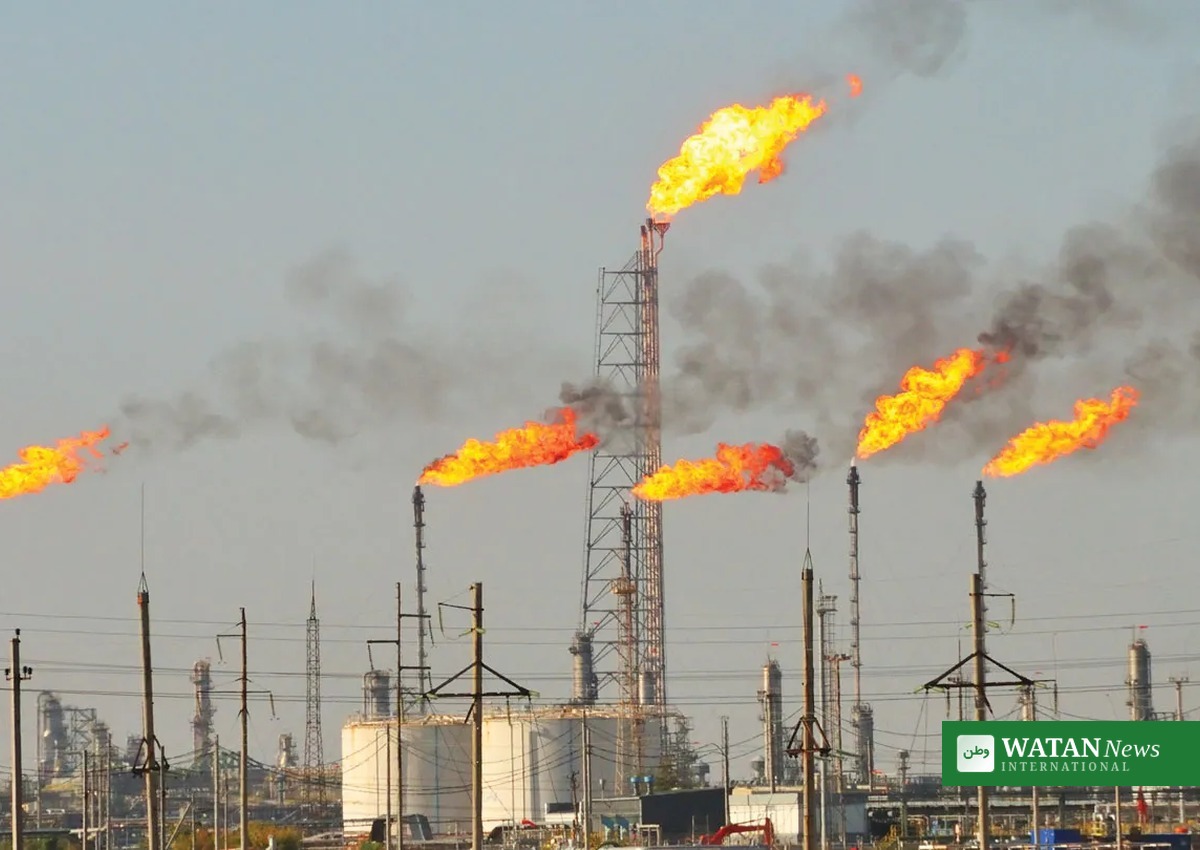
Methane matters because it is a super-pollutant: it traps about 80 times more heat than carbon dioxide over a 20-year period and is responsible for roughly 30 per cent of global warming since pre-industrial times. Because most methane breaks down within about a decade, cutting it is one of the fastest ways to limit warming in the near term — a point the survey’s authors highlighted as policymakers gathered at COP31 in Antalya.
The awareness gap is still real
The Yale research also shows how much awareness work remains. In India, 36 per cent of people surveyed had not heard of global warming; in Indonesia, 21 per cent had not heard of climate change. Yet once given a one-sentence description, large majorities in both countries said climate change is happening — and 86 per cent of Indians support their government’s commitment to reach net zero by 2070, while 83 per cent of Indonesians support a similar goal by 2060.
In the United States, 68 per cent of Americans say global warming is happening, against 16 per cent who say it is not, and 66 per cent are worried about it, according to Yale’s April 2026 survey. And 65 per cent of Americans support moving the US economy from fossil fuels to 100 per cent clean energy by 2050.
The gap between awareness and action was also the story of COP31 itself, which closed in Antalya on 22 November without an agreed final deal. Watan News reported during the summit that the climate message had still not reached most people, with surveys showing that many doubt their governments are ready and rarely hear about climate change in their local news. In Britain, only 20 per cent of people think COP summits have had a positive impact on climate change, according to More in Common.
FAKTA
- Gallup, 1–19 October 2026: climate change was “extremely important” to 29 per cent of US registered voters — last of 11 issues; 52 per cent of Democrats and 5 per cent of Republicans.
- NBC News Exit Poll, 3 November 2026: economy 39 per cent, state of democracy 32 per cent, immigration 14 per cent as the most important issue; climate change not among the leaders.
- Fox News Poll, September 2026: 1 per cent of voters named climate change as the nation’s top issue.
- Yale / Global Methane Hub, August 2026, 18 countries: 85 per cent support reducing methane emissions; 86 per cent back action on methane from waste.
- Methane: traps about 80 times more heat than carbon dioxide over 20 years and accounts for roughly 30 per cent of warming since pre-industrial times.
Conclusion
Low salience is not the same as opposition. The Gallup and exit-poll numbers show climate change losing the competition for voters’ attention to prices, jobs and healthcare — but the Yale survey shows the same public backing concrete action by large majorities when the question is specific. For climate communicators, the lesson is in Yale’s own message research: across 23 countries, the messages that worked best were the ones that said climate change and extreme weather are harming people now and will harm their children in the future. Awareness, in other words, is built not by repeating the word “climate” but by connecting it to the costs and the weather people already feel.
Frequently asked questions
Why did climate change rank last in the Gallup midterm poll?
Only 29 per cent of registered voters called climate change “extremely important” to their midterm vote, behind the economy and healthcare at 50 per cent each. Cost-of-living issues dominated the election. Gallup notes the figure has stayed near 29 per cent in recent midterms, so it reflects persistently low salience rather than a sudden drop.
What is “greenhushing”?
It is the term Al Gore used on CNN on 19 November 2026 for people who keep doing the right thing on climate but stay quiet about their support for fear of backlash. Gore said he expects the silence to break after the 2026 election.
Do voters still support climate action?
Yes, when the question is specific. Yale’s survey of 18 countries found 85 per cent support cutting methane emissions, 86 per cent of Indians back India’s net-zero goal for 2070, and 65 per cent of Americans support moving to 100 per cent clean energy by 2050.
Why does methane matter so much?
Methane traps about 80 times more heat than carbon dioxide over 20 years and is responsible for roughly 30 per cent of warming since pre-industrial times. Because it breaks down within about a decade, cutting methane is one of the fastest ways to slow warming in the near term.
What can close the climate awareness gap?
Yale’s message research across 23 countries found the most effective messages emphasise that climate change and extreme weather are harming people now and will harm their children in the future. Extreme weather events also act as “teachable moments” that raise awareness, and linking climate change to food and energy costs people already feel makes the issue concrete.
Author

usmanch0013@gmail.com
Related Posts

Houthis Attack Aramco’s Jazan Refinery, Saudi Coalition Says
- 0
- 628 words
Yemen's Houthis attacked Saudi Aramco's Jazan refinery on Thursday, the Saudi-led coalition said, a day after the group claimed a strike on...
Read out all
De fleste regeringer mangler en strategi for klimainformation, viser første globale kortlægning
- 0
- 1,455 word
Forum on Information and Democracy’s første globale kortlægning af 23 lande og EU finder, at de fleste regeringer ikke har nogen selvstændig...
Read out all
پہلی عالمی جانچ میں انکشاف: اکثر حکومتوں کے پاس موسمیاتی معلومات کی کوئی قومی حکمت عملی نہیں
ایف آئی ڈی کی پہلی عالمی جانچ میں 23 ممالک اور یورپی یونین کا جائزہ لیا گیا: اکثر حکومتوں کے پاس موسمیاتی...
Read out all
Most Governments Lack a Climate Information Strategy, First Global Mapping Finds
- 0
- 1,427 word
The Forum on Information and Democracy’s first global mapping of 23 countries and the EU finds most governments have no standalone strategy...
Read out all
Elektrisk hjem kan spare en typisk britisk husstand 1.200 pund om året
- 0
- 1,080 word
Ny analyse fra Storbritanniens Climate Change Committee viser, at en typisk husstand kan spare 1.200 pund om året ved at blive elektrisk...
Read out all
بجلی کی طرف منتقلی سے عام برطانوی گھرانا سالانہ 1,200 پاؤنڈ بچا سکتا ہے
برطانیہ کی موسمیاتی تبدیلی کمیٹی کے نئے تجزیے کے مطابق عام گھرانا بجلی کی طرف منتقلی سے سالانہ 1,200 پاؤنڈ بچا سکتا...
Read out all