- 0
- 921 words
In an unusually blunt fact sheet, the Pentagon rebukes Canada for falling short as a credible partner in defending North America, accusing Ottawa of failing to make the tough decisions needed to modernise its military and meet its NATO commitments. The criticism centres on military spending and Canada’s review of its planned purchase of 88 American-made F-35 fighter jets.
FAKTA
- What happened: The US Department of Defense released a fact sheet on Monday accusing Canada of failing to modernise its armed forces and fulfil its NATO commitments.
- Readiness figures: Only 41.9% of Canada’s air force fleet was serviceable in 2025-26, 53.9% of its naval fleet, and the army’s operational readiness stood at 48%.
- The F-35 question: Ottawa is reviewing its planned purchase of 88 F-35 jets and has examined Sweden’s Gripen fighter as an alternative.
- The memo: Defence Secretary Pete Hegseth issued a classified directive restricting Pentagon officials’ participation in Canadian think tank events and social engagements.
- Canada’s reply: Defence Minister David McGuinty said he had not seen the memo and described military cooperation as “business as usual”.
Pentagon rebukes Canada over readiness figures
“Canada’s defense shortfalls speak for themselves,” the Pentagon’s fact sheet said. “Canada must get serious and focused.”
The Pentagon accused Canada of leaving American taxpayers to shoulder the burden of continental defence. It said only 41.9% of Canada’s air force fleet was serviceable in the 2025-26 fiscal year and 53.9% of its naval fleet, while the army’s operational readiness stood at 48%.
The document said underinvestment had weakened the Canadian Armed Forces and limited the air force’s ability to contribute meaningfully to air defence commitments, a pointed charge given that the two countries jointly operate the North American Aerospace Defense Command, or NORAD.
The classified memo behind the rebuke
The criticism follows a classified directive from US Defence Secretary Pete Hegseth that Republican US Senator Mike Rounds said largely restricts officials’ participation in Canadian think tank events and social engagements. The Washington Post first disclosed the memo late on 20 November, citing officials who said it had circulated the previous week.
Speaking on Saturday at the Halifax International Security Forum, Rounds said the directive was not expected to affect joint military operations or intelligence sharing. Pentagon spokesman Sean Parnell said the department was taking steps to ensure its engagements with Canada advance tangible US defence objectives, and that NORAD, intelligence sharing and cooperation through NATO were exempt.
The Trump administration had already barred Pentagon officials from the Halifax forum under 2025 restrictions on think tank participation.
F-35 purchase under review
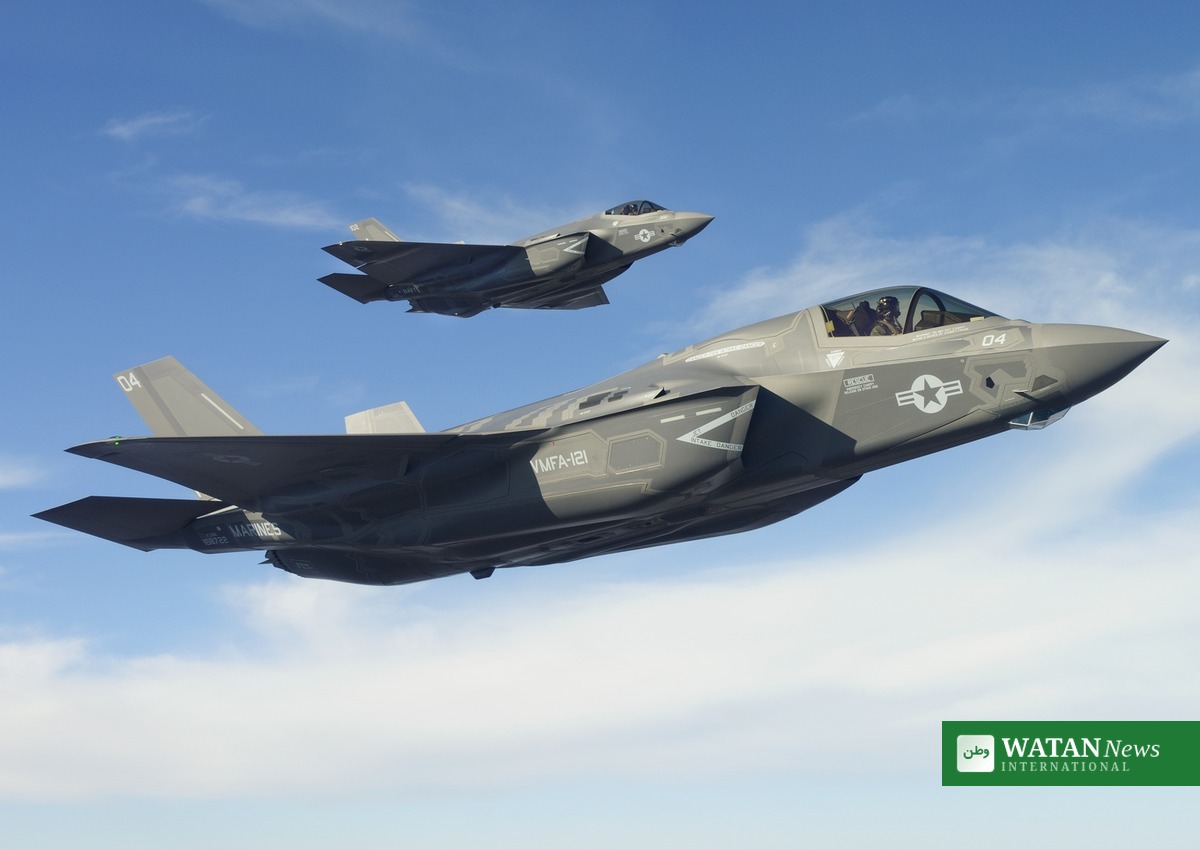
The Pentagon also criticised Ottawa’s review of its planned purchase of 88 American-made F-35s, warning that a mixed fighter fleet could worsen personnel shortages. It accused Canadian leaders of putting domestic economic interests ahead of military effectiveness, creating uncertainty for NORAD.
Prime Minister Mark Carney put the F-35 purchase under review as President Donald Trump threatened Canadian sovereignty and imposed tariffs. Canada has examined Swedish-made Gripen fighters, which could bring manufacturing jobs.
“We should no longer send three-quarters of our defense capital spending to America,” Carney said in June.
Carney has acknowledged readiness problems, saying only one of Canada’s four submarines was seaworthy. Ottawa has since named Germany’s Thyssenkrupp Marine Systems as preferred supplier for up to 12 replacement submarines, pending contract negotiations.
Canada’s response
Canada’s military did not immediately provide a substantive response to the Pentagon’s criticism. The Department of National Defence said Canada “continues to engage constructively and professionally with our American counterparts”.
Defence Minister David McGuinty, speaking at the Halifax forum on Saturday, said his government had not been shown the classified directive. “We’re not aware of any restrictions,” he said, adding: “I still see no daylight between what we’re doing, military to military.” Chief of the Defence Staff General Jennie Carignan said: “There is no change to what we are doing.”
A strained alliance
The rebuke is the latest strain in a relationship already battered by President Trump’s trade war and his threats to make Canada the 51st state. In May, Pentagon policy chief Elbridge Colby announced a pause in the Permanent Joint Board on Defense, a bilateral advisory body established in 1940, accusing Canada of failing to make credible progress on its defence commitments. The move followed earlier accusations from a Trump adviser that Canada had been dishonest in trade talks.
The rebuke also follows criticism of Washington at the Halifax International Security Forum, where its president, Peter Van Praagh, warned on Friday that the United States can no longer be counted on as a predictable leader of the democratic world.
Canada has reached NATO’s previous target of spending 2% of gross domestic product on defence and joined allies pledging to reach 5% by 2035, including related security investments. Its latest budget projects combined defence and security spending of 4.1% of GDP by the 2027-28 fiscal year, but core defence spending of only 2.6%. Canada’s parliamentary budget watchdog says the path to 5% remains unclear, and the Pentagon accused Ottawa of postponing the largest increases until after the 2029 federal election.
Other NATO allies also remain short of the new target. Yet Colby praised Germany’s military buildup on Sunday as a “tectonic shift” and called Poland a “true model ally”. He also praised Romania’s plan to reach 5% by 2031.
For now, neither side has signalled any change to joint military operations, and Canadian officials insist cooperation on defence, security and intelligence is continuing.
Author

usmanch0013@gmail.com
Related Posts

Houthis Attack Aramco’s Jazan Refinery, Saudi Coalition Says
- 0
- 628 words
Yemen's Houthis attacked Saudi Aramco's Jazan refinery on Thursday, the Saudi-led coalition said, a day after the group claimed a strike on...
Read out all
Most Governments Lack a Climate Information Strategy, First Global Mapping Finds
- 0
- 1,427 word
The Forum on Information and Democracy’s first global mapping of 23 countries and the EU finds most governments have no standalone strategy...
Read out all
Going Electric Could Save a Typical UK Household £1,200 a Year, Climate Advisers Say
- 0
- 1,090 word
New analysis from the UK's Climate Change Committee finds the typical household can save £1,200 a year by going electric — and...
Read out all
Iranian Drone Strike in Kuwait Kills Two Italian Technicians
- 0
- 486 words
Two Italian technicians working for Rheinmetall Italia were killed in an Iranian drone attack on an air-defence station in Kuwait, Italy's foreign...
Read out all
North Korea Pushes Ahead With Nuclear Expansion as Kim Tours Weapons Plants
- 0
- 470 words
Kim Jong Un has ordered North Korea to expand its nuclear arsenal, touring uranium enrichment plants and calling for more tactical nuclear...
Read out all
Cleantech Solar to Invest $880 Million in 1.1 GW of Renewables in Tamil Nadu
- 0
- 823 words
Cleantech Solar has signed an agreement with Tamil Nadu to invest about $880 million in 1.1 GW of solar, wind and battery...
Read out all