- 0
- 1,928 word
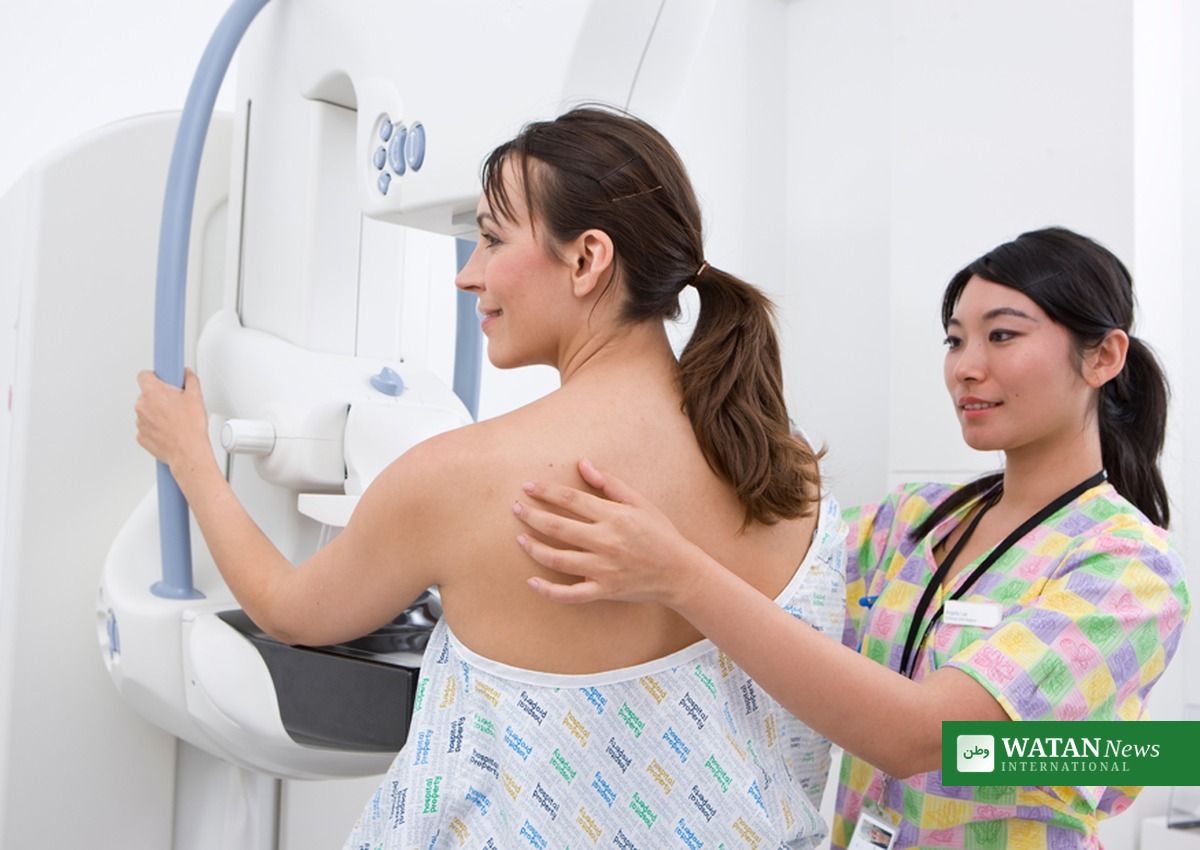
Women who lose a large amount of weight on GLP-1 medicines such as Ozempic and Wegovy may see their breast density rise on mammograms, according to a new study released on Tuesday, 24 November 2026. The change, seen in nearly two-thirds of the women studied, can make scans harder to read and more than doubles the chance of being called back for extra checks, even though no cancers were found.
The research, from doctors at Brigham and Women’s Hospital in Boston, followed 107 women who had taken a GLP-1 medicine for weight loss for at least one year. It is due to be presented next week at the annual meeting of the Radiological Society of North America (RSNA) in Chicago. The findings have not yet been published in a peer-reviewed journal, so they should be treated as preliminary.
GLP-1 medicines, which include Ozempic, Wegovy, Mounjaro and Zepbound, are now used by millions of people around the world for weight loss and for type 2 diabetes. Until now, little attention has been paid to how rapid weight loss might change the appearance of the breast on a screening mammogram. The new study suggests the effect is common, noticeable, and important for both patients and radiologists to understand.
FAKTA
- Study size: 107 women, aged 34 to 79, with an average age of 57.5 years, who used a GLP-1 medicine for weight loss for at least one year.
- Average weight loss: 40 pounds (about 18 kilograms), ranging from 6 to 107 pounds.
- Breast density rose: Density increased by at least one category in 62.5 percent of the women, and eight women jumped by two categories.
- Recall rate: 22.4 percent of the women were called back for further checks, against a usual screening benchmark of about 8 to 10 percent.
- Biopsies: Four women had a biopsy. All four results were benign.
- Lead author: Dr Eva C. Gombos, a diagnostic radiologist at Brigham and Women’s Hospital in Boston.
- Status: Findings released on 24 November 2026 and due to be presented at the RSNA annual meeting; not yet peer-reviewed.
What the study found
Each woman in the study had two screening mammograms: one before starting a GLP-1 medicine and one at least a year after starting it, giving a total of 214 examinations. Three breast radiologists assessed the changes, and an automated breast-density software tool was also used to measure density on the standard BI-RADS scale.
The results were striking. Among 104 women with paired automated assessments, 65 — or 62.5 percent — showed an increase in mammographic density of at least one category. No decreases in density were observed. Eight women moved up by two categories, from fatty to heterogeneously dense breast tissue, and about 27 percent shifted from a non-dense category into a dense one.
The researchers also found that the more weight a woman lost, the larger the increase in breast density tended to be, although the statistical link between the two was weak. Breast size shrank in many of the women: the three radiologists recorded a reduction in breast size in between 57.9 and 78.5 percent of patients. Increased skin thickening was seen in 9.3 to 17.8 percent of patients.
“It was surprising that 62.5% of women had increased BI-RADS breast density despite substantial weight loss, with no decreases observed,” lead author Dr Eva C. Gombos said in the RSNA news release. She added that the team had first noticed the pattern in its own breast imaging practice. “In our breast imaging practice, we noticed substantial changes in mammographic appearance among women who had lost significant weight while taking GLP-1-based medications,” she said. “We wanted to investigate how frequently breast density changed and whether these changes might influence screening interpretation and recalls.”

Why weight loss changes breast density
Breast density describes the balance between fibroglandular tissue — the milk glands, ducts and supporting tissue — and fat inside the breast. A breast with more fibroglandular tissue relative to fat is classed as dense. On a mammogram, both dense tissue and cancer appear white, which is why dense breasts can be harder to read.
The fat-tissue balance shifts
The researchers say the rise in density does not mean the breast is growing new dense tissue. Instead, it reflects how weight loss removes fat from the breast faster than it removes fibroglandular tissue. “With weight loss, there is a reduced amount of fat within the breast, while the fibroglandular component does not decrease as much,” Dr Gombos explained. The result is a higher proportion of dense tissue on the image, even though the absolute amount of fibroglandular tissue is not rising, and may even be falling.
Why denser scans matter
Changes in density are one of the signs radiologists look for when reading a mammogram, because a new dense area can resemble a cancer. Independent experts not involved in the study underlined the point: because dense tissue and tumours both appear white on the image, mammograms can miss up to 30 percent of lesions in very dense breasts. A sudden change in a woman’s breast pattern can therefore prompt a radiologist to call her back for a closer look, even when nothing is wrong.
More recalls — but no cancers found
The most practical consequence of the change was the recall rate. In the study, 24 of the 107 women — 22.4 percent — were called back for additional imaging after their post-treatment mammogram. That is more than double the commonly reported screening benchmark of about 8 to 10 percent.
Most recalls involved asymmetries or masses seen on the scan. Crucially, every recalled case turned out to be benign or negative, and all four biopsies carried out were benign. The technical recall rate, for images that needed repeating for technical reasons, was only 1.9 percent.
“The 22.4% screening recall rate is notable, because all recalled cases were ultimately benign or negative, and all four biopsies were benign concordant,” Dr Gombos said. “This may indicate that marked interval changes in breast composition after weight loss can create new asymmetries or other findings that prompt additional workup.”
| Measure | Study result | Usual benchmark |
|---|---|---|
| Women studied | 107 | — |
| Average weight loss | 40 pounds (about 18 kg) | — |
| Breast density up by at least one category | 62.5% (65 of 104 women) | — |
| Women moving from non-dense to dense | About 27% | — |
| Screening recall rate | 22.4% (24 of 107 women) | About 8 to 10% |
| Biopsies carried out | 4, all benign | — |
What women on GLP-1 medicines should do
The researchers’ advice is clear and reassuring: women taking GLP-1 medicines should keep going for routine breast cancer screening exactly as recommended, and should not stop their medicine before a mammogram. What they should do is tell their breast imaging team about it.
“Because substantial weight loss may change breast density and mammographic appearance, patients should inform their breast imaging team about GLP-1 use and significant recent weight loss,” Dr Gombos said. Knowing about the weight loss helps the radiologist interpret a changed scan correctly and may reduce unnecessary worry when a woman is called back.
Women who are called back should also know that a recall is not a diagnosis. In this study, more than one in five women were recalled, yet none of them turned out to have cancer. A recall usually means extra mammogram views or a breast ultrasound so the radiologist can look more closely.

What the study does not prove
The findings come with important limits. The study was small, with 107 women, and it looked back at medical records rather than following a large group forward in time. Its results have been released ahead of presentation at a medical meeting and have not yet gone through peer review, the independent checking process used by scientific journals.
Most importantly, the study does not show that GLP-1 medicines raise the risk of breast cancer. Increased breast density is a known risk factor for breast cancer in general, but the researchers cannot yet say whether the density change seen after GLP-1 weight loss carries the same risk. The density rise in this study appears to come from fat loss rather than from growth of dense tissue, which is a different process from the dense breasts some women have naturally.
Larger studies, carried out at more hospitals and followed over a longer period, will be needed to confirm how often the effect occurs, whether it fades over time, and whether it affects cancer detection or risk. Until then, the message from the researchers is practical rather than alarming: keep screening, and make sure the people reading your mammogram know about your weight loss.
Conclusion
Rapid weight loss on GLP-1 medicines can visibly change the breast on a mammogram. In this study of 107 women, breast density rose in nearly two-thirds of participants, and the recall rate more than doubled — yet every follow-up turned out to be benign. The finding does not link these medicines to breast cancer, but it does add a new item to the conversation between patients and their screening teams. For the millions of women using GLP-1 drugs, the practical advice is simple: do not skip your mammogram, and tell the imaging team about your treatment and how much weight you have lost.
Related Articles
- How AI is helping Mexico detect breast cancer earlier
- Cannabis Use Linked to Higher Stroke Risk, Study Finds
- Wolbachia Mosquitoes Cut Dengue Infections by 69% in Brazil
- GLP-1 Weight Loss May Raise Breast Density and Trigger More Mammogram Recalls
Frequently Asked Questions
Do GLP-1 weight-loss drugs cause breast cancer?
No link to breast cancer was found in this study. No cancers were detected among the 107 women, and all four biopsies were benign. The researchers also said they cannot yet tell whether the rise in breast density after GLP-1 weight loss changes a woman’s cancer risk, because the change appears to come from losing breast fat rather than from growing dense tissue.
Why does losing weight raise breast density?
Breast density is the balance between fibroglandular tissue and fat. Weight loss removes fat from the breast more quickly than it removes fibroglandular tissue, so the dense tissue makes up a larger share of what remains. The breast is not growing new dense tissue; the proportion of it simply rises as the fat falls away.
Should I stop taking my GLP-1 medicine before a mammogram?
No. The researchers advise women to continue routine breast cancer screening as recommended and not to stop their medicine. The important step is to tell the breast imaging team that you are taking a GLP-1 medicine and how much weight you have lost, so they can read the scan with that information in mind.
What happens if I am called back after a mammogram?
A recall usually means extra mammogram views or a breast ultrasound so the radiologist can look more closely at a changed area. It is not a diagnosis of cancer. In this study, 22.4 percent of women were recalled, but every case turned out to be benign or negative.
Does this happen to every woman on a GLP-1 drug?
No. In this study, breast density rose in 62.5 percent of the women, which means it did not rise in the rest. The study was also small, with 107 women at one hospital, so larger studies are needed to find out how common the effect is across different groups of women.
Is this study peer-reviewed?
Not yet. The findings were released on 24 November 2026 and are due to be presented at the annual meeting of the Radiological Society of North America in Chicago. Until the research is published in a peer-reviewed journal, the results should be treated as preliminary.
Author

usmanch0013@gmail.com
Related Posts

Houthis Attack Aramco’s Jazan Refinery, Saudi Coalition Says
- 0
- 628 words
Yemen's Houthis attacked Saudi Aramco's Jazan refinery on Thursday, the Saudi-led coalition said, a day after the group claimed a strike on...
Read out all
Most Governments Lack a Climate Information Strategy, First Global Mapping Finds
- 0
- 1,427 word
The Forum on Information and Democracy’s first global mapping of 23 countries and the EU finds most governments have no standalone strategy...
Read out all
Going Electric Could Save a Typical UK Household £1,200 a Year, Climate Advisers Say
- 0
- 1,090 word
New analysis from the UK's Climate Change Committee finds the typical household can save £1,200 a year by going electric — and...
Read out all
Iranian Drone Strike in Kuwait Kills Two Italian Technicians
- 0
- 486 words
Two Italian technicians working for Rheinmetall Italia were killed in an Iranian drone attack on an air-defence station in Kuwait, Italy's foreign...
Read out all
North Korea Pushes Ahead With Nuclear Expansion as Kim Tours Weapons Plants
- 0
- 470 words
Kim Jong Un has ordered North Korea to expand its nuclear arsenal, touring uranium enrichment plants and calling for more tactical nuclear...
Read out all
Cleantech Solar to Invest $880 Million in 1.1 GW of Renewables in Tamil Nadu
- 0
- 823 words
Cleantech Solar has signed an agreement with Tamil Nadu to invest about $880 million in 1.1 GW of solar, wind and battery...
Read out all