- 0
- 1,042 word
Moldova’s national Forest Generation campaign is planting more than 33 million saplings across 3,000 hectares this autumn, as one of Europe’s least-forested countries works to rebuild its woodlands and protect its soil, air and rivers.
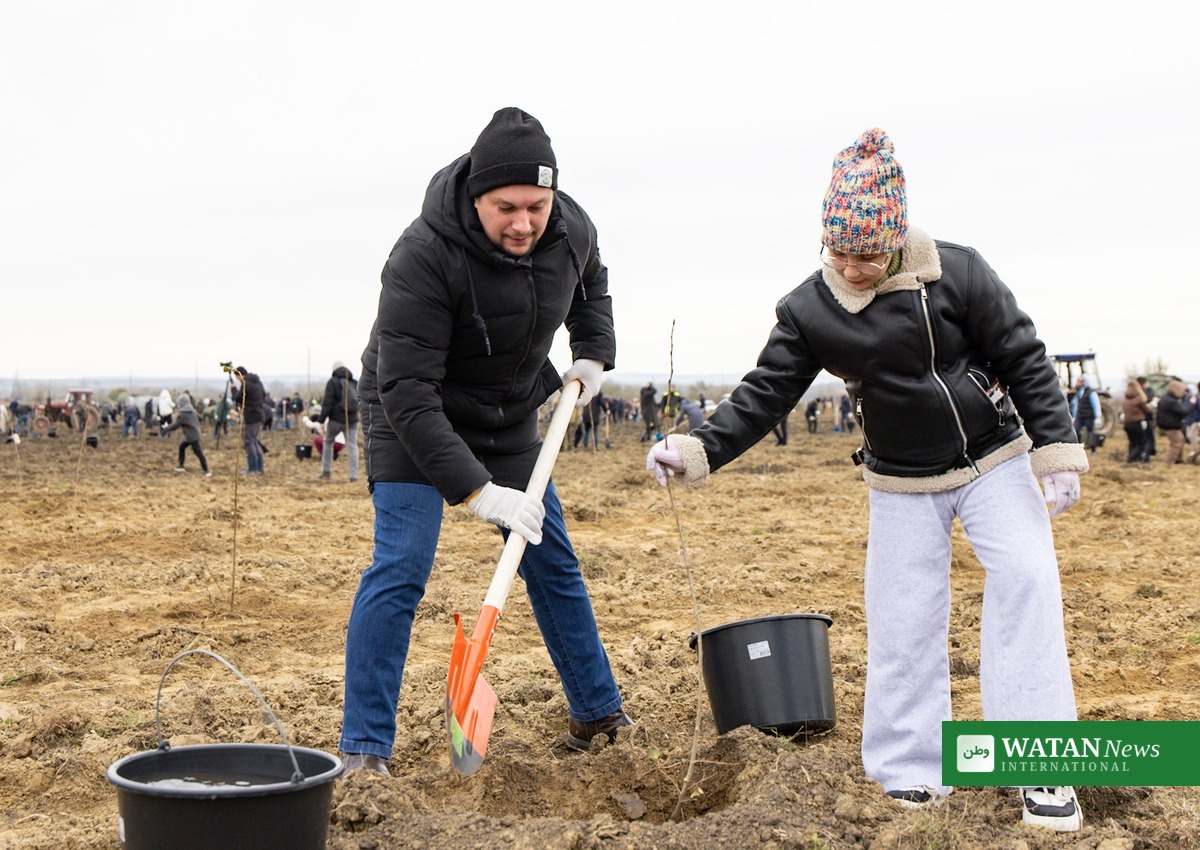
Around 2,000 people took part in the campaign’s main planting day on 14 November, and the work continues at sites across the country through the autumn planting season.
33,000 poplars on the Prut in a single day
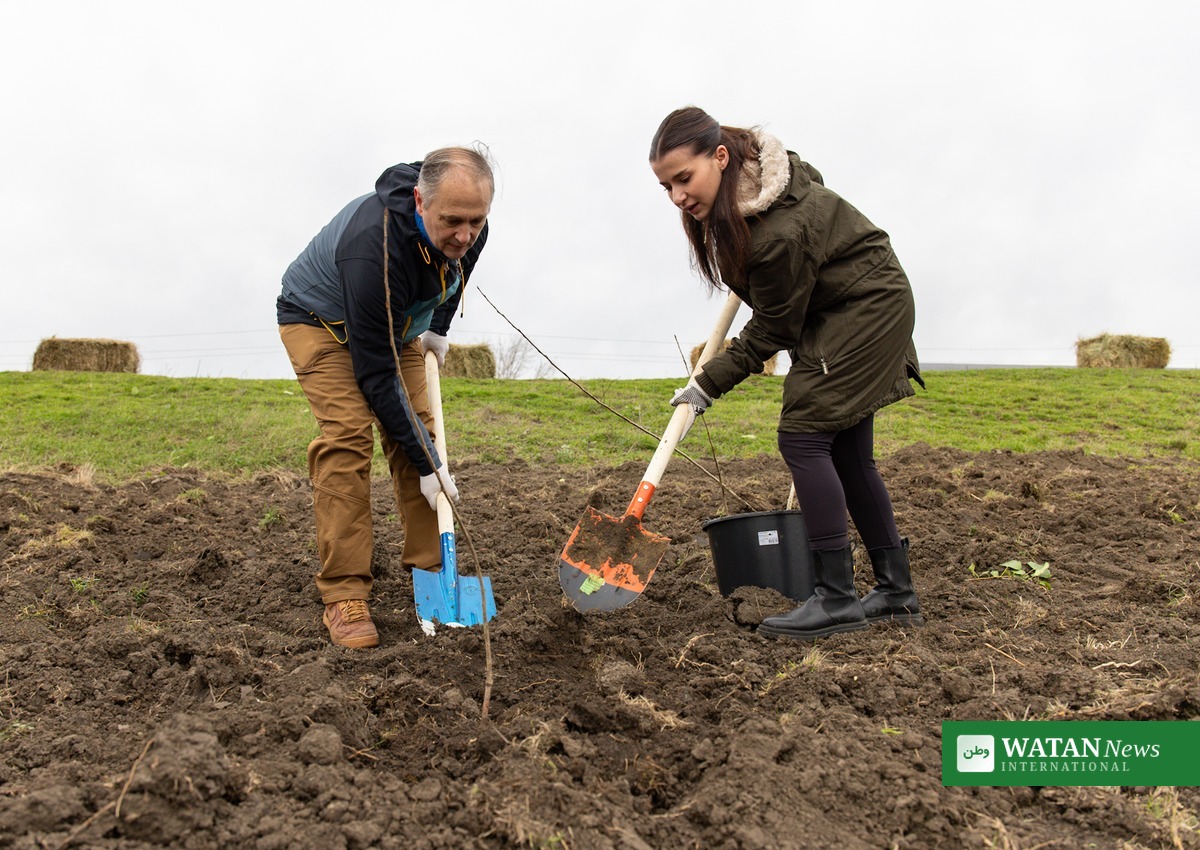
Around 2,000 people — including cabinet ministers, government employees and volunteers — planted 33,000 poplar saplings across 40 hectares on the Prut River meadow at Pogănești, in the central Hîncești district. Planting also took place at 80 other locations across Moldova on the same weekend, and the campaign continues, according to the Government of Moldova.
The planted trees will help protect the soil, improve air quality and conserve biodiversity, the government said.
3,000 hectares this autumn — and 145,000 by 2032
This autumn, afforestation work is planned on 3,000 hectares, using more than 33 million saplings grown in specialised nurseries. The work is part of the National Programme for Expanding and Restoring Forests, known as Generation Forest, which was launched by President Maia Sandu and aims to plant and restore about 145,000 hectares of forest by 2032.
According to Environment Minister Gheorghe Hajder, new forest stands planted under the programme have already reached 24,000 hectares.
Why Moldova is planting
Moldova’s forest cover stands at just over 11.6 percent, compared with a European Union average of more than 35 percent. The gap is one reason the government has made afforestation a national programme rather than a one-off event.
The new forests are also meant to work for the land. At Pîrîta, on the bank of the Dniester, about 10,000 poplars planted in spring 2025 show a survival rate above 70 percent after a year, and the Environment Ministry says strips of forest next to rivers hold the soil and stop part of the mud washed in from the fields by rain. At Mihailovca, a forest planted under the programme shows a survival rate above 80 percent.
Elsewhere in Europe, the planting season is also under way: Britain’s National Tree Week opened with volunteers planting 169,000 trees, while mangrove forests are growing again after decades of loss, according to satellite data.
Planted — and then cared for
Planting is only the first step. Forests planted under the programme will be monitored and cared for by specialists for three to five years, to make sure the seedlings take root and develop, Minister Hajder said on Moldova 1 television. Only then will the plots pass to the mayor’s offices on whose land they were planted.
“The land remains the property of the mayor’s offices, because that is important. We, in Chișinău, will never take the forests for ourselves. They will remain for the people, in the localities where they were planted,” the minister said.
Not every seedling survives. According to data presented by the minister, only 1.3 percent of the planted areas need additional measures, because seedlings did not take root or developed improperly. Drought in past years, climate change and human interference have all affected the young stands.
“We understand that on some plots the survival rate will not be 100%, because that is impossible. Specialists tell us that, depending on the characteristics of the plot, if the survival rate reaches 70%, that will be an outstanding result,” Hajder said.
Planting uses mainly degraded, abandoned or unproductive agricultural land owned by local public authorities. Priority goes to plots that can no longer be used effectively for farming, so reforestation does not take productive farmland out of use.
A campaign with a social side
The autumn campaign also carried a social message. Participants were encouraged to bring clothing and footwear in good condition to be donated to people in need, collected for the charity CONCORDIA, which runs 36 centres across the country.
The minister called on families and children to take part in future planting, saying direct involvement helps build a responsible attitude toward the environment — and that reforestation must continue regardless of political changes or changes of government.
“When there is solidarity between generations, we plant for those who come after us, and those who come after us will plant for the next generations. This is important. I want this to become a tradition and a source of pride for the Republic of Moldova,” Hajder said.
Key facts
- 33,000 poplar saplings were planted at Pogănești, Hîncești district, on 14 November 2026, with planting at 80 other sites across Moldova.
- More than 33 million saplings are to be planted across 3,000 hectares this autumn.
- The National Programme for Expanding and Restoring Forests aims to plant and restore about 145,000 hectares by 2032.
- New forest stands under the programme already cover 24,000 hectares.
- Moldova’s forest cover is just over 11.6 percent, against a European Union average of more than 35 percent.
- A seedling survival rate of 70 percent counts as an outstanding result, according to the programme’s specialists.
Frequently asked questions
What is Moldova’s Forest Generation campaign?
Forest Generation (Generația Pădurii) is Moldova’s national afforestation campaign, part of the National Programme for Expanding and Restoring Forests launched by President Maia Sandu. It mobilises volunteers across the country to plant trees on degraded and unused land.
How many trees are being planted?
More than 33 million saplings are planned for this autumn across 3,000 hectares. The programme’s target is to plant and restore about 145,000 hectares of forest by 2032, and new stands already cover 24,000 hectares.
Where did the main planting take place?
The main event was at Pogănești in the Hîncești district, where about 2,000 people planted 33,000 poplar saplings on 40 hectares of Prut River meadow. Planting also took place at 80 other locations across Moldova.
Why does Moldova need more forest?
Moldova’s forest cover is just over 11.6 percent, far below the European Union average of more than 35 percent. Forests protect soil, improve air quality, conserve biodiversity and hold riverbanks against erosion.
Who looks after the new forests?
Specialists monitor and care for the new stands for three to five years. Responsibility then passes to the mayor’s offices that own the land, while the forests remain the property of the local communities where they were planted.
Author

usmanch0013@gmail.com
Related Posts

WhatsApp Tests Sound Stickers That Play Voice Messages
- 0
- 467 words
WhatsApp is testing sound stickers in its Android beta, letting users attach voice messages or audio clips of up to 10 seconds...
Read out all
UNESCO støtter fem græsrodsprojekter for at forsvare troværdige klimaoplysninger
- 0
- 1,129 word
UNESCO har udpeget fem græsrodsprojekter i Bangladesh, Bolivia, Pakistan, Tunesien og Uganda som de nyeste modtagere af fonden for klimaoplysningers integritet, offentliggjort...
Read out all
یونیسکو نے موسمیاتی معلومات کی سچائی کے تحفظ کے لیے پانچ منصوبوں کی حمایت کا اعلان کر دیا
یونیسکو نے 24 نومبر 2026 کو انطالیہ میں کاپ31 کے صدارتی پروگرام میں موسمیاتی معلومات کی سالمیت کے عالمی فنڈ کے پانچ...
Read out all
UNESCO Backs Five Grassroots Projects to Defend Truthful Climate Information
- 0
- 1,092 word
UNESCO has named five grassroots projects in Bangladesh, Bolivia, Pakistan, Tunisia and Uganda as the newest grantees of its fund for climate...
Read out all
Indiens GREEN Olympiad vinder MBRKA 2026 for miljøundervisning
- 0
- 1,021 word
Indiens GREEN Olympiad har vundet organisationskategorien ved den niende Mohammed bin Rashid Al Maktoum Knowledge Award (MBRKA), offentliggjort den 25. november 2026...
Read out all
بھارت کے گرین اولمپیاڈ نے ماحولیاتی تعلیم کے فروغ پر ایم بی آر کے اے 2026 جیت لیا
بھارت کے گرین اولمپیاڈ نے محمد بن راشد المکتوم نالج ایوارڈ (ایم بی آر کے اے) کے نویں ایڈیشن میں تنظیموں کے...
Read out all