- 0
- 996 words
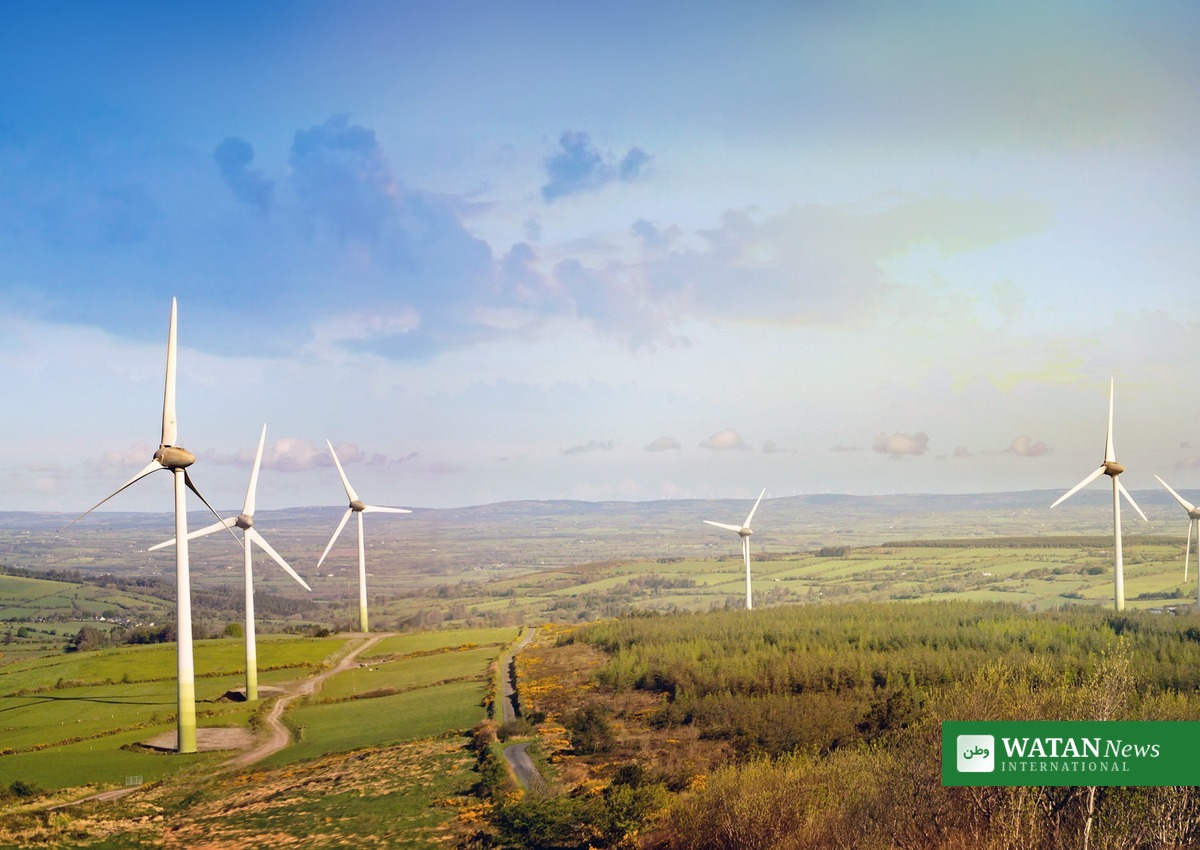
Dublin — Ireland has announced the provisional results of its sixth Renewable Electricity Support Scheme (RESS 6) auction, securing enough clean power for more than 450,000 homes — the second-largest auction in the scheme’s history — with solar energy taking the clear lead over onshore wind.
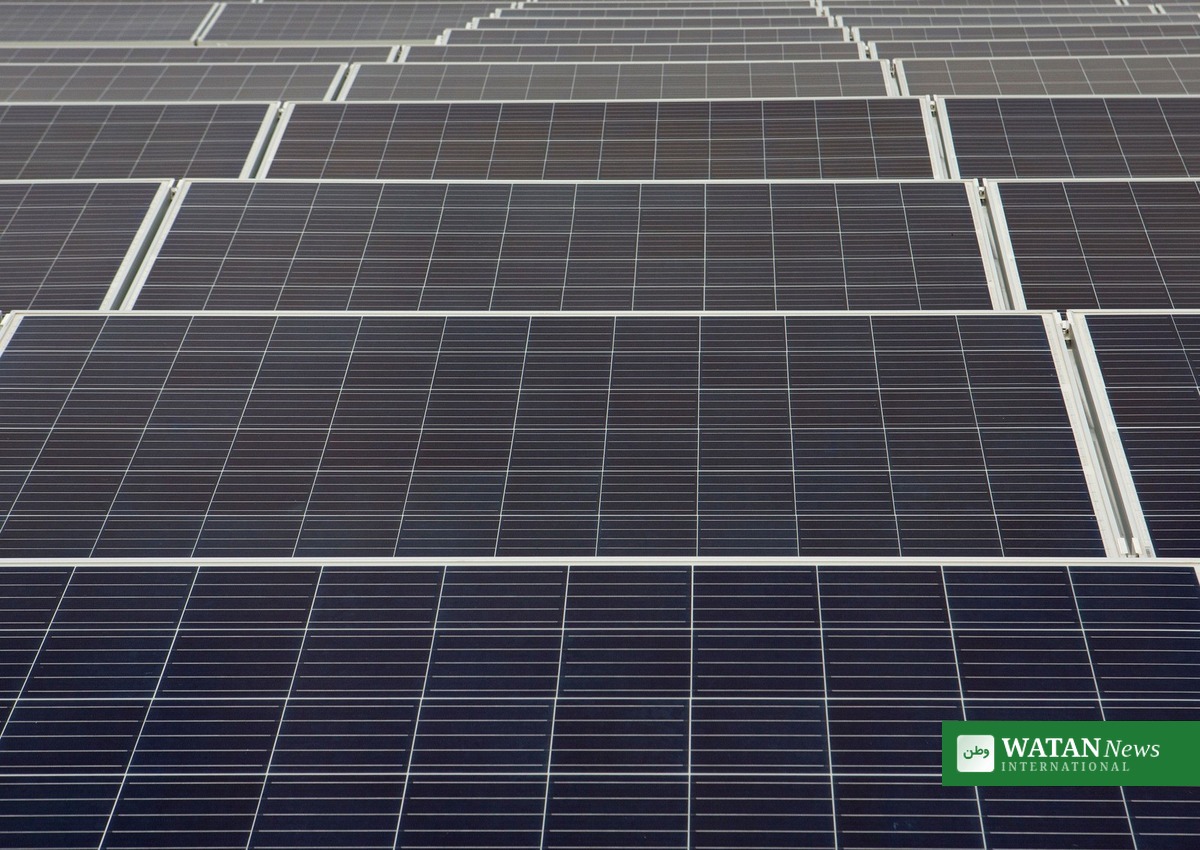
Minister for Climate, Energy and the Environment Darragh O’Brien announced the results on 25 November 2026. The auction provisionally secured over 1,800 gigawatt hours (GWh) of renewable electricity, equal to more than 1,550 megawatts (MW) of new onshore capacity: 1,367 MW of solar and 188 MW of wind.
Key facts
- Clean power secured: over 1,800 GWh, enough for more than 450,000 homes.
- New capacity: over 1,550 MW — 1,367 MW of solar and 188 MW of wind.
- Average prices: €99.35 per MWh for wind and €102.42 per MWh for solar.
- Community benefit: about €56.82 million for host communities over the life of the scheme, at €2 per MWh.
- Final results: due on 2 December 2026, under the auction timetable.
Solar leads, wind lags
Solar was the standout of the auction. The Irish government said solar is now the country’s fastest-growing electricity generation technology, building on its strong performance in the previous auction round. Ireland has almost 3.5 GW of solar capacity installed in total, including household and small-business systems as well as larger grid-scale projects, and the government says the country is on track to reach its target of 8 GW of solar.
Onshore wind, by contrast, supplied only 188 MW of the provisionally successful capacity. The minister said Ireland is not seeing enough onshore wind farms entering these auctions in recent years, and that greater participation from wind developers — along with faster planning, consenting and grid connections — is essential to reach the country’s onshore wind ambitions. He added that hybrid wind, solar and storage projects will become increasingly important for the power system.
“I am delighted to confirm the success of the RESS 6 auction, which has provisionally secured enough clean power for over 450,000 homes,” Minister O’Brien said. “Our energy system is changing at pace.”
Protection for consumers and communities
The scheme is designed to protect electricity customers as well as to support developers. Support is paid to renewable generators only when market prices are low; when market prices are high, generators must repay money to electricity customers under a two-way contract for difference. The government says this arrangement shields households from the volatility of international gas prices, because more home-grown renewable electricity means gas sets wholesale prices less often.
Every successful project must also contribute to a Community Benefit Fund at a minimum rate of €2 per MWh. The government estimates these projects will contribute about €56.82 million over the life of the scheme — more than €3.78 million a year — to the communities hosting the wind and solar farms.
A first under new European rules
RESS 6 is the first Irish auction to apply the non-price criteria required by the European Union’s Net Zero Industry Act, which looks beyond price to consider resilience and how projects support the wider electricity system. EirGrid, the transmission system operator that runs the auction, welcomed the results and said this broader approach matters as more renewable generation is connected to the grid.
The scheme has been running since 2020. Almost 6.3 GW of new renewables capacity was contracted under the first five auctions, and about 2.35 GW of onshore wind and solar capacity has been energised so far. The government says installed renewable capacity has risen by more than 2.2 GW since it took office, and grid-scale solar capacity has more than doubled. For comparison, the previous round, RESS 5, selected 23 projects totalling about 1.08 GW.
Ireland’s targets — and the global picture
Ireland aims for 80 percent of its electricity demand to be met by renewables, with targets of 9 GW of onshore wind and 8 GW of solar capacity, on the way to a climate-neutral economy by 2050. The minister said the only lasting way out of fossil fuel dependency is to shift electricity generation to renewables and electrify the economy as rapidly as possible.
The Irish result comes as renewable energy grows worldwide. The International Energy Agency’s Renewables 2026 report, published on 6 November, forecasts almost 4,800 GW of new renewable capacity in 2026–2031 — about 60 percent more than in the previous six years — with solar providing more than three-quarters of the growth. The same report notes that global additions are expected to fall by 11 percent in 2026, ending 21 consecutive years of record growth, mainly because of a slowdown in China. For the wider record-breaking trend, see October 2026: Clean Energy Records Fall Around the World as Solar Hits New Highs.
The provisional RESS 6 results now go through final checks, with final results due on 2 December and notices of award to follow on 10 December, under the published auction timetable.
Frequently asked questions
What is RESS 6?
RESS 6 is the sixth round of Ireland’s Renewable Electricity Support Scheme, the government’s flagship auction for grid-scale onshore wind and solar projects. Developers bid for a guaranteed price for the electricity they produce, and the auction is run by the transmission system operator EirGrid. The scheme has run since 2020.
How much clean power did RESS 6 secure?
The provisional results secured over 1,800 GWh of renewable electricity, equal to more than 1,550 MW of new capacity — 1,367 MW of solar and 188 MW of wind — which the government says is enough to power more than 450,000 homes.
Why did solar win so much more capacity than wind?
Solar is Ireland’s fastest-growing generation technology, and developers entered the auction in large numbers. The government said onshore wind participation has been weak in recent auctions and called for more wind projects, faster planning and grid connections, and more hybrid wind, solar and storage projects.
What prices did the auction produce?
The average weighted price of successful offers was €99.35 per MWh for wind and €102.42 per MWh for solar. Support is paid only when market prices are low; generators repay money to customers when market prices are high.
When will the final results be known?
The results announced on 25 November 2026 are provisional. Under the auction timetable, the final results are due on 2 December 2026, with notices of award to successful projects on 10 December.
Author

usmanch0013@gmail.com
Related Posts

Houthis Attack Aramco’s Jazan Refinery, Saudi Coalition Says
- 0
- 628 words
Yemen's Houthis attacked Saudi Aramco's Jazan refinery on Thursday, the Saudi-led coalition said, a day after the group claimed a strike on...
Read out all
De fleste regeringer mangler en strategi for klimainformation, viser første globale kortlægning
- 0
- 1,455 word
Forum on Information and Democracy’s første globale kortlægning af 23 lande og EU finder, at de fleste regeringer ikke har nogen selvstændig...
Read out all
پہلی عالمی جانچ میں انکشاف: اکثر حکومتوں کے پاس موسمیاتی معلومات کی کوئی قومی حکمت عملی نہیں
ایف آئی ڈی کی پہلی عالمی جانچ میں 23 ممالک اور یورپی یونین کا جائزہ لیا گیا: اکثر حکومتوں کے پاس موسمیاتی...
Read out all
Most Governments Lack a Climate Information Strategy, First Global Mapping Finds
- 0
- 1,427 word
The Forum on Information and Democracy’s first global mapping of 23 countries and the EU finds most governments have no standalone strategy...
Read out all
Elektrisk hjem kan spare en typisk britisk husstand 1.200 pund om året
- 0
- 1,080 word
Ny analyse fra Storbritanniens Climate Change Committee viser, at en typisk husstand kan spare 1.200 pund om året ved at blive elektrisk...
Read out all
بجلی کی طرف منتقلی سے عام برطانوی گھرانا سالانہ 1,200 پاؤنڈ بچا سکتا ہے
برطانیہ کی موسمیاتی تبدیلی کمیٹی کے نئے تجزیے کے مطابق عام گھرانا بجلی کی طرف منتقلی سے سالانہ 1,200 پاؤنڈ بچا سکتا...
Read out all