- 0
- 480 words
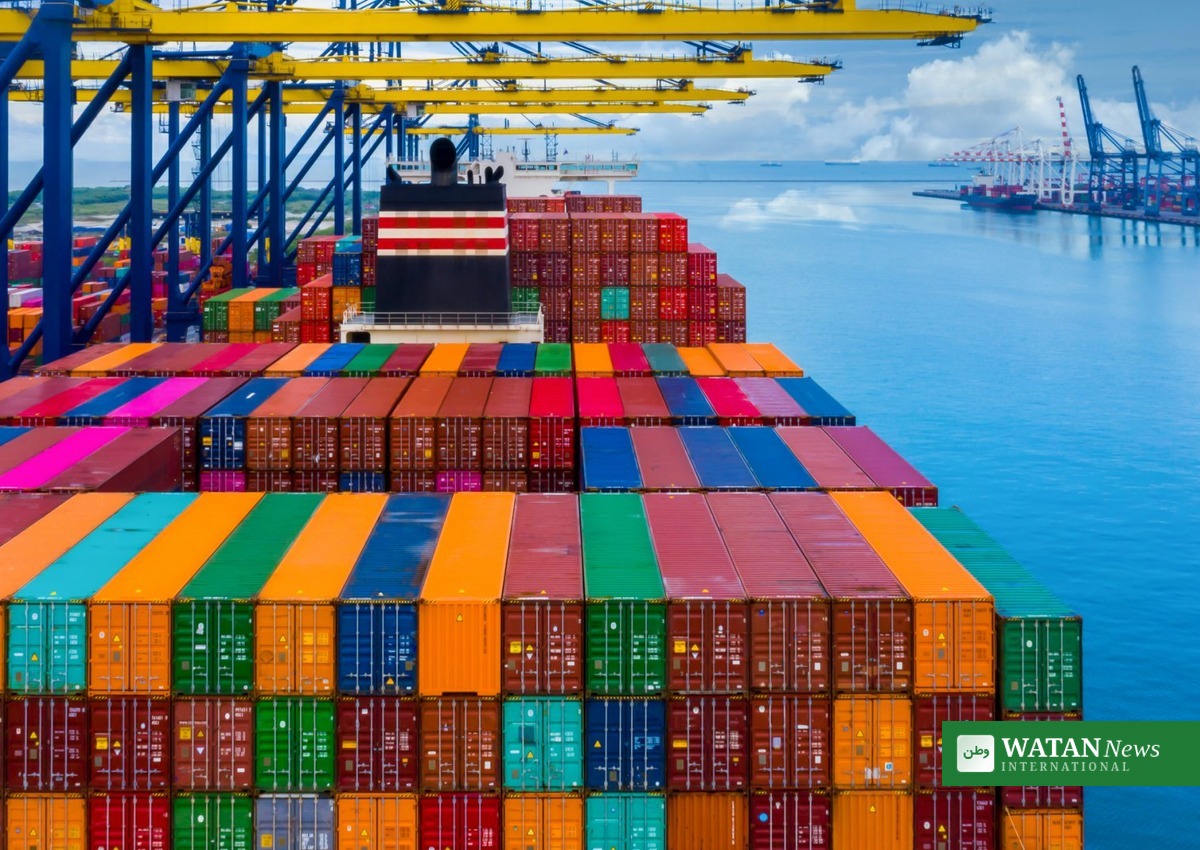
The United States has proposed sweeping new import tariffs on 14 major trading partners, including China and the European Union, in its biggest trade move since the Supreme Court struck down earlier duties in February. The Office of the United States Trade Representative announced the plan on Wednesday after an eight-month investigation into what Washington calls excess industrial capacity. China would face the steepest increases, with an extra 20 per cent duty on top of tariffs already in place.
FAKTA
- Proposal: New US tariffs on 14 trading partners
- Hardest hit: China — an extra 20 per cent, taking some rates to 45 per cent
- Also covered: The EU, Japan, South Korea, India, Vietnam, Taiwan and others
- Legal basis: Section 301 of the Trade Act of 1974
- Next step: Federal Register notice, public comments and a hearing
- China’s reply: Rejected the claims as false and called for dialogue
US Tariffs Put China at the Centre
The new duties would fall hardest on China. The proposed 20 per cent excess-capacity tariff would sit on top of the roughly 25 per cent duties imposed during President Donald Trump’s first term, taking the total rate on some Chinese goods to 45 per cent. Vietnam would face a proposed rate of 20 per cent. Rates for the other partners would stay within limits agreed in earlier trade deals, including a 15 per cent cap for the European Union, Japan, South Korea and Taiwan, and a 19 per cent cap for Malaysia. The exact rates are to be published in a Federal Register notice.
Why Washington Is Acting
Washington says the duties target structural overcapacity — factories abroad, backed by state subsidies, producing far more steel, aluminium, electric vehicles, solar panels and appliances than world markets can absorb. The administration argues that the flood of cheap exports undercuts American manufacturers. The move also gives the White House a new legal footing for tariffs after the Supreme Court struck down its earlier global duties in February. Mexico and Norway were investigated but face no proposed tariffs for now.
Beijing Pushes Back
China rejected the claims on Wednesday. Foreign Ministry spokesperson Guo Jiakun said tariff wars and trade wars serve no one’s interests, and called the overcapacity charge a false proposition used as a pretext for political pressure. He urged both sides to settle their differences through consultation and to honour the understandings reached by their leaders. The two countries are operating under a trade truce that is due to expire on 10 January, and their leaders are expected to discuss trade again at the G20 summit in Florida in December.
What Happens Next
The proposal now enters a public notice and comment period, with a hearing to follow before any duties take effect — a process that could push implementation into January. Markets reacted quickly to the news, with futures on the S&P 500 down 2.1 per cent and Nasdaq 100 futures down 3.1 per cent. For more on global trade, visit Watan News.
Author

usmanch0013@gmail.com
Related Posts

Houthis Attack Aramco’s Jazan Refinery, Saudi Coalition Says
- 0
- 628 words
Yemen's Houthis attacked Saudi Aramco's Jazan refinery on Thursday, the Saudi-led coalition said, a day after the group claimed a strike on...
Read out all
Most Governments Lack a Climate Information Strategy, First Global Mapping Finds
- 0
- 1,427 word
The Forum on Information and Democracy’s first global mapping of 23 countries and the EU finds most governments have no standalone strategy...
Read out all
Going Electric Could Save a Typical UK Household £1,200 a Year, Climate Advisers Say
- 0
- 1,090 word
New analysis from the UK's Climate Change Committee finds the typical household can save £1,200 a year by going electric — and...
Read out all
Iranian Drone Strike in Kuwait Kills Two Italian Technicians
- 0
- 486 words
Two Italian technicians working for Rheinmetall Italia were killed in an Iranian drone attack on an air-defence station in Kuwait, Italy's foreign...
Read out all
North Korea Pushes Ahead With Nuclear Expansion as Kim Tours Weapons Plants
- 0
- 470 words
Kim Jong Un has ordered North Korea to expand its nuclear arsenal, touring uranium enrichment plants and calling for more tactical nuclear...
Read out all
Cleantech Solar to Invest $880 Million in 1.1 GW of Renewables in Tamil Nadu
- 0
- 823 words
Cleantech Solar has signed an agreement with Tamil Nadu to invest about $880 million in 1.1 GW of solar, wind and battery...
Read out all