
- 0
- 1,067 word
African governments should refuse climate finance that arrives as commercial loans and demand grants and accountability from wealthy nations instead. That is the call from Corporate Accountability and Public Participation Africa (CAPPA), issued in a statement on 24 November 2026, two days after the COP31 climate talks in Antalya closed without an overall agreement.
CAPPA said the summit exposed a widening divide between wealthy industrialised countries and climate-vulnerable nations, above all in Africa and the Global South. While the talks produced investment announcements and energy transition partnerships, the organisation argued, they did not answer the question of who pays for adaptation, energy transition and recovery from climate disasters.
“Loans are not solidarity”
At the centre of the statement is a warning about debt. Much of the climate finance reaching Africa arrives as loans, CAPPA said, piling new debt onto countries that contributed least to the climate crisis. Olamide Martins Ogunlade, CAPPA’s Associate Director and Climate and Environment Programme Manager, put it directly:
“Climate finance that comes in the form of commercial loans is not solidarity. It is another debt burden imposed on countries already paying an enormous price for a crisis they did little to create.”
African governments, he said, should not have to borrow their way out of a climate emergency driven largely by the industrialisation and fossil fuel dependence of wealthy nations. The organisation warned that loan-based finance is especially damaging for countries such as Nigeria, where rising public debt, competing development needs and limited fiscal space already restrict spending on essential services and infrastructure.
The numbers behind the warning
CAPPA’s case rests on figures that show how uneven the climate finance system remains. Africa contributes less than four per cent of global greenhouse gas emissions, yet it loses an estimated two to five per cent of its gross domestic product every year to climate extremes. At the same time the continent receives only about three per cent of global climate finance, much of it in the form of loans.
The gap is set to grow. According to the United Nations Environment Programme’s Adaptation Gap Report 2026, developing countries will need an estimated 305 billion US dollars a year for adaptation by 2035. CAPPA also pointed to the contrast highlighted by United Nations Secretary-General António Guterres at COP31: nine major oil companies earned 95 billion dollars in a single quarter, while the Fund for Responding to Loss and Damage had received only about 600 million dollars.
FAKTA
- Who: Corporate Accountability and Public Participation Africa (CAPPA), in a statement on 24 November 2026.
- What: African governments urged to reject debt-heavy climate finance and demand grant-based support from wealthy nations.
- Why: Africa emits less than 4% of global greenhouse gases but loses 2–5% of GDP a year to climate extremes, while receiving only about 3% of global climate finance, much of it as loans.
- The gap: Developing countries need an estimated 305 billion dollars a year for adaptation by 2035, according to the UN Environment Programme’s Adaptation Gap Report 2026.
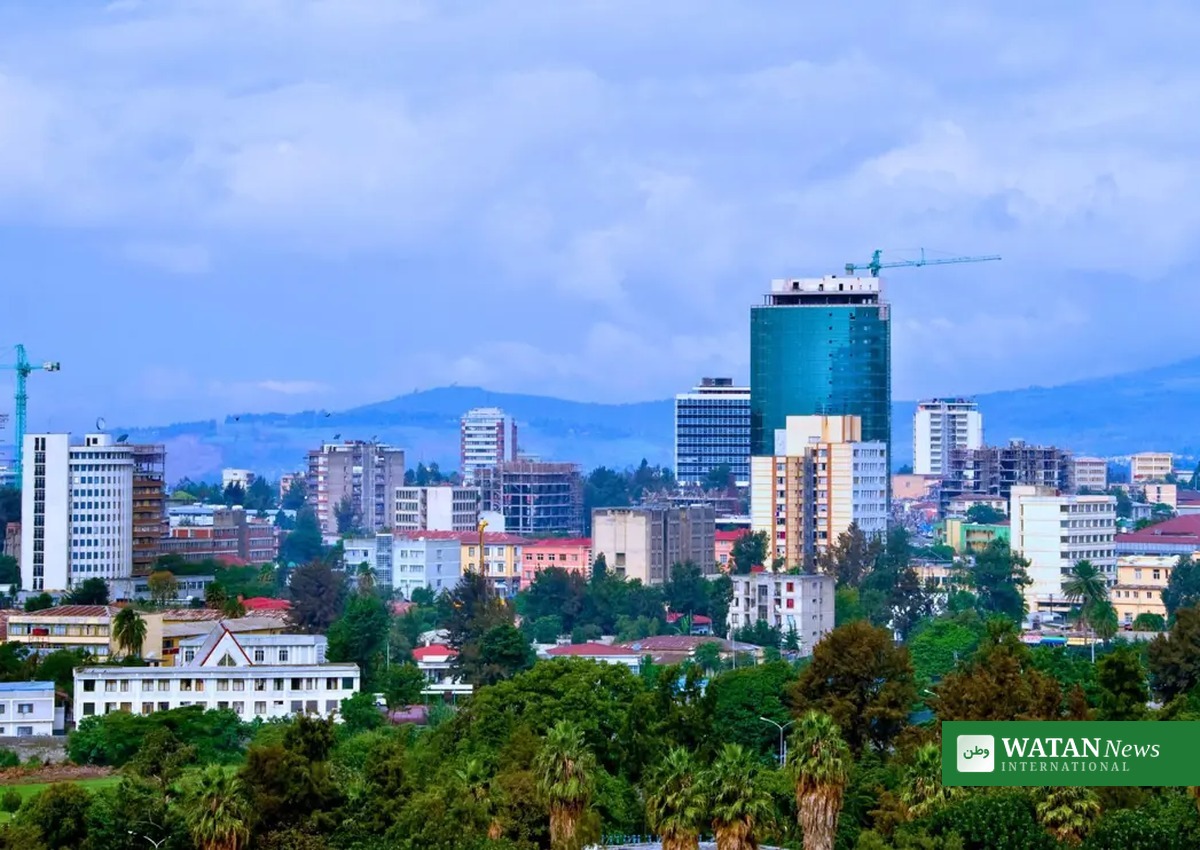
- Next step: COP32 in Addis Ababa, Ethiopia, 8–19 November 2027.
What Africa wants before COP32
CAPPA also raised concern about what it described as a weakening of developed countries’ financial obligations under Article 9.1 of the Paris Agreement, which requires wealthy nations to provide financial resources to help developing countries with mitigation and adaptation. The proposed Antalya-to-Addis Ababa Roadmap, the organisation said, must not become another diplomatic instrument for postponing those obligations or replacing legally grounded responsibilities with voluntary financing announcements.
Instead, CAPPA called for grant-based and accessible climate finance as a central priority, insisting that commercial loans must not be presented as climate assistance. It also called for new sources of predictable funding, including levies on fossil fuel profits and on international shipping and aviation, so that resources can be raised without deepening the debt crisis of developing countries.
The organisation urged African leaders to defend the 1.5°C temperature limit and to resist efforts to normalise temperature overshoot, stressing that every fraction of additional warming increases the risks facing African communities, ecosystems, food systems and economies.
The road to Addis Ababa
COP31 closed on 22 November after running about two days past its scheduled end, the longest UN climate conference on record and the first since Copenhagen in 2009 to finish without an overall agreement. Separate decisions were adopted on a just transition work programme, adaptation indicators and carbon markets, but fossil fuel language and finance targets were left unresolved. Those questions now move to an intersessional meeting in Bonn in June 2027 and to COP32 in Addis Ababa.
CAPPA urged African governments and negotiators to turn the year before the summit into a coordinated campaign for climate justice and corporate accountability, working with the G77 and China, small island developing states and other climate-vulnerable countries to secure measurable financing commitments, transparent implementation milestones and regular public reporting under the Antalya-to-Addis Ababa Roadmap. Read why the COP31 talks collapsed and what COP32 must fix.
Conclusion
The message from CAPPA is that the road to COP32 should not be paved with more debt. For African governments, the test of the next year is whether climate finance finally arrives as grants that protect people, rather than as loans that deepen the crisis they are meant to solve.
Frequently asked questions
What is CAPPA asking African governments to do?
CAPPA is asking Nigeria and other African governments to reject climate finance arrangements that deepen their debt burden, and to demand that wealthy industrialised nations meet their financial obligations under the Paris Agreement ahead of COP32 in Addis Ababa.
Why does CAPPA object to climate finance in the form of loans?
Because loans add to the debt of countries that contributed least to the climate crisis. CAPPA says climate finance that arrives as commercial loans is not solidarity but another debt burden, and that grants should be the central form of support.
How much adaptation finance will developing countries need?
According to the UN Environment Programme’s Adaptation Gap Report 2026, developing countries will require an estimated 305 billion US dollars a year for adaptation by 2035.
What is the Antalya-to-Addis Ababa Roadmap?
It is the follow-up process agreed after COP31 in Antalya, meant to carry the unresolved questions on fossil fuels and finance towards COP32 in Addis Ababa in November 2027. CAPPA has warned it must not become a way to postpone developed countries’ obligations.
When and where is COP32?
COP32 will be held in Addis Ababa, Ethiopia, from 8 to 19 November 2027, with Ethiopia’s president-designate Gedion Timothewos leading preparations.
Author

usmanch0013@gmail.com
Related Posts

Indiens GREEN Olympiad vinder MBRKA 2026 for miljøundervisning
- 0
- 1,021 word
Indiens GREEN Olympiad har vundet organisationskategorien ved den niende Mohammed bin Rashid Al Maktoum Knowledge Award (MBRKA), offentliggjort den 25. november 2026...
Read out all
بھارت کے گرین اولمپیاڈ نے ماحولیاتی تعلیم کے فروغ پر ایم بی آر کے اے 2026 جیت لیا
بھارت کے گرین اولمپیاڈ نے محمد بن راشد المکتوم نالج ایوارڈ (ایم بی آر کے اے) کے نویں ایڈیشن میں تنظیموں کے...
Read out all
India’s GREEN Olympiad Wins MBRKA 2026 for Advancing Environmental Education
- 0
- 1,009 word
India's GREEN Olympiad has won the Organizations category at the ninth Mohammed bin Rashid Al Maktoum Knowledge Award (MBRKA), announced on 25...
Read out all
Macy’s Thanksgiving Day Parade Postponed to Saturday in First-Ever Weather Delay
- 0
- 514 words
The 100th Macy's Thanksgiving Day Parade has been postponed to Saturday, November 28, after a powerful nor'easter forced the first weather delay...
Read out all
SJ EuroNight vender tilbage: Nattoget Stockholm–Berlin kører igen fra 13. december
- 0
- 988 words
SJ og RDC Deutschland genstarter i fællesskab nattoget Stockholm–Berlin den 13. december 2026 og bringer SJ EuroNight-navnet tilbage på ruten gennem Danmark...
Read out all
ایس جے یورونائٹ کی واپسی: اسٹاک ہوم–برلن نائٹ ٹرین 13 دسمبر سے دوبارہ چلے گی
ایس جے اور آر ڈی سی ڈوئچ لینڈ 13 دسمبر 2026 سے مشترکہ طور پر اسٹاک ہوم–برلن نائٹ ٹرین دوبارہ چلائیں گی،...
Read out all