- 0
- 1,044 word
Iran Offers Deal to Reopen Strait of Hormuz
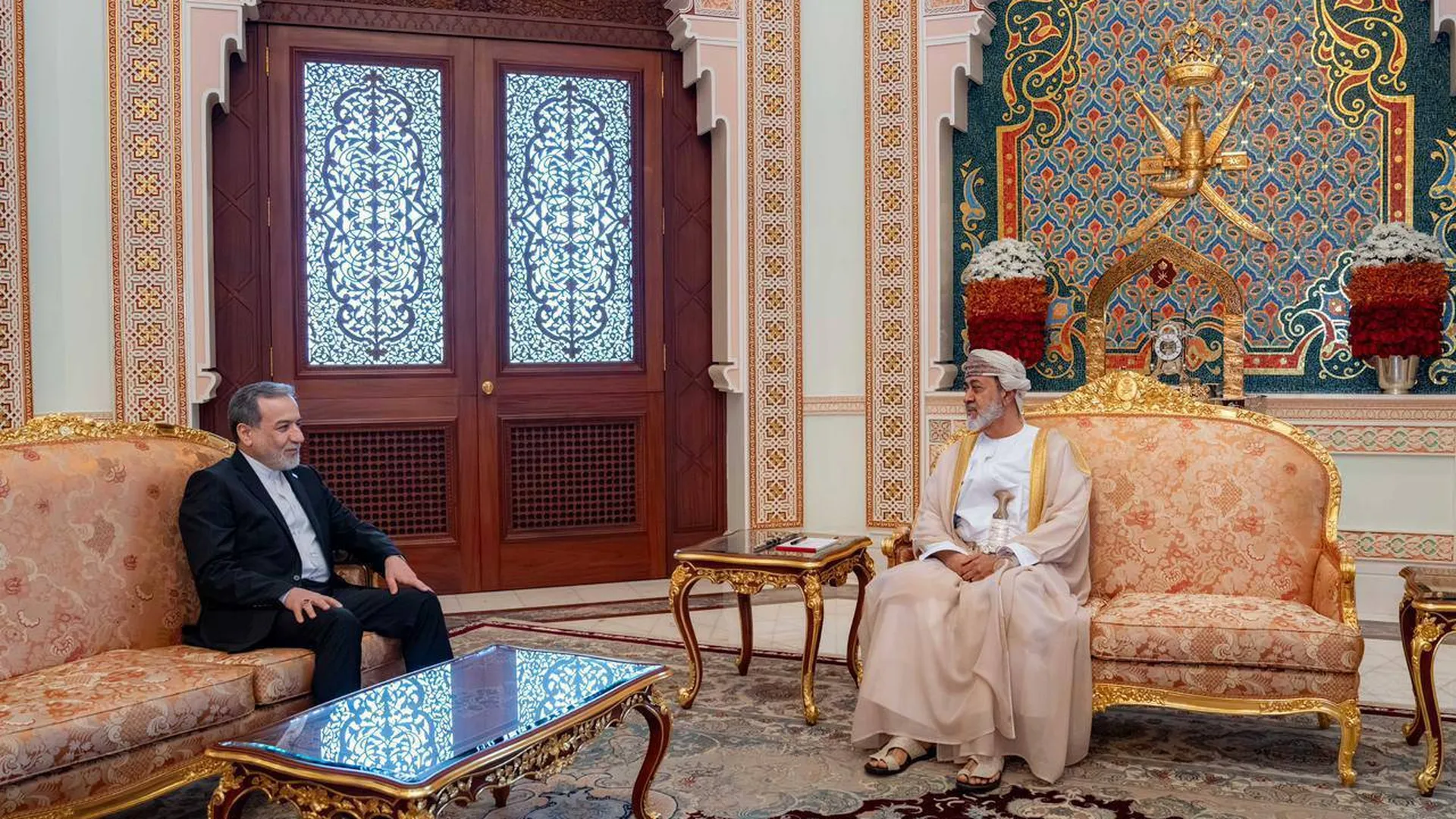
Iranian Foreign Minister Abbas Araghchi announced on September 25, 2026, that Iran has formally proposed a deal to the United States aimed at reopening the critical Strait of Hormuz within a week. Speaking to reporters at the United Nations in New York, Araghchi stated that the reopening is contingent upon the fulfillment of specific conditions, which are detailed within a Memorandum of Understanding (MOU) signed in June. He emphasized that the onus is now on the United States to respond, noting that the proposal was conveyed through Qatari mediation. While the US has not yet issued an official statement, reports from The Wall Street Journal, citing anonymous US officials, indicated that President Donald Trump had privately expressed skepticism about Iran’s willingness to meet his demands and had considered a renewed bombing campaign as a more probable outcome. This development follows air strikes initiated by the US and Israel on Iran on February 28, which led to Iranian retaliation, including attacks on Israeli and US bases in the Gulf and the subsequent closure of the Strait of Hormuz. The strategic waterway, through which approximately 20% of the world’s oil and liquefied natural gas passed before the conflict, has experienced significant price volatility due to its closure, intensifying pressure on the Trump administration to de-escalate the situation, particularly with upcoming Congressional elections in November.
Conditions for Reopening and US Stance
Foreign Minister Araghchi reiterated that if the stipulated conditions are met, the Strait of Hormuz can be reopened, and normal maritime passage restored within seven days. He refrained from specifying Iran’s exact demands but indicated that the actions required from the United States are not new and are already outlined in the existing MOU. “I can tell you if there is seriousness in the US side to come to a deal and reopen the Strait of Hormuz, everything is now prepared,” Araghchi stated, signaling Iran’s readiness to proceed. In contrast, a US official informed the BBC that the United States is in a strong position due to its control over the Strait and is therefore not rushing a response. This suggests a strategic patience from the American side, despite the economic implications of the ongoing blockade. The offer comes at a time of heightened global energy concerns, with the disruption of supply routes impacting international markets and contributing to economic instability in various regions dependent on these energy flows.
Nuclear Inspections and Previous Agreements
Iranian President Masoud Pezeshkian, in an interview with CBS News, indicated that a ceasefire process would commence immediately upon acceptance of the proposed deal. He referenced a prior agreement based on the MOU signed in Pakistan, stating that adherence to that framework would restore the situation to its pre-conflict state. Crucially, President Pezeshkian also declared Iran’s willingness to permit UN nuclear inspectors into the country. He firmly rejected allegations that Iran is pursuing nuclear weapons, asserting that Iran is open to reaching accords and agreements regarding inspections within the scope of ongoing negotiations. This offer to allow inspections could be a significant concession, potentially addressing one of the key concerns that has fueled international tensions and sanctions against Iran. The MOU, signed on June 18, was designed to facilitate a ceasefire and partially reopen the Strait of Hormuz. The 14-point agreement included Iran’s commitment to never develop nuclear weapons, an end to military operations by the US, Iran, and their allies on all fronts, the cessation of the US naval blockade, and sanctions relief. Iran’s renewed commitment to these aspects, coupled with the offer of nuclear inspections, presents a complex diplomatic scenario for the United States.
Economic Impact and Diplomatic Maneuvering
The closure of the Strait of Hormuz has had profound economic consequences, leading to drastic fluctuations in global energy prices and exacerbating economic pressures worldwide. For the United States, the disruption poses a significant challenge, particularly as the nation approaches critical Congressional elections in November. The need to stabilize energy markets and demonstrate effective foreign policy leadership is paramount for the incumbent administration. Iran’s offer, therefore, can be viewed as a strategic move to leverage these pressures and negotiate terms favorable to its own interests, potentially including sanctions relief and the normalization of its international economic relations. The involvement of intermediaries like Qatar highlights the delicate nature of the negotiations and the reliance on third-party facilitation to bridge the gap between the two nations. The international community is closely watching these developments, as a resolution to the Strait of Hormuz crisis could have far-reaching implications for global energy security and geopolitical stability.
FAQ
-
What is the main offer from Iran?
Iran has offered to reopen the Strait of Hormuz within seven days if specific conditions outlined in a June MOU are met by the US.
-
What are the conditions for reopening the Strait?
The conditions are detailed in a Memorandum of Understanding signed in June, which includes ending military operations and sanctions relief.
-
What is the US response to the offer?
US officials have indicated positive discussions are taking place through mediators, though President Trump has reportedly expressed private skepticism.
-
Will Iran allow UN nuclear inspections?
Yes, Iranian President Pezeshkian stated Iran would allow UN nuclear inspectors and reach agreements on the matter.
-
What was the impact of the Strait’s closure?
The closure caused wild fluctuations in energy prices and increased pressure on the US to end the conflict.
Frequently Asked Questions
What is the main offer from Iran?
Iran has offered to reopen the Strait of Hormuz within seven days if specific conditions outlined in a June MOU are met by the US.
What are the conditions for reopening the Strait?
The conditions are detailed in a Memorandum of Understanding signed in June, which includes ending military operations and sanctions relief.
What is the US response to the offer?
US officials have indicated positive discussions are taking place through mediators, though President Trump has reportedly expressed private skepticism.
Will Iran allow UN nuclear inspections?
Yes, Iranian President Pezeshkian stated Iran would allow UN nuclear inspectors and reach agreements on the matter.
What was the impact of the Strait’s closure?
The closure caused wild fluctuations in energy prices and increased pressure on the US to end the conflict.
Author

usmanjaved13132@gmail.com
Related Posts
Backchannel Talks Fail to Resolve PTI March Deadlock: Sources
- 0
- 763 words
Multiple high-level backchannel meetings between the Pakistan Tehreek-e-Insaf (PTI) and government authorities have failed to break the impasse over the party’s planned...
Read out all
UK Police Detain Men, Evacuate Homes Near US Air Base Amid Explosives Probe
- 0
- 762 words
British authorities have launched a major incident response near the RAF Fairford airbase in Gloucestershire, southwest England, a facility frequently utilized by...
Read out all
UK Police Detain Men, Evacuate Homes Near US Air Base Amid Explosives Probe
- 0
- 762 words
British authorities have launched a major incident response near the RAF Fairford airbase in Gloucestershire, southwest England, a facility frequently utilized by...
Read out all
Suffolk NHS Trust Apologizes After 10 Staff Suspended Over Noah Woods Data Breach
- 0
- 909 words
A Suffolk NHS trust has issued an unreserved apology after the medical records of a three-year-old boy, Noah Woods, were accessed by...
Read out all
Germany Debates Barring Far-Right AfD from Sensitive Intelligence Amidst Russian Concerns
- 0
- 950 words
Germany is grappling with a significant security dilemma as the far-right Alternative for Democracy (AfD) party emerges as a dominant force in...
Read out all
Germany Debates Barring Far-Right AfD from Sensitive Intelligence Amidst Russian Concerns
- 0
- 950 words
Germany is grappling with a significant security dilemma as the far-right Alternative for Democracy (AfD) party emerges as a dominant force in...
Read out all