- 0
- 949 words
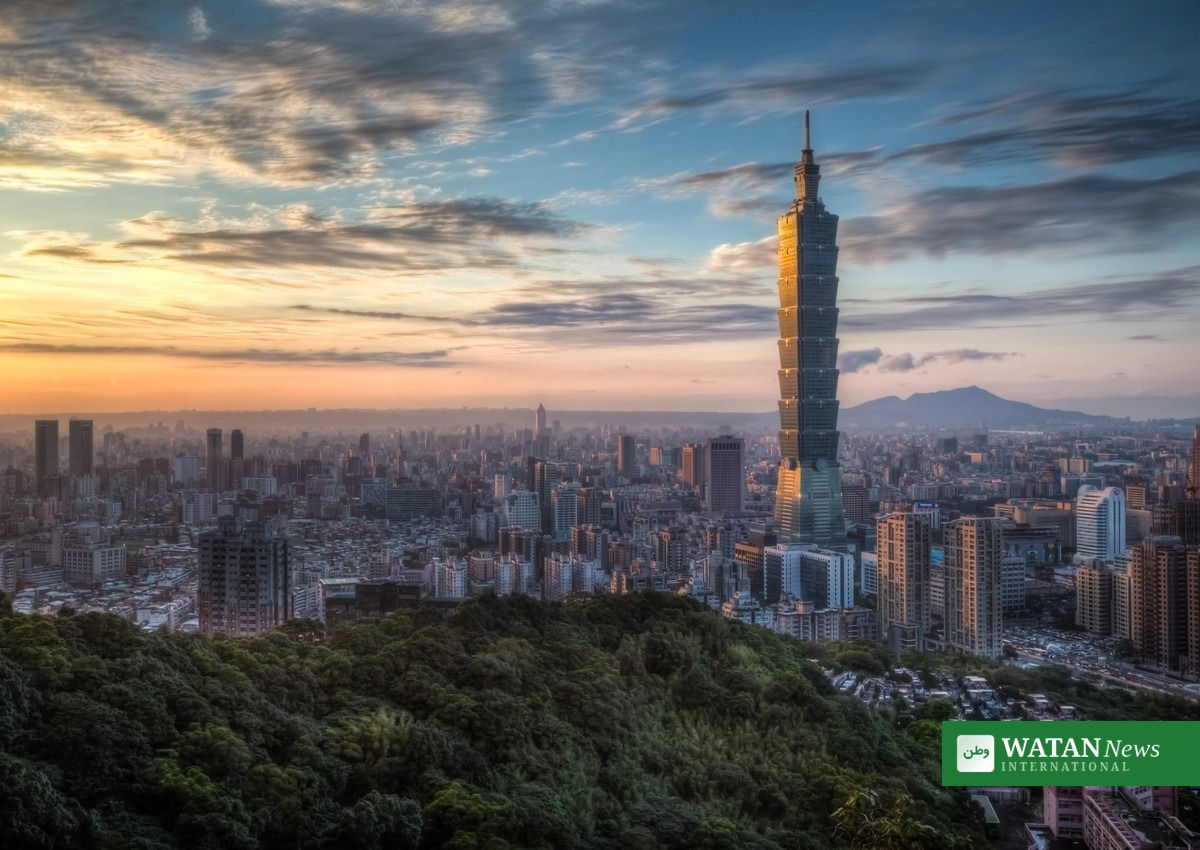
Taiwan local elections on Saturday delivered a split verdict: the opposition Kuomintang (KMT) held the capital Taipei and most of the island’s local governments, while the governing Democratic Progressive Party (DPP) made strong gains, and voters backed a referendum to end Taiwan’s nuclear-free energy policy.
FAKTA
- What happened: Taiwan held “nine-in-one” local elections on Saturday, 28 November 2026, choosing more than 11,000 local officials, including mayors and county magistrates, in all 22 cities and counties. A national referendum on nuclear power was held on the same day.
- Taipei: KMT Mayor Chiang Wan-an won a second term with about 53.7 per cent of the vote against 45.7 per cent for the DPP’s Puma Shen, with nearly all ballots counted. Shen conceded less than four hours after polls closed.
- Scoreboard: The KMT is set to hold 12 of the 22 mayor and county magistrate posts, the DPP nine, and an independent one. The DPP won only five posts in 2022. In the six largest cities, the two parties won three each.
- Nuclear referendum: Voters backed scrapping the “nuclear-free homeland” policy, with about 61.5 per cent voting in favour, according to preliminary Central Election Commission figures. The vote cleared the legal threshold of about five million yes votes.
- Certification: The Central Election Commission is due to confirm the results on 4 December. Newly elected mayors and magistrates take office on 25 December.
Chiang holds Taipei as Shen concedes in Taiwan local elections
Taipei Mayor Chiang Wan-an was re-elected on Saturday after a close race against Puma Shen, the DPP candidate, in local elections held across the island. With votes from almost 90 per cent of polling stations counted, Chiang had about 53.8 per cent of the vote to Shen’s 45.6 per cent, according to the electoral authorities, and the final count put him at about 53.7 per cent against 45.7 per cent.
Shen took the stage in front of thousands of supporters less than four hours after polling stations closed to concede defeat. “The result is already out – I lost,” he told the crowd. In his concession speech, he said the result was real and Taiwan’s democracy could be trusted, adding that no matter who won, it would be a victory for Taipei and a victory for democracy. Chiang thanked Shen, saying: “Together, we have completed a celebration of democracy.”
Shen, 44, is a lawmaker and academic who studies China’s information warfare. Beijing calls him a “separatist”, has sanctioned him, and Chinese police say they want him for what they call separatism. The DPP has won the Taipei mayorship only once, in 1994. Chiang, 47, is seen as a rising figure in the KMT and a possible future presidential candidate.
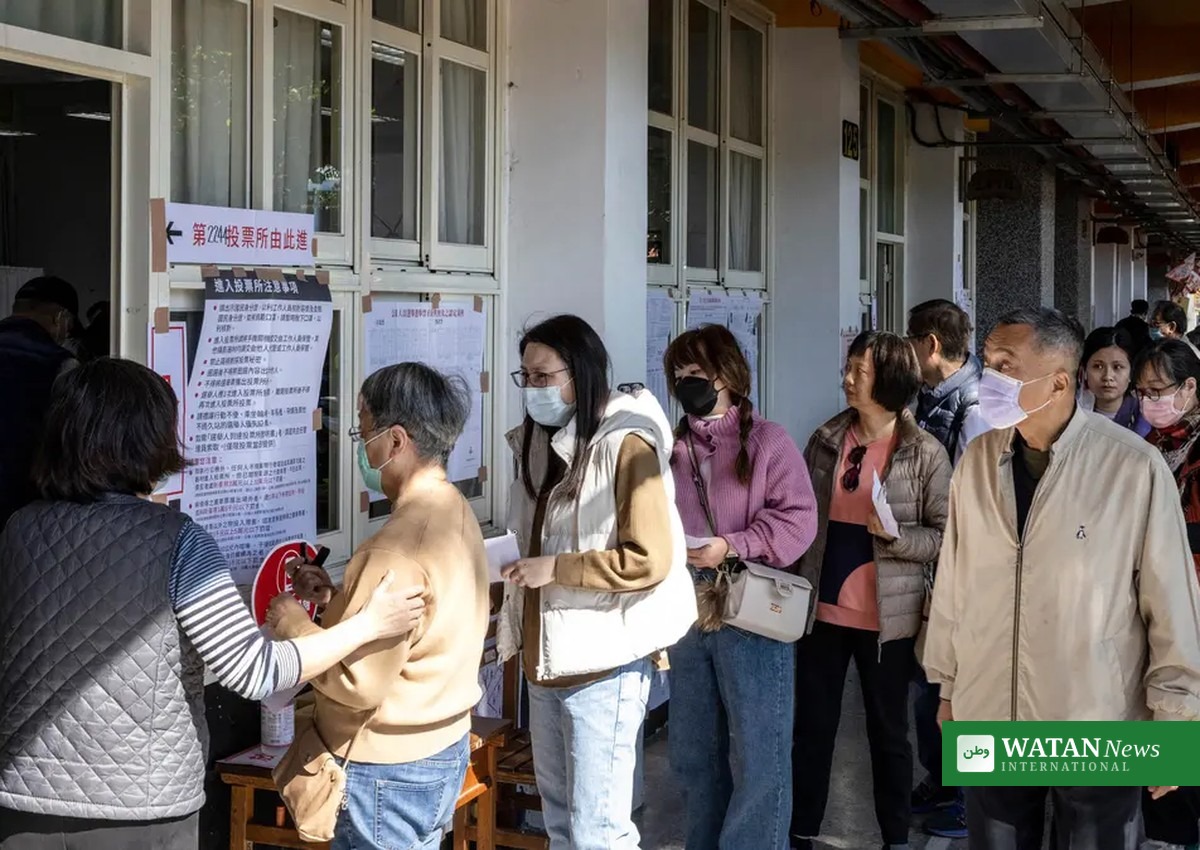
DPP gains ground across the island in Taiwan local elections
The night split both ways. In Taiwan’s six largest cities, the DPP and the KMT won three each, with the DPP capturing back Taichung, the island’s second-most-populous city. DPP legislator Ho Hsin-chun took about 50.7 per cent of the vote against 48.4 per cent for the KMT’s Johnny Chiang, ending eight years of KMT rule in the city.
The KMT also held Taiwan’s two other largest cities. In New Taipei, the island’s most populous city, the KMT’s Lee Shu-chuan beat DPP lawmaker Su Chiao-hui with roughly 51.2 per cent to 48.3 per cent, and in Taoyuan Mayor Chang San-cheng won re-election with about 55.7 per cent.
The DPP comfortably held its southern strongholds. Chen Ting-fei will become Tainan’s first woman mayor, and Lai Jui-lung won in Kaohsiung. The DPP also took Changhua, Yilan, Chiayi City and Hsinchu County from the KMT, a county it had not won since 1997. The KMT, in turn, captured Penghu from the DPP. Two KMT victories were razor-thin: in Yunlin County the margin was fewer than 1,000 votes, and in Hualien fewer than 400.
Nuclear power referendum passes
Voters also backed a national referendum calling for the government to use nuclear power to boost the economy and to drop the long-standing “nuclear-free homeland” policy. Central Election Commission figures showed about 5.41 million votes in favour and 3.39 million against, or about 61.5 per cent to 38.5 per cent, with turnout of 46.07 per cent. That cleared the legal threshold of about five million yes votes, a quarter of the roughly 20 million eligible voters.
The referendum does not itself restart any reactor, and turning the result into law would need separate legislative action. Taiwan shut its last reactor 18 months ago. All figures remain preliminary until the commission certifies them.
China watched the vote closely
The elections were closely watched in Beijing, which views Taiwan as its own territory. Taiwan’s defence ministry said 33 Chinese warplanes encircled the island on Friday ahead of the vote, along with eight warships, and Chinese state media launched a fresh attack on Shen the same day. The KMT traditionally favours closer ties with Beijing, and its chair, Cheng Li-wun, met Chinese President Xi Jinping in April.
China refuses to talk to President Lai Ching-te, whom it also calls a “separatist”. Campaigning in the races focused on issues such as transport and the environment, rather than Taipei’s contested ties with Beijing. Manoeuvring for the presidential and parliamentary elections, to be held early in 2028, will begin in earnest after Saturday’s vote.
What happens next
The Central Election Commission is due to formally certify the local results and the referendum outcome on 4 December, and any recounts in Yunlin and Hualien will be handled by the local district courts. Newly elected mayors and magistrates take office on 25 December.
President Lai will almost certainly stand for a second term in 2028, the maximum allowed under the constitution, while the KMT has not confirmed its candidate.
Read more: Taiwan votes on Saturday as Beijing targets Taipei mayoral candidate
Author

usmanch0013@gmail.com
Related Posts
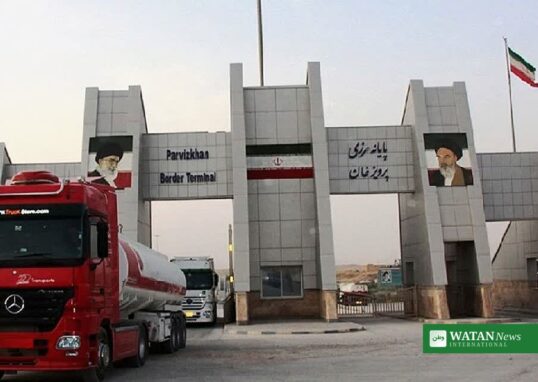
Iran Urges Iraq Not to Become ‘Tool’ of US Policy as Border Crossings Close
- 0
- 483 words
Mohammad Mokhber, an adviser to Iran's supreme leader, warned Iraq on Saturday not to become a "tool" of US President Donald Trump's...
Read out all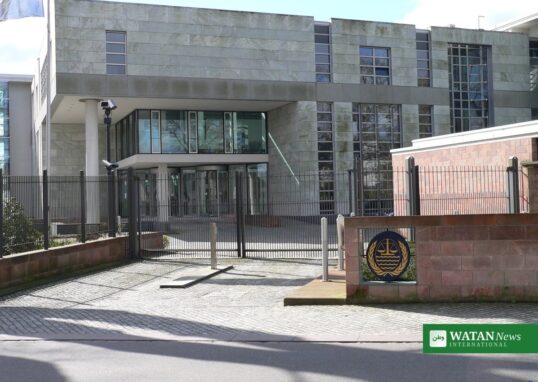
International Court Rejects Argentina’s Bid to Halt Falklands Oil Drilling
- 0
- 461 words
The International Tribunal for the Law of the Sea voted 18 to 3 against Argentina's request to suspend the Sea Lion oil...
Read out all
WWE Star Bronson Reed Dies Aged 38 After Medical Complications
- 0
- 663 words
WWE star Bronson Reed, real name Jermaine Haley, has died aged 38 due to medical complications, three weeks after suffering broken ribs...
Read out all
Fidan Urges Muslim Nations to Help Shape the Emerging World Order
- 0
- 491 words
Turkish Foreign Minister Hakan Fidan has urged Muslim countries to take an active part in shaping the emerging world order, speaking at...
Read out all
Australia Opens 5 GW Renewable Tender with First Nations Set-Aside
- 0
- 704 words
Australia's CIS Tender 12 seeks 5 GW of wind and solar across the National Electricity Market, with mandatory developer ratings and a...
Read out all
Denver Unveils Draft Climate Plan: 85% Clean Power by 2032 and 5,000 New Trees
- 0
- 744 words
Denver's draft 2027-2031 climate plan targets 85% clean electricity by 2032, 5,000 trees in heat-vulnerable areas, cooling for 1,000 homes and zero-emissions...
Read out all