- 0
- 874 words
In the heart of Lahore’s historic Anarkali bazaar, a solitary vendor continues a centuries-old tradition, offering traditional ittar perfumes from a humble roadside stall. Amidst the bustling modern commerce of the city, this small setup serves as a fragrant portal to the past, attracting both curious locals and tourists seeking authentic olfactory experiences. The vendor’s presence highlights the enduring appeal of artisanal crafts and natural fragrances in an increasingly synthetic world, preserving a unique cultural heritage one scent at a time.
- A vendor in Lahore’s Old Anarkali bazaar sells traditional ittar perfumes.
- The stall offers a connection to historical and artisanal fragrance practices.
- This tradition persists despite the prevalence of modern perfumes and commercial retail.
- The practice represents a unique cultural heritage within the bustling market.
The Enduring Allure of Traditional Ittar
The vendor’s stall, a simple setup by the roadside, is a testament to the enduring appeal of natural, handcrafted perfumes. Ittar, a concentrated form of natural essential oils derived from flowers, herbs, and woods, has been cherished for centuries in South Asia for its rich, complex aromas and perceived therapeutic properties. Unlike modern synthetic fragrances, ittar offers a pure, unadulterated scent profile that speaks to a different era of perfumery.
Each bottle on display represents a labor of love, often involving intricate distillation processes passed down through generations. The vendor, a custodian of this olfactory art, carefully curates a selection of scents, each with its own story and character. This dedication ensures that the tradition of natural perfumery continues to thrive, offering a tangible link to the region’s rich cultural tapestry.
A Glimpse into Anarkali’s Heritage
Old Anarkali bazaar itself is steeped in history, named after a legendary courtesan from the Mughal era. The area has long been a hub of trade, culture, and social life, and the presence of traditional vendors like the ittar seller adds to its unique character. These vendors are not merely merchants; they are living embodiments of the bazaar’s heritage, their stalls serving as miniature museums of traditional crafts.
The contrast between the traditional ittar stall and the surrounding modern shops and bustling crowds underscores the dynamic nature of Lahore’s commercial landscape. Yet, it is precisely this juxtaposition that makes places like Anarkali so captivating. The vendor’s simple offering stands as a quiet defiance against the homogenizing forces of mass production, preserving a niche market for artisanal quality and historical authenticity.
The Art of Scent Creation
The creation of ittar is a meticulous process that requires deep knowledge of botanicals and distillation techniques. Typically, flowers are steeped in water and then heated, with the resulting steam, rich in aromatic compounds, being condensed and collected. This concentrated liquid is then left to mature, allowing the fragrance to deepen and mellow over time. Common ingredients include rose, jasmine, sandalwood, and various spices, each contributing to a unique olfactory profile.
The vendor likely sources these precious oils from specialized producers or may even be involved in parts of the production process themselves. The skill lies not only in the extraction but also in the blending and maturation, ensuring a high-quality product that resonates with traditional preferences. The small vials offered are potent, requiring only a tiny amount to impart a lasting scent, a characteristic that further emphasizes their concentrated, natural origins.
Challenges and Continuity
Despite the charm and historical significance, vendors like this face numerous challenges in the contemporary market. Competition from mass-produced perfumes, changing consumer preferences, and the high cost of sourcing natural ingredients can make it difficult to sustain such traditional businesses. The roadside location, while accessible, also presents logistical hurdles and potential vulnerability to weather and urban development.
However, the continued presence of the ittar vendor suggests a resilient demand for these unique fragrances. For many, ittar is more than just a perfume; it is a connection to cultural roots, a symbol of heritage, and an appreciation for the natural world. The vendor’s commitment to this craft ensures that this aromatic legacy is not lost, offering a sensory experience that transcends time and trends.
Conclusion
The roadside ittar vendor in Lahore’s Old Anarkali bazaar is a living testament to the enduring power of tradition and artisanal craftsmanship. In a world increasingly dominated by synthetic scents and fast-paced commerce, this stall offers a fragrant sanctuary, preserving a unique cultural heritage. It serves as a reminder of the value found in natural ingredients, meticulous processes, and the stories embedded within traditional crafts, inviting passersby to experience a piece of history through scent.
Frequently Asked Questions
What is ittar?
Ittar is a natural, concentrated perfume oil extracted from flowers, herbs, and woods through traditional distillation methods, prized for its pure and complex aromas.
Where is this vendor located?
The vendor is situated by the roadside in the historic Old Anarkali bazaar in Lahore, Pakistan.
What makes ittar different from modern perfumes?
Ittar is made from natural essential oils without alcohol or synthetic additives, offering a more concentrated, pure, and often longer-lasting scent profile.
Are these perfumes expensive?
The cost can vary depending on the rarity of the ingredients and the complexity of the extraction process, but they are often considered valuable due to their artisanal nature and potent concentration
Author

usmanjaved13132@gmail.com
Related Posts

Vanessa Nakate: Africa Not Responsible for Climate Crisis
- 0
- 1,235 word
Ugandan climate activist Vanessa Nakate is forcefully advocating that Africa, a continent disproportionately affected by climate change, bears no responsibility for the...
Read out all
Le Pen Declares Victory as French Far-Right Wins Record 14 Senate Seats
- 0
- 696 words
Marine Le Pen’s National Rally (RN) party and its allies have secured a historic victory in France’s Senate elections, capturing a record...
Read out all
UK Defence Secretary Praises Vigilance After RAF Fairford Suspected Bomb Plot
- 0
- 873 words
UK Defence Secretary Wes Streeting has expressed gratitude to a local farmer whose alert to police is believed to have thwarted a...
Read out all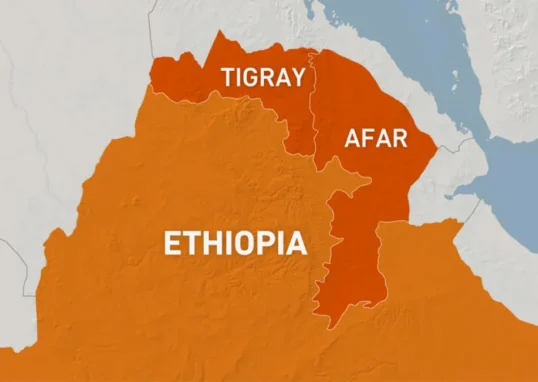
Al Jazeera Reports from Ethiopia’s Afar Region Front Line
- 0
- 663 words
Al Jazeera’s Mohamed Tawakul is reporting from near a front line in Ethiopia’s Afar region, where intense fighting has erupted. Rebel groups...
Read out allAI in Schools: ‘Wild West’ Lacks Research Amid Abundant Experiments
- 0
- 804 words
Schools across the United States are rapidly experimenting with artificial intelligence, despite a significant lack of research into its effectiveness and potential...
Read out all
Mbappe-less France Faces Belgium in Nations League Showdown
- 0
- 898 words
France will face Belgium in a highly anticipated UEFA Nations League clash on Monday, September 28, 2026, at the King Baudouin Stadium...
Read out all