- 0
- 867 words
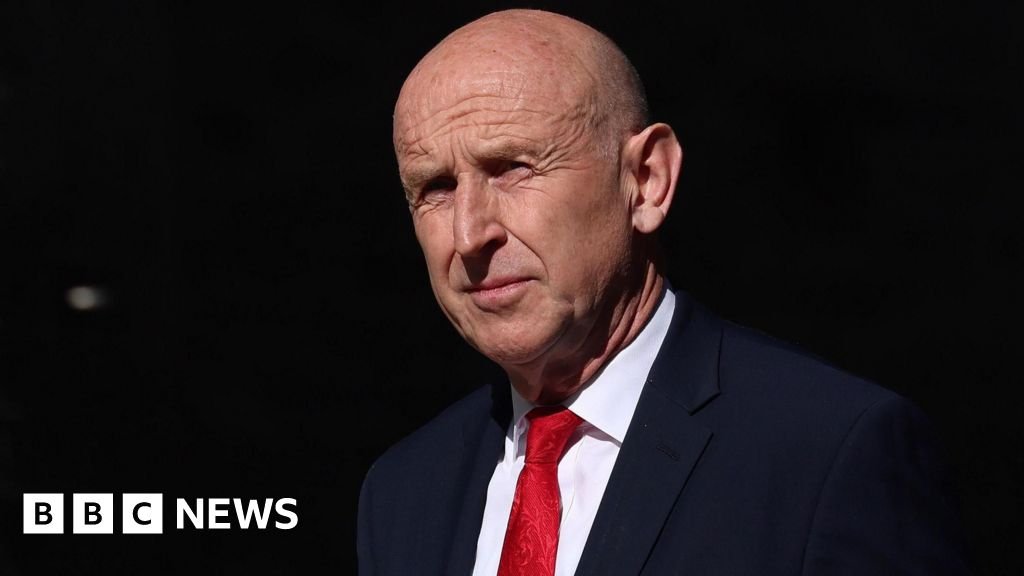
Chancellor John Healey is set to deliver a significant speech at the Labour conference, promising a “new age of industrialisation” for Britain. The address, scheduled for Monday, September 28, 2026, comes as Healey prepares to unveil his budget in four weeks. While pre-briefings suggest a relatively low-key budget with many decisions deferred to next year’s spending review, Healey’s speech is expected to feature striking language aimed at revitalizing Britain’s industrial base. A key announcement will be the commissioning of three new floating docks for the Royal Navy’s submarine service at HM Naval Base Clyde, intended to bolster the maintenance capabilities for nuclear submarines.
However, the proposals have already drawn criticism from the Conservative party, who accuse Healey of presenting “reheated announcements” and lacking clarity on funding.
- Chancellor John Healey to promise a ‘new age of industrialisation’ at Labour conference.
- Government to commission three new floating docks for nuclear submarine maintenance at HM Naval Base Clyde.
- Conservative shadow chancellor Andrew Griffith criticizes the announcements as ‘reheated’ and lacking funding clarity.
- Healey’s budget, due in four weeks, is anticipated to be low-key with deferred decisions.
A ‘New Age of Industrialisation’
Healey plans to articulate his vision for a revitalized British industry, drawing parallels between the nation’s industrial past and its future potential. His remarks are expected to highlight the transformation of former industrial heartlands, such as the Orgreave pit site in South Yorkshire, now home to Rotherham’s Advanced Manufacturing Park. “Our coal mines are not coming back. But this is how Britain’s industrial past is being remade now for the modern world.
This is the new age of industrialisation. A new confidence in Britain,” Healey is expected to state, according to overnight briefings from the Labour party. This framing aims to inspire a sense of renewed national capability and economic optimism.
Defence Infrastructure Boost
A central component of Healey’s address will be the announcement regarding the Royal Navy’s submarine service. The government is commissioning three new floating docks, a project known as Programme Euston, to be located at HM Naval Base Clyde. These facilities are crucial for the maintenance and upkeep of the UK’s nuclear submarine fleet, ensuring operational readiness and supporting the defence industry. This investment signifies a commitment to strengthening national security infrastructure and maintaining Britain’s strategic capabilities in a complex global environment.
Conservative Scrutiny
The Conservative party has been quick to challenge Healey’s announcements. Andrew Griffith, the shadow chancellor, has accused Healey of presenting “reheated announcements” and “hot air.” Griffith specifically pointed to the planned floating docks, noting that additional docks were previously announced as part of the defence investment plan, which he claims still has a significant funding shortfall of £4.7 billion. He further criticized Healey, recalling his past resignation over Labour’s perceived failure to adequately fund defence, and questioned his current stance on defence spending targets. The opposition’s critique centers on the perceived lack of concrete financial backing for Labour’s proposals.
Funding Concerns Raised
Griffith’s accusations highlight a broader debate surrounding defence spending and fiscal responsibility. He stated, “These are more reheated announcements without clarity on where the money is coming from.” The Conservatives argue that Labour is not making the “tough choices needed to pay for Britain’s defence,” instead relying on re-announcements and rhetoric. This criticism underscores the political battleground over economic policy and national security, with the opposition seeking to portray Labour’s plans as fiscally unsound and lacking substance.
Budget Outlook and Spending Review
While Healey’s speech aims to set an ambitious tone, the immediate fiscal outlook suggests a period of careful management. The upcoming budget, Healey’s first as chancellor, is expected to be relatively restrained. Many significant policy decisions and funding allocations are likely to be postponed until the comprehensive spending review scheduled for the following year. This approach indicates a strategy of fiscal prudence, potentially influenced by ongoing economic uncertainties and the need for a thorough assessment of government finances before committing to large-scale initiatives beyond the defence infrastructure project.
Conclusion
Chancellor John Healey’s speech at the Labour conference marks a pivotal moment, signalling a commitment to industrial renewal and enhanced defence capabilities. The promise of a “new age of industrialisation” and the concrete investment in naval infrastructure at Clyde aim to project confidence and strategic foresight. However, the political discourse is already charged with accusations of uncosted proposals, highlighting the ongoing scrutiny Healey and the Labour government will face. As the budget approaches, the focus will remain on how these ambitious plans will be financed and implemented, balancing industrial ambition with fiscal responsibility.
Frequently Asked Questions
What is the main promise of Chancellor John Healey’s speech?
Healey will promise a ‘new age of industrialisation’ for Britain, focusing on modernizing industry.
What defence infrastructure will be commissioned?
Three new floating docks will be commissioned for nuclear submarine maintenance at HM Naval Base Clyde.
Who has criticized Healey’s announcements?
Conservative shadow chancellor Andrew Griffith has accused Healey of offering ‘reheated announcements’ without clear funding.
When is John Healey’s budget expected?
Healey’s budget is expected in four weeks, with many decisions likely deferred to next year’s spending review.
Author

usmanjaved13132@gmail.com
Related Posts
AI in Schools: ‘Wild West’ Lacks Research Amid Abundant Experiments
- 0
- 804 words
Schools across the United States are rapidly experimenting with artificial intelligence, despite a significant lack of research into its effectiveness and potential...
Read out all
Mbappe-less France Faces Belgium in Nations League Showdown
- 0
- 898 words
France will face Belgium in a highly anticipated UEFA Nations League clash on Monday, September 28, 2026, at the King Baudouin Stadium...
Read out all
Avanti West Coast Rail Services to be Renationalised in March
- 0
- 745 words
The UK government has announced that Avanti West Coast rail services will be renationalised in March, marking a significant shift in public...
Read out all
Qatar-origin flight landed at Sialkot airport, not in IIOJK, clarifies official
- 0
- 653 words
Sialkot International Airport has officially clarified reports suggesting a Qatar Airways flight from Doha landed in Indian Illegally Occupied Jammu and Kashmir...
Read out all
Australia Grapples with Rising Fuel Costs and Looming Interest Rate Hike
- 0
- 840 words
Australia is facing a dual economic challenge as petrol prices surge and the Reserve Bank of Australia (RBA) is widely expected to...
Read out all
‘The same struggles as 100 years ago’: exhibition highlights lives of Sami people in Sweden
- 0
- 969 words
An exhibition at the Kin Museum of Contemporary Art in Kiruna, Sweden, is shedding light on the enduring challenges faced by the...
Read out all