- 0
- 1,141 word
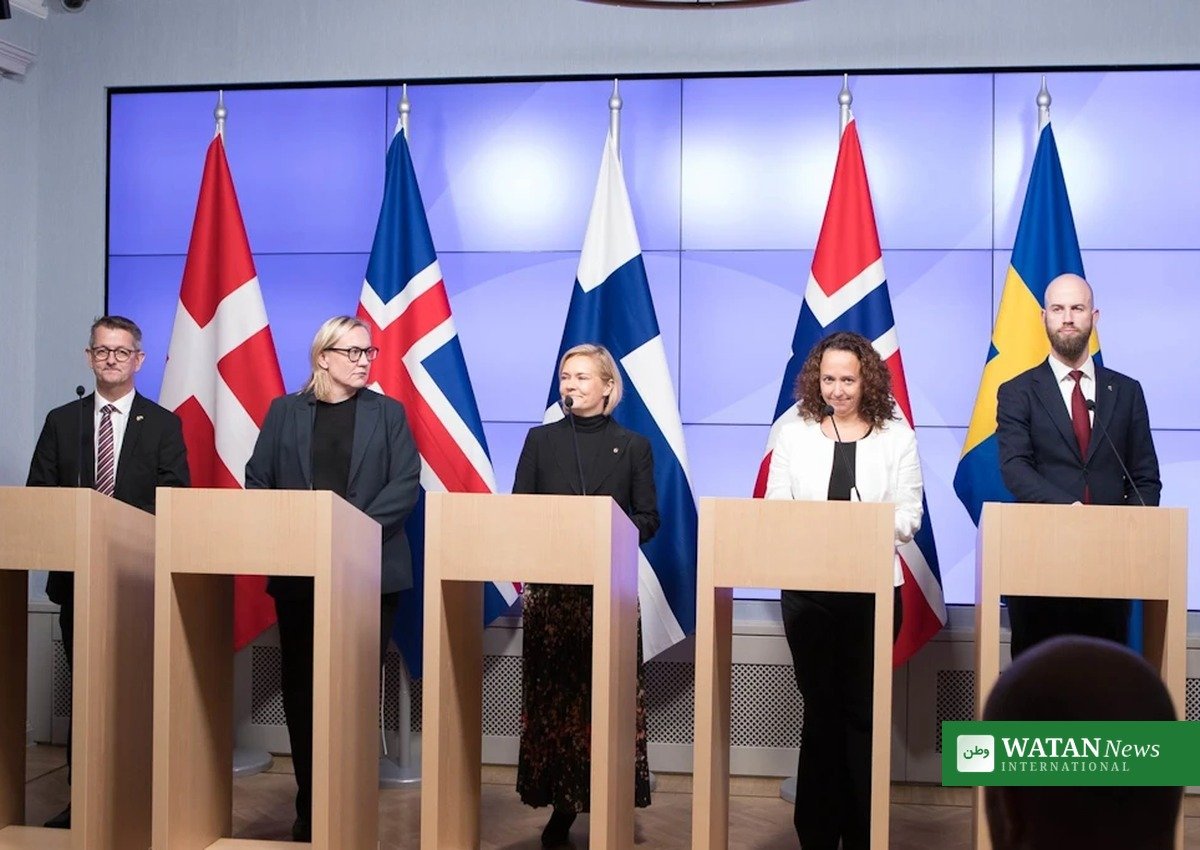
COPENHAGEN — The Nordic countries are among the world’s most competitive economies, with strong institutions, world-class innovation and solid financial fundamentals. Yet the region is falling behind on productivity growth and faces growing vulnerability in a geopolitically unstable world. To answer that challenge, the Nordic ministers for cooperation and business agreed in Copenhagen on Thursday to establish a new Nordic growth alliance to strengthen competitiveness across the region.
At the meeting of the ministers for Nordic Cooperation (MR-SAM) and the ministers for Business (MR-N), the Nordic governments signed a joint declaration setting out a shared agenda for the region’s most important future economic challenges. The declaration launches an alliance that will bring together the Nordic countries, businesses and other stakeholders around concrete initiatives: cheaper green energy, deeper market integration and more resilient value chains across the Nordics.
“It is not enough to agree on the challenges. We also have to find the solutions together. Because even though the Nordics stand strong, there are dark clouds on the horizon — and we need to deal with them,” said Martin Lidegaard, Denmark’s Minister for Business and Competitiveness.
FAKTA
- What happened: The Nordic ministers for cooperation and business agreed in Copenhagen on 1 October 2026 to establish a Nordic growth alliance.
- Who is behind it: The governments of Denmark, Finland, Iceland, Norway, Sweden and the autonomous territories — the Faroe Islands, Greenland and Åland.
- The aim: Strengthen competitiveness, deepen market integration and build more resilient value chains through concrete joint initiatives.
- The basis: A new analysis, Analysis of Competitiveness in a Nordic Perspective, and the Nordic prime ministers’ Vision 2030.
- Industry backing: Danish Industry (Dansk Industri) has long pushed for a Nordic growth alliance as part of its 2026 competitiveness agenda.
How the Nordic growth alliance will work
The alliance is designed to go beyond declarations and meetings. Instead of stopping at a shared diagnosis, the ministers committed to joint initiatives that pool the scale of all eight Nordic countries and territories to deliver results no single country could achieve alone. Three priorities stand out in the declaration.
Cheaper green energy across borders
The Nordic region is already a leader in clean energy, but the ministers want to use the alliance to deliver cheaper green energy for businesses and households across the region. Deeper integration of energy markets and joint investment in new technologies are central to that ambition.
More resilient value chains
The new competitiveness analysis highlights the need to reduce critical dependencies — the vulnerabilities that became visible when global supply chains buckled in recent years. The alliance will work to strengthen value chains inside the Nordic region so businesses are less exposed to geopolitical shocks.
Scaling new growth companies
The Nordic countries are good at creating startups but too often lose them abroad when it is time to scale. The analysis underlines that the Nordics must become better at growing new companies into large, lasting businesses — a point Danish industry has raised for years.
Nordic Currents: culture joins the cooperation agenda
The same week, the Nordic Council of Ministers is pushing another strand of the Nordic cooperation agenda. On 1 October it opens a call for Nordic Currents, a new international cultural initiative running through 2027 and 2028, aimed at strengthening the cultural presence of the Nordic region in Europe and building long-term partnerships with cultural organisations in neighbouring countries. Projects selected must show high artistic quality, be publicly accessible and include cultural practitioners from across the Nordics — from Denmark, Finland, Iceland, Norway and Sweden to the Faroe Islands, Greenland and Åland.
The initiative reflects the same logic as the growth alliance: in a time of geopolitical change, the Nordic countries see closer cooperation as their answer — in business and in culture alike.
Vision 2030: the most integrated and sustainable region
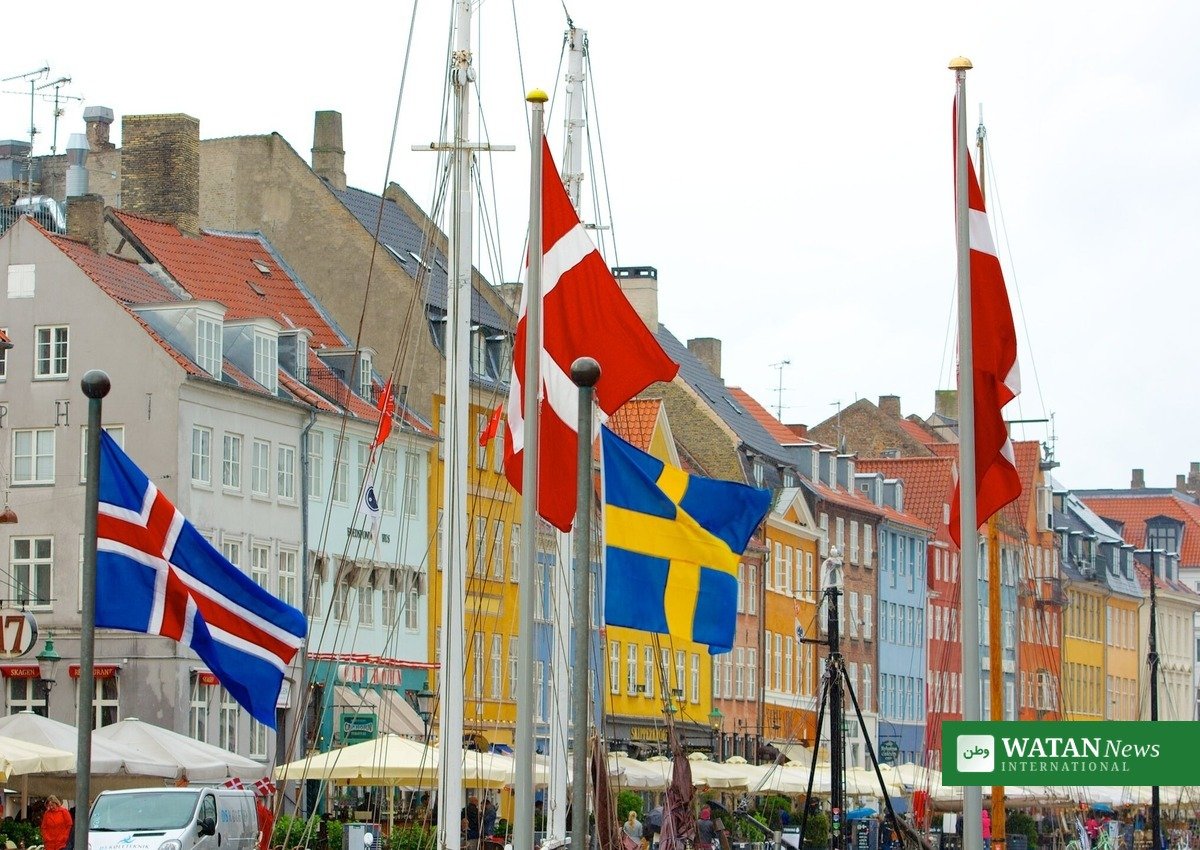
The ambition for the growth alliance is to contribute to the Nordic prime ministers’ Vision 2030: making the Nordic region the most integrated and sustainable region in the world. In the declaration, the ministers stress that competitiveness and sustainability go hand in hand.
“The Nordic model demonstrates that it is possible to combine economic growth with social cohesion, gender equality, good working conditions, and ambitious environmental standards. Now it is time to use those strengths and safeguard our continued strength and competitiveness,” said Bárður á Steig Nielsen, the Faroese Minister of Nordic Co-operation.
Danish Minister for Nordic Cooperation Monika Rubin struck a similar note: “The Nordic countries are strongest when we stand together — today and in the future. That is why we are crossing borders and joining forces to build the next chapter of Nordic growth through this growth alliance.”
Why now: dark clouds on the horizon
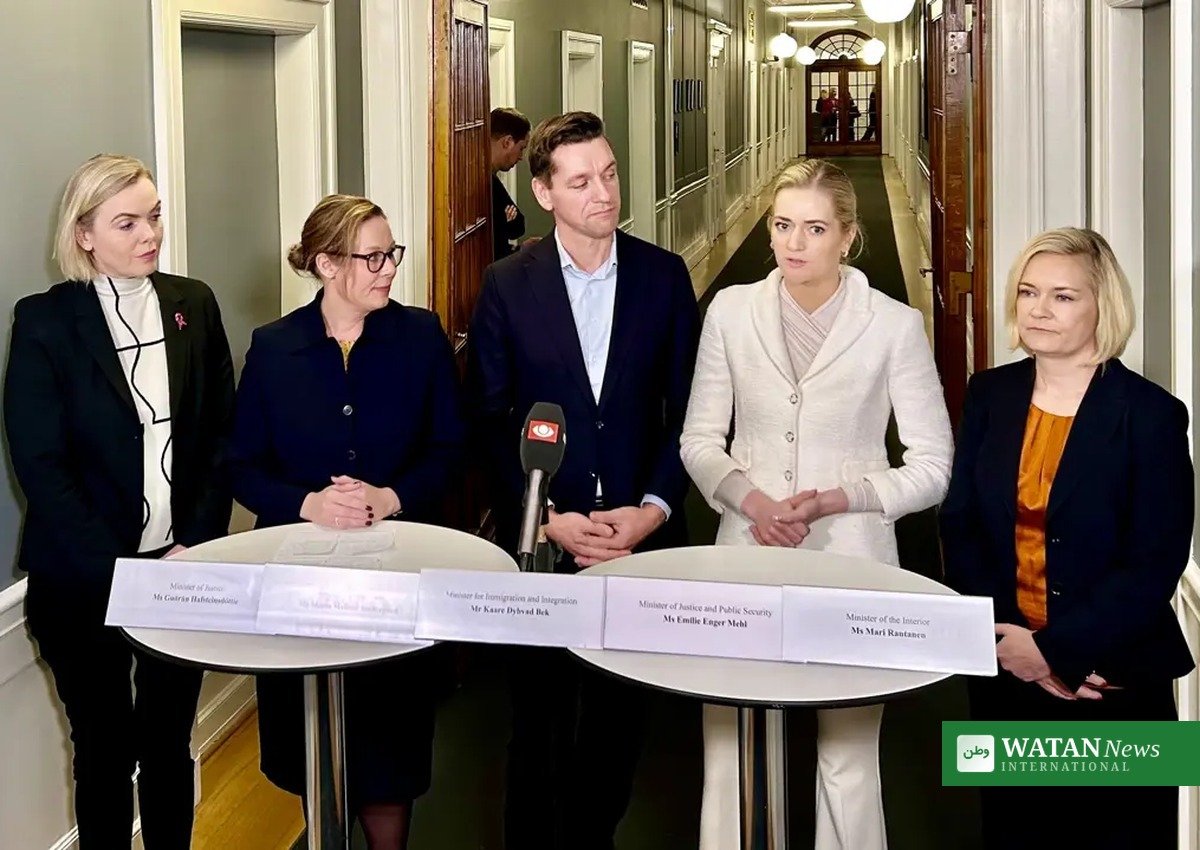
The timing is no accident. Europe’s economy is under pressure from geopolitical uncertainty, trade tensions and rapid technological change. Danish Industry warned earlier in 2026 that Denmark is losing promising growth companies to other countries because of weak conditions for scaling and a thin stock market — and explicitly proposed a Nordic growth alliance as one of its headline political demands. Thursday’s declaration turns that demand into a government-backed platform, endorsed by both the cooperation ministers and the business ministers.
“The Nordic countries are highly competitive today, but if we want to remain among the world’s leading economies ten years from now, we need to raise our ambitions and accelerate,” said Monika Rubin.
Conclusion
With the Nordic growth alliance, the region’s governments are moving from analysis to action. The declaration gives businesses and investors a clear signal: the Nordics intend to meet geopolitical uncertainty with deeper integration — cheaper green energy, resilient value chains and better conditions for scaling companies. Whether the alliance delivers will depend on the concrete initiatives that follow, but the political commitment is now on paper, signed in Copenhagen. Read more of our Europe coverage.
FAQ
What is the Nordic growth alliance?
It is a new cooperation platform established by the Nordic governments on 1 October 2026 to strengthen the region’s competitiveness through concrete joint initiatives involving governments, businesses and stakeholders.
Which countries are part of it?
The alliance covers the Nordic region: Denmark, Finland, Iceland, Norway and Sweden, together with the autonomous territories — the Faroe Islands, Greenland and Åland.
What are its main priorities?
Cheaper green energy, deeper market integration, more resilient value chains, better conditions for scaling growth companies and reduced critical dependencies.
How does it connect to Vision 2030?
The alliance is designed to contribute to the Nordic prime ministers’ Vision 2030 of making the Nordic region the most integrated and sustainable region in the world.
Is industry behind the idea?
Yes. Danish Industry proposed a Nordic growth alliance as a headline demand in its 2026 competitiveness report “Verden i forandring – Danmark i vækst”, and business stakeholders are meant to be active partners in the alliance.
Author

usman2344913@gmail.com
Related Posts
Denmark Opens New Certified-Employer Work Permit Route for Foreign Workers From January 2027
- 0
- 956 words
Denmark's new certified-employer work permit scheme, adopted by Parliament on 3 September 2026, lets SIRI-certified companies hire foreign workers from 16 designated...
Read out all
LVMH Opens 65 Workshops in 11 Countries for Journées Particulières 2026
- 0
- 1,030 word
LVMH opens 65 workshops, cellars and ateliers in 11 countries for the sixth Journées Particulières, 16–18 October 2026. Free tours include Louis...
Read out all
Radisson Blu Scandinavia Becomes Verified Net Zero Hotel as Radisson Adds Four Nordic Properties
- 0
- 1,115 word
Radisson Hotel Group has added four Nordic hotels — including Copenhagen's Radisson Blu Scandinavia — to its Verified Net Zero portfolio, bringing...
Read out all
Christa Pike alive, receiving life-saving hospital care, lawyers state
- 0
- 1,393 word
Tennessee's attempt to execute Christa Pike — the only woman on the state's death row — failed Wednesday night after two doses...
Read out all
Putin Warns West: Russia Ready to Use All Weapons for Kaliningrad
- 0
- 1,382 word
Putin says Russia will consider using its full arsenal, including nuclear weapons, if Kaliningrad is threatened. NATO chief Rutte calls the document...
Read out all
Renee Good’s family sues Trump officials after ICE agent killing
- 0
- 1,329 word
Renee Good's family filed two federal lawsuits Thursday over the ICE agent's fatal shooting of the 37-year-old mother of three in Minneapolis,...
Read out all